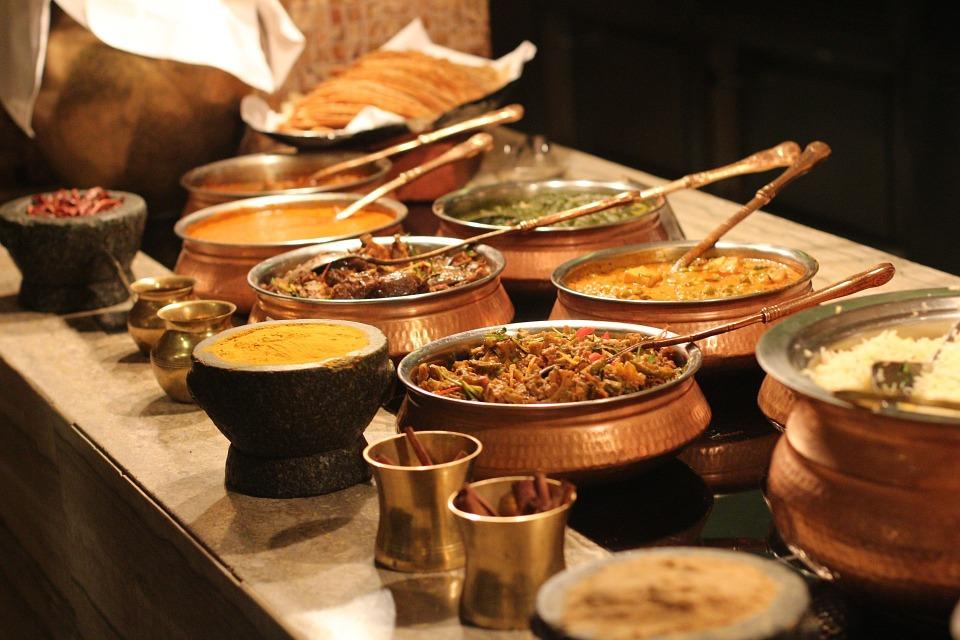

Indian food culture is a vibrant mosaic shaped by centuries of geography, religion and social traditions. From the coconut-and-curry flavours of the south to the tandoors and rich gravies of the north, each region has its own culinary identity.
Traditional Indian foods have their own significance in social and cultural aspects. Moreover, traditional cuisines are largely influenced by religious, regional, and agrarian traditions.
Indian foods are known for their versatility, beloved by people from every corner of the world. The exquisite Indian food culture has transformed millions of appetite and universal cuisines.
Over the years the collective knowledge of preparing food has been preserved and experimented with the contemporary ingredients to make it more delicious. The Indian food recipes are incomplete without exotic spices and flavours native aromatics. Being religious, people have a huge attachment to their food culture. From vegan to non-vegetarian, one can find thousands of amazing dishes in India.


Food: The Heart of India’s Social and Emotional Life
In India, food is more than just nourishment — it’s a bond that ties families, friends, and communities together. Meals are shared with emotion and meaning, turning every celebration into a feast of togetherness.
Whether it’s weddings or religious festivals, every occasion in India comes with its own special menu. From laddoos at Diwali to biryani at Eid, food serves as a symbol of love, unity, and tradition.
India, the embodiment of diversity. It has a glorious history of multiculturalism and that can be evidently seen through its cuisines.
A Glimpse into Indian Food Culture History
The history of Indian food is a rich tapestry woven with centuries of cultural and geographical influences. The subcontinent has always been home to diverse communities, each with its own ingredients, cooking methods, and signature dishes.
Ancient texts like the Vedas and the Mahabharata make some of the earliest references to food — from mentions of ghee, barley, and rice to descriptions of feasts and offerings.
Mughal and Colonial Influences on Indian Cuisine
As Indian society evolved, so did its cuisine. The Mughal Empire brought in Persian and Central Asian influences, introducing dishes like biryani, kebabs, and rich gravies cooked with dry fruits and aromatic spices.
During the British colonial era, India’s food culture absorbed yet another layer of influence. The British introduced new ingredients and habits — such as tea, which quickly became an integral part of Indian life and even found its way into desserts and snacks.
Religion and Geography: Shaping What India Eats
Religion plays a major role in defining regional food habits. In many parts of North India, where Hinduism is predominant, vegetarian cuisine thrives, rich in lentils, grains, and dairy.
Meanwhile, the South and coastal regions, home to large Christian and Muslim communities, feature a broader range of meats, seafood, and spices. Geography adds its own flavour — the coconuts of Kerala, the mustard oil of Bengal, and the millets of Rajasthan each tell a regional story.
Globalization and the Modern Culinary Imagination
Indian food continues to evolve with time. The country’s culinary imagination is alive and experimental — new flavours and fusion dishes appear every day, both within India and abroad.
Global exposure has made Indian cuisine one of the most loved in the world, inspiring international chefs and leading to innovative combinations like curry pizzas and masala tacos.
Rediscovering Regional Roots
In recent years, there has been a renewed passion for regional cuisines. Chefs and food enthusiasts are revisiting traditional recipes, local ingredients, and forgotten cooking techniques.
This revival has brought dishes like Bihari litti chokha, Goan poi bread, and Himachali siddu back into the spotlight — proving that India’s culinary past still inspires its future.

Indian Food Culture & Traditions
Indian food, not similar to other nations' food phenomenon, is an emotion, tradition, and a mutual heritage that has been preserved for thousands of years. People treat food as blessing and pay reverence while having a meal. Being one of the most vivid and aromatic food cultures of the world, traditional Indian food leads the way to exemplify the affluent culinary heritage.
In India, every region tells its story through food. Travel anywhere in the country, and you’ll discover that each place has its own distinct flavours, ingredients, and cooking traditions that make it truly unique.
Indian food is widely known for its diversity, variety of cultural foods, species, and regional cuisines make impressive wholesome foods. Indian traditional foods are not only nutritious but are also incredibly delicious with numerous health benefits. It is the collective wisdom of ancestry that has developed over generations and can be seen as evidence of where it originated and how it is prepared.
With the modern lifestyle, an excessive amount of chemicals in our plates has deteriorated our health leading to numerous ailments. The change in eating habits, daily consumption of Indian street food, and low-nutrition diets compelled us to spend more on medicines than healthy food. Therefore, the nutritional aspects of traditional food should be recognized and popularised on a larger scale.
What is North Indian Food?
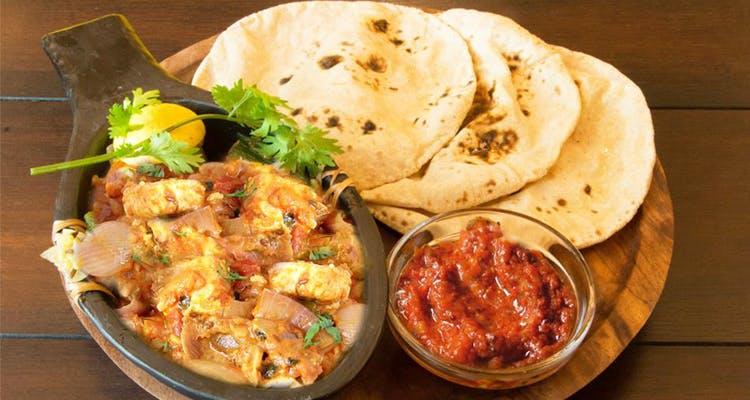
Being the most popular and loved, North Indian food is the epitome of Indian cuisine. Its uniqueness lies in the conventional cooking methods which include deep-frying, roasting and grilling for meat, mild stewing for varieties of curry, and use of "Tawa" for flat-breads like chapati, paratha and roti.
One can explore countless vegetarian and non-vegetarian foods in the region's food culture. Lies in the Gangetic Plains, the food culture has also been influenced by the religious and nature's sentiments.
You can get delicious pure-vegetarian dishes, while some dishes symbolise religious festivals like thekua, gujiya, sewaiya and many more. Some of the distinct impressions of main course North Indian cuisine are being followed:
Cultural and Geographical Influences
Located in the south of the Himalayan Range, the region experiences extreme climates- summers, rainy and winters.
Therefore, the food culture varies with the season accordingly. One of the most fertile land regions of the world, it produces a wide array of vegetables and fresh seasonal fruits. From Punjab to Bihar, the transition of food culture can be seen along with popular Kashmiri and Mughlai dishes.
Staple Food of North India
The region is known for its bread-related dishes like chapatis, naan, paratha, tandoori roti, etc. Rice is also popular but more preference is given to wheat products. Some of the special rice dishes are pulao and biryani.
Style of Food
People of North India usually like food with thick, spicy and creamy gravies. Vegetable oils and mustard oils are commonly used for making dishes, while ghee is reserved for special occasions.
Popular North Indian Dishes
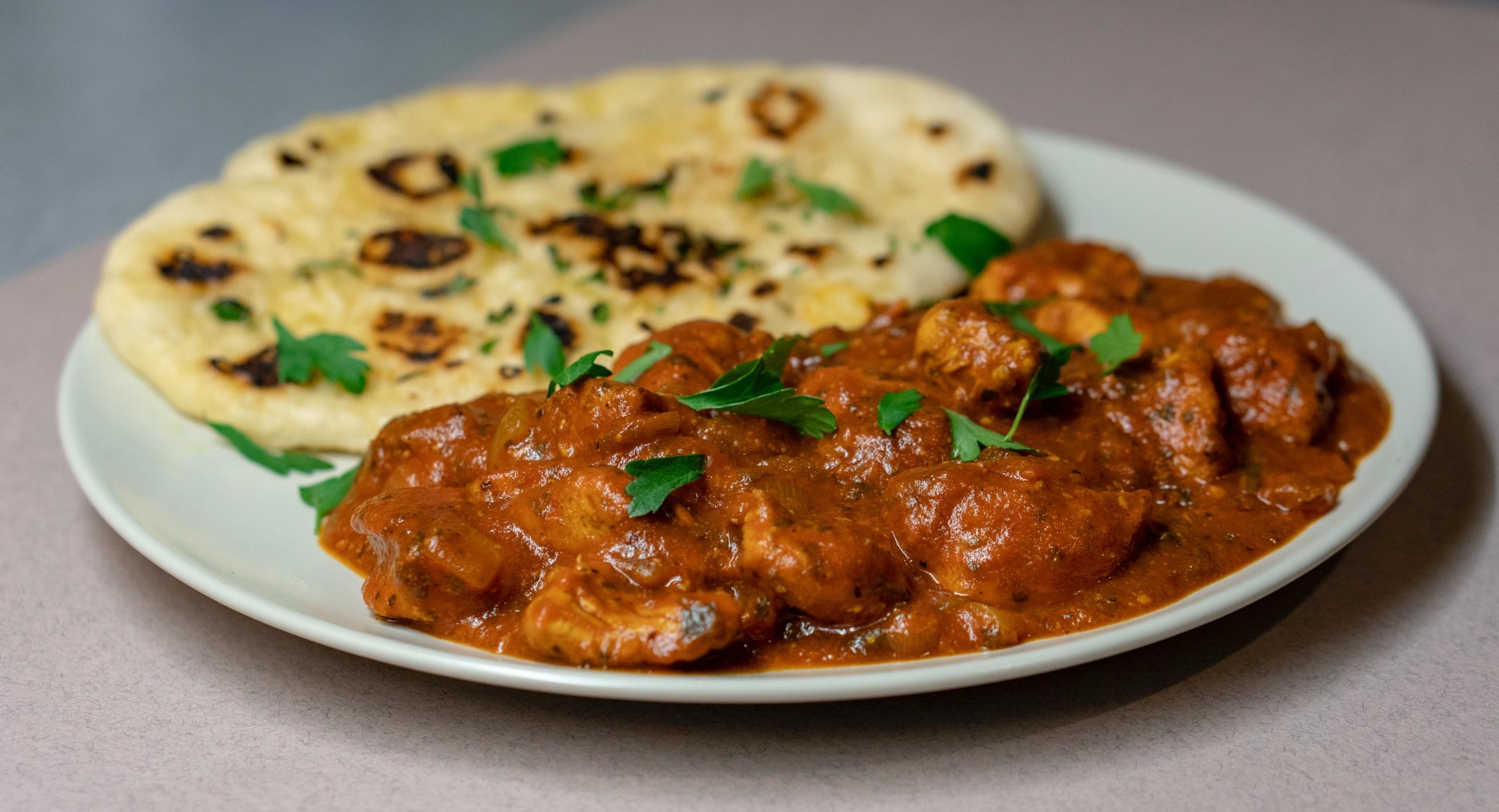
The region is spread across multiple states, the dishes, cooking techniques, spices and recipes vary considerably. However, there are some common popular dishes such as butter chicken, lacha paratha, Mughlai, rajma daal, paneer dishes, jalebi, and kheer.
What is South Indian Food?
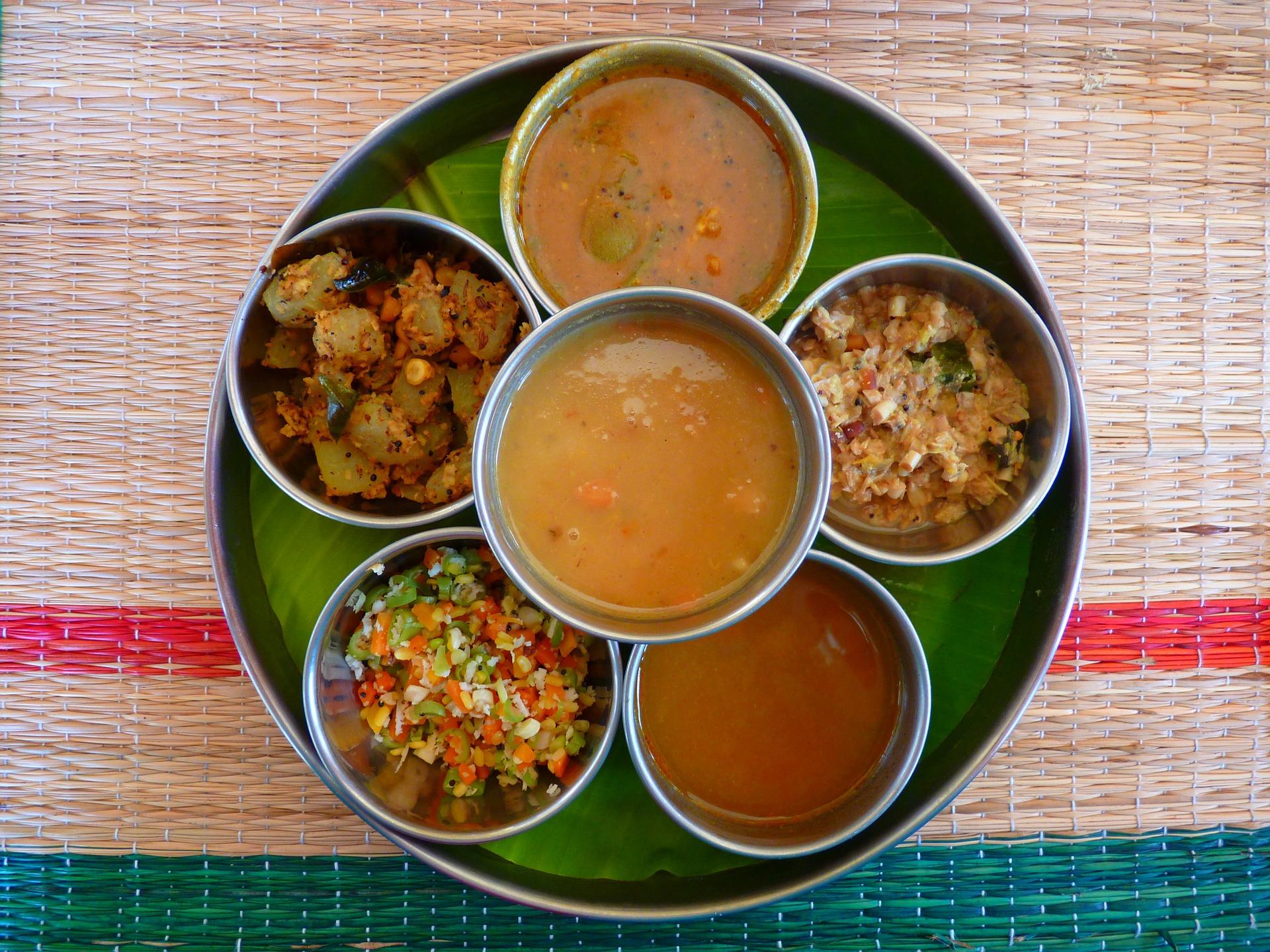
South India is known as the spice hub of the world, famous for its delicious and exquisite food culture. Each south Indian dish is blended with exotic spices and flavors with a sprinkle of Indian culture.
For instance, pradeshika ahara samskruthi in Kannada (language spoken in Karnataka) means Traditional food culture in Karnataka. Food from South India is deep-rooted in its culture and history.
The South Indian food culture comprises five states which are Tamil Nadu, Kerala, Karnataka, Telangana, and Andhra Pradesh. Both the culture and topography of the south influence the regional cuisines. Here are some special highlights of South Indian cuisine:
Essential Spices and Ingredients
South India is known for its spices, so the food culture is the essence of spices. Typically, the cuisine will feature mustard, curry leaves, black pepper, asafetida, chillies, fenugreek and many more. The special powder is known as "Hudi Pudi", commonly used in spicing and flavoring the dishes.
Popular Cooking Oils
In South India, coconut oil is the most commonly used oil for cooking and frying because it is widely available in coastal areas. Apart from coconut oil, other vegetable oils were also used along with ghee.
Staple Foods
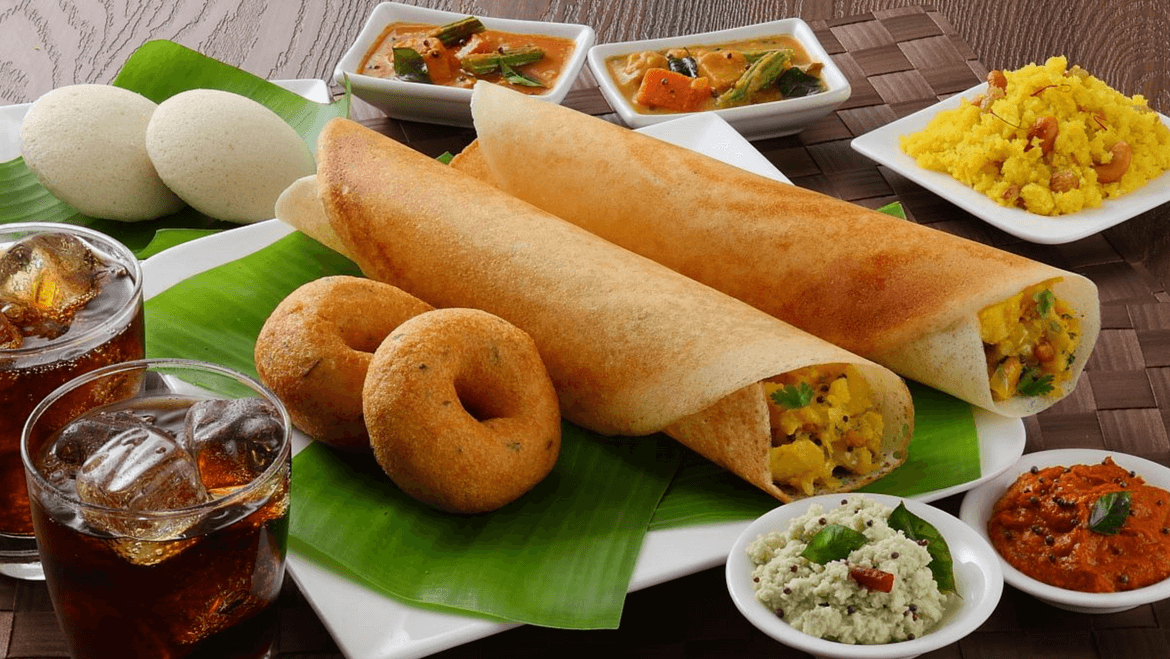
The food culture of South India is incomplete without rice. There must be rice in the meal, either boiled rice or any other rice dishes. Some popular cuisines made up of rice are idlis, dosas, and uttapams.
Popular Dishes and Styles of Food
The style of food centred around spices and rice. By far, south Indian cuisines are the hottest and spiciest of all Indian food. Some of the famous and beloved South Indian foods are chicken curry, the fish curry (Kulambu), dosas, idlis, sambar, rasam, and uttapams.
How to Make Indian Food at Home?
Indian cuisines are rich in varieties and very distinct from Western food. This makes Indian food much more intimidating compared to other dishes. However, preparing food at home is different from making food in Indian restaurants. Generally, people carry an illusion that cooking Indian food is arduous and full of complications.
Learning to cook any unique type of cuisine seems like a mountain to climb, but that's not true you only need dedication and courage. If you are curious and want to learn ‘how to make Indian food at home?’ you have come to the ideal place.
Importantly, before you climb on the cliff, equip yourself with the required supplies and have a proper set of plans, without the right approach things might go in the wrong directions. Here are some essential tips that will help immensely in cooking tasty Indian meals at your home.
Commence Your Journey With Aromatic, Spices And Other Supplies
Before putting your hands on the utensils, check all the required spices and other supplies for your desired dish. Species are the core of Indian dishes. Having known the land of species, Indian cuisines are very much influenced by exotic spices such as cinnamon, black pepper (kali mirch), red chillies powder, cardamon, and all in one garam masala. Along with spices, equip your kitchen with other necessary items for your dish.
Engage With Common Indian Cooking Terms
It is necessary to get familiar with frequently used terms in Indian cooking. There are a lot of special terms you probably aren't aware of. Therefore, if you are aspiring to cook Indian food, it becomes essential to know the commonly used terms. You can take help from reading Indian cuisines blog, different plates and cooking techniques. As beginners spent more time knowing the terms and right approaches.
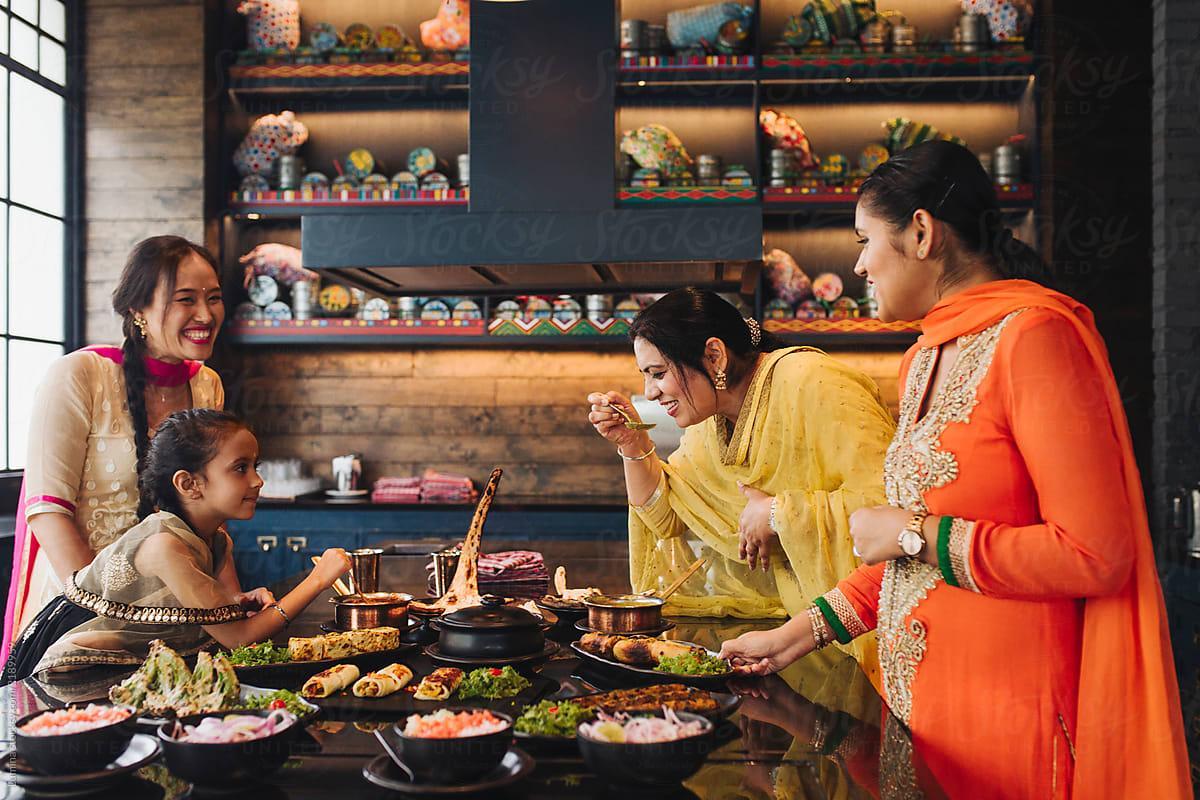
Comprehending the Primary Patterns of Indian Cuisines
If you spend a considerable amount of time cooking a specific cuisine, i.e Indian- you will find out that numerous dishes based on a similar pattern. Certainly, if you start preparing Indian food, you will begin by tempering oil, adding some aromatics and spices and frying some vegetables or raw meat.
This process is the basis for several popular Indian dishes such as chicken tikka masala, chicken curry, butter chicken, butter paneer, and more.
Experiment With Your Desired Cuisines One By One
Well, now you have understood the fundamental aspects of Indian cooking. The next step is to prepare delicious cuisines that you liked, but be patient with yourself. As an amateur, you are bound to make mistakes, so don't get upset and experiment with cuisine until you master it.
With time, you will be able to prepare delicious Indian food at home with convenience and day by day. You can also explore YouTube to know the best Indian recipes. Besides, you can get the help of experts by hiring a cooking tutor from Superprof. Cookery is an art and it takes considerable time to master it, so be content and continue to relish on your cooking journey.
Summarise with AI:
Did you like this article? Leave a rating!


 Loading...