
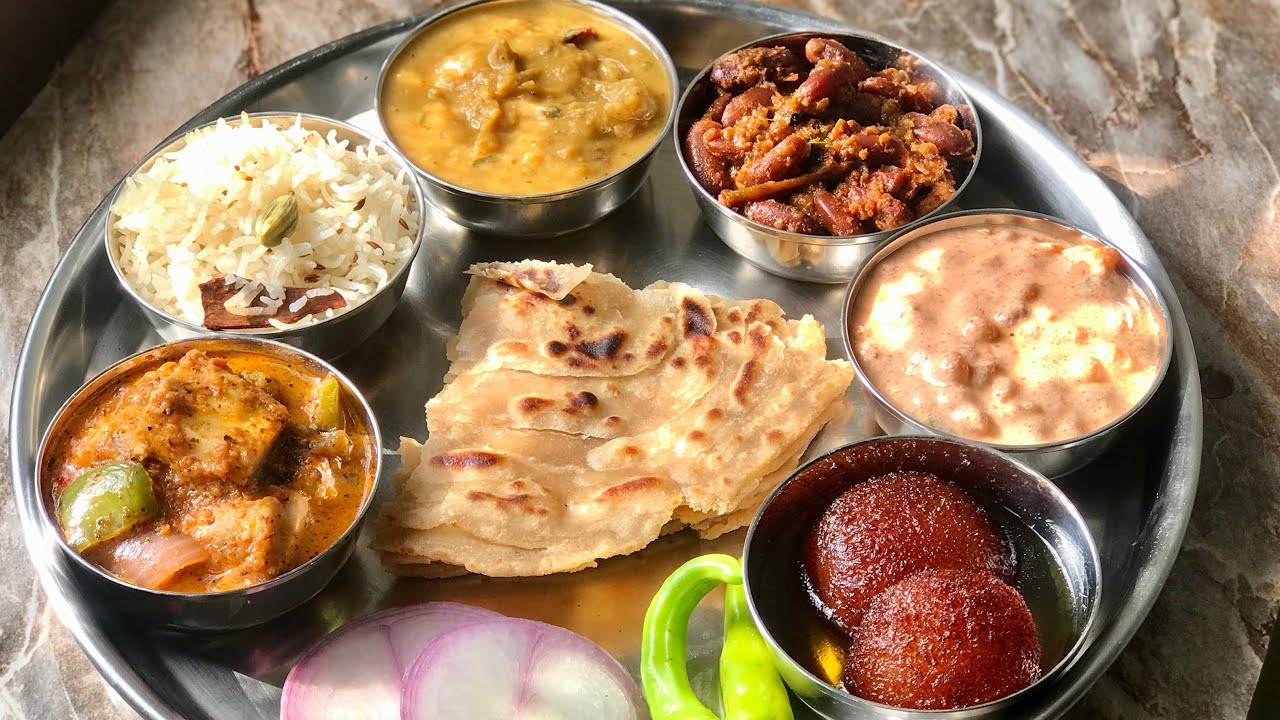

Pull up a chair. Take a taste. Come join us. Life is so endlessly delicious. -Ruth Reichl
Indian food is an important part of its cultural diversity. Wherever the word ‘culture’ is mentioned, ‘food’ goes hand in hand. In India, eating is not just a mere necessity for the sake of survival, it defines the importance of social and cultural heritage. Besides the rich history of India, its food has also gained prominence.
Indian food varies extensively from North to South. Needless to mention, one can define each region by the special cuisines they embrace. This is the reason people learn and cherish every recipe, irrespective of the place. If you too are curious to try your hand in various Indian food recipes, you can choose from several options here. So, let’s begin with some of the beloved traditional Indian cuisines.


Indian Food Guide: Things To Know About Indian Food
Indian food is known for its diversity and complexity, with a wide range of flavors and cooking techniques that vary from region to region. Here are some things to know about Indian food:
- Spices: Indian cuisine is famous for its use of spices, including cumin, coriander, turmeric, cardamom, and cinnamon, to name a few. These spices are used in varying combinations to create the distinct flavors and aromas of Indian dishes.
- Vegetarianism: Many Indians are vegetarian or follow a vegetarian diet due to cultural or religious reasons. As a result, vegetarian dishes are prevalent in Indian cuisine, and even meat-based dishes are often accompanied by vegetarian sides.
- Regional variations: Indian cuisine is incredibly diverse, with different regions having their own unique styles and flavors. For example, South Indian cuisine features a lot of rice and lentil dishes, while North Indian cuisine tends to use more dairy products and wheat-based breads.
- Street food: Indian street food is incredibly popular and varied, with vendors selling everything from savory snacks like samosas and chaat to sweet treats like jalebi and kulfi.
- Tandoori cooking: Tandoori cooking involves marinating meats or vegetables in a mixture of spices and yogurt and then cooking them in a tandoor, a traditional Indian clay oven.
You can find almost everything in an Indian restaurant, from South Indian to Chinese to continental, Indian food is versatile. Always be ready for the spice, ensure you tell the restaurant the amount of spice you want in your food before eating!
Traditional Indian Dishes To Make at Home
Indian traditional dishes are a variety of cuisines influenced by tradition, culture, region, and subcontinent. These traditional dishes hold great importance during social gatherings such as marriages, festivals, and important days celebrated in India. Not only that, people love to cook these at home as well. Here are the top most popular traditional Indian dishes to make at home-
Rogan Josh
With love, all the way from Kashmir, rogan josh is an aromatic lamb curry. Originally, it has its root in Persia. The dish includes a number of spices like garlic, ginger, chillies alongside tomatoes. Rogan is a delicious main course that can be served with plain rice, pulao or roti.
Murgh Makhani or Butter Chicken
It is among the top-ordered dishes in Indian restaurants. Having its origin in Northern India, butter chicken is loved by non vegetarian people in the entire country. The dish uses ingredients like olive oil, onion, garlic, ginger, chillies and butter. It is garnished with methi leaves and can be served separately as the main course or in Indian thali alongside naan, jeera rice, dal makhani and salads.
Makki di Roti and Sarso da Saag
As the name suggests, it is one of the most loved meals by the Punjabi community in India. Originating in Punjab itself, the food is a combination of cornflour bread that is Makki di roti and mustard leaves preparation which is known as sarso da saag in Punjabi. It is another easiest dish to cook at home. Although it looks like a common meal, its taste and essence are something that can draw your attention.
Chole or Chickpea Curry
Chole is not only a favourite among the people of India, especially in the North, it has also become a sensation worldwide. It is one of the most popular dishes that is ordered in restaurants. In addition to that, it is also cooked in many houses since the recipe is very easy. It can be served with puri or paratha.
Palak Paneer
Paneer or cottage is considered the most lavish food for vegetarians in India. Palak paneer is the combination of spinach (palak) and cottage cheese (paneer). It is an easy-to-cook dish where cubed and pan-fried paneer is added in mildly flavoured pureed spinach. It is served with roti.
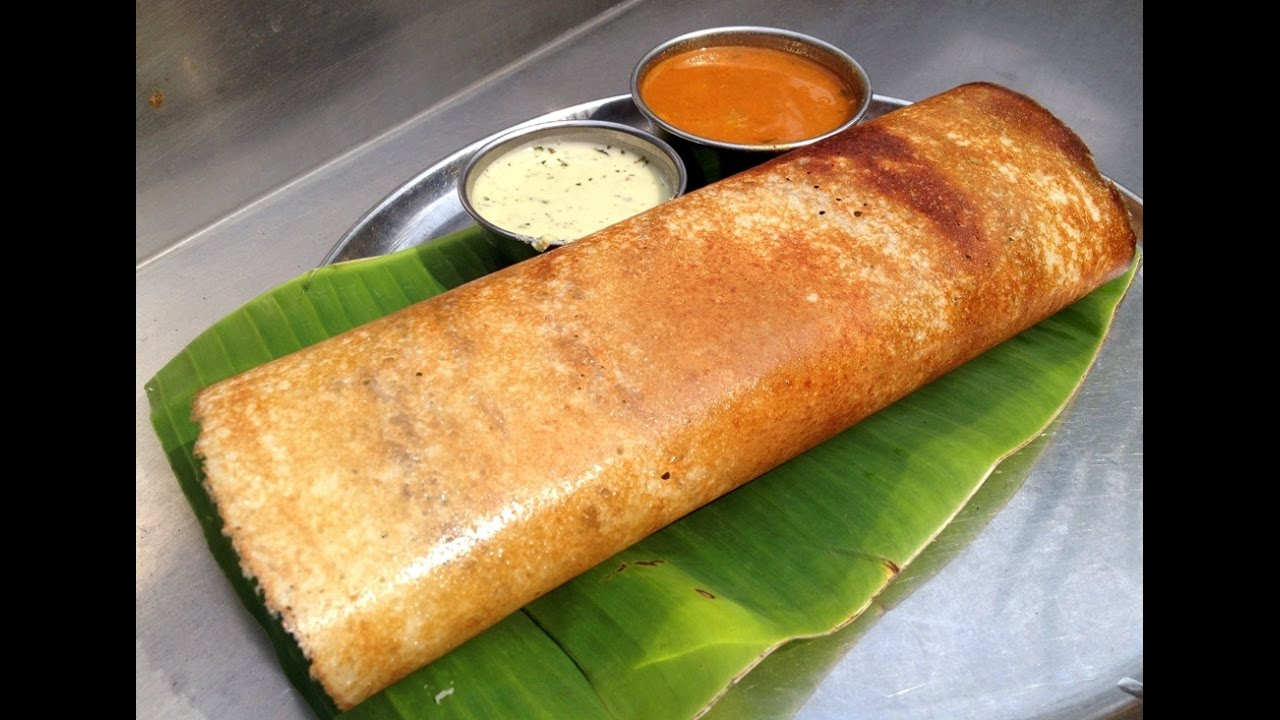
Masala Dosa
It is one of the most popular dishes in the South. It is a rice-based food. The dosa can be described as a thin pancake that is crispy. It is filled with mildly flavoured potato and served with a choice of coconut chutney and spicy sambar.
In addition to these, there are rajma chawal, chicken tikka, pulao, vada pav, dhokla, etc. This food belongs to different regions of the country but is prepared all over India. Most of the time, you will find street stalls preparing such meals.
If you want to learn cooking, you can check the recipe from Google or watch video tutorials on YouTube. You can also join cooking classes where you learn almost every cuisine. There are various classes in each city in India. You can find them online as well. Besides, there are private cooking tutors available too. If you reside in a remote area, you can take online classes to learn cooking.
North Indian Cuisine vs South Indian Cuisine
Grains
- North India: Wheat is the staple grain. Roti, naan, and parathas are common types of bread.
- South India: Rice is the staple grain. Dishes like dosa, idli, and rice-based meals are prevalent.
Oils
- North India: Ghee (clarified butter) and mustard oil are commonly used.
- South India: Coconut oil, sesame oil, and ghee are commonly used.
Spices and Herbs
- North India: Uses a variety of whole and ground spices like garam masala, cumin, coriander, cardamom, and cloves. Fresh herbs like coriander and mint are common.
- South India: Uses a variety of spices and spice blends like mustard seeds, curry leaves, fenugreek, tamarind, and asafoetida. Fresh curry leaves and coconut are extensively used.
Cooking Techniques
- North India:
- Dishes are often rich and creamy, using dairy products like cream, yogurt, and paneer.
- Tandoori cooking is popular, using clay ovens to prepare dishes like tandoori chicken and naan.
- Slow-cooking and simmering are common techniques for dishes like dals and curries.
- South India:
- Dishes often incorporate a balance of flavors, including sour, spicy, and tangy notes.
- Fermentation is a common technique, especially for making dosa and idli batter.
- Tempering (tadka) with mustard seeds, curry leaves, and dried red chilies is a key cooking method.
Indian food is very versatile, each state has its own charm and each use spices differently according to their taste and needs, it is important to understand the key differences between North Indian and South Indian dishes.
Guide To Indian Food (State By State)
Punjab: Known for its hearty and flavorful cuisine, Punjab offers dishes like Butter Chicken (Murgh Makhani), Tandoori Chicken, and Sarson da Saag with Makki di Roti (mustard greens with cornbread). Some other famous Punjabi dishes:
- Punjabi Kadhi Pakora: A yogurt-based curry flavored with fenugreek seeds, turmeric, and other spices, with deep-fried gram flour (besan) dumplings (pakoras) added for texture and flavor.
- Rajma Chawal: Red kidney beans cooked in a thick tomato-based gravy, seasoned with aromatic spices, and served with steamed rice (chawal). It's a comforting and satisfying meal.
- Punjabi Lassi: A refreshing drink made from yogurt, water, and sugar, often flavored with cardamom or rose water. It can be served plain or with a dollop of cream on top.
Gujarat: Famous for its vegetarian cuisine, Gujarat's specialties include Dhokla (steamed fermented rice and chickpea flour cake), Khandvi (gram flour rolls), and Undhiyu (mixed vegetable curry). Here are some famous Gujarati dishes you must try making at home:
- Dhokla: Dhokla is a steamed savory cake made from fermented rice and chickpea flour batter. It's light, fluffy, and mildly tangy. You can make it using a dhokla steamer or even in a microwave. Dhokla is typically served with green chutney and a tempering of mustard seeds, curry leaves, and green chilies.
- Khandvi: Khandvi is a savory snack made from gram flour (besan) and yogurt. The batter is cooked until thick, spread thin on a surface, and rolled into tight rolls once cooled. These rolls are then garnished with grated coconut, chopped coriander leaves, and mustard seeds tempered in oil.
- Thepla: Thepla is a spiced flatbread made from whole wheat flour, fenugreek leaves (methi), and spices. The dough is rolled out into thin circles and cooked on a hot griddle with oil until golden brown. Theplas are perfect for breakfast, lunch, or as a snack, and they pair well with yogurt, pickles, or chutney.
Maharashtra: Maharashtra offers a diverse range of dishes, including the spicy and tangy Vada Pav (potato fritter in a bread roll), Misal Pav (spicy sprouted bean curry with bread), and Pav Bhaji (vegetable curry served with bread).
- Sabudana Khichdi: Sabudana Khichdi is a fasting dish made from soaked tapioca pearls (sago) cooked with peanuts, potatoes, green chilies, and spices. It's a popular dish during religious festivals like Navratri and is typically served with yogurt or sweetened coconut chutney.
- Bharli Vangi: Bharli vangi is a traditional Maharashtrian dish made from small eggplants stuffed with a spicy mixture of coconut, peanuts, sesame seeds, tamarind, and spices. The stuffed eggplants are cooked until tender and served with roti or rice.
- Puran Poli: Puran poli is a sweet flatbread made from a dough of wheat flour stuffed with a sweet filling of cooked lentils (chana dal), jaggery (unrefined cane sugar), cardamom, and nutmeg. It's often enjoyed during festivals like Holi and Ganesh Chaturthi.
Kerala: Known for its use of coconut and spices, Kerala's cuisine features dishes like Fish Curry with Coconut Milk, Appam (rice pancakes), and Avial (mixed vegetable curry with coconut).
Tamil Nadu: Tamil Nadu's cuisine is characterized by its rich flavors and extensive use of spices. Popular dishes include Dosa (fermented rice and lentil crepe), Idli (steamed rice cake), and Sambar (spicy lentil soup).
Rajasthan: Rajasthan's cuisine is influenced by its arid climate, with dishes like Dal Baati Churma (lentils with baked dough balls and crushed wheat), Gatte ki Sabzi (gram flour dumplings in spicy curry), and Laal Maas (spicy red meat curry).
West Bengal: West Bengal's cuisine is known for its seafood dishes and sweets. Signature dishes include Machher Jhol (fish curry), Kosha Mangsho (spicy mutton curry), and Rasgulla (spongy sweet made of cottage cheese).
Uttar Pradesh: Uttar Pradesh offers a variety of vegetarian and non-vegetarian dishes. Popular options include Lucknowi Biryani (fragrant rice dish with meat), Aloo Paratha (potato-stuffed flatbread), and Chaat (savory snacks).
Assam: Assamese cuisine features a mix of rice, fish, and leafy greens. Signature dishes include Masor Tenga (sour fish curry), Khaar (alkaline curry), and Aloo Pitika (mashed potatoes with mustard oil and onions).
Karnataka: Karnataka's cuisine is diverse, with dishes like Bisi Bele Bath (spicy rice and lentil dish), Mysore Masala Dosa (Dosa with spicy potato filling), and Ragi Mudde (finger millet balls).
Also, if you are someone who loves to cook, then exploring Indian dishes can be a great idea. Trying new recipes every day can help you become an expert. The best part is, that you can also start cooking school or work as a cooking teacher to earn a decent living. Just look for the right platform that can help you get in touch with a professional cooking teacher.
Indian Spices In Indian Food (Flavors In Indian Food)
Indian cuisine is renowned for its bold and complex flavors, which are achieved through the skillful use of a wide variety of spices and herbs. Here are some of the key spices and flavors commonly found in Indian food:
- Garam Masala (गरम मसाला): A blend of ground spices such as cinnamon, cardamom, cloves, cumin, coriander, and black pepper, garam masala adds warmth and depth of flavor to dishes. It's often used as a finishing spice in Indian cooking.
- Turmeric (Haldi): Known for its vibrant yellow color, turmeric has a warm, earthy flavor and is commonly used in curries, rice dishes, and marinades. It also has anti-inflammatory properties and is used in traditional Indian medicine.
- Cumin (Jeera): Cumin seeds or ground cumin are widely used in Indian cooking to add a nutty and slightly bitter flavor. They are often toasted or fried in oil to release their aromatic oils before being added to dishes.
- Coriander (Dhaniya): Coriander seeds and ground coriander powder are essential in Indian cuisine. They have a citrusy, slightly sweet flavor and are used in both whole and ground form in curries, chutneys, and spice blends.
- Cardamom (Elaichi): Cardamom pods contain small black seeds with a sweet, floral aroma. Both green and black cardamom are used in Indian cooking to flavor desserts, rice dishes, chai tea, and savory dishes like biryani and curry.
- Cloves (Laung): Cloves have a strong, pungent flavor with a hint of sweetness. They are often used whole or ground in Indian cuisine to flavor curries, rice dishes, pickles, and masala chai.
- Cinnamon (Dalchini): Cinnamon sticks or ground cinnamon add warmth and sweetness to Indian dishes. They are used in both sweet and savory preparations, including curries, rice dishes, desserts, and drinks.
- Chili Peppers: Indian cuisine makes extensive use of chili peppers to add heat and flavor to dishes. Both fresh green chilies and dried red chilies are used in various forms, from whole to powdered, to create spicy curries, chutneys, and pickles.
- Fenugreek (Methi): Fenugreek seeds and dried fenugreek leaves (kasuri methi) are used to add a slightly bitter and nutty flavor to dishes. Fenugreek seeds are often toasted and ground or used whole in curries and spice blends, while dried fenugreek leaves are used to flavor sauces and bread.
- Curry Leaves: Curry leaves have a distinct aroma and flavor that adds depth to Indian dishes. They are commonly used in tempering (tadka) to flavor soups, stews, curries, and rice dishes.
These are just a few examples of the many spices and flavors that contribute to the rich and diverse tapestry of Indian cuisine. So, if you are trying out Indian food for the 1st time, remember that Indian food has spices very different from Western countries. If you are travelling to India, ensure you research on the food & cuisines of that state.
Enjoy Indian food and its numerous flavors!
Summarise with AI:
Did you like this article? Leave a rating!

 Loading...
