


Driving on an Indian highway is very different from navigating city traffic. Speeds are higher, stopping distances are longer, and a relatively clear road can create a false sense of security. At the same time, highways may include trucks, buses, motorcycles, tractors, pedestrians, animals, and vehicles entering from local roads.
For a beginner, the key is not to drive as fast as possible but to maintain a controlled, predictable pace while continuously reading the road ahead.
These highway driving tips focus specifically on Indian highway conditions, including lane discipline, overtaking, toll plazas, heavy vehicles, blind curves, fatigue and night driving.
Follow the speed limits, road signs and applicable traffic regulations for the specific highway. Conditions and restrictions can vary between road stretches.


Before you enter the highway: Essential checklist
Safe driving begins before the car leaves the driveway. A five-minute inspection can identify problems that could become serious at higher speeds.
- Tyres: Check tyre pressure, visible damage and tread condition. Apollo Tyres recommends inspecting tyres before long journeys.
- Fuel: Start with adequate fuel and identify likely fuel stops, particularly on less-developed stretches.
- Mirrors: Adjust the IRVM and ORVMs before entering the highway.
- FASTag: Check that your FASTag is properly affixed, active, and has sufficient balance. NHAI's FASTag guidance notes that the tag should be affixed to the windscreen and have adequate balance for toll transactions.
- Documents: Carry or have access to the required driving and vehicle documents. Government services such as mParivahan provide access to digital DL, RC and vehicle-related information.
- Lights and wipers: Check headlights, brake lights, indicators and wipers.
- Rest: Do not begin a long journey when already tired. Plan breaks before fatigue becomes severe.
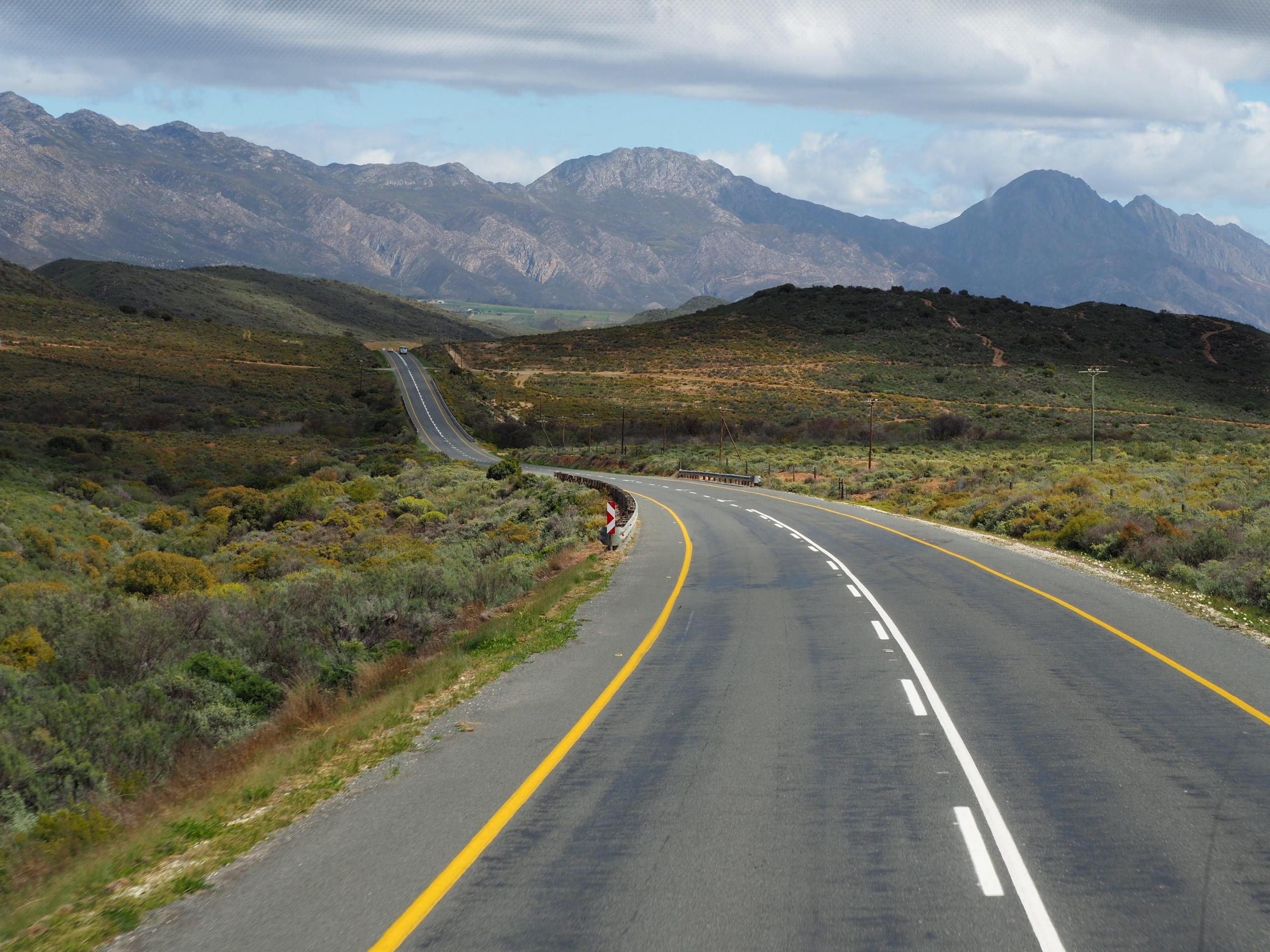
Also check the spare tyre or tyre-repair kit and ensure your phone is charged. If you use navigation, set the route before starting rather than handling the phone while driving.
Highway driving safety tips for managing speed
One of the most important highway driving safety tips is to understand that the legal speed limit is not necessarily the appropriate speed for every situation.
Your speed should also reflect visibility, traffic density, weather, road surface, your vehicle, and your own experience.
Maintain a controlled cruising speed
Avoid repeatedly accelerating and braking. A steady, comfortable speed generally makes highway driving less stressful and gives you more time to anticipate what is happening ahead.
Do not increase speed simply because the road looks empty. Indian highways can have unexpected hazards such as animals, pedestrians, slow-moving vehicles, road debris, or vehicles entering from local access roads. Apollo Tyres similarly recommends staying within posted speed limits and adapting to weather conditions.
Increase your following distance
At highway speeds, the gap between vehicles is your reaction buffer.
If the vehicle ahead brakes suddenly, a small following gap can disappear in seconds. Increase the distance when:
- It is raining.
- Visibility is poor.
- Traffic is heavy.
- You are behind a large truck or bus.
- The road surface is uneven.
- You are approaching a construction zone.
A driver-training manual hosted by Team-BHP recommends a five-second gap in highway construction zones, illustrating how much additional space may be necessary when conditions become difficult.
Highway driving rules in India: lane discipline
Lane discipline becomes increasingly important as highway speeds increase.
On divided multi-lane roads, avoid treating lanes as interchangeable. Follow the road's markings, signs and local rules, and generally keep left when you are not overtaking, unless the road layout or signs require otherwise.
Understand the overtaking lane
The rightmost lane on many Indian multi-lane highways is used for overtaking, but lane arrangements can differ depending on the road design and signage.
Do not remain in the overtaking lane unnecessarily after completing a pass. Move back when it is safe and appropriate.
Apollo Tyres also recommends using the right lane for overtaking and maintaining a safe distance from heavy vehicles.
Signal before changing lanes
Use indicators early enough for surrounding drivers to understand your intention. Check mirrors and blind spots before moving.
Do not assume that because you have switched on the indicator, the lane is yours. Wait for a safe gap.
Avoid weaving through traffic to save a few minutes. Frequent lane changes increase the number of decisions you have to make at high speed.
4-lane highway driving rules in India
On a typical four-lane divided highway, there are two lanes in each direction. However, lane markings, speed restrictions and local traffic arrangements can vary, so always follow the signs on the particular road.
Keep a predictable position
If you are cruising rather than overtaking, maintain a steady lane position. Avoid drifting between lanes.
Look well ahead for:
- Slow-moving trucks
- Buses stopping or merging
- Construction zones
- Lane closures
- Toll plazas
- Exit ramps
- Broken-down vehicles
Be particularly careful during lane changes
Before moving across a lane, check your mirrors, signal, check the blind spot, and move only when there is sufficient space.
Do not make a sudden two-lane change to catch an exit. If you miss an exit, continue safely and follow the next available route rather than attempting an abrupt manoeuvre.
Overtaking trucks and buses safely
Overtaking is one of the most important driving skills for a highway beginner.
Heavy vehicles have larger blind spots, longer stopping distances and slower acceleration. Their drivers may also have limited visibility around the sides and rear.
Plan the overtake
Before overtaking, ask yourself:
- Can I see far enough ahead?
- Is the lane clear?
- Is there sufficient space to complete the manoeuvre?
- Is another vehicle already approaching quickly?
- Am I approaching a curve, junction or other restricted-visibility area?
If the answer to any of these is uncertain, wait.
Complete the manoeuvre smoothly
Signal, check your surroundings and move into the appropriate overtaking lane when safe. Maintain a controlled speed rather than accelerating aggressively.
Once you have safely passed the vehicle, do not immediately cut back in front of it. Leave adequate clearance before returning to your lane.
Blind curves, village crossings and unexpected hazards
A highway can look controlled until the road geometry changes.
Slow down before blind curves
A blind curve is one where you cannot see far enough ahead to identify hazards around the bend.
Do not enter it at a speed that leaves you unable to stop safely within the visible road ahead.
Be particularly alert on highways passing through rural areas. Team-BHP's Indian-highway guidance highlights the possibility of cattle, pedestrians, motorcycles and local traffic appearing unexpectedly, particularly around village access points.
Watch for local traffic
National and state highways often pass close to villages and agricultural areas. You may encounter tractors, motorcycles, pedestrians, animals or vehicles crossing the highway.
Do not assume that a divided highway eliminates these risks.
Toll plazas: plan early
Toll plazas require a change from highway-speed driving to controlled, slower movement.
Start reducing speed well before the plaza and identify the appropriate lane.
NHAI guidance says FASTag users should approach toll plazas at reduced speed where required and follow the designated FASTag or mixed-lane markings.
Avoid last-second lane changes
Do not suddenly cross several lanes because another queue appears shorter.
Pick the appropriate lane early, maintain a safe gap and be patient if the queue slows down.
Remember that another vehicle ahead may have a FASTag issue, insufficient balance or another transaction problem. Excessive honking will not resolve it.
Night highway driving risks
Night driving requires additional caution because visibility is reduced and some hazards become harder to detect.
Potential risks include:
- Pedestrians in dark clothing
- Animals
- Unlit vehicles
- Road debris
- Broken-down vehicles
- Glare from oncoming headlights
- Driver fatigue
- Parked vehicles
Use headlights responsibly
Use the appropriate beam for the conditions and avoid dazzling oncoming drivers. Dip high beams when approaching or following another vehicle where appropriate.
Keep the windscreen clean because glare from headlights becomes worse through a dirty or smeared windscreen.
If you are a new driver, gain highway experience during daylight before attempting long-distance night journeys.
Fatigue: one of the biggest highway risks
Long, monotonous stretches can create mental fatigue even when the road appears easy.
Warning signs include:
- Frequent yawning
- Heavy eyelids
- Difficulty remembering the last few kilometres
- Missing road signs
- Drifting within your lane
- Reduced concentration
Do not try to overcome severe drowsiness by turning up the music or opening the window.
Take planned breaks
Plan a stop approximately every few hours, or earlier if you begin feeling tired. Get out, walk around, hydrate and reset before continuing.
Apollo Tyres recommends taking regular breaks on long journeys, while Team-BHP's highway guidance also suggests stopping periodically to stretch and refresh.
If you are genuinely sleepy, stop at a safe location and rest. Reaching your destination later is preferable to continuing while impaired by fatigue.
Highway driving tips for bad weather
Weather can transform a straightforward highway into a high-risk environment.
During heavy rain, reduce speed and increase your following distance. Standing water can conceal road damage and reduce tyre grip.
Fog requires even more caution. Reduce speed according to visibility and avoid using lighting in a way that creates excessive glare.
Do not attempt to "beat" a storm by maintaining your normal speed. Apollo Tyres advises adjusting speed to weather and road conditions rather than treating the posted speed as a target.
What to do if your car breaks down
A breakdown on a highway can expose you to fast-moving traffic.
If possible, move the vehicle to a safe location away from the main traffic path. Switch on hazard warning lights when appropriate and make yourself visible to approaching traffic.
Do not stand unnecessarily on the carriageway. Keep passengers away from moving traffic and use the highway operator's emergency assistance where available.
NHAI operates a highway assistance system, and its toll-plaza documentation references the 1033 call centre for highway-related assistance.
Quick highway driving tips
1. A full car behaves differently from a lightly loaded car
Passengers and luggage add weight and can affect acceleration, braking and handling. Team-BHP specifically notes that a fully loaded vehicle may not steer, handle or brake like a lightly loaded one.
2. FASTag is not limited to National Highways
NHAI's FASTag FAQ notes that the electronic tolling system has also been extended to state toll plazas. Coverage continues to evolve, so checking the applicable toll arrangements for your route can be useful.
3. A smooth driving style can also reduce fuel consumption
Frequent rapid acceleration and braking wastes momentum. Apollo Tyres notes that rapidly changing vehicle speeds can increase fuel consumption significantly.
Final takeaway
The best highway driving tips are built around preparation, anticipation and consistency.
Before leaving, check your tyres, fuel, lights, mirrors, FASTag and documents. On the road, maintain a safe speed, leave adequate following distance and follow lane markings. Overtake only when you have sufficient visibility and space, and give trucks and buses the respect their size and blind spots demand.
Be especially cautious around blind curves, village crossings, toll plazas and roadworks. At night or in poor weather, reduce your speed and increase your attention. Most importantly, never underestimate fatigue.
Highway driving becomes easier with experience, but experience should be built gradually. For a beginner, the objective is not to drive like an experienced highway traveller on the first trip—it is to develop habits that make every subsequent journey safer.
Summarise with AI:
Did you like this article? Leave a rating!

 Loading...

