Learning to drive a car involves much more than operating the accelerator, brake and steering wheel. On Indian roads, beginners must learn to manage busy city traffic, two-wheelers, pedestrians, potholes, narrow roads, frequent honking and constantly changing road conditions.
The fundamentals of driving remain the same, but India's mixed-traffic environment requires strong observation and anticipation. A new driver needs to understand not only how the car behaves, but also how other road users may behave around it.
This guide covers the essential car driving tips for beginners, from basic vehicle control and steering to road positioning, traffic awareness, monsoon driving and common mistakes. It also introduces four important areas—parking, highway driving, night driving and defensive driving—that are covered in greater detail in dedicated guides.


Key driving skills at a glance
- Understand the car's controls before driving.
- Adjust the seat and mirrors correctly.
- Develop smooth accelerator, brake and clutch control.
- Learn accurate steering and road positioning.
- Check mirrors and blind spots before manoeuvring.
- Use indicators consistently.
- Maintain a safe following distance.
- Anticipate two-wheelers, pedestrians and other unpredictable road users.
- Adjust speed for traffic, weather and road conditions.
- Learn to handle potholes, speed breakers and narrow roads.
- Stay calm when faced with honking or impatient drivers.
- Practise parking, highway, night and defensive driving progressively.
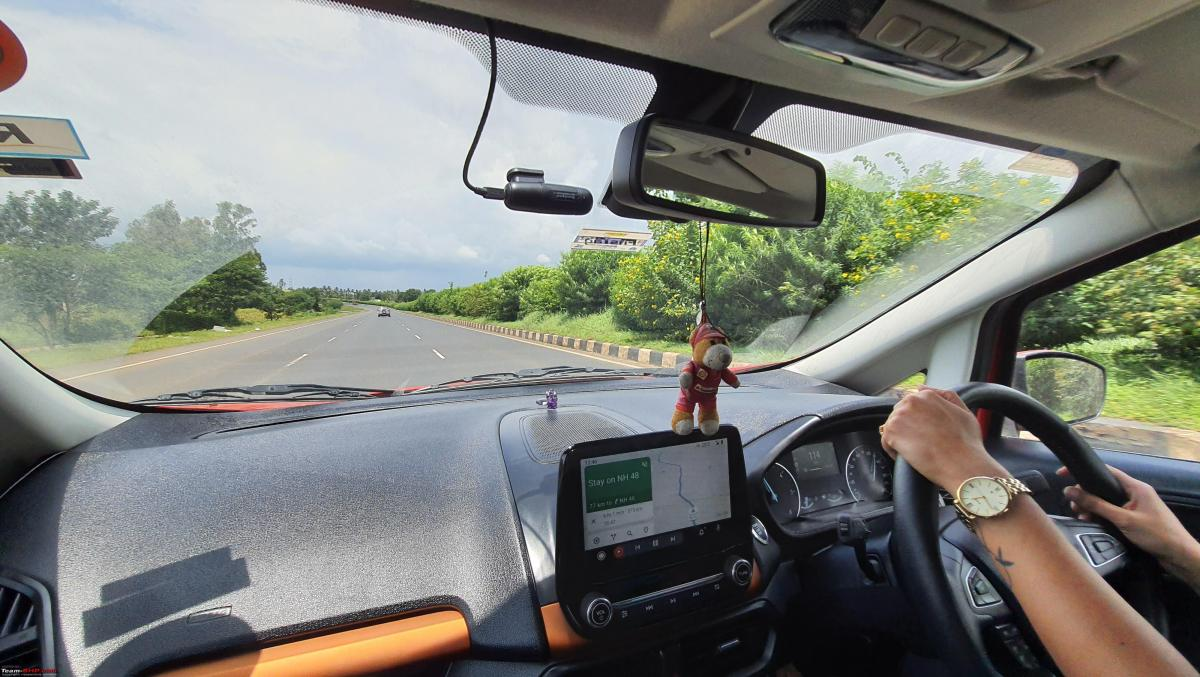
Why car driving for beginners can be challenging in India
Indian roads often bring together several types of road users. A single urban road can have cars, motorcycles, scooters, buses, auto-rickshaws, bicycles, pedestrians and delivery vehicles sharing limited space.
Road conditions can also change quickly. A smooth road may suddenly have a pothole, an unmarked speed breaker or a parked vehicle blocking part of the lane. During the monsoon, standing water can make potholes and damaged road surfaces difficult to identify.
For beginners, therefore, good driving is as much about situational awareness as it is about vehicle control.
Start in a controlled environment
Early practice should take place in an open, low-traffic area. Use this stage to become comfortable with:
- Starting and stopping
- Steering
- Gentle turns
- Braking
- Gear changes
- Clutch control in a manual car
- Reversing
- Basic vehicle positioning
Once these actions become more natural, gradually move to quiet residential roads and then heavier traffic.
Structured driving education similarly combines practical vehicle control with knowledge of traffic rules and safe driving practices.
Essential car driving skills every beginner should master
The most important car driving skills are those that help you control the vehicle smoothly and respond to changing road conditions without sudden movements.
1. Know your car's controls
Before moving, identify the accelerator, brake, clutch if applicable, gear selector, parking brake, indicators, headlights, wipers, horn, hazard lights, and mirrors.
You should know where these controls are without looking away from the road. If you are driving an unfamiliar car, take a few minutes to understand its controls before entering traffic.
2. Set your seat and mirrors
A comfortable driving position improves control and visibility. Adjust the seat so you can operate the pedals without stretching and maintain good support for your back.
Set the rear-view and side mirrors after adjusting your seat. Remember that mirrors reduce blind spots but do not eliminate them.
3. Practise smooth acceleration and braking
Beginners frequently accelerate or brake too sharply. Smooth pedal control makes the car more predictable and comfortable.
Look ahead and anticipate stops rather than waiting until the last moment to brake. In slow traffic, avoid repeatedly accelerating hard and immediately braking.
For manual cars, spend sufficient time learning clutch engagement and gear changes in a safe area.
4. Develop accurate steering control
Steering should be deliberate and progressive. Practise gentle turns and learn how much steering input your particular car requires.
Look further ahead rather than focusing only on the area immediately in front of the bonnet. This helps you anticipate bends, obstacles and changes in traffic.
5. Improve your side judgement
Judging the car's position can initially be difficult. Beginners may struggle to estimate the distance between their car and a wall, parked vehicle, motorcycle or road edge.
Practise slowly in an open area and use your mirrors as references. Over time, you will develop a better understanding of the vehicle's dimensions.
Do not rely entirely on parking sensors or cameras. They are assistance systems, not replacements for observation.
6. Use mirrors and indicators correctly
Before changing direction or position, check your mirrors and the surrounding area. Use indicators to communicate your intention, but remember that signalling does not automatically give you the right of way.
A useful habit is:
Mirror → signal → check → manoeuvre.

Driving tips for beginners in Indian city traffic
City traffic requires constant observation because road users and road conditions can change within seconds.
Watch two-wheelers carefully
Motorcycles and scooters are a major part of Indian traffic. They can appear beside a car quickly, particularly in congested conditions.
Before changing lanes or turning:
- Check your mirrors.
- Check the relevant blind spot.
- Signal early.
- Avoid squeezing into narrow gaps.
- Maintain adequate clearance from two-wheelers.
Do not accelerate simply because another vehicle is attempting to pass.
Be alert around pedestrians
Pedestrians may emerge from behind buses, parked vehicles or roadside shops. Take extra care near schools, hospitals, markets, bus stops and residential areas.
Children and older pedestrians may require additional time to cross. Reduce speed and be prepared to stop.
Do not let honking pressure you
Persistent honking can make a new driver feel rushed. Do not allow another motorist's impatience to determine your decisions.
If you need additional time to assess a junction or narrow passage, take it safely. Predictable and controlled driving is more important than reacting to every horn.
Handle narrow roads patiently
On narrow Indian roads, slow down and anticipate oncoming vehicles, parked cars, pedestrians, motorcycles, roadside stalls and animals.
Do not force your way through a gap simply because a vehicle behind you is honking. If necessary, stop safely and allow the situation to resolve.
Car driving tips for beginners for potholes and monsoon conditions
Potholes and uneven surfaces require early observation and speed control.
Approach potholes carefully
Look ahead for damaged surfaces and reduce speed before reaching a pothole. Check surrounding traffic before changing your path.
Avoid making a sudden steering movement at the last second if doing so could put another road user at risk.
Be cautious during monsoon driving
Rain can reduce visibility and tyre grip, while standing water can conceal potholes and road debris.
During wet conditions:
- Reduce speed.
- Increase following distance.
- Brake and steer smoothly.
- Avoid sudden lane changes.
- Watch for pedestrians and two-wheelers.
- Be cautious around standing water.
If visibility becomes significantly impaired, prioritise safety rather than maintaining your normal pace.
How to develop better driving skills
Becoming a competent driver requires deliberate practice rather than simply spending hours behind the wheel.
A useful progression is:
Controlled area → quiet road → residential traffic → moderate city traffic → busy roads → unfamiliar routes.
Focus on a few skills during each session. For example, one session can concentrate on braking and steering, while another focuses on mirrors, indicators and road positioning.
A qualified instructor can identify habits that a beginner may not notice. Beginner-driving resources also emphasise maintaining concentration, following traffic rules and avoiding distractions.
Avoid common beginner mistakes
Some habits can undermine otherwise good driving skills:
- Following the vehicle ahead too closely
- Changing lanes without checking properly
- Braking at the last moment
- Excessive lane switching
- Driving faster because other motorists are impatient
- Looking only at the vehicle immediately ahead
- Using a phone while driving
- Ignoring fatigue
- Relying completely on cameras and sensors
Good driving is about anticipation. Look beyond the immediate vehicle ahead and identify what may require you to slow down or change direction.
Parking, highway, night and defensive driving: what's next?
The fundamentals above provide the foundation for more specialised driving situations. Four topics deserve separate, detailed guidance.
Parking skills
Parking requires precise steering, spatial judgement and controlled movement. Beginners should progressively learn parallel, reverse and perpendicular parking.
Read next:How to Park a Car: Parallel, Reverse and Perpendicular Parking
Highway driving
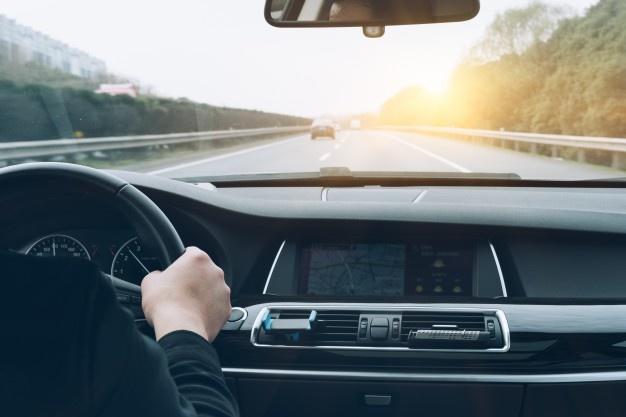
Highway driving introduces higher speeds, lane discipline, merging, overtaking, longer stopping distances and fatigue management.
Night driving
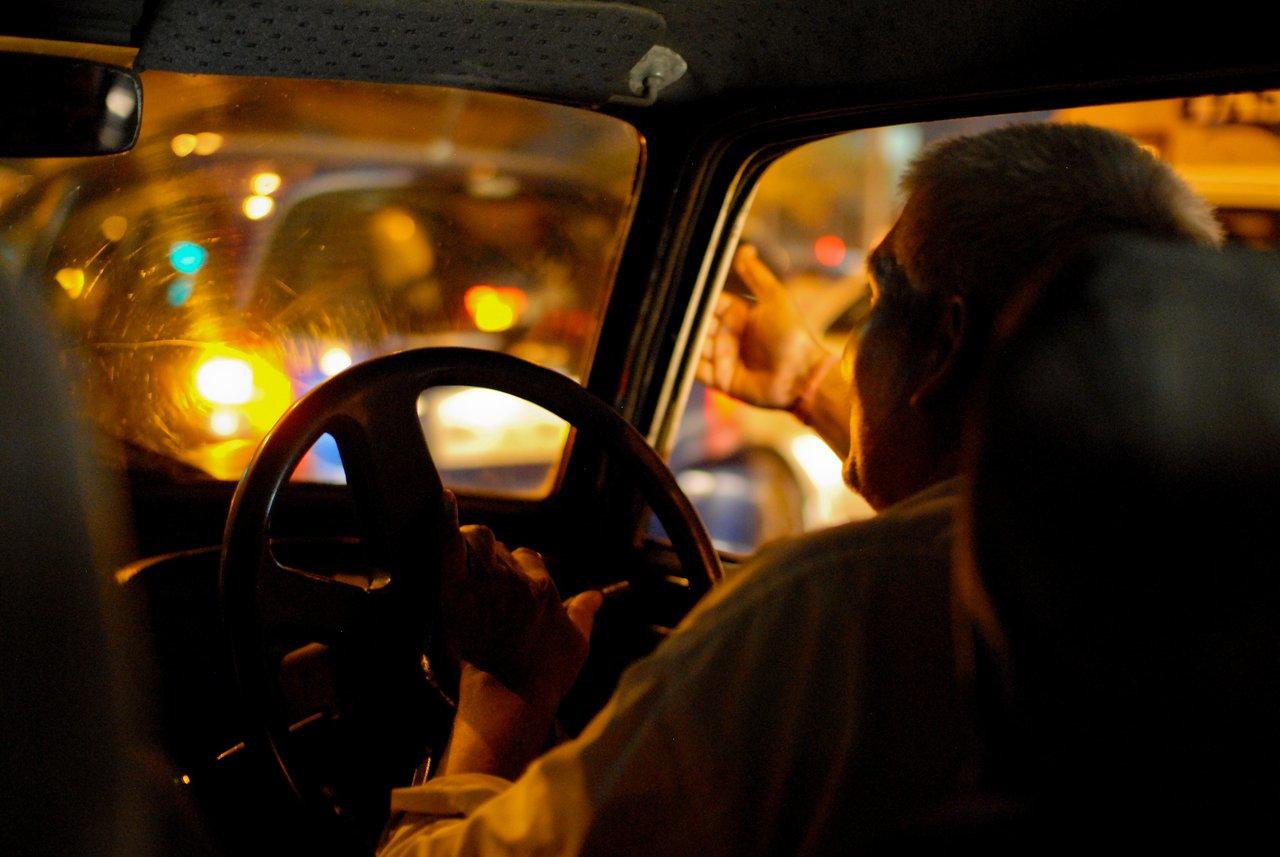
Driving after dark requires greater attention to visibility, headlights, road hazards and changing perception of distance.
Defensive driving
Defensive driving focuses on anticipating potential hazards and maintaining enough time and space to respond to other road users.
Basic vehicle checks before driving
Driving ability is only one part of road safety. The vehicle should also be in suitable condition.
Before driving, make a quick check of:
- Tyres and tyre pressure
- Brakes
- Headlights and indicators
- Mirrors
- Windscreen and wipers
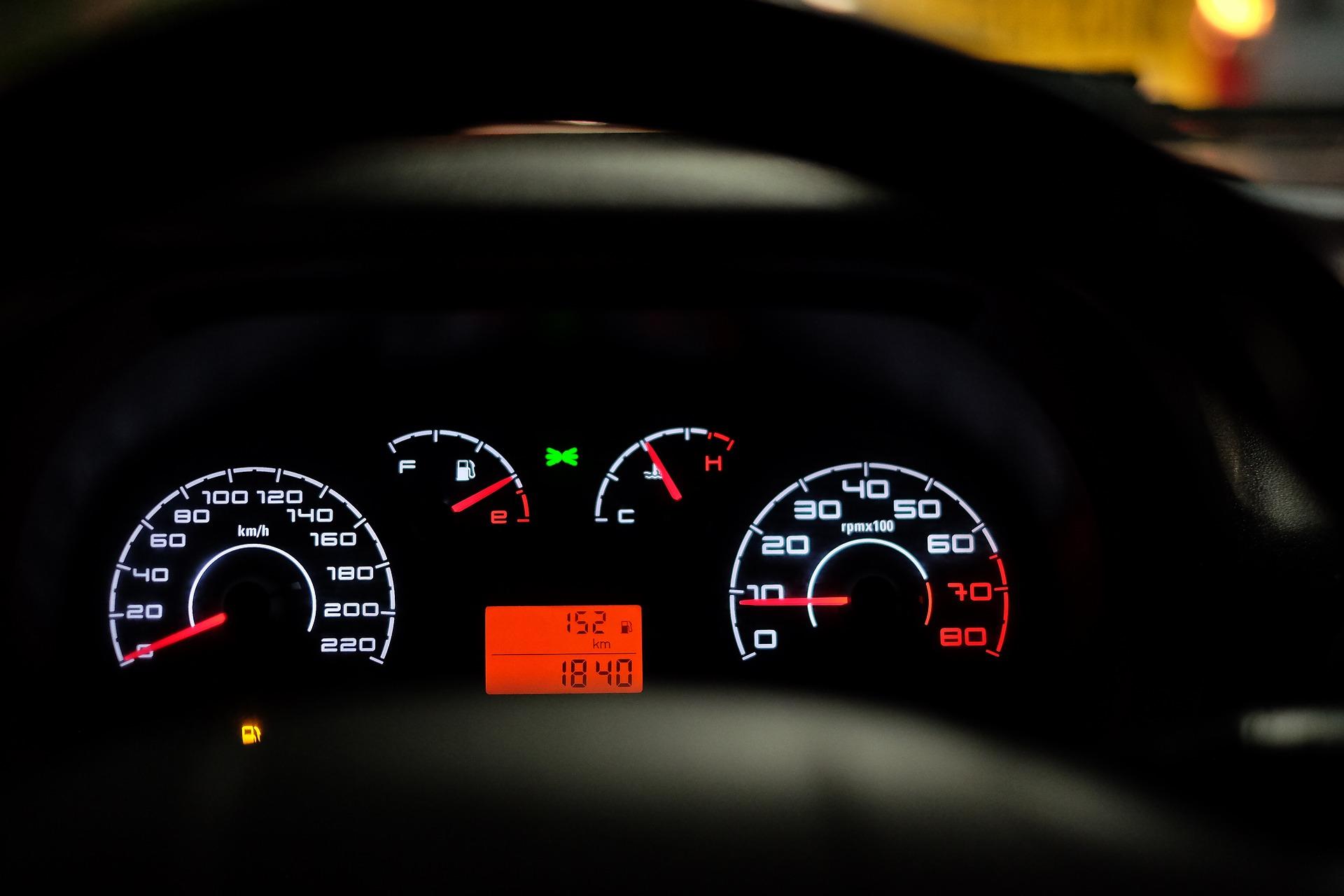
- Warning lights
- Fuel or battery range
- Seat belts
Tyres deserve particular attention because they provide the vehicle's contact with the road. Regular inspection can help identify damage or abnormal wear before it becomes a bigger problem.
Useful videos for beginners
Supplementary visual and audio resources can reinforce concepts, although they should not replace supervised practical training.
Remember...
Your tyres are the car's only road contact
Modern cars contain sophisticated safety and electronic systems, but the tyres remain the physical connection between the vehicle and the road. Their condition therefore has a direct effect on grip and handling.
Simulators can support beginner training
Driving simulators can allow learners to familiarise themselves with controls and practise certain situations before progressing to real-world traffic.
Honking does not make traffic move faster
A horn can warn or alert another road user, but excessive honking cannot solve congestion. Remaining predictable and patient is generally more useful than responding to every horn.
Final takeaway
The foundation of safe driving is not speed or confidence—it is control, observation, and judgement.
For beginners on Indian roads, focus first on steering, braking, acceleration, gears, mirrors, indicators, road positioning and following distance. Then gradually learn to manage two-wheelers, pedestrians, potholes, narrow roads, honking, mixed traffic and monsoon conditions.
Practise progressively, remain calm and avoid taking risks simply because other drivers do. Strong driving skills develop through repetition, awareness and responsible decision-making.
Summarise with AI:
Did you like this article? Leave a rating!

 Loading...