
Words are, of course, the most powerful drug used by mankind.
Rudyard Kipling, Journalist and novelist
Emotive language is one of the most useful tools in persuasive writing and speech. It works by choosing words that make an audience feel something rather than simply informing them. This article is a broad introduction to emotive language: what it is, the main types with examples, and how it differs from a figure of speech. If you want to go deeper into specific techniques, we cover personification, onomatopoeia, similes, and metaphors in their own separate articles.





What Is Emotive Language?
Emotive language is the deliberate use of words and phrases chosen to trigger an emotional response in the reader or listener. Instead of stating something in a plain, neutral way, it adds feeling and tone to shape how a message is understood and remembered.
Consider the difference between "the man walked into the room" and "the exhausted man staggered into the room." The second version does not just describe an action; it makes you feel something about the man. That shift, from neutral to emotionally charged, is the emotive function of language at work.
Writers and speakers rely on it in advertising, journalism, political speeches, charity appeals, and everyday conversation. Learning to recognise it will improve both your reading comprehension and your own persuasive writing.
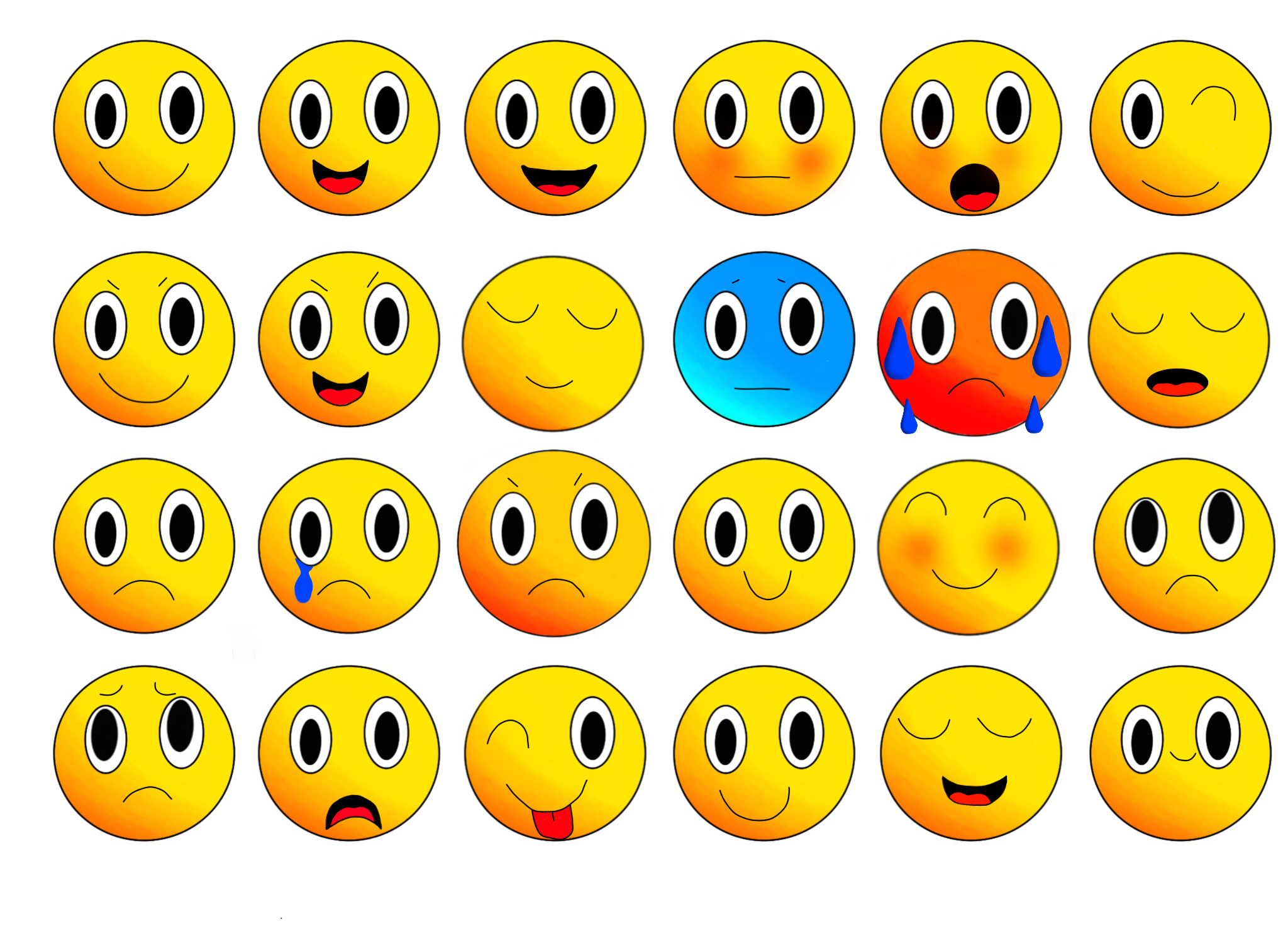
basic emotions are commonly recognised for writers to appeal to: joy, sadness, anger, fear, surprise, and disgust.
Types and Examples of Emotive Language
Emotive language is not a single trick but a family of related techniques. Below are the main types with quick examples of each. The figurative types (personification, onomatopoeia, similes, and metaphors) each have their own dedicated article, so here we simply show how each one adds emotion.
- Emotive adjectives and nouns: describing words with strong feeling built in. Devastating loss, innocent victims, heartwarming reunion, cruel decision.
- Emotive verbs: action words that carry emotional weight. She pleaded for help. The building was destroyed. Hope surged through the crowd.
- Loaded or connotative words: neutral-meaning words swapped for emotionally coloured ones. Slim versus skinny; thrifty versus stingy; freedom fighter versus rebel.
- Personification (see our full article): giving human feelings to non-human things. The storm raged through the town overnight.
- Similes (see our full article): comparisons using "like" or "as" to stir feeling. She was as fragile as glass.
- Metaphors (see our full article): direct comparisons that create emotional imagery. The city was a prison she longed to escape.
- Onomatopoeia (see our full article): words that imitate sounds to heighten mood. The bombs boomed and the sirens shrieked.
Examples of Emotive Language Sentences
Emotive language is easiest to spot when you place neutral wording next to an emotionally charged version. The information stays the same, but the feeling changes completely. These emotive language examples sentences show the effect in action.
In exam writing, emotive language can strengthen your arguments and engage the reader, but it should be used with care. Overusing emotional wording or exaggerating claims reduces clarity and can cost you marks. Aim to balance emotional impact with clear reasoning and relevant evidence.
| Neutral language | Emotive language | Effect on the reader |
|---|---|---|
| The town was damaged by the storm. | The town was devastated by the storm. | "Devastated" creates a stronger sense of destruction and sympathy. |
| The animal was thin. | The poor animal was painfully skinny. | Adds pity and encourages an emotional response. |
| The policy may affect families. | The cruel policy could tear families apart. | Makes the issue feel more personal and urgent. |
| The team lost the match. | The team suffered a heartbreaking defeat. | Emphasises disappointment and drama. |
| The speaker asked for support. | The speaker pleaded for support. | Suggests desperation and emotional intensity. |
| The area has few trees left. | The once-beautiful area has been stripped bare. | Creates a sense of loss and damage. |
| The child was hungry. | The starving child was desperate for food. | Intensifies concern and compassion. |
| The decision was unpopular. | The outrageous decision angered the public. | Frames the decision more forcefully and negatively. |
Positive Emotive Language Examples
- "Inspiring success"
- "Heartwarming story"
- "Brilliant achievement"
- "Hopeful future"
Negative Emotive Language Examples
- "Devastating loss"
- "Innocent victims"
- "Shocking failure"
- "Cruel injustice"

Emotive Language vs Figure of Speech: What Is the Difference?
Students often mix these two up, partly because they overlap. Here is the simple distinction.
A figure of speech is a device that uses words in a non-literal way, such as a metaphor, simile, personification, or onomatopoeia. Its job is to create imagery, comparison, or effect. "Time is a thief" is a figure of speech because time does not literally steal anything.
Emotive language is any wording chosen to stir emotion, whether or not it is figurative. "The starving child" contains no metaphor or simile; it is literal, yet still deeply emotive.
The key differences:
- Purpose: a figure of speech creates imagery or a non-literal comparison; emotive language creates feeling.
- Literal or not: figures of speech are non-literal by definition; emotive language is often completely literal.
- Overlap: the two frequently work together. "Her heart shattered into a thousand pieces" is both a metaphor (a figure of speech) and emotive (it makes you feel her pain).
So the two categories overlap rather than compete. A metaphor can be emotive, but not all emotive language is figurative, and not all figures of speech are emotional. Understanding this helps you analyse texts precisely in exams and avoid labelling every emotional sentence as a "figure of speech."
The Role of the Emotive Function of Language in Communication
key purposes lie behind using emotive language: persuasion, engagement, and influence.
The emotive function of language shapes how a message is received and interpreted. By appealing to feelings such as joy, anger, or fear, a writer or speaker guides how the audience reacts. Because it is powerful, it works best when used deliberately and honestly.
Persuasion and Influence
- Encourages agreement with a viewpoint
- Strengthens arguments in writing
- Widely used in advertising and politics
- Appeals to emotions rather than logic
Emotional Engagement
- Captures the reader's attention
- Builds empathy and connection
- Makes content more memorable
- Helps audiences relate to the message
Techniques for Using Emotive Language Effectively
The difference between the almost right word and the right word is really a large matter. 'Tis the difference between the lightning bug and the lightning.
Mark Twain

The choice of words matters more than anything. Strong connotations, deliberate word choice, and controlled tone do most of the work. The list below covers the everyday techniques; the figurative devices (metaphor, simile, personification, onomatopoeia) are explained fully in their own articles.
- Use powerful adjectives (e.g. "devastating", "inspiring")
- Choose verbs with strong impact (e.g. "shattered", "uplifted")
- Apply positive or negative connotations deliberately
- Use repetition to emphasise emotional points
- Vary sentence length for dramatic effect
- Ask rhetorical questions to engage the reader
- Use loaded language to influence opinion
Words with similar meanings can create very different emotional responses depending on their connotations. "Slim" has a positive tone, while "skinny" may feel negative. Choosing the right word is essential for guiding how your audience feels about a topic.
Word Choice and Connotation
- Words carry emotional associations
- Synonyms can create different tones
- Positive versus negative connotations matter
- Careful selection shapes audience response
Sentence Structure and Pacing
- Short sentences create urgency
- Longer sentences build detail and emotion
- Repetition emphasises key ideas
- Rhythm influences emotional tone
Ethical Considerations and Best Practices
Emotive language makes communication more impactful, but it should be used responsibly. Overly emotional or exaggerated wording can distort meaning and mislead an audience. Writers have a duty to balance emotional appeal with accuracy and fairness.
While emotive language can be powerful, it should be used carefully and ethically. Exaggerated wording can create bias or mislead. Effective communication balances emotional appeal with honesty.
Avoid exaggeration or misleading claims
Balance emotion with factual accuracy
Do not exploit sensitive topics
Maintain trust with the audience
Cultural Sensitivity
- Emotions vary across cultures
- Some words carry different meanings elsewhere
- Avoid culturally insensitive language
- Adapt tone for diverse audiences
Emotive Language in Different Contexts
Emotive language appears everywhere, from literature to everyday conversation, but how it is applied depends on the purpose, audience, and medium. Recognising these differences helps you use it more effectively.
Literature and Poetry
- Creates mood and atmosphere
- Helps readers connect with characters
- Enhances themes and symbolism
- Common in descriptive passages
Public Speaking and Presentations
- Engages the audience emotionally
- Strengthens persuasive speeches
- Makes messages more impactful
- Supports storytelling techniques
Improving Your Use of Emotive Language
Practice and reflection are the fastest way to improve. Choose words that create a clear emotional effect, and your writing will become more engaging and persuasive. This is especially useful in exams, where communication carries real marks.

Analyse strong examples, then experiment in your own writing. Learn to balance emotion with clarity so you communicate ideas confidently. Every student learns differently, but practice works for almost everyone.
Practice Exercises
- Rewrite neutral sentences with emotion
- Identify emotive words in texts
- Compare neutral versus emotive language
- Create your own persuasive examples
Analysing Effective Examples
- Study speeches and advertisements
- Identify emotional word choices
- Evaluate audience impact
- Compare effective versus weak examples
Summarise with AI:
Did you like this article? Leave a rating!

 Loading...