
Driving in India requires a valid driver's license issued by the Regional Transport Office (RTO). RTOs follow a precise set of standards while giving driving permits to drivers. Please bear in mind, however, that driving in India might be difficult for people who are not accustomed to heavy traffic.
Furthermore, lane driving is uncommon in India, so negotiating a congested road may be quite an adventure! It is not uncommon to see animals roaming on Indian roadways in smaller cities (bulls are popular in Varanasi). Moreover, India, despite many sets of traffic rules and regulations, follows a peculiar road etiquette! Remember, the minimum age for driving in India is 18 years.


Tips for (Safe) Driving in India
Becoming familiar with the car and its controls is crucial before considering any driving strategy or suggestion.
In India, there are several specific driving rules and regulations that drivers need to adhere to. Some of these include:
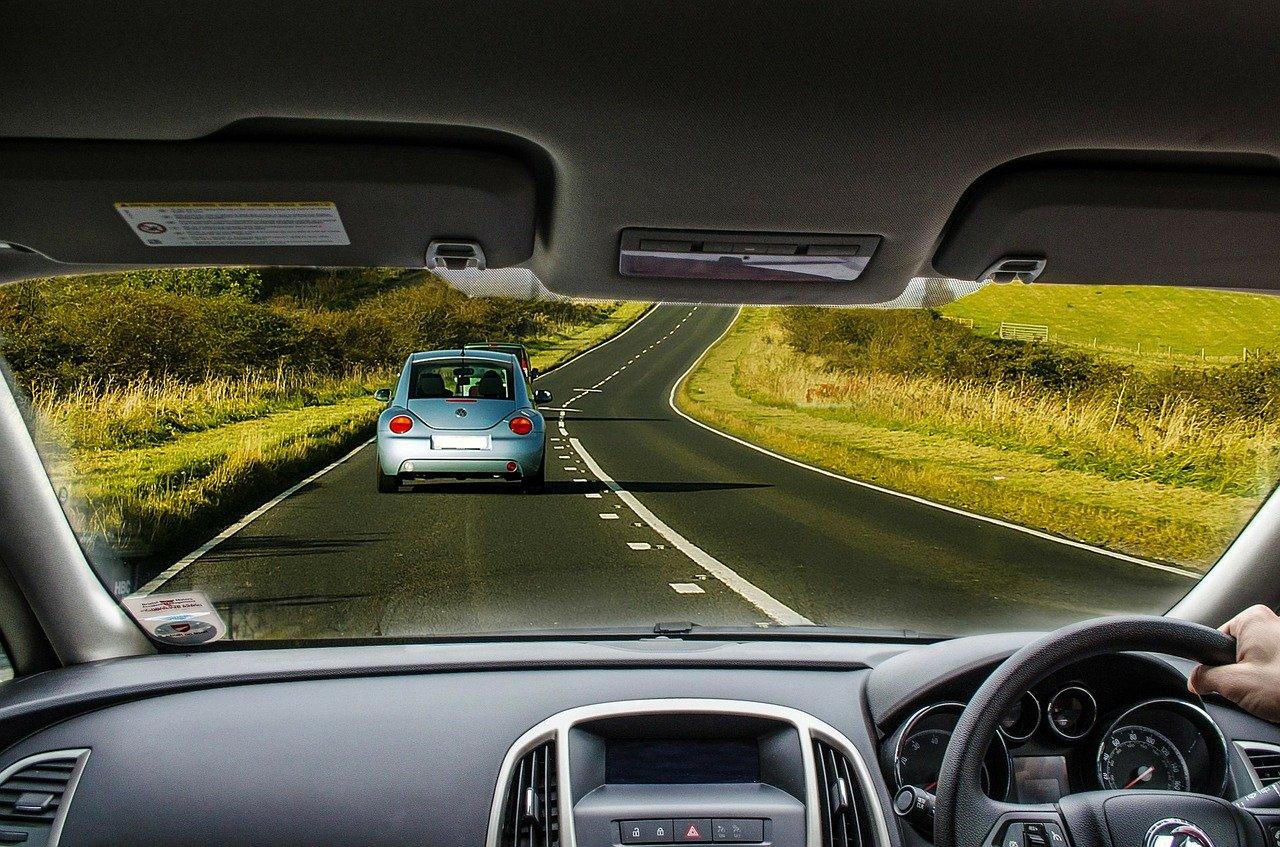
Driving Side: In India, vehicles drive on the left-hand side of the road.
License Requirements: Drivers must have a valid driver's license to operate a vehicle. Foreign visitors may also need an International Driving Permit (IDP) in addition to their original license.
Seat Belts: It is mandatory for all occupants of a vehicle to wear seat belts while the vehicle is in motion.
Speed Limits: Speed limits are enforced on different types of roads, and it's important to adhere to these limits for safety and legal compliance.
Alcohol Limit: Driving under the influence of alcohol is strictly prohibited, and there are legal limits for blood alcohol concentration.
Mobile Phones: Using mobile phones while driving is prohibited, and hands-free devices are recommended if you need to make or receive calls.
Horns: Horns are frequently used in India to signal other drivers, but excessive or unnecessary use of horns can result in fines.
Traffic Signals: It's important to obey traffic signals and signs, and failure to do so can result in penalties.
You should learn the location and use of the controls before driving any car. Indian traffic drives on the left. Here are some other important tips for a safe drive on Indian roads.
Driving in India can be a challenging but rewarding experience. The country has a vast and diverse road network, with varying traffic conditions and driving styles. It's important to be aware of the local driving rules and customs before you get behind the wheel
Suitable Driving Position
Learn a vehicle's key controls and assume a comfortable position because driving is mentally and physically demanding. Cabin ergonomics and seating comfort are so important that every car manufacturer offers unique seating comfort and adjustment options.
In 1835, Britain made left-hand driving mandatory, and other countries under the British Empire adopted this practice.
As a result, India, Australasia, and former British colonies in Africa still drive on the left side of the road.
Mirror Adjustment
The car mirrors protect you by showing what's behind you. Vehicles have two ORVMs on either side of the front doors and one IRVM in front of the windshield. If you join a driving school to learn driving ensure you learn how to adjust your mirrors properly.
Driving Insurance In India
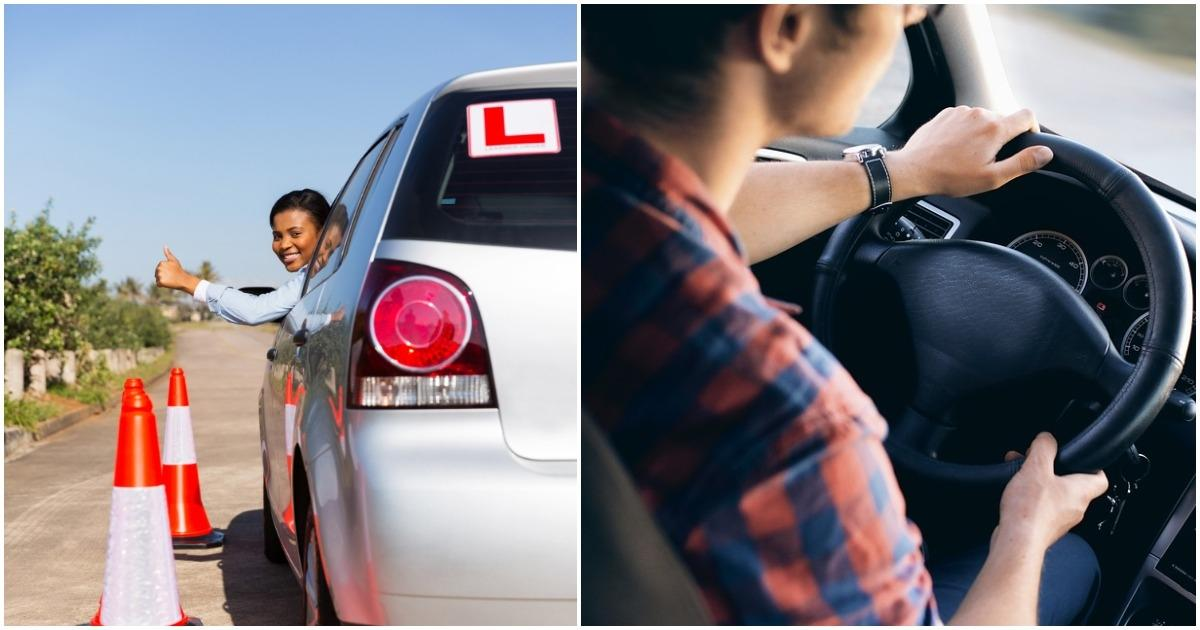
Always carry your insurance papers while driving in India. The Motor Vehicles Act of India mandates all car owners to have at least third-party car insurance. This policy covers damages caused to a third party's person or property in an accident.
Third-Party Car Insurance: This is the minimum requirement as per the law. It covers damages to a third party's vehicle or property, along with any bodily injuries or death caused by your vehicle.
Comprehensive Car Insurance: This type of insurance provides coverage for damages to your vehicle, as well as third-party liabilities. It includes protection against theft, natural disasters, fire, and more.
Standalone Own-Damage Car Insurance: This policy specifically covers damages to your vehicle, excluding third-party liabilities. It's an option for those who only want to cover their vehicle and not the third-party aspect separately.
How to Obtain a Driving License in India
Learning the ropes isn't enough to become a legal driver. Driving requires a valid driver's license. A valid driver's license is required to operate a car in India legally.
According to the Motor Vehicles Act of 1988, no one will be allowed to drive a public vehicle unless they have a current license. There is a legal consequence for this. The minimum age for obtaining a driving license in India is 18 years.
Types of Driving Licenses in India
- Learner's License
When an individual applies at a local Regional Transport Office (RTO), a learner's or provisional driver's license is issued. This license is valid for 6 months after issuance. They can apply for a permanent driver's license after 30 training days.
- Permanent Driver's License
This license is issued to those who clear the driving tests (written and practical). This license is valid for 20 years from issue or until the person becomes 50, whichever comes first. After this time, they must reapply for the driving license, which is renewed. - Commercial Driver's License
A specific driver's license is needed to operate heavy, medium, and light goods transport vehicles for commercial purposes. - International Driving Permit
This permit confirms a valid driver's license and foreign driving eligibility. Multiple languages are printed on this permission for authorities. Applicants must have a permanent driver's license and apply to the local RTO. You must reapply for this permit after one year because it cannot be renewed.
Looking for car driving lessons in Tamil? Find the perfect instructor on Superprof.
Applying for an Indian Driving License
Vehicle type affects permanent driving license eligibility. Therefore, you should apply for the right license for the car you wish to drive. Driving license qualifying requirements for different vehicle classes are:
The minimum age for driving a motor vehicle in India is 18 years.
However, there are some exceptions:
16 years for driving a motorcycle with an engine capacity not exceeding 50cc in a public place.
18 years for driving a light motor vehicle (LMV) or a motorcycle with an engine capacity exceeding 50cc.
20 years for driving a heavy goods vehicle (HGV) or a passenger vehicle (PV) with more than 6 passengers.
Required Documents for Indian DL Application
Proof of age
Birth Certificate
PAN Card
Passport
Class 10 mark sheet
Transfer Certificate From School (Needs to have a birthdate)
Permanent address proof
Passport
Aadhaar Card
Self-owned house agreement
Electricity bill
LIC Bond
Voter ID
Ration Card
Current Address Proof
Rental agreement and electricity bill
Rental agreement and LPG bill
Completed application
Passport-size photographs
Medical certificate (required for applicants over 40)
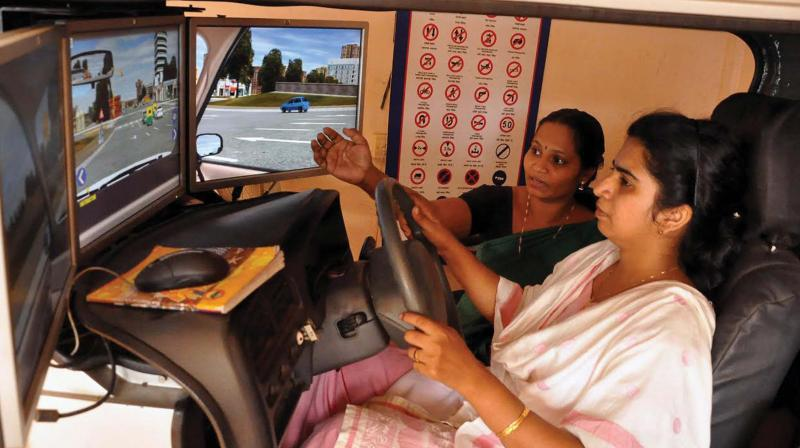
Follow these steps to get a driver's license in India:
- Visit portal.
- Pick a state.
- Select a Driving License type.
- Fill out an application.
- Upload documents.
- Schedule a driving test.
- Pay the fees.
- Check payment status.
- Print the receipt.
- Pass the driving test.
- Permanent driver's license via speed post.
You can reapply within 7 days if you fail your driving test. The final step to getting a driving license in India is a driving test.
Obtain a permanent driver's license to apply for a commercial license. A Commercial Driving License has different requirements than a Permanent License.
The candidate must be 18–20, have finished eighth grade, and have a government-certified driving school certificate. Because driving cargo vehicles requires skill, these licenses are updated every three years, where the candidate repeats everything.
Learn how to drive with car driving training near me on Superprof!
Summarise with AI:
Did you like this article? Leave a rating!

 Loading...