
The day honoring women is known as International Women's Day. Women are honored for their accomplishments, talents, and leadership responsibilities on this day. On February 13, India celebrates national women's day to mark Sarojini Naidu's birth anniversary, who was a trailblazer in the fight for women's rights. Sarojini Naidu, a poet and politician, was referred to as the Nightingale of India.




Why Do We Celebrate Women's Day?
International Women's Day is a day of celebration and advocacy for gender equity around the world. It's all about cooperation, joy, thought, advocacy, and action, in whatever forms they may take locally and worldwide.
One thing is certain, though: International Women's Day has been observed for well over a century and is only becoming stronger. Discover the principles that shape the ethos of IWD and the women and organizations that are its soul.
Women's Day Special Quotes That Empower
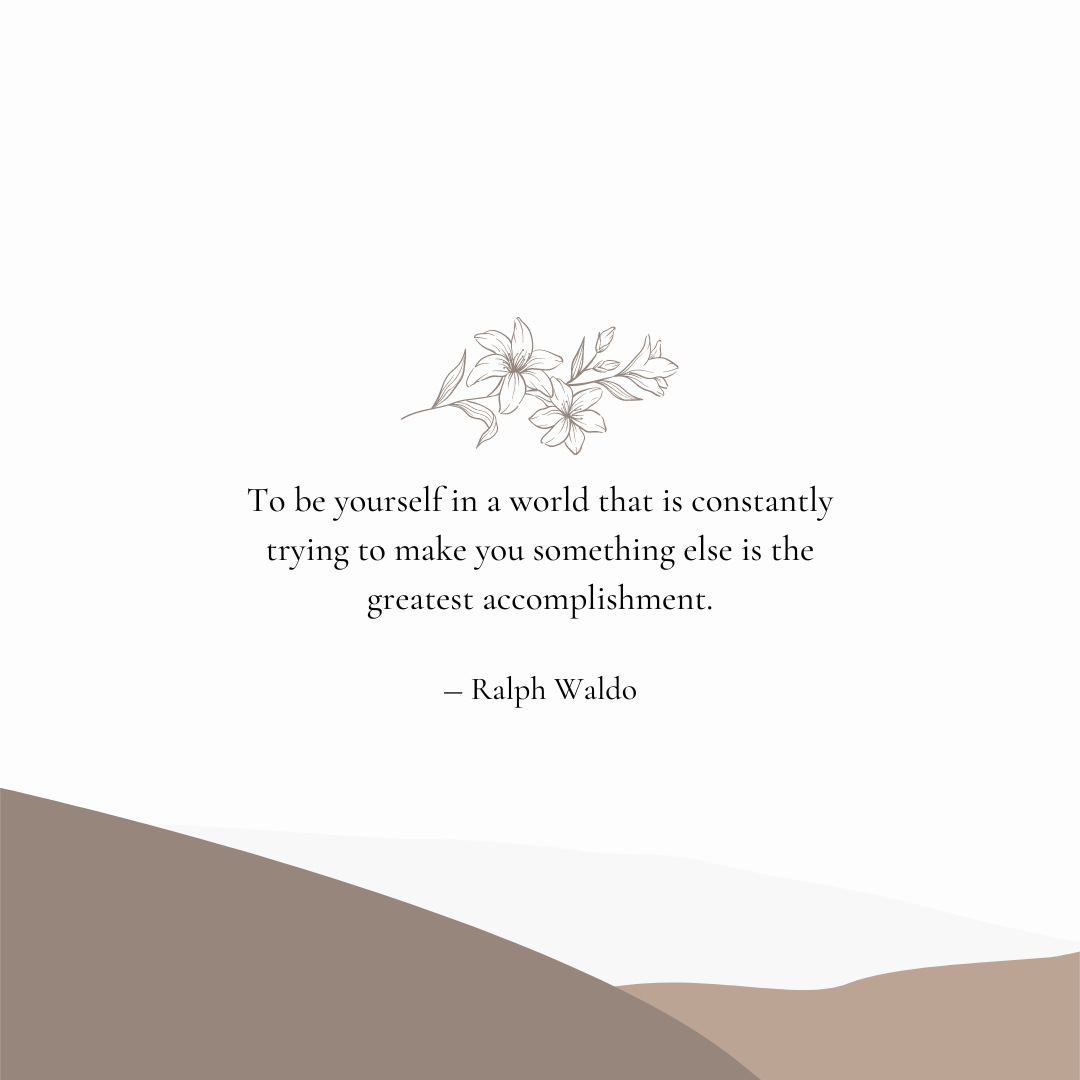
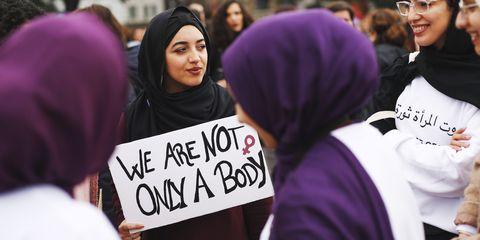
There are numerous ways to observe and take part in this incredibly important day! You can take part in an online event, donate money to organizations that assist women or even share one of these inspiring International Women's Day quotes on your social media pages to raise awareness and empower women. With the help of these inspirational Women's Day quotations, you'll be equipped to take on the world while maintaining a positive attitude.
Gloria Steinem
“Feminism has never been about getting a job for one woman. It's about making life more fair for women everywhere. It's not about a piece of the existing pie; there are too many of us for that. It's about baking a new pie.”
Mona Eltahawy
“Misogyny has not been completely wiped out anywhere. Rather, it resides on a spectrum, and our best hope for eradicating it globally is for each of us to expose and to fight against local versions of it, in the understanding that by doing so we advance the global struggle.”
Audre Lorde
“I am not free while any woman is unfree, even when her shackles are very different from my own.”
Hannah Gadsby
"There is nothing stronger than a broken woman who has rebuilt herself."
Cher
"Women are the real architects of society."
Malala Yousafzai
"We realize the importance of our voice when we are silenced."
Maya Angelou
"I am grateful to be a woman. I must have done something great in another life."
Learn how to perfectly pronounce these quotes with spoken English classes.
Serena Williams
"The success of every woman should be the inspiration to another. We should raise each other up. Make sure you're very courageous: be strong, be extremely kind, and above all be humble."
Kalpana Chawla
"The path from dreams to success does exist."
Sania Mirza
"As long as I am winning, people shouldn't care whether my skirt is six inches long or six feet long."
Most Inspiring Women's Day Speeches
Here are some excerpts from inspiring Women's Day speeches:
- Malala Yousafzai, Nobel Peace Prize Laureate:
"I raise up my voice—not so I can shout, but so that those without a voice can be heard...we cannot succeed when half of us are held back."
- Michelle Obama, former First Lady of the United States:
"Women and girls can do whatever they want. There is no limit to what we as women can accomplish."
- Emma Watson, Actress and UN Women Goodwill Ambassador:
"If you stand for equality, then you are a feminist. Sorry to tell you. You're a feminist. You're a feminist. That's it."
- Kamala Harris, Vice President of the United States:
"Every little girl watching tonight sees that this is a country of possibilities."
- Oprah Winfrey, Media Executive, and Philanthropist:
"Think like a queen. A queen is not afraid to fail. Failure is another stepping stone to greatness."
- Chimamanda Ngozi Adichie, Nigerian Author and Feminist:
"We should all be feminists because feminism is about justice, and fairness, and equality. It's about the fundamental belief that all people are equal."
Leading Women's Rights Activists In India
Women's day in India is known as Mahila Diwas!
Throughout history, women have fought for their rights, and wherever they could, they brought a group of sisters with them, making sure that no woman was left behind. In the face of oppression, women have long spoken out and refused to remain silent. That is the power of womanhood—not abandoning our sisters while we grow, taking up space, and building a society free from the systemic roots of poverty. As it approaches, let's take a moment to honour the trailblazing female leaders who have made outstanding contributions to history, the growth of society, and the status of women in it.
Aranya Johar
Aranya Johar, an Indian poet, is well recognized for her public statements opposing misogyny, mental illness stigma, and body shaming. She challenges sexism and artificial beauty standards with her lyrical talent. She is the youngest member of the G7's Advisory Council on Gender Equality, and she even collaborated with Akshay Kumar on "Padman," the first Hindi-language movie to feature spoken word.
Perfect your pronunciation with spoken English online classes.
Kamla Bhasin
Kamla Bhasin, a well-known scientist, promotes issues and causes related to women, media, development, and education. She has been employed in this industry for the last 35 years. She currently works as a feminist network for South Asian women called SANGAT's advisor.
Aruna Roy
This 74-year-old crusader was instrumental in making the Right to Information Act a reality. Roy founded the Mazdoor Kisan Shakti Sangathan (MKSS) with the intention of enhancing the lot of labourers and peasants.
Medha Patkar
Medha Patkar established the well-known Narmada Bachao Andolan in an effort to defend the Narmada River. Her work focuses on helping those in India who are victims of injustice, including women, Dalits, farmers, labourers, and tribal people.
Simone de Beauvoir
The Second Sex, written by social theorist and outspoken political activist De Beauvoir, was released in 1949. The foundation for modern feminism was supposedly laid by this ground-breaking study. In the renowned (and at the time, somewhat divisive) book, De Beauvoir criticises the patriarchy and social institutions that women must deal with. The Second Sex was outlawed by the Vatican, and some even referred to it as "pornography"—a daring step in the fight for feminism.
Maya Angelou
Through her writing, public speaking, and literary works, Maya Angelou inspired African Americans and women to fight against racial and gender discrimination. In 2011, Angelou was awarded the Presidential Medal of Freedom for her works, which have been published over a 50-year period and consist of 36 novels, seven autobiographies, and more than 50 honorary degrees.
Ruth Bader Ginsburg
Before she was appointed to the Supreme Court, Bader Ginsburg co-founded the Women's Rights Law Reporter in 1970, the first American legal journal to focus completely on women's rights. In order to ensure that women's voices were once again heard in the legal system, she co-founded the Women's Rights Project at the American Civil Liberties Union (ACLU) two years later. President Bill Clinton appointed Bader Ginsburg as the second woman to the Supreme Court in 1993. She still holds that role now and uses it to advance the rights of women.
Prominent Women Leaders in India
There have been several women in Indian history who have engaged in politics and inspired others via their deeds. In addition to these women, a number of other individuals have had an impact on the Indian political arena. Here are a few celebrated women leaders in India.
Rani Lakshmibai of Jhansi
Rani Lakshmibai's story is is well known in history. The young, widowed queen of the kingdom of Jhansi perished following the passing of her husband due to the British Doctrine of Lapse, which held that a princely state under the British East India Company (EIC) would lose its identity if a monarch died without a male successor. She made the decision to join the rebel troops of Barrackpore, Meerut, Kanpur, Lucknow, and afterwards Delhi in order to fight the British rather than give up her country's sovereignty. She also provided training for the Durga Dal, the first female military outfit in Indian history. She died as a martyr alongside her female troops while battling the British.
The Dalit Veeranganas
Jhalkaribai of the Durga Dal is widely honoured as one of the Dalit veeranganas (women fighters or heroes) who led the struggle against the British in 1857. But she wasn't the only one. Dalit and social historians have recently learned the names and participation in the Revolt of many Indian women. The United Provinces, Awadh, and other areas of North India all had inns managed by Bhatiyara caste women (also known as Bhatiyarins). However, one of the most well-known Dalit figures of 1857 was an unnamed Pasi woman who is now known as Uda Devi; a bust of her may be located in Lucknow's Sikandar Bagh.
Indira Gandhi
Given that she was India's first female prime minister, Indira Gandhi must be at the top of this list. From 1966 to 1977 and again from 1980 to 1984, she served in that capacity. Regarding Gandhi's politics, more people hold divergent views. Many people look up to her as the leader who helped India defeat Pakistan in 1971. But her authoritarianism and the imposition of the Emergency in 1975 show that she also possessed unfavourable characteristics. However, of all the motivators, her legacy is the strongest.
Kiran Mazumdar-Shaw – Chairperson of Biocon
Kiran Mazumdar-Shaw, a multibillionaire businessman, founded and serves as chairman of the Indian biopharmaceutical company BioCoin, based in Bengaluru. The former IIM Bangalore chair, Mazumdar-Shaw, is ranked second on the list of women philanthropists of 2019, 68th on Forbes' list of the most powerful women, and one of the top 50 businesswomen by the Financial Times.
Become better able to understand world events with English speaking classes in Nagpur or your city.
Top Indian NGOs for Women's Rights
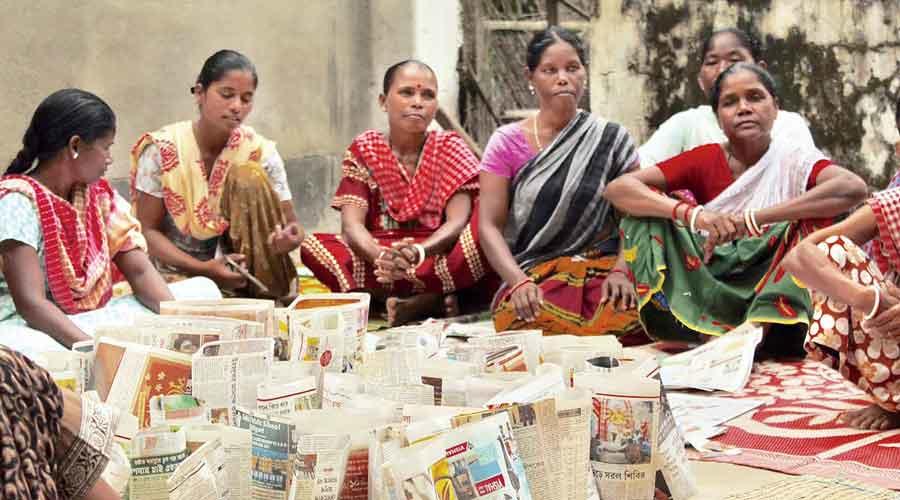
NGOs have multiplied like wildfire in India during the past ten years. They are giving individuals a reason to live and a lifeline in abandoned and underdeveloped towns. Under the direction of an outstanding and dedicated group of people, the NGOs are operating in various parts of the country. Women's empowerment is a primary priority for some of the organisations. These leading NGOs assist victims of various crimes and give women social and economic freedom.
AZAD Foundation
The AZAD Foundation is a feminism-based organization with the goal of creating a society where all women have equal access to livelihoods, can create money and value, and can advance overall equality for all.
The organization has provided assistance to more than 2 billion women so that they can improve their employability and find satisfying careers. India's transportation system is now safer for women because to its "Women on Wheel" scheme, which gives urban women the opportunity to become professional drivers.
Shikshan Ane Samaj Kalyan Kendra (SSKK)
Shikshan Ane Samaj Kalyan Kendra (SSKK) was established in 1980. They desire to provide children and women with a sustainable way of life. They aim to solve problems with domestic violence and crime against women. SSKK also helps women establish self-help organisations and find permanent employment. By empowering women, redefining their status, and supporting them in gaining independence, self-reliance, and self-respect, they have carved out a space for themselves.
Northeast Network (NEN)
North East Network (NEN) empowers local communities and cultivates the leadership skills of grassroots women in order to increase public awareness about violence against women, its causes, and its impacts. They provide counseling in the districts to address the issue and increase awareness of the Domestic Violence Act and other legal remedies. In order to combat discrimination and violence against women, the organizations that adopt policy measures benefit from the network the barefoot counselors help build. They also include women in livelihood activities based on their skills and attributes.
Self-Employed Women's Association (SEWA)
In Gujarat, Ela Bhatt established the Self-Employed Women's Association (SEWA) in 1972. The largest women's organization in India with a supply chain of craftsmen is the SEWA trade facilitation Center firm, which is owned and operated by 50,000 women artisans. They want to empower women by providing them with the skills and knowledge needed to work in a range of informal businesses. Worldwide, SEWA has 1.9 million members, including those in Sri Lanka and Afghanistan.
Find English teachers easily when you search for spoken English classes near me.
Summarise with AI:
Did you like this article? Leave a rating!

 Loading...