






What makes an effective piano lesson?
- Clear lesson structure with defined goals
- Adapting content to the student’s level and pace
- Consistent revision and reinforcement
- Balancing theory and practical playing
- Using familiar songs to maintain engagement
- Efficient use of limited lesson time
- Tracking progress over weeks, not just sessions
How to Structure a Piano Lesson
Whether you teach piano online or conduct sessions at home, structure is the foundation of effective piano teaching. In India, where lesson durations are often limited to 30–60 minutes and student commitment levels vary, having a clear format ensures consistency and results.
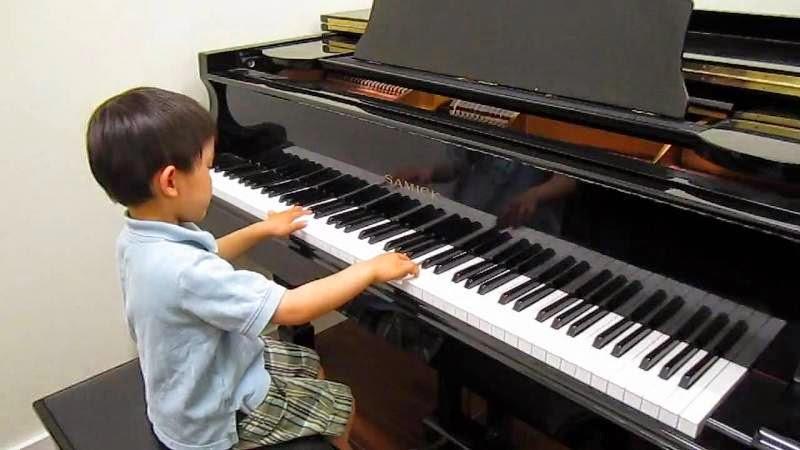
A simple and effective lesson framework
Most successful teachers follow a repeatable structure:
1. Warm-up (5–10 minutes)
Start with:
- Finger exercises
- Scales
- Simple patterns
This prepares the student physically and mentally.
2. Review previous work (10–15 minutes)
This is critical in piano teaching.
Focus on:
- Correcting mistakes
- Reinforcing technique
- Checking practice consistency
In Indian contexts, students may not always practice regularly, so this step often takes more time than expected.
3. Introduce new material (15–20 minutes)
This includes:
- A new concept (e.g., chords, rhythm)
- A new piece or section of a piece
Break everything into small, manageable parts.
4. Application and practice (10–15 minutes)
Guide the student through:
- Playing with both hands
- Coordinating rhythm
- Improving fluency
5. Assign homework and recap (5 minutes)
Clearly outline:
- What to practice
- How to practice
- Expected progress by next class
This structure works equally well for teaching piano at home and when you teach piano online.
Building a Piano Syllabus That Works in India
A well-designed piano syllabus ensures long-term progress. Without it, lessons become repetitive or unfocused.
Why a piano syllabus is essential
In India, many students:
- Learn casually
- Have irregular schedules
- Switch teachers frequently
A clear syllabus provides:
- Direction
- Measurable progress
- Consistency across lessons
Key stages in a piano syllabus
Beginner level
Focus on:
- Basic finger positioning
- Simple melodies
- Introduction to notation
- Rhythm basics
Use familiar tunes, including Bollywood adaptations, to keep engagement high.
Intermediate level
Introduce:
- Scales and chords
- Hands coordination
- More complex pieces
- Basic music theory
At this stage, students begin to develop independence.
Advanced level
Focus on:
- Expression and dynamics
- Advanced techniques
- Performance preparation
- Sight-reading
Students at this level may also prepare for graded exams.

Structured vs flexible syllabus
In India, a hybrid approach works best:
- Structured progression for skill-building
- Flexibility to include songs students enjoy
This balance keeps students motivated while ensuring steady improvement.
How to Teach Piano Online Effectively
The shift to digital learning has made it essential to know how to teach piano online.
Adapting your teaching style
Online teaching requires:
- Clear verbal instructions
- Demonstration from multiple angles
- Slower pacing for clarity
Unlike in-person lessons, you can’t physically guide the student’s hands, so communication becomes critical.
Technical setup for online lessons
To teach piano online effectively, ensure:
- The camera angle shows both the keyboard and the hands
- Stable internet connection
- Minimal background noise
Good setup directly impacts lesson quality.
Managing student engagement online
Online lessons can feel less interactive, especially for younger students.
To maintain engagement:
- Ask frequent questions
- Use short exercises
- Break lessons into smaller segments
For adult learners, focus on practical application and clear goals.
Teaching Adult Piano Students in India
Teaching adult piano students requires a different approach compared to children.
Understanding adult learners
Adult students often:
- Learn as a hobby
- Have limited practice time
- Prefer structured and goal-oriented lessons
They are usually more disciplined but may struggle with time management.
Key strategies for teaching adult piano students
Focus on practical outcomes
Adults want to:
- Play songs quickly
- Understand what they are learning
- See tangible progress
Avoid overly theoretical explanations.
Use familiar music
In India, incorporating:
- Film music
- Popular songs
- Personal favourites
can significantly improve motivation.
Respect time constraints
Lessons should:
- Be efficient
- Focus on key improvements
- Avoid unnecessary repetition
Common challenges with adult learners
- Irregular practice
- Self-doubt
- Slower technical progress
A supportive and structured approach helps overcome these.
Balancing Theory and Practice in Piano Teaching
One of the biggest challenges in piano teaching is deciding how much theory to include.
Why theory matters
Theory helps students:
- Understand music structure
- Learn independently
- Improve long-term skills
How much theory is enough?
In India, most piano students prefer:
- Practical playing over theory
- Immediate results
So, integrate theory gradually:
- Teach notation alongside songs
- Explain chords while playing
- Introduce concepts only when needed
Making theory engaging
Instead of abstract explanations:
- Connect theory to songs
- Use real examples
- Keep explanations short and relevant
Common Mistakes in Piano Teaching
Avoiding these mistakes can significantly improve your effectiveness.
Overloading students
Giving too much information in one lesson leads to:
- Confusion
- Poor retention
Ignoring individual learning styles
Every student is different. Some:
- Learn visually
- Learn by listening
- Learn through repetition
Adapt your teaching accordingly.
Lack of structure
Without a clear plan:
- Lessons become inconsistent
- Progress slows down
A strong piano syllabus prevents this.
Skipping revision
Progress depends on reinforcement. Without revision:
- Students forget concepts
- Mistakes become habits
Improving Your Piano Teaching Over Time
Effective piano teaching evolves with experience.
Reflect after each lesson
Ask yourself:
- What worked well?
- What needs improvement?
Adjust your approach
Based on:
- Student progress
- Engagement levels
- Learning speed
Stay updated
Explore:
- New teaching methods
- Digital tools
- The best piano teaching app options

Building an Effective Approach to Piano Teaching in India
Strong piano teaching is less about rigid methods and more about consistency, structure, and adaptability. Whether you teach piano online or conduct in-person lessons, your effectiveness depends on how well you balance a clear piano syllabus with the individual needs of each student.
In the Indian context, this means:
- Working around varying levels of student commitment
- Using familiar music to sustain engagement
- Keeping lessons structured but flexible
- Combining practical playing with just enough theory
As you refine your piano teaching approach, you’ll find that small improvements—better lesson flow, clearer explanations, smarter practice assignments—lead to significantly better student outcomes over time.
Summarise with AI:
Did you like this article? Leave a rating!

 Loading...
