






What defines a “ready” piano teacher?
- You can play confidently with both hands across simple to intermediate pieces
- You understand basic music theory (scales, chords, rhythm)
- You can simplify concepts for complete beginners
- You are patient and adaptable with different learning speeds
- You can demonstrate and correct mistakes clearly
- You can guide consistent practice, even with irregular learners
- You are willing to keep improving your own playing and teaching
Understanding What “Ready to Teach Piano” Really Means
The idea of being “ready” to start piano teaching often feels unclear—especially in India, where there are no strict licensing rules or standard entry requirements. Instead of thinking in terms of qualifications alone, it’s more useful to assess your readiness across a combination of musical ability, teaching awareness, and confidence.
Skill level vs teaching readiness
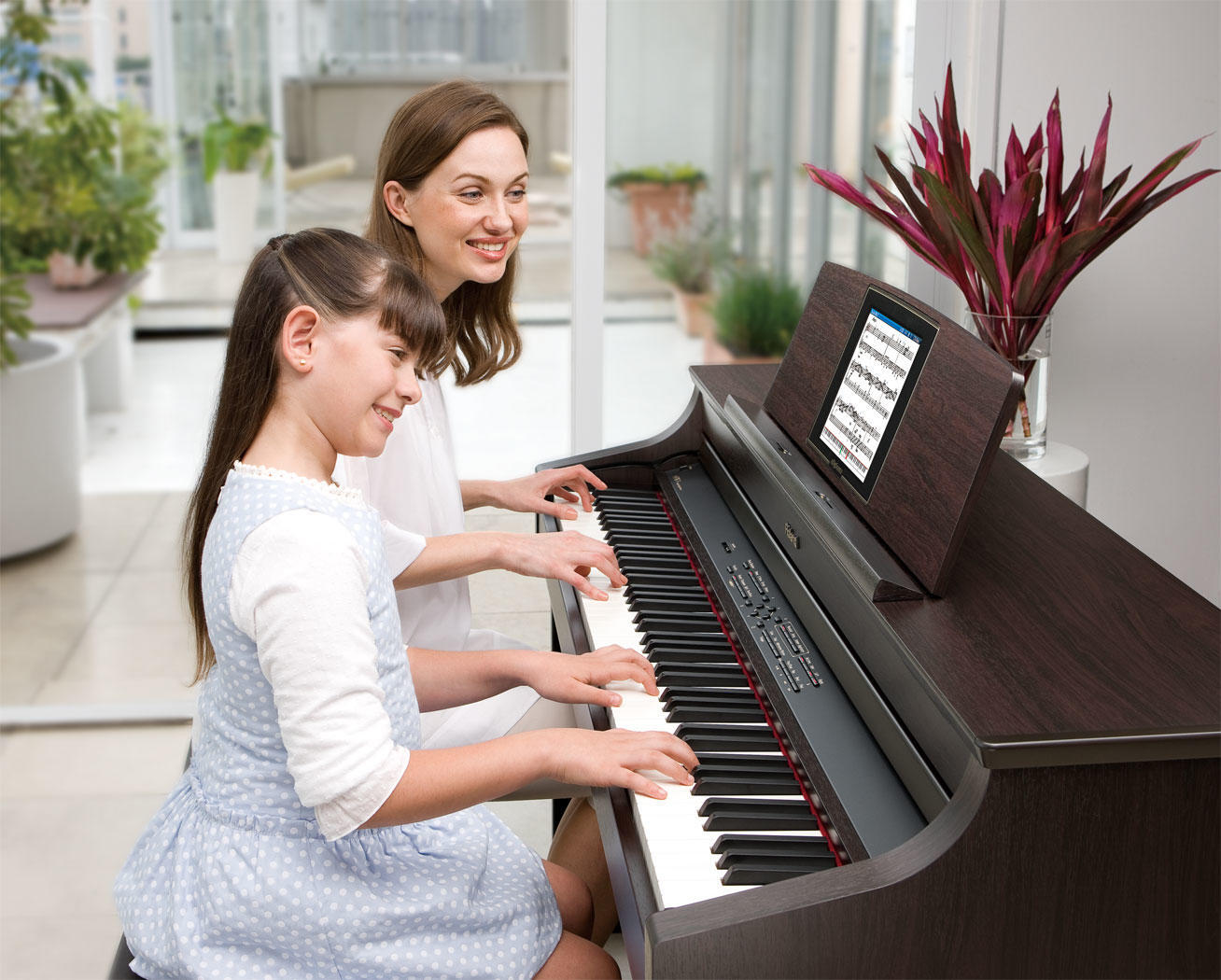
Many pianists assume they need to reach an advanced level before teaching. In reality, most piano teaching begins at the beginner level. This means you don’t need to be a concert performer—you need to be one or two levels ahead of your students.
If you can:
- Play beginner to intermediate pieces comfortably
- Explain how those pieces work
- Break them into smaller steps...
...you are already in a position to start teaching beginner piano.
The Indian context: flexibility over formal structure
In countries with formal music education systems, teaching often requires certifications. In India, the landscape is different.
- Many teachers are self-taught or informally trained
- Certifications like ABRSM or Trinity are helpful but not mandatory
- Parents and students focus more on outcomes than credentials
This creates both opportunity and responsibility—you have flexibility, but you must ensure your teaching quality is consistent.
What Skills Do You Actually Need to Teach Piano?
To understand how to teach piano effectively, it’s important to break down the core skill areas involved.
Musical fundamentals
At a minimum, you should be confident in:
- Scales (major and minor basics)
- Chords and simple progressions
- Rhythm and timing
- Reading basic sheet music
These are the building blocks of teaching beginner piano.
Technical control
Your playing doesn’t need to be advanced, but it should be clean and controlled.
You should:
- Maintain a steady tempo
- Use correct fingering
- Demonstrate hand coordination
Students often copy exactly what they see, so your technique directly influences theirs.
The ability to simplify
This is one of the most critical skills in piano teaching.
You must be able to:
- Break songs into sections
- Slow down demonstrations
- Use simple language
For example, when teaching piano to kids, explaining rhythm through counting or clapping often works better than abstract theory.
Observation and correction
A good teacher notices small issues early.
You should be able to:
- Spot incorrect hand positions
- Identify timing mistakes
- Correct errors without discouraging the student
This skill develops over time but is essential for long-term progress.
How to Teach Piano to Beginners
Teaching beginner piano is where most teachers start—and where your foundational teaching ability is tested.
Understanding beginner challenges
Beginners often struggle with:
- Hand coordination
- Reading music
- Maintaining rhythm
In India, many students also:
- Practice inconsistently
- Learn piano as a hobby rather than a discipline
This means your teaching approach needs to be both structured and flexible.
Starting with the right expectations
When teaching beginner piano, focus on:
- Building comfort with the instrument
- Developing basic coordination
- Introducing simple, achievable goals
Avoid overwhelming students with too much information early on.
Keeping lessons engaging
Especially when teaching piano to kids, engagement is key.
You can:
- Use familiar songs (including film music)
- Incorporate simple games or patterns
- Alternate between exercises and songs
For adult beginners, replace games with practical applications—songs they recognise or want to learn.
Progress over perfection
Beginners don’t need perfect technique immediately.
Focus on:
- Consistency
- Gradual improvement
- Building confidence
Correct mistakes, but don’t let perfection slow down progress.
How to Teach Piano to Kids
Teaching children requires a different mindset compared to teaching adults.
Understanding how children learn
Children:
- Have shorter attention spans
- Respond better to visual and interactive methods
- Need frequent encouragement
Your role is not just to teach music, but to keep them engaged.
Adapting your teaching style
When teaching piano to kids:
- Use simple instructions
- Break lessons into short segments
- Repeat concepts regularly
Avoid long explanations—demonstration works better.
Building interest and consistency
In India, many children:
- Are balancing schoolwork and extracurriculars
- May not prioritise piano practice
To keep them motivated:
- Celebrate small achievements
- Introduce songs they enjoy
- Keep lessons varied
Managing expectations with parents
Parents often expect quick results.
It’s important to:
- Set realistic timelines
- Explain the importance of regular practice
- Highlight gradual progress
Teaching Adult Piano Students
Adult learners form a significant segment of piano students in India, especially in urban areas.
How adults approach learning
Adults typically:
- Have clear goals
- Value structured lessons
- Have limited time for practice
They are often more disciplined but less flexible in scheduling.
Adjusting your approach
When teaching adults:
- Focus on efficiency
- Avoid unnecessary repetition
- Connect lessons to real outcomes
Adults appreciate understanding why they are learning something.
Common challenges with adults
- Time constraints
- Self-doubt
- Slower technical adaptation
Your role is to:
- Keep lessons focused
- Provide clear guidance
- Encourage steady progress
Confidence and Readiness: The Final Barrier
Many aspiring teachers hesitate not because of a lack of skill, but because of a lack of confidence.
Overcoming self-doubt
It’s common to feel:
- “I’m not advanced enough.”
- “I need more experience.”
But in reality:
- Most students are beginners
- Your current level may already be sufficient
Learning while teaching
Piano teaching is not a fixed skill—it evolves.
As you teach:
- Your explanations improve
- Your observation skills sharpen
- Your own playing becomes more refined
Knowing when you’re ready
You are ready to start teaching piano if:
- You can guide a beginner from zero to simple songs
- You understand the basics well enough to explain them
- You are willing to improve continuously
Perfection is not required—clarity and consistency are.
Developing Confidence in How to Teach Piano
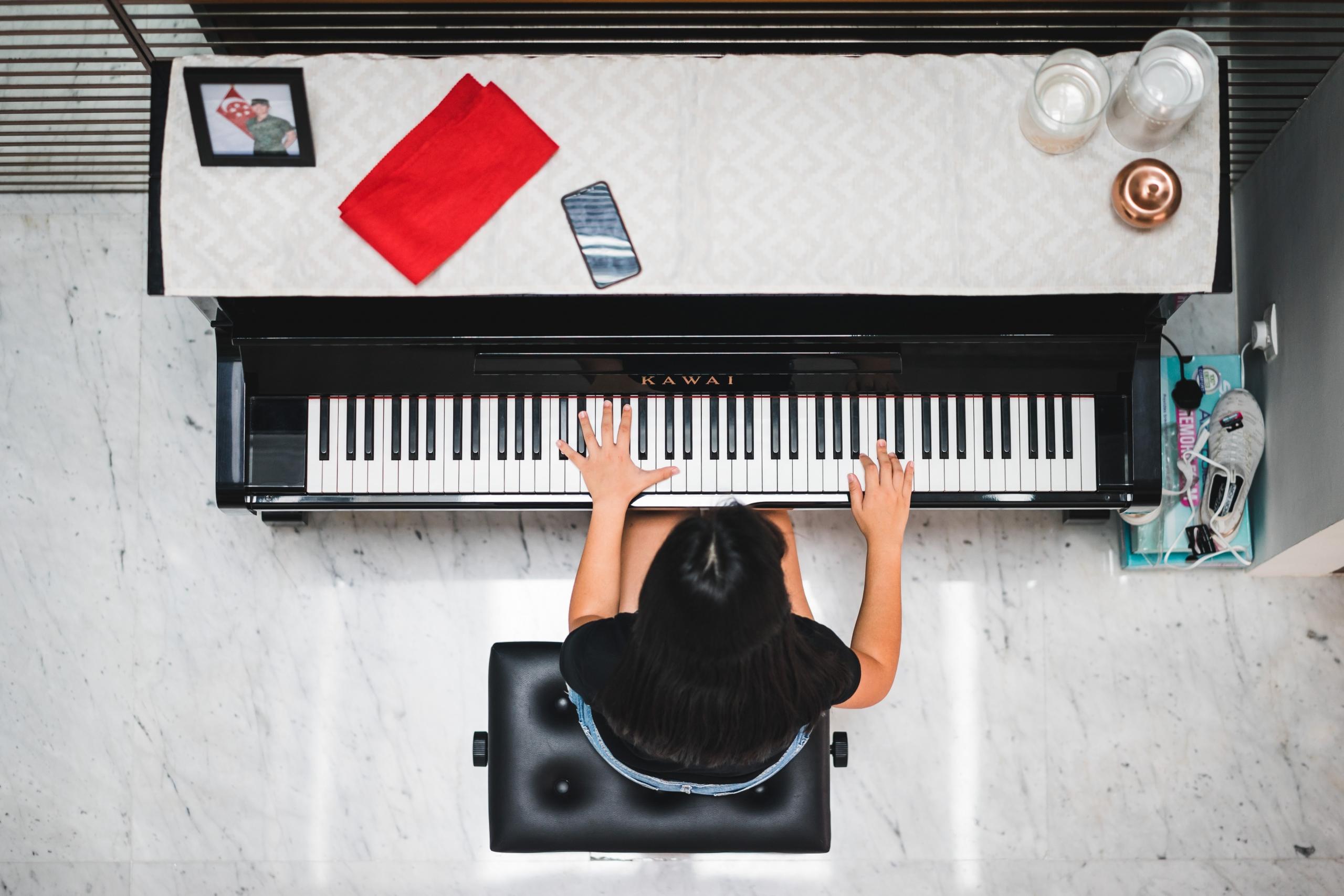
Understanding how to teach piano is less about meeting a fixed standard and more about recognising your current capabilities and building on them. In India’s flexible and evolving music education space, readiness is defined by your ability to guide beginners clearly, adapt to different learners, and maintain consistency over time.
Whether you are focusing on teaching beginner piano or learning how to teach piano to kids, the key lies in simplicity, patience, and gradual progression. You don’t need to master every advanced technique before you begin—you need to be confident enough to teach what you already know effectively.
As you gain experience, your teaching will naturally become more refined. Each student you teach will help you improve your communication, observation, and adaptability. Over time, this continuous learning process is what transforms a capable pianist into a confident and effective teacher.
Summarise with AI:
Did you like this article? Leave a rating!

 Loading...
