

Independence Day is not just a celebration — it is a moment of collective reflection. The Prime Minister's address from the Red Fort reminds citizens of the sacrifices made by freedom fighters, acknowledges the progress made as a nation, and sets the tone for the year ahead. Over the decades, many of these speeches have gone beyond formality to become defining statements of Indian identity, unity, and ambition. They have inspired generations and shaped the country's political memory.
The Independence Day of India is celebrated annually on the 15th of August and holds significant importance as a national day. It serves as a reminder to every Indian of the commencement of a new era, marking the liberation from British colonial rule that lasted for over two centuries. India achieved independence from British colonial rule on August 15, 1947, and the leaders of the country assumed power. India's attainment of independence was a significant and fateful event, characterized by a prolonged and arduous war for freedom, marked by the selfless efforts of numerous freedom fighters who made the ultimate sacrifice.



The Importance of Independence Day in India
Independence Day is officially recognized as a national holiday in the country. This day serves as a remembrance of the many sacrifices made by India's freedom fighters to promote the cause of liberation and ensure our freedom from British control.
Pingali Venkayya, an educationist and independence warrior from Andhra Pradesh, created the current Indian National Flag. On August 15, 1947, Jawaharlal Nehru, the first Prime Minister of India, raised the national flag at the Lahori Gate of the Red Fort in Delhi.
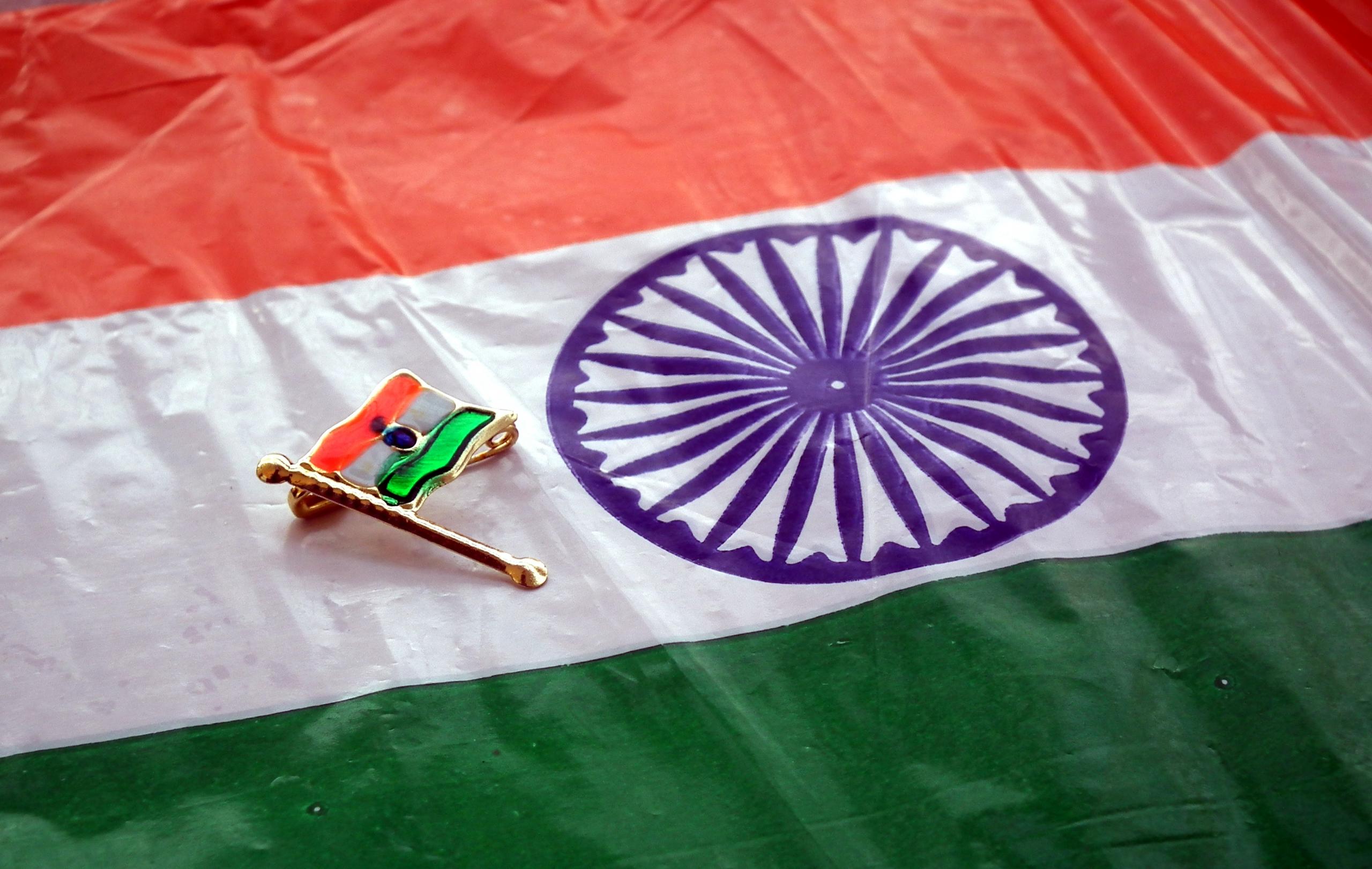
The current national flag consists of three colors: saffron symbolizes bravery and selflessness, white symbolizes tranquility, and green symbolizes wealth. The Ashok Chakra in the center symbolizes the perpetual cycle of existence.
Popular Independence Day Patriotic Speeches in India
Independence Day is a time to celebrate the freedom that India achieved after enduring years of unwavering fight. Additionally, it is a moment to contemplate the sacrifices made by the multitude of freedom warriors who courageously battled for India's autonomy. Over the years, freedom fighters and leaders have given Indian heart touching speech on Independence day on August 15, which have sparked a strong sense of patriotism in the country. Presented below are some impactful speeches delivered on August 15th that served as a source of inspiration for an entire nation.
Jawaharlal Nehru | 1947
Nehru's "Tryst with Destiny" speech, delivered at the stroke of midnight on 14–15 August 1947, is perhaps the most celebrated speech in Indian history. Speaking at the moment of independence, he captured the weight of the occasion — acknowledging that freedom had come not in full measure, but as a beginning. He called on every Indian to dedicate themselves to the service of the nation and humanity at large. The speech set the moral and political tone for independent India and remains a touchstone for every Independence Day since.
Indira Gandhi | 1984
Indira Gandhi, the daughter of former Prime Minister Jawaharlal Nehru, assumed the position of the first female Prime Minister in 1966. Although she delivered her initial speech in the same year, her most renowned address was in 1984. Indira Gandhi's 1984 Independence Day address is remembered as one of her most charged and prophetic speeches. With Operation Blue Star fresh in public memory, she spoke of the unceasing duty to protect India's hard-won freedom — not merely from external threats, but from forces that would divide the nation from within. She urged Indians never to grow complacent about independence, stressing that it must be actively defended through unity and hard work. Tragically, she was assassinated by her own bodyguards just two months later, lending her words an enduring and sombre resonance.
Rajiv Gandhi | 1982
Rajiv Gandhi's address stands out for its emphasis on diversity as India's greatest strength rather than its greatest challenge. He reminded the nation that being Indian means belonging to a tapestry of faiths, cultures, and communities — Hindu, Muslim, Sikh, Christian, Jain, Parsi, and Buddhist — and that this plurality is the very foundation of India's unity. The speech came at a time of rising communal tensions, making its message of equal respect for all faiths both timely and enduring.
Atal Bihari Vajpayee | 1999
Vajpayee's 1999 address, delivered in the aftermath of the Kargil conflict and international sanctions following India's nuclear tests, was one of confidence and resolve. He declared that sanctions had lost their sting, that India had navigated the Southeast Asian economic crisis, and that the nation continued its forward march undeterred. True to his style, the speech was laced with literary cadence and his trademark pauses. He invoked the ancient Sanskrit call of Charaiveti, Charaiveti — move on, move on — as a rallying cry for a self-assured India stepping into the new century.
Independence Day Celebrations in India
Despite August 15 being a national holiday, many patriotic and cultural activities are conducted around the country. The festivities encompass both official and popular components, which entail a range of ceremonies, activities, and demonstrations of national pride.
The main event takes place in the Red Fort in Delhi. The national flag is raised by the Prime Minister, accompanied by the singing of the national song. The leader delivers a speech to the entire country, emphasizing accomplishments from the previous year, outlining the government's future strategies, and honoring those who fought for independence.
Following the address, there is a parade that displays India's military prowess and cultural variety. The event included presentations by school students, tableaux depicting various states, and exhibitions by the military services.
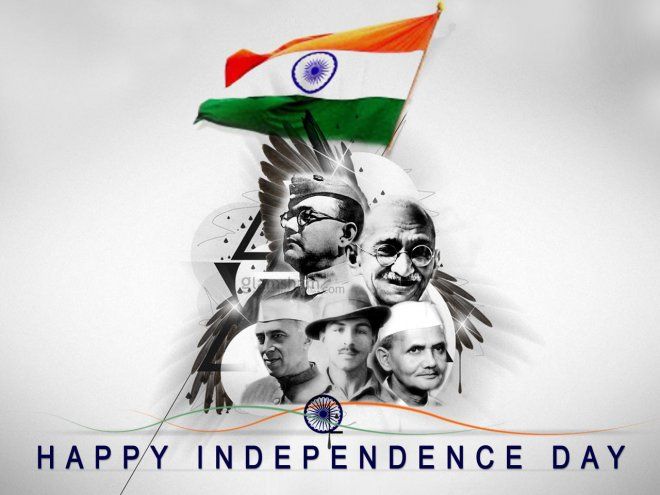
Individuals worldwide raise the national flag, organize cultural events, exchange proud and encouraging messages, and host specialized seminars to commemorate India's fight for independence. It is a day that instills a sense of national pride and serves as a reminder for Indians to reflect on their past, pay tribute to the courageous individuals who fought for freedom, and commemorate the accomplishments and cultural legacy of the nation.
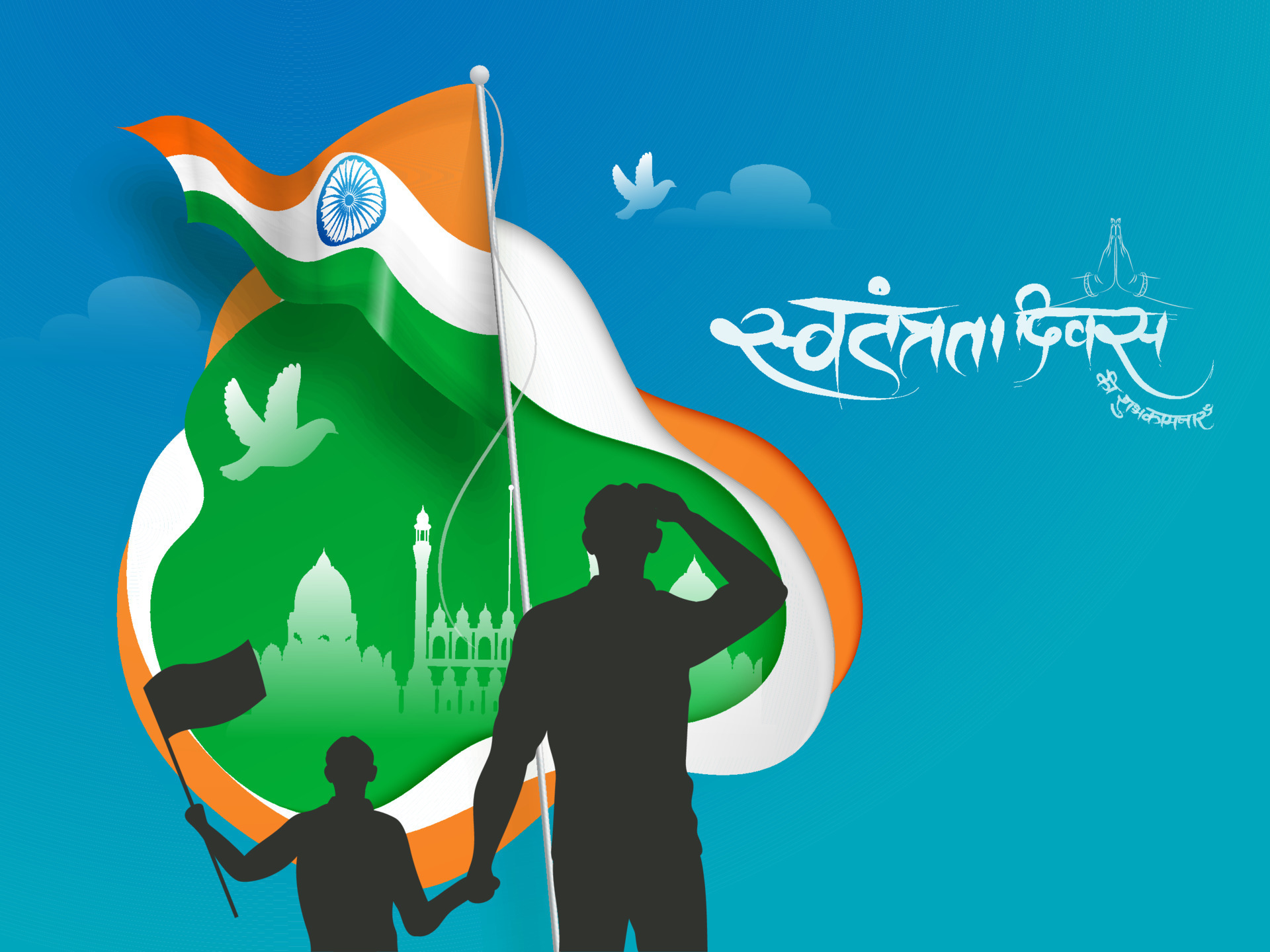
India's Independence Day, known as Swatantrata Diwas, is celebrated on the 15th of August each year. This year, on the 15th of August, India will be celebrating its 80th Independence Day, marking 79 years of freedom and liberty for our nation since its founding in 1947.
Summarise with AI:
Did you like this article? Leave a rating!


 Loading...
