


India has historically been a nation of diversity in language and culture. According to the last census, there were 121 major languages and over 1599 other languages spoken within the country. Yet, Hindi is the most widespread, with more than 60 crore Hindi speakers in India today.
Yet, depending on the location, you might encounter various dialects, each with specific terms and pronunciations. That may lead to confusion in understanding the ideas that you want to know or convey. But you need not worry any longer, as this guide will convey all about the various dialects of Hindi in India, which ones you should learn, and the resources to assist you with it.
Hindi includes many regional varieties shaped by geography, culture, and local history. These Hindi dialects contribute to the richness and diversity of the language across northern and central India.


Major/Common Dialects of Hindi
- Khari Boli — Delhi–Western UP; modern Hindi’s base dialect, used in education and media.
- Braj Bhasha — Western UP (Mathura, Agra); known for devotional poetry and Krishna literature.
- Awadhi — Eastern UP; associated with Tulsidas and Ramcharitmanas.
- Bhojpuri — Eastern UP, Bihar; vibrant folk tradition and widely spoken in diaspora communities.
- Bundeli — Bundelkhand region (MP–UP); known for heroic ballads and folk heritage.
- Bagheli — Eastern MP; closely related to Awadhi with strong rural oral traditions.
- Chhattisgarhi — Chhattisgarh; distinct phonetics and vocabulary influenced by tribal languages.
- Haryanvi — Haryana and Delhi outskirts; strong rustic tone and unique idioms.
- Rajasthani (Marwari/Dhundhari variants) — Rajasthan; rich literary and folk traditions, though considered a separate language group by many linguists.
- Kanauji — Central UP (Kannauj region); transitional dialect between Awadhi and Braj.
What is a Dialect?
A dialect, also known as a "bolee" in some regions, refers to a variation of a language that is specific to a particular region or social group. This variation can be seen in differences in grammar, vocabulary, and pronunciation. Dialects can be categorized as country, urban, rural, or social, and may even have multiple sub-dialects. Essentially, dialects are the way of speaking that one acquires while growing up.
What is the Hindi Belt?
The Hindi Belt, also referred to as the HindiDesh, refers to the region in Northern India where people predominantly speak Hindi and Urdu. It mainly constitutes the states in northern India where Hindi is the official state language. Those include the following.
- Bihar
- Chhattisgarh
- Delhi
- Haryana
- Himachal Pradesh
- Jharkhand
- Madhya Pradesh
- Rajasthan
- Uttarakhand
- Uttar Pradesh
While Urdu is also a significant language within most Hindi-speaking states in India, it’s not officially part of the regional languages of those states. There are a few Urdu dialects within the Hindi Belt, which we’ll examine in later sections.
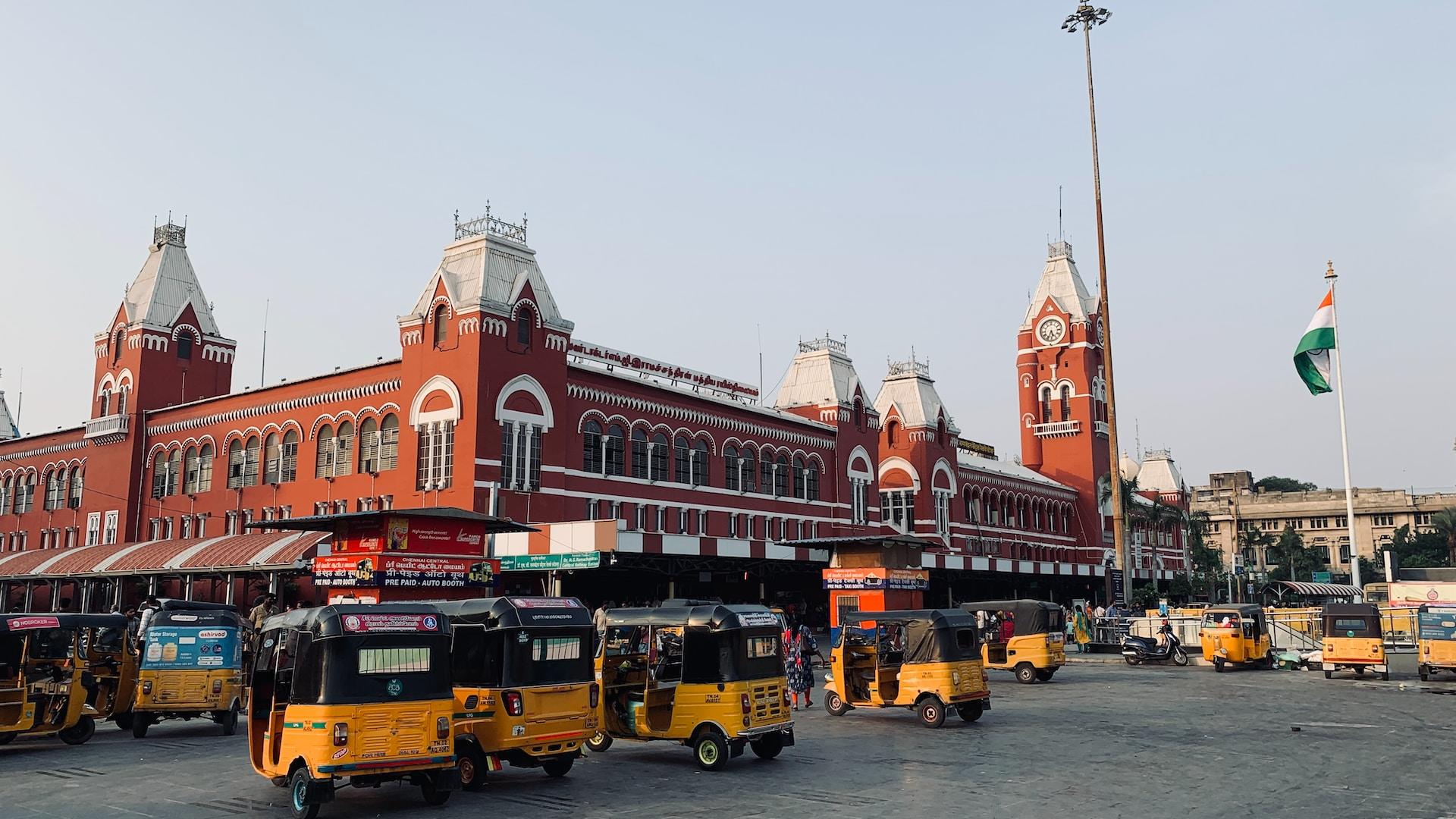
Learning Hindi: Hindi Dialects in India
As the Hindi language evolved, populations within specific regions gave their modifications to grammar and pronunciation. There are minimal deviations in the Devanagari script, but the regional languages and customs often find their way into the development of each dialect. Let’s observe the most popular variations across India.
Western Hindi
Western Hindi is one of the earliest dialects that became widespread during medieval times. It finds its source within the Shauraseni (dramatic) Prakrit in the Apabhramsa form. It was pretty popular with Jain and Hindu poets of the time. Hindustani (spoken primarily in Delhi and western Uttar Pradesh), including its normalised versions of Hindi and Urdu, belongs to the Western Hindi family.
Eastern Hindi Dialects
Eastern Hindi evolved from the Sankrit Ardhamagadhi version. It saw much use by scholars of the Jain religion, as most of the Jain literature was written in Eastern Hindi dialects. Unlike other Hindustani dialects, native Eastern Hindi speakers can be found outside India.
Hindi Dialects
Hindi dialects represent the rich linguistic diversity found across northern and central India, reflecting centuries of cultural exchange, migration, and regional identity. While Standard Hindi is based on Khari Boli, dozens of other dialects—such as Braj, Awadhi, Bhojpuri, and Haryanvi—preserve unique pronunciations, vocabulary, and literary traditions. Together, these dialects showcase how Hindi is not a single uniform language but a vibrant collection of regional voices that shape the way millions speak and express themselves across India.
Bagheli (बघेली)
Bagheli is a language spoken in the Baghelkhand region of central India, primarily in the states of Madhya Pradesh and parts of Uttar Pradesh. It belongs to the Indo-Aryan group of the Indo-Iranian branch of the Indo-European language family. Bagheli has similarities with other languages spoken in the region, such as Bundeli and Awadhi.
The language is written in the Devanagari script, which is also used for Hindi and several other Indian languages. Bagheli has its own unique linguistic features and vocabulary, making it distinct from other languages in the region.
Chambeli (चम्बेली)
UNESCO has identified this Hindi dialect as one of the most endangered. It is primarily spoken by the residents of Himachal Pradesh. Unlike other Hindi dialects, it uses the Takri script instead of Devanagari.
Gadwali (गढ़वाली)
Gadwali, also spelled Garhwali, refers to the language and culture of the people of the Garhwal region in the Indian state of Uttarakhand. It is one of the Central Pahari languages and is spoken by the Garhwali people. The script used for writing Gadwali is the Devanagari script.
Gadwali is a part of the larger group of languages known as the Pahari languages, which are spoken in the hilly regions of northern India. These languages are closely related to Hindi and are classified as Indo-Aryan languages.
Discover your perfect Hindi teacher when you search for classes on Superprof!
Kumauni (कुमायूँनी)
Kumauni is a language spoken in the Kumaon region of the Indian state of Uttarakhand. It is part of the Central Pahari group of the Indo-Aryan languages. The Kumauni language is written in the Devanagari script, which is also used for Hindi and Sanskrit.
Kumaon is a region in the Indian state of Uttarakhand, and the Kumauni language is one of the major languages spoken there. It has its distinct dialects and is an important part of the cultural heritage of the region.
Awadhi (अवधी)
Awadhi is an Indo-Aryan language spoken primarily in the Awadh region of Uttar Pradesh, India. It is considered a part of the Eastern Hindi subgroup of the Central Indo-Aryan languages. Awadhi has a rich literary tradition, with notable works such as the "Tulsidas Ramcharitmanas" written in this language.
Haryanvi (हरियाणवी)
Haryanvi is an Indo-Aryan language spoken in the Indian state of Haryana and the surrounding regions of Delhi, Punjab, and Uttar Pradesh. It is the native language of the people of Haryana and is also spoken by a significant population in other parts of northern India.
Bagdi (बागड़ी)
Bagdi refers to both a language and an ethnic group in India. The Bagdi people primarily reside in the Indian states of West Bengal and Jharkhand. The Bagdi language, also known as Bagri or Bagdi, is an Indo-Aryan language spoken by the Bagdi community.
The Bagdi community has a rich cultural heritage, and their traditional occupations include agriculture and other rural activities.
Khadi Boli (खड़ी बोली)
Khadi Boli, also known as Khadi dialect, is a dialect of the Hindi language spoken in the Khadi region of the Indian state of Haryana. It is considered a part of the Western Hindi dialect continuum and shares similarities with the Haryanvi language. The Khadi Boli dialect is particularly associated with the rural areas of Haryana.
Braj Bhasha (ब्रजभाषा)
Braj Bhasha, often simply referred to as Braj, is a linguistic variety of the Hindi languages spoken primarily in the Braj region, which encompasses areas in northern India, including parts of Uttar Pradesh, Rajasthan, and Haryana. It is closely related to the Hindi and Awadhi languages.
Braj Bhasha holds significant cultural and historical importance as it was the language of many medieval Hindi poets, including Surdas, Tulsidas, and Kabirdas, who composed their literary works in this dialect.
Maithili ( मैथिली)
Maithili is a language spoken mainly in the Indian state of Bihar and the southern part of Nepal. It is one of the major languages of the Mithila region, which spans both India and Nepal. Maithili is written in the Devanagari script, the same script used for Hindi and Sanskrit.
Maithili has a rich literary tradition, with works dating back to the medieval period. It is recognized as one of the 22 scheduled languages of India.
Marvadi (मारवाड़ी)
Marwadi refers to the language and culture associated with the Marwar region of Rajasthan, India. The language spoken in this region is known as Marwari (मारवाड़ी), which belongs to the Rajasthani group of languages. Marwari is primarily spoken by the Marwari community, which is a prominent business community in India.
Bhojpuri (भोजपुरी)
Bhojpuri (भोजपुरी) is an Indo-Aryan language spoken in the northern and eastern regions of India, as well as in parts of Nepal and Mauritius. It belongs to the Bihari group of the Indo-Aryan languages. Bhojpuri has a significant number of speakers and is recognized as a regional language in India.
Bundeli (बुन्देली)
Bundeli (बुन्देली) is a language spoken in the Bundelkhand region of central India. It belongs to the Indo-Aryan group of the Indo-European language family. The Bundelkhand region spans parts of the Indian states of Uttar Pradesh and Madhya Pradesh.
Chattisgarhi (छत्तीसगढ़ी)
Chhattisgarhi is an Indo-Aryan language spoken primarily in the Indian state of Chhattisgarh. It is also spoken in parts of Madhya Pradesh, Odisha, Jharkhand, and Maharashtra. Chhattisgarhi is recognized as a regional language and has its script known as Kaithi or Devanagari.
Perfect your language skills with Hindi tuition near me on Superprof.
Lambadi (लम्बाडी) & Banjari (बंजारी)
Lambadi (लम्बाडी) and Banjari (बंजारी) are terms associated with two distinct ethnic groups in India.
Lambadi (लम्बाडी):
- Also known as Banjara or Lambani, Lambadis are a nomadic or semi-nomadic community with a unique cultural identity.
- They are found in various states of India, including Rajasthan, Gujarat, Maharashtra, Karnataka, Andhra Pradesh, Telangana, and others.
- The Lambadi community is known for its traditional occupations like cattle herding, trading, and craftsmanship.
- Lambadi women are often skilled in embroidery and beadwork, creating vibrant and colorful textiles.
Banjari (बंजारी):
- Banjari is another term used for the Banjara community, which is closely related to the Lambadi community.
- Like the Lambadis, the Banjaras are traditionally nomadic or semi-nomadic and are found in various states of India.
- They have a rich cultural heritage, with traditional dances, music, and crafts that are an integral part of their identity.
- Historically, the Banjaras were known for their trade and transport activities, and they played a significant role in the caravan trade routes.
Sugali (सुगाली) and Surjapuri (सूरजपुरी)
Sugali and Surjapuri are terms associated with languages spoken in specific regions of India.
- Sugali (सुगाली): Sugali is a language spoken by the Sugalis, a tribal community primarily found in the Indian state of Karnataka. It is classified as a Dravidian language and is part of the Southern Dravidian language family. The Sugali language is primarily spoken in the Bellary district of Karnataka.
- Surjapuri (सूरजपुरी): Surjapuri is a language spoken in the Surjapuri region, which is part of the Indian state of Bihar. It is often classified as a dialect of the Maithili language, which is an Indo-Aryan language. The Surjapuri region is in the Kosi division of Bihar and is known for its unique cultural and linguistic features.
Learn to speak and understand different Hindi dialects with spoken Hindi classes online.
locale and don’t occur frequently throughout the rest of the country.
Influence Of Other Languages On Hindi Dialects
If you look at the History of the Hindi language objectively, you’ll notice that there are several influences from other languages as well. Much like Urdu, Hindi belongs to the Indo-Aryan language family, drawing from various terminologies from Europe to the Middle East.
Hindi sources from the traditional Hindustani language, derived from the Khariboli dialects, evolved from the Vedic Sanskrit language. During the periods of the Delhi Sultanate (1206-1526 AD) and the Mughal Empire (1526-1858 AD), several words from Persian were introduced into Hindi.
In parallel, the Persian that soldiers spoke, the Zaban-e Urdu-e Mualla, translated as the “language of the court”, became more prevalent. Eventually, with the trade introductions from the Dutch and English East India Companies, more words from English, French, German, Japanese, and other languages found similar terminologies within the Hindi vernacular.
Indian Hindi Creoles and Pidgins
Due to the massive number of languages spoken in India, it was only a matter of time before pidgins came about to facilitate understanding between people who speak different languages.
A pidgin is usually a very simplified form of a language, with basic grammar and a small core vocabulary. A pidgin can come from a single language or incorporate words and expressions from several others.
A Creole language, though, is fully realised linguistically and is used by a community of people rather than as a means of communication between two communities. It usually incorporates elements from several languages, at least one of them native and one imported, though any number of influences can prevail.
Which Hindi Dialects Should You Learn?
Different regions within India have deviations in Hindi. If you wish to learn the standard dialect of the Hindi language in Asia, Superprof can help you do it. As an online platform with vetted linguistics experts, it can help you find the right expert to perfect your speaking and grammar skills. Even if you’re only fluent in a single one, specialized guidance can help you communicate better with native speakers.
Find dozens of Hindi tutors near you to start learning Hindi today.
Superprof lets you browse through thousands of profiles from around the world. You can choose someone who fits your budget and schedule to adapt your vocabulary swiftly. Additionally, you can conduct a free trial before committing to a specific mentor. So, what are you waiting for? Log in and get started on developing a suitable dialect today!
Summarise with AI:
Did you like this article? Leave a rating!


 Loading...
