
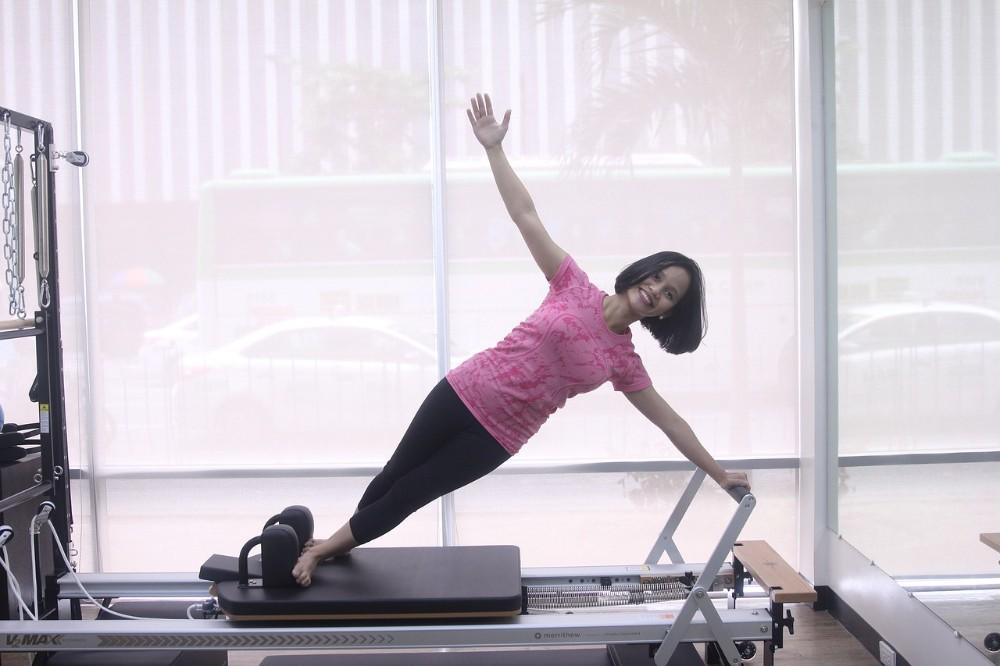

The benefits of Pilates are vast and include having a strong core and flat abs, increasing your range of motion and flexibility, more energy, supporting improved posture and body awareness, engaging breathing techniques, and even reducing stress, increasing stamina, improving concentration, and becoming more mindful. Pilates class is for whole body health, and you will begin to feel this effect after a few sessions.


Is Pilates Expensive?
Whether Pilates is expensive depends on where you live, how you practice (private vs. group, mat vs. reformer), and how often you attend sessions. Let’s take a deep, detailed look at this — breaking down why Pilates can feel costly, what influences its pricing, and whether it’s truly worth the investment for your health and fitness.
Pilates Cost In India
- Delhi (New Delhi / NCR):
- Hourly (one-on-one) ~ ₹ 650–₹ 1,250.
- Group classes: around ₹ 1,280 average per class; studio packages show ~ ₹ 1,180 per group session at one club.
- Monthly option for 3x/week sessions quoted at ~ ₹ 8,000–₹ 10,000.
- Mumbai:
- Average per-class fee ~ ~₹ 1,000/hour for tutors.
- At select studios: ₹ 2,750 for a single session.
- Starting packages in some studios show ~ ₹ 1,400+ per session.
- Pune:
- The hourly rate for private classes is quoted at ~ ₹ 3,206.
- For group matwork: example pricing ~ ₹ 1,500 per month (twice a week) at one studio.
- 10-session packages: ~ ₹ 6,500 for group matwork.
- Kolkata:
- Average per-class rate ~ ₹ 853/hr according to one platform.
- Monthly group rates for 12 classes ~ ₹ 6,720–₹ 11,520.
- Bangalore (Bengaluru):
- Hourly rate ~ ₹ 950/hr for many tutors.
- Single class example: ₹ 950 (group equipment class) or 10-class pack for ~ ₹ 8,500.
- Monthly group packages: ~ ₹ 6,000 for 5 sessions.
Search for online yoga classes here.
Things To Know Before Starting Pilates Classes
Before you can consider spending money on a regular exercise class, it'd be wise, would it not, to understand what you are buying into?
Pilates is a type of exercise that, as we know from above, has been specifically designed for total body conditioning, strengthening, and improving the stability of the body. But did you know about the fascinating history behind the popular exercise regime?
Many long-time practitioners continue doing Pilates well into their 80s and 90s — Joseph Pilates himself was practicing daily into his 80s, proving that movement truly is medicine.
History of Pilates
Pilates was invented in the 1920s by a German soldier named Joseph Pilates whilst being held on the Isle of Man during the First World War. Pilates (the person, not the exercise regime!) was a firm believer in the connection between the mind and body, and this belief formed the basis for his activity.
Joseph Pilates invented Pilates to follow a set of principles; these principles are the foundation of Pilates, and when used together, they support you to achieve all of the benefits that Pilates has to offer. So, if you are 'um'ing and 'ah'ing about whether Pilates can do much for you, then just see what you could be benefiting from in terms of its key principles.

Is Pilates a Good Way to Lose Weight?
Pilates can support weight loss, but it’s not the fastest calorie-burning workout on its own. It focuses on controlled, low-impact movements that strengthen your core, improve posture, and build lean muscle — all of which boost your metabolism over time. While a single Pilates session may burn fewer calories than high-intensity cardio, it enhances body awareness and muscle tone, helping you maintain a more active lifestyle and avoid injury.
That said, Pilates works best for weight loss when combined with a balanced diet and regular cardiovascular exercise such as walking, swimming, or cycling. Its true strength lies in creating long-term body composition changes — reducing inches, improving alignment, and increasing overall energy efficiency — rather than just dropping numbers on the scale.
What Pilates Equipment Do I Need To Learn Pilates?
One of the most significant benefits of practicing Pilates is the flexibility of the method. Pilates can be practised by everyone and can be done almost anywhere. The same can be said of the equipment; you can use anything from just a mat to the Pilates Reformer machine, the choice really is yours. The great thing is that it doesn’t matter if you practise with minimal equipment or fancy equipment; you still get the same results.
Find out about yoga classes near me here.
The Minimum Equipment Needed
To learn Pilates in India, there are a few pieces of equipment that you may need, depending on the type of Pilates exercises you plan to do. Here are some of the most common Pilates equipment and their estimated costs in India:
- Pilates Mat: A Pilates mat is the most basic equipment required for Pilates exercises. It provides cushioning and support during the exercises. The cost of a Pilates mat in India can range from Rs. 500 to Rs. 3000, depending on the brand and quality.
- Pilates Ring: A Pilates ring, also known as a magic circle, is a circular ring made of flexible metal or rubber. It is used for resistance training to build strength and tone muscles. The cost of a Pilates ring in India can range from Rs. 600 to Rs. 1500.
- Pilates Ball: A Pilates ball, also known as a Swiss ball, is a large inflatable ball used for Pilates exercises. It is used for strengthening the core muscles, improving balance, and flexibility. The cost of a Pilates ball in India can range from Rs. 500 to Rs. 1500.
- Pilates Reformer: A Pilates reformer is a large piece of equipment used for advanced Pilates exercises. It consists of a sliding platform, foot bar, and pulleys that allow for resistance training. The cost of a Pilates reformer in India can range from Rs. 50,000 to Rs. 1,50,000.
- Pilates Chair: A Pilates chair is a compact piece of equipment that is used for advanced Pilates exercises. It consists of a seat, foot pedal, and spring-loaded resistance system. The cost of a Pilates chair in India can range from Rs. 20,000 to Rs. 50,000.
It is important to note that while Pilates equipment can enhance your Pilates practice, they are not essential for a successful Pilates workout.
While you can attend different types of Pilates classes, some of which will require equipment and some of which will not. It is unlikely that you would need to provide any more than the above when attending classes, as larger equipment is usually provided by the studio or gym. Often you can even get a mat provided, but it is still wise to invest in your own basic equipment.
Different Styles of Pilates
Since being invented by Joseph Pilates 100 years ago, many styles of Pilates have been developed and are practised today. The most well-known style is classical Pilates practised in the studio with a mat. But other kinds of Pilates are also gaining popularity.
As with all things, it is up to the individual Pilates studios and Pilates instructors to decide what prices to charge. To find the price that is most suitable for you, you will need to shop around a bit, but we will give a rough idea of what you can expect to get you started.
- Classical and contemporary Pilates is the style of Pilates that is most well-known and most regularly seen in gyms and studios. This is the style of pilates that beginners would try first. These classes focus on building up core strength (also called the powerhouse), connecting the mind and body, proper breathing, and body awareness. Classical and contemporary Pilates differ only in that contemporary Pilates has continued to develop new postures to suit practitioners. Classical and contemporary Pilates give emphasis to holistic wellness and use resistance movements to improve the body.
- Clinical Pilates is a fusion of physiotherapy and Pilates; it focuses on rehabilitation and the healing of injuries. Created by physiotherapists who were inspired by Pilates and the effects achievable with regular practice. This kind of Pilates is not Pilates in its traditional form, and although it is called clinical Pilates, the terms are used loosely.
- Stott Pilates is a branded type of contemporary Pilates with the main difference being the focus on spine alignment. Although the alignment of the body is the main focus, Stott Pilates is based on and very similar to classical Pilates.
- Polestar Pilates method is focused on balanced personalisation, which allows each practitioner to have a different way to practice Pilates based on their fitness goals, fitness levels, and body type. Polestar also focuses on rehabilitation and taking control of your body to move towards a healthy and strong Polestar Pilates has a scientific mission and is built upon the foundation of classical Pilates.
- Reformer Pilates is the type of Pilates that is done using the Reformer Machine. This machine was invented by the same man who invented Pilates 100 years ago. This method of Pilates is entirely done with a machine, the machines are provided by the studio, and are great for working out in a gentle but effective way without causing injuries.
Minimum Investment For Your First Class Based On Style = Rs. 2000
You can also explore yoga classes in Mumbai for affordable and effective alternatives to get started.

How Pilates Classes Can Change Your Body
We've discovered the principles of Pilates and what is required of you to make the exercise a beneficial one to do again and again, but what are the advantages and benefits we keep referring to, and how do they really impact you and your body?
The overriding benefit of practising Pilates is that you will be able to improve your core strength which will, in turn, do great things for your physical self like encourage great posture, give you better spinal alignment, and strengthen your joints. All of these will then work toward offering you a good physical and mental balance. It is often described as a total body workout, meaning that literally all of your body is involved and thus develops and improves together as one.
In more straightforward terms, though, this activity supports gaining leaner muscles, losing weight, improving energy and increasing both physical and mental strength.
Each of the principles of Pilates is a building block toward good health, better posture, inner awareness, proper breathing, stronger abdominal muscles (core), and a fundamental connection between body and mind, so regular training sessions are recommended to unlock all of these positives.
While Pilates training can be challenging, it is so beneficial to your well-being and therefore addresses all aspects of your life.
Examples of How Pilates Can Make Subtle Changes To Your Body
Posture
Maintaining a correct posture is a core focus in Pilates, and your posture will noticeably improve over time.
Weight loss
Losing weight is a natural bonus to anyone practising Pilates, along with maintaining a healthy lifestyle and eating a balanced diet. Over time, you will even notice that you have lean, toned muscles that make you appear taller and slimmer.
Improved flexibility
Improving flexibility is also a natural process of Pilates; the exercises encourage your muscles and your joints to release any stress and stretch to their maximum potential, a long-term benefit so long as you keep up the training.
Strengthened Core
Having a strong core is desirable for many and is a crucial part of Pilates training as the core of your body is the power station that supports the rest of your body. The benefits of a strong core are a smaller waistline, flat abs and a toned torso.
Stress-reducing
Everyone suffers from stress these days, and it is important to practice anything that can help you overcome that. Pilates workouts reduce stress naturally, as with most exercises, with a gentle, mindful, approach that can be practiced in your spare time too. The importance of the connection between body and mind is central to Pilates.
Pilates really is for everyone, no matter what stage in life you are or what your ultimate health goals are. Pilates can bring great benefits, whether practiced on its own or alongside other physical activities. Pregnant, injured, inflexible, child, senior citizen... anyone and everyone can give it a go!
Can Pilates Make You Grow Taller?
While exercises like Pilates cannot magically make you grow, the stretches that are involved in the workout can indeed add an appearance of height to a person because of how they improve posture and work to stretch their body into a more elegant pose. The difference won't be significant though, mind you.
Some youngsters practicing yoga may believe otherwise, but it is likely that their growth is down to their bones and body continuing to grow to their final length and height (which can happen as late as between age 18-20 years of age according to experts).
Some fitness lovers have capitalized on this ideology of growing through exercises which could be seen a somewhat controversial, especially if they are taking money from people who are in it to get those extra few centimeters.
The Daily Mail reported on entrepreneur Pierre, who developed a class named A-Grow-Bics dedicated to pint-sized people (and equally for those who aren't vertically challenged), which aims to train the body to appear taller. Pierre claims to have gained inches from this workout regime, but does put it down to the elasticity of the human body when trained and manipulated.
Different Ways to Learn Pilates
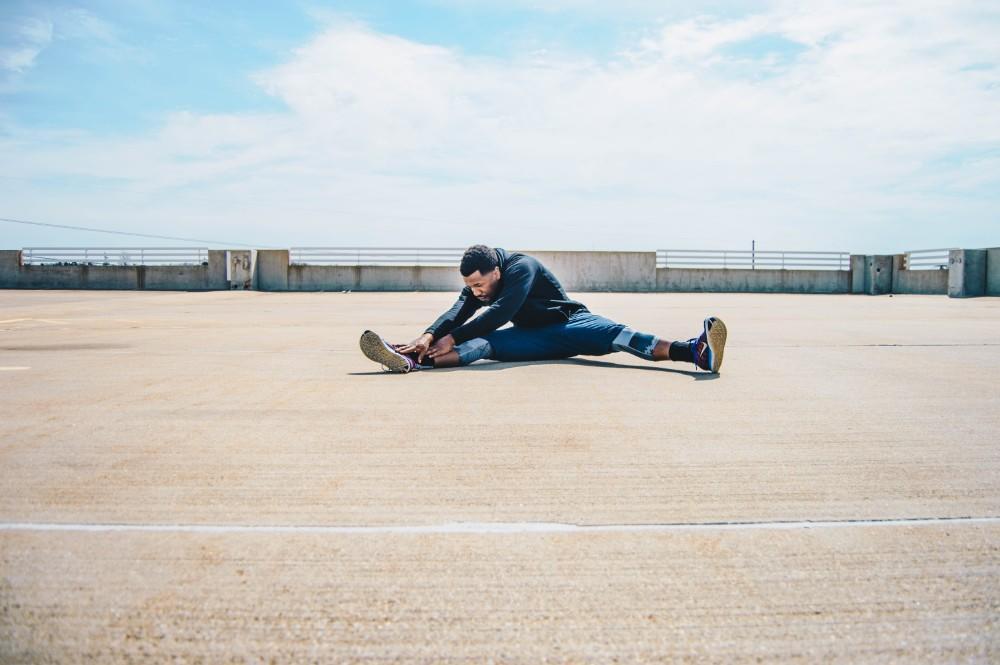
In-Studio or Gym
Joining a gym or Pilates studio lets you experience guided classes using mats or reformer machines. Many gyms include Pilates in their membership packages, giving you access to classes without extra cost.
Retreats and Workshops
Pilates retreats offer immersive, full-day sessions that combine movement, mindfulness, and holistic wellness — ideal for those seeking a deeper connection to the practice.
DVD or Online Streaming
Practicing with DVDs or live online sessions allows flexibility and privacy at home. One-on-one virtual classes provide personalized guidance and progress tracking.
Pre-Recorded Online Classes
Free or paid online platforms, especially YouTube, offer high-quality Pilates workouts for all levels. You can practice anytime, though self-motivation is essential to stay consistent.ree
So how much will your next Pilates class cost? That depends on how and where you want to practise. But the cost is very promising, with free being the starting price for many of the classes available. Whatever you decide, don’t let too much time pass in deciding. A whole host of Pilates benefits are waiting for you to incorporate them into your life.
Summarise with AI:
Did you like this article? Leave a rating!


 Loading...
