
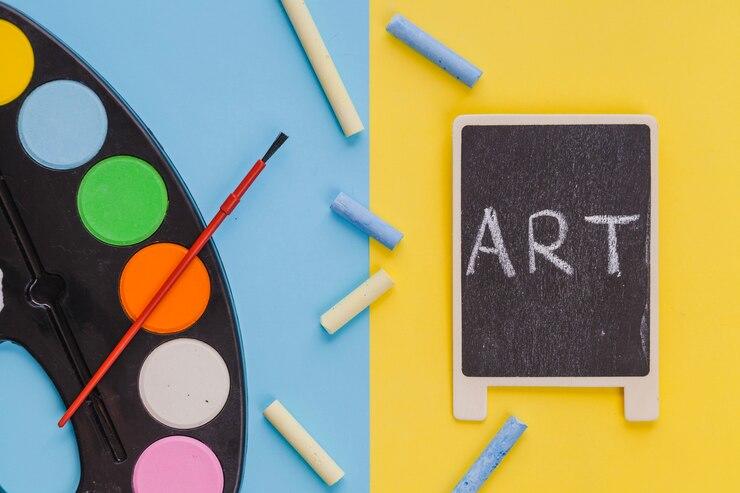

Setting your rates as an art teacher can be tricky, especially when you're just starting. The fee you charge for your art classes not only determines your income but also sets the expectations for the kind of experience students will receive. You want to price your classes competitively without undervaluing your time and skills. This guide is aimed at helping you understand how to structure your art class fees in the Indian context and make the best decisions about whether you're offering beginner or advanced lessons.
Want to give private lessons?
Join the Superprof community and share your knowledge with interested and motivated students.
Understanding Your Market and Audience
Before diving into the specifics of pricing, it’s essential to know your target audience and the market you’re operating in. Are you offering art classes for beginners? Are you teaching children, adults, or professional-level students? Each of these groups requires a different approach to pricing.
Research Local Art Classes
Begin by looking at the competition in your area. Check the fees for art classes offered by local studios, hobby centers, and freelance art teachers. In India, art classes can range anywhere from ₹500 to ₹2,500 per session, depending on location, expertise, and reputation. If you’re based in metro cities like Mumbai, Delhi, or Bengaluru, you can charge more than teachers in smaller towns. This research will give you a solid understanding of the going rates and help you determine where your pricing fits into the market.
Identify Your Audience
If your art classes for beginners are targeting schoolchildren, your pricing will differ from classes aimed at adults or hobbyists. Children’s art classes often focus on building creativity and exploring basic techniques, so parents might not want to spend a fortune. On the other hand, adult learners or professionals might be willing to pay more for specialized courses, like watercolor techniques or oil painting mastery. Understanding who you are teaching is crucial to structuring your fees appropriately.
How to Structure Art Classes
The structure of your classes plays a big role in how you set your rates. Will you offer group classes, one-on-one sessions, or workshops? Each format impacts both how you plan the lessons and the fees you can charge.

Group Classes vs. Individual Lessons
Group classes are a popular choice for art teachers in India, especially when targeting beginners. For group classes, you can charge slightly lower fees per student because you’ll have several students paying at once. For example, charging ₹1,000 per student in a group of five allows you to earn ₹5,000 in one session, which can be more profitable than one-on-one sessions at ₹2,500.
Individual lessons, however, offer personalized attention and can be priced higher. If you’re offering specialized instruction, like portfolio preparation for art school admissions, one-on-one teaching could easily fetch fees between ₹2,000 and ₹5,000 per hour, depending on your expertise.
Class Duration and Frequency
Another factor in structuring your art classes fees is the duration and frequency of the classes. Standard art classes run for about 1 to 2 hours. Beginners typically benefit from shorter, more frequent sessions to build their skills gradually. In India, most art teachers offer weekly sessions, either on weekends or after school/work hours.
For beginners, you might structure your classes into modules: basics of sketching, introduction to shading, learning color theory, etc. These structured programs can run for 2 to 3 months and allow you to create package deals. For example, a three-month course with weekly sessions can be priced as a package, say ₹8,000 for 12 classes, making it a better deal than paying for individual sessions.
Workshops, on the other hand, are usually more intensive and short-term, spanning 3-4 hours or over a weekend. You can charge higher fees for these workshops, depending on the complexity of the content. For example, a weekend watercolor painting workshop could be priced at ₹3,500 per participant.
Art Supplies: Include or Exclude?
A key consideration when setting your fees is whether you will provide art supplies or expect students to bring their own. For art classes for beginners, especially for children, it’s common to include basic supplies like paper, pencils, and paints in the fees. However, for more advanced classes or adults, you might ask students to purchase their own materials.
Including supplies in your fees simplifies the process for beginners, but it also raises your costs, which you should factor into your pricing. If you’re providing high-quality materials, your fees should reflect that. You could offer tiered pricing: a lower fee for students bringing their own supplies and a higher fee for those who want the convenience of provided materials.
Want to give private lessons?
Join the Superprof community and share your knowledge with interested and motivated students.
Pricing Based on Your Expertise
Your level of experience as an art teacher should also dictate your pricing. If you have a degree in fine arts, a portfolio of exhibitions, or professional experience as an artist, you can charge more than someone without these credentials. Experienced teachers with a strong reputation in the art world can command premium fees, especially if they’ve been featured in galleries or media.
Certifications and Credentials
In India, having a formal qualification in fine arts can boost your credibility and allow you to charge higher fees. For example, if you have a Bachelor of Fine Arts (BFA) or Master of Fine Arts (MFA) degree, you can market your expertise, especially for students looking for advanced lessons or portfolio guidance.
If you don’t have formal training but have built a successful career as an artist, use your portfolio as proof of your skills. Show potential students your work to justify your fees. Hosting open workshops or participating in local art fairs can help establish your reputation and justify higher pricing.
Flexibility in Payment Plans
To make your classes more accessible to a wider audience, especially in India where affordability is a concern for many families, consider offering flexible payment plans. For example, you could allow students to pay for classes monthly rather than upfront for the entire course. Alternatively, offering discounts for full upfront payment can be an incentive for those willing to commit.
Offering Trial Classes
Trial classes can help attract new students without scaring them away with high upfront costs. Many Indian teachers offer the first class at a discounted rate or even free, allowing students to experience the learning environment before committing. This trial class can be a shorter version of your regular class and give students a taste of your teaching style.
For beginners, a trial class is a great way to break the ice and make them feel more comfortable before signing up for a full course. You can use this opportunity to explain the value of your teaching and the learning outcomes they can expect from your classes.

Additional Income Opportunities
Apart from regular lessons, there are other ways to boost your income as an art teacher in India. Consider offering specialized workshops, conducting online art classes, or even creating a YouTube channel where you share tips and techniques. These additional ventures can enhance your reputation and attract more students to your in-person classes.
Online Art Classes
The pandemic showed us the potential of online learning, and this trend continues. Online art classes for beginners are becoming increasingly popular, especially in India’s metro cities where commuting can be a hassle. You can offer virtual lessons to reach a wider audience and potentially charge less per class since there’s no need to rent a space or provide physical materials.
You can also create downloadable content like teachers or e-books, which students can purchase as a supplement to your classes. Offering these extras builds value around your teaching and allows you to create a passive income stream alongside your regular classes.
Charge What You’re Worth
Setting your art classes fees in India requires careful consideration of various factors: your expertise, target audience, competition, and the structure of your classes. By understanding your market, creating a well-structured pricing model, and offering flexibility in your payment plans, you can ensure that your rates reflect your worthwhile remaining competitive. Art is a valuable skill, and as a teacher, you should feel confident in charging for your time, effort, and creativity. Whether you’re teaching art classes for beginners or advanced students, the key is to find the balance between accessibility and fair compensation.
Pricing your classes thoughtfully not only ensures fair compensation but also attracts students who value your expertise. Remember, your time and skills as an art teacher are valuable—set rates that honor both your dedication and your students' needs. With balanced pricing, you'll build a sustainable and rewarding teaching practice.
Want to give private lessons?
Join the Superprof community and share your knowledge with interested and motivated students.
Summarise with AI:
Did you like this article? Leave a rating!

 Loading...
thanks for this info! I’m a recent Viscom grad & a couple of family friends contacted me for taking classes for their kids. this article everything I needed to know to get started on the right foot!
I want to start My Own Drawing Class but i can’t figure out how to do it i know where you start something and you’re good at it but don’t know the pattern and terms of it so can you help explain step by step
Hello,
Kindly connect with our customer relationship manager at namaste@superprof.com, we will find a solution.