



The Main Tenets of Hatha Yoga at a Glance
Before exploring each principle in depth, here is a quick summary of the core tenets that define Hatha yoga practice:
- Shatkarma – Six internal cleansing techniques that purify the body and remove energetic blockages
- Asana – Physical postures that build strength, flexibility, and bodily awareness
- Pranayama – Breath control practices that regulate and expand vital life energy (prana)
- Mudra – Specific gestures made with the hands, head, or body to direct energy flow
- Bandha – Energy locks applied to specific regions of the body during practice
- Dhyana – Meditation as a practice of focused awareness, not mental emptiness
- Samadhi – The ultimate state of higher consciousness and inner stillness
Each of these principles is explored in full below.
What Is Hatha Yoga? Understanding Its Core Focus
Hatha yoga is the physical branch of the broader yogic tradition — but "physical" here means far more than exercise. The word Hatha itself is a compound of ha (sun) and tha (moon), representing the two opposing energies that run through the human body: masculine and feminine, heat and coolness, effort and surrender.
The main focus of Hatha yoga is the balancing of these energies through disciplined physical and mental practice. When these opposing forces — carried through energy channels called Nadi — are brought into equilibrium, the body's chakras open and vital energy flows freely. This is what distinguishes Hatha yoga from a simple fitness routine: it is a complete system designed to prepare the body and mind for deeper spiritual awareness.
When thinking of human spiritual development in that light, yoga fits right in.
You can read more about these and other aspects in our deeper look into the history of Hatha yoga.
Principle 1: Shatkarma – The Six Cleansing Practices
What it is: Shatkarma refers to six purification techniques (kriyas) that cleanse the body's internal systems and clear blockages along the energetic pathways.
Why it matters: Before the body can hold and circulate energy effectively, it must be internally clean. These kriyas address the sinuses, eyes, digestive tract, and respiratory system — working from the inside out.
The Trataka gazing practice is used in contemporary neuroscience research as a tool for studying sustained attention and visual concentration in the human brain.
The six kriyas are:
- Dhauti – Cleansing of the stomach, typically using saltwater. An advanced form, Vastra Dhauti, uses a saltwater-soaked cloth.
- Basti – A yogic form of internal cleansing through a combination of saltwater and specific asanas.
- Neti – Nasal irrigation using a Neti pot and saltwater — widely used today for sinus health and allergy relief.
- Nauli – A controlled, four-stage abdominal muscle isolation technique that massages and tones the internal organs.
- Trataka – Fixed-gaze meditation on a focal point such as a candle flame, held for five minutes or more, cleansing the eyes and sharpening concentration.
- Kapalabhati – Forceful, rhythmic exhalation followed by automatic inhalation; literally meaning "skull shining," it clears the respiratory passages and energises the mind.
Practical note: These techniques are not daily practices. Performing them occasionally — roughly once every few months — is sufficient. Overuse may cause more harm than benefit.
Kapalabhati, one of the six Shatkarma kriyas, is now classified as a pranayama technique in most modern yoga schools — a significant departure from its classical definition.
Learn with amazing yoga classes near me here on Superprof.
Principle 2: Asana – Physical Postures
What it is: Asanas are the yoga postures most people associate with yoga practice. The word means "seat" or "posture" in Sanskrit.
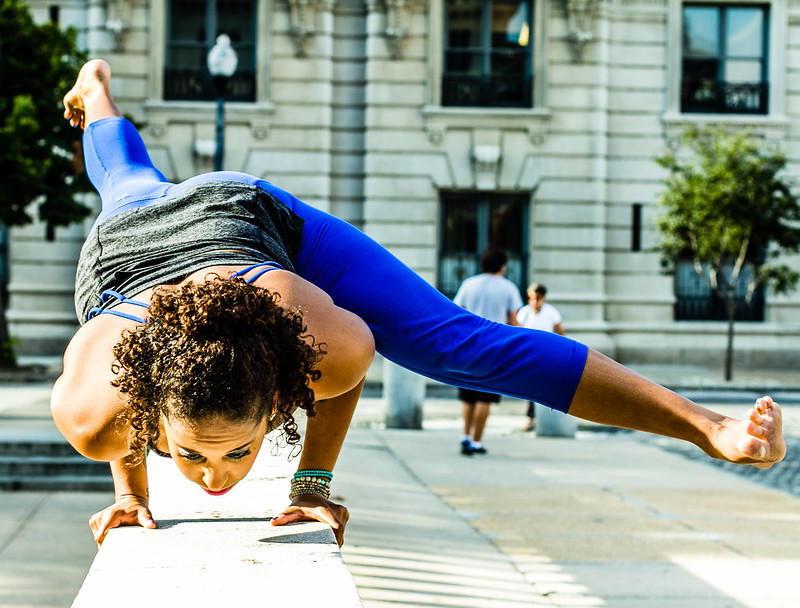
Why it matters: In Hatha yoga, asanas serve a specific purpose: to build a strong, flexible, and comfortable body capable of sitting in prolonged meditation without physical distraction. They work the limbs, core, and spine while supporting cardiovascular and respiratory health.
Asanas balance the internal focus of Shatkarma with external physical conditioning. To practise them well, it is important to understand not just how to perform each pose but what part of the body it targets and why.
Read our guide to all about Hatha yoga poses for a full breakdown.

Principle 3: Pranayama – Control of Life Energy
What it is: Pranayama is commonly described as breath control, but that is an incomplete definition. Prana means vital life force; yama means to gain control. Pranayama is the practice of regulating prana — the breath being the most accessible vehicle for doing so.
Why it matters: Controlled breathing directly influences the nervous system, the flow of energy through the Nadi, and the quality of one's mental state. Regular pranayama practice reduces stress, improves lung capacity, and prepares the mind for meditation.
Common pranayama techniques in Hatha yoga include Nadi Shodhana (alternate nostril breathing), Bhramari (humming bee breath), and Ujjayi (victorious breath).
Locking energy also helps activate chakras, a fundamental function that makes Hatha yoga what it is.
Principle 4: Mudra – Gestures That Direct Energy
What it is: Mudras are intentional gestures made with the hands, face, head, or perineum. They are not postures (asanas) — they are symbolic and energetic movements that redirect the flow of prana within the body.
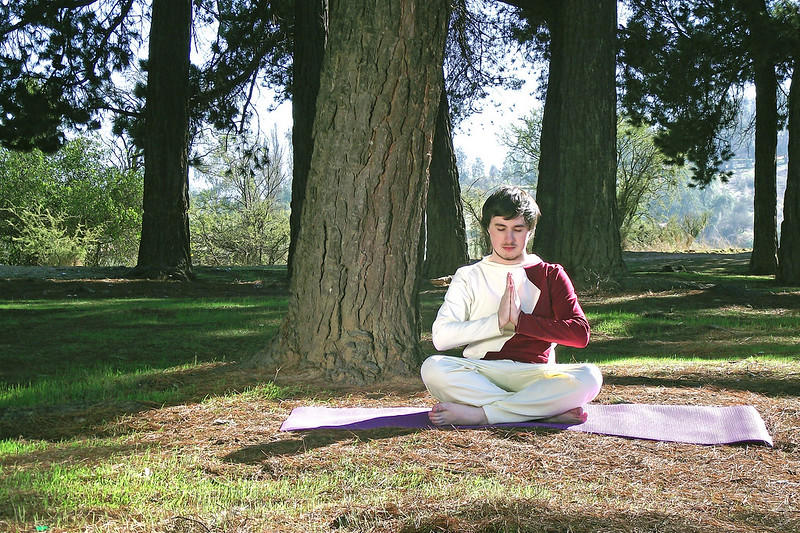
Why it matters: Different mudras influence different energy centres and states of mind. The most familiar are Hasta Mudras — hand gestures — such as Chin Mudra (thumb touching index finger, associated with consciousness and knowledge) and Anjali Mudra (prayer hands, representing reverence and balance).
Principle 5: Bandha – Energy Locks
What it is: Bandhas are internal muscular locks applied to specific regions of the body during pranayama and asana practice. The word bandha means "to lock" or "to hold."
Maha Bandha, the simultaneous engagement of all three energy locks, is described in ancient texts as capable of reversing the ageing process — a claim that continues to fascinate modern researchers studying breathwork and the nervous system.
Why it matters: By locking energy in a specific area, bandhas intensify its effect on the associated chakra and organ systems. The three primary bandhas are:
- Jalandhara Bandha – Throat lock; chin drawn to chest, sealing the throat
- Uddiyana Bandha – Abdominal lock; the belly drawn inward and upward
- Mula Bandha – Root lock; contraction of the perineum
Engaging all three simultaneously is called Maha Bandha — the great lock — which is considered one of the most powerful energetic practices in Hatha yoga.
Principle 6: Dhyana – Meditation as Focused Awareness
What it is: Dhyana is meditation — but not the popular notion of "emptying the mind." In Hatha yoga, Dhyana is the sharpening of focused awareness.
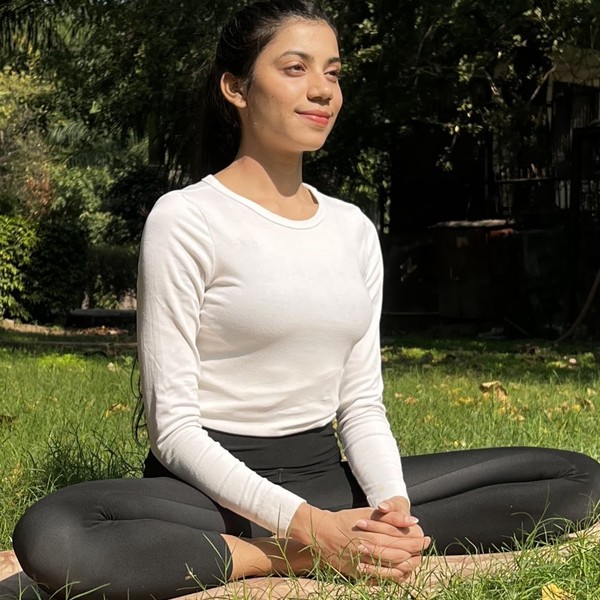
Why it matters: The goal of Dhyana is to sustain single-pointed concentration, excluding intrusive thoughts without force or suppression. The mind is trained to remain present — whether the focus is the breath, a mantra such as Om, or a visual point.
This quality of attention, once cultivated, carries over into daily life — improving clarity, decision-making, and emotional steadiness. It is also the direct preparation for the final state: Samadhi.
Principle 7: Samadhi – The State of Higher Consciousness
What it is: Samadhi is the culminating state of Hatha yoga practice — a condition of profound inner stillness, expanded awareness, and bliss. It is recognised in both Buddhist and Hindu traditions as the highest meditative attainment.
Why it matters: In Samadhi, the distinction between the observer and the observed dissolves. The mind becomes completely still; the self becomes a pure channel of awareness. Physical sensations — heat, cold, hunger, discomfort — recede. Advanced practitioners who have achieved Samadhi can sustain this state through conditions that would overwhelm an ordinary mind.
It is not a goal to rush toward. It is the natural outcome of sustained, sincere practice of all the preceding principles.
Discover more about the importance of Hatha yoga and how it fits into modern life.
Summarise with AI:
Did you like this article? Leave a rating!

 Loading...
