

Key Facts About Swimming and Strokes
Before diving into the details, here are the must-know facts about swimming and the four main strokes:
- Swimming is a critical life skill in India — drowning remains one of the leading causes of accidental death, particularly during the monsoon and in coastal and riverine regions.
- There are four officially recognised competitive swimming strokes: freestyle (front crawl), backstroke, breaststroke, and butterfly.
- Freestyle is the fastest stroke, while breaststroke is typically the slowest but easiest to learn.
- Swimming is one of the largest Olympic sports, with India fielding swimmers at every Olympics since 1948 — Sajan Prakash and Srihari Nataraj became the first Indian swimmers to qualify on direct Olympic 'A' standard times at the Tokyo Olympics in 2021.
- It is a complete full-body workout — building cardiovascular endurance, muscle strength, flexibility, and lung capacity simultaneously, with very low impact on joints.
- Recreational and competitive value is unmatched — swimming is enjoyed across all age groups, with structured competitive pathways under the Swimming Federation of India (SFI) and World Aquatics (formerly FINA).
- As of 2026, India has over 4,000 registered swimming pools and 200+ official competition-grade pools, with the number growing rapidly across metro and tier-2 cities.
Why Swimming Matters in India
Swimming is not just a sport in India — it is a survival skill. With nearly 7,500 km of coastline, a vast river network, and extensive flood-prone regions, the ability to stay safe in water is genuinely life-saving. A 2023 Lancet study estimated that drowning accounts for over 38,000 deaths in India every year, with children and adolescents disproportionately affected. Many of these tragedies occur in unsupervised settings — wells, ponds, rivers, and reservoirs — where basic swimming skills and water confidence could have made the difference.
The cultural relationship Indians have with water runs deep. From bathing rituals on the ghats of Varanasi and Haridwar to the boat races of Kerala and the maritime traditions of the Konkan and Tamil Nadu coasts, water has shaped daily life for thousands of years. Yet historically, structured swimming instruction was reserved for the privileged few. That has changed dramatically over the past two decades. Cities like Bengaluru, Pune, Hyderabad, Mumbai, and Delhi now have a dense network of public, club, and society pools, and swimming has become a mainstream fitness pursuit across age groups.
Beyond safety and recreation, swimming has grown rapidly as a competitive sport in India. The Swimming Federation of India organises age-group and senior-level national championships every year, and Indian swimmers are increasingly competing at international meets including the Asian Games, Commonwealth Games, and World Aquatics Championships. The Sports Authority of India (SAI) operates dedicated training centres in Bengaluru, Bhopal, and Trivandrum, identifying and developing young talent from across the country. For parents, fitness enthusiasts, and serious athletes alike, learning to swim well — and knowing the difference between the four major strokes — is the foundation for everything that follows.
Find beginner-friendly swimming classes near me on Superprof.
Health and Fitness Benefits of Swimming
Few activities deliver the all-round physical benefits of swimming. Because the body is supported by water, swimming is one of the lowest-impact full-body workouts available — making it suitable for everyone from young children to senior citizens, pregnant women, and those recovering from joint or musculoskeletal injuries. Cardiologists in India increasingly recommend swimming as part of preventative care for lifestyle conditions like hypertension, type 2 diabetes, and obesity, all of which have been rising sharply in urban Indian populations.
A regular swimming routine improves lung capacity, builds lean muscle across the back, shoulders, core, and legs, enhances cardiovascular endurance, and supports mental wellbeing. The rhythmic, breath-focused nature of swimming has often been compared to a moving meditation — a quality particularly valuable for high-stress professionals in cities like Mumbai, Delhi, and Bengaluru. Children who swim regularly tend to develop better posture, balance, and lung function, and many Indian schools have begun integrating swimming into their physical education curricula.
Basics of Swimming Before You Learn the Strokes
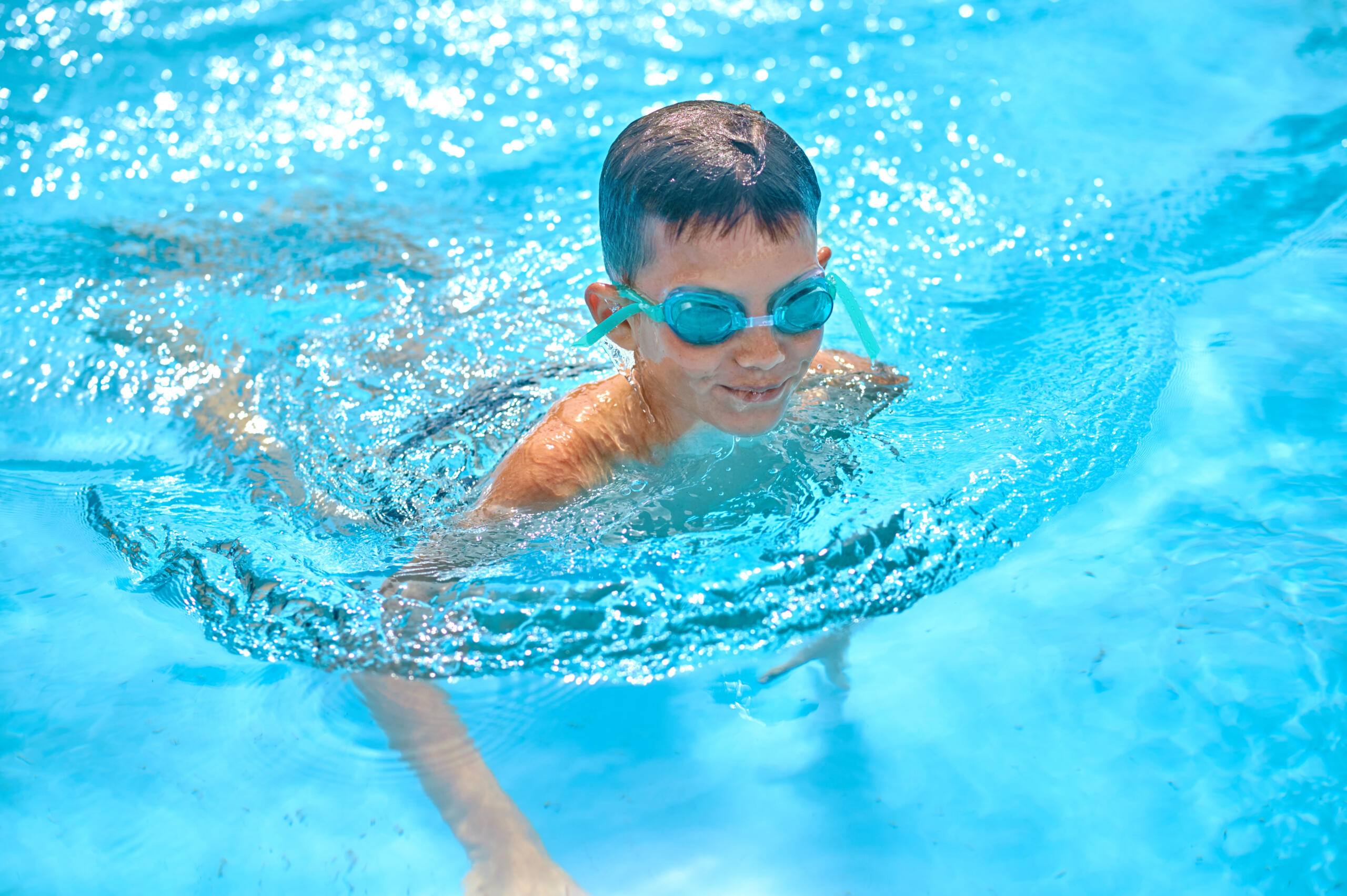
Before tackling any specific stroke, every swimmer needs to be comfortable with a few foundational skills.
These are typically taught in the first few weeks of any beginner swimming programme in India:
- Floating — learning to relax and let the body rest on the water's surface.
- Breath control — exhaling underwater and inhaling rhythmically when the head is above water.
- Pool entry and exit — using ladders or steps safely before progressing to dives.
- Treading water — staying upright and afloat in deep water without swimming forward.
- Confidence and comfort — spending time in the water until anxiety naturally fades.
These skills may sound simple, but they're the bedrock of every advanced technique. Coaches across India typically dedicate the first two to four weeks of any beginner programme to mastering these fundamentals before introducing structured stroke work. Trying to skip ahead almost always backfires — bad habits formed in the first few weeks are notoriously difficult to unlearn later.
Train for better endurance with swimming classes Chennai.
The Four Different Swimming Strokes
There are four officially recognised competitive strokes, each with its own technique, breathing pattern, and ideal use case. World Aquatics defines the rules for each at competitive level, but the strokes themselves are taught the same way at every level — from beginner classes in a Pune apartment pool to elite training at SAI centres.
1. Freestyle (Front Crawl)
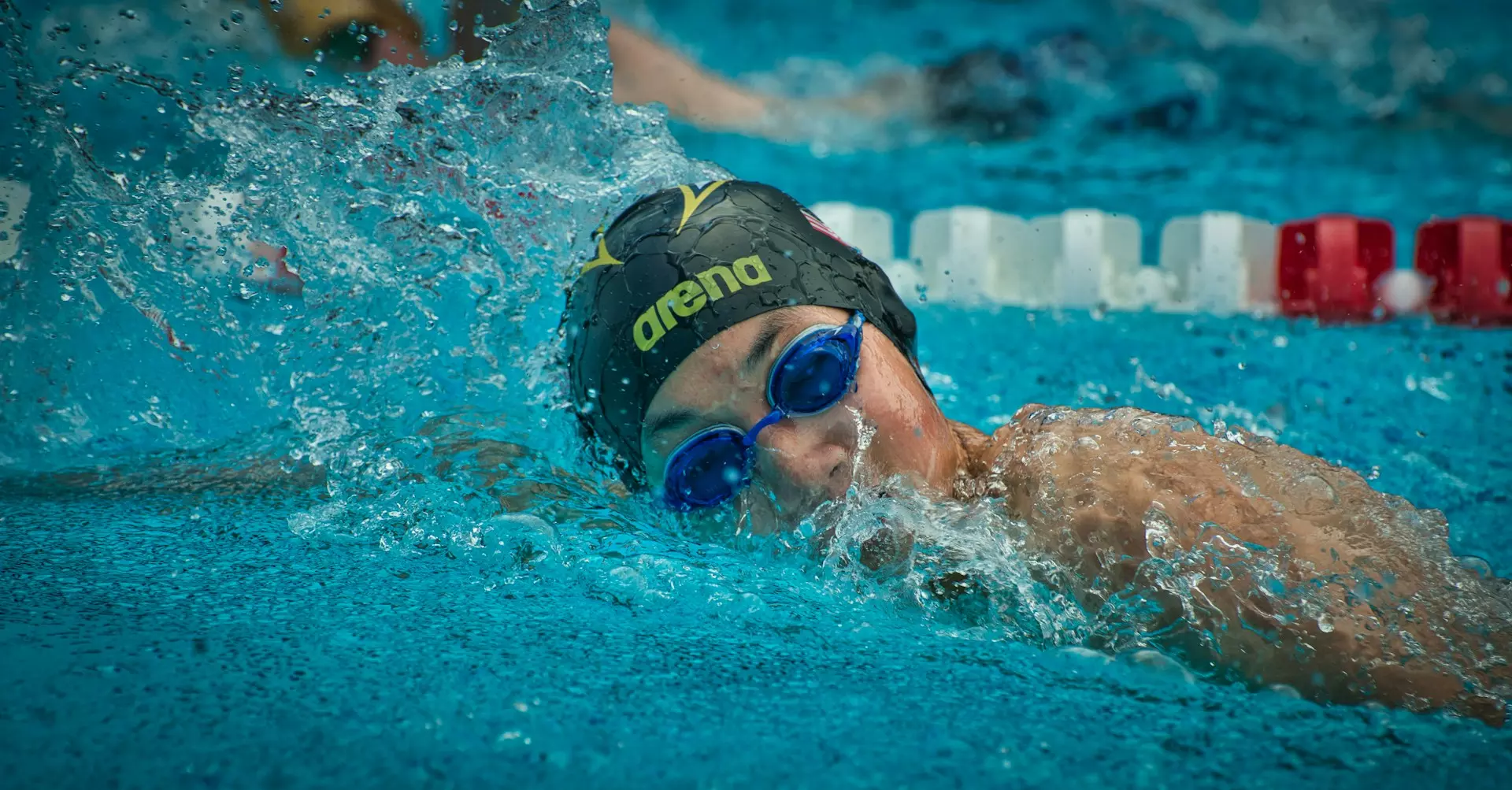
Freestyle, also known as the front crawl, is the fastest and most efficient swimming stroke. It uses alternating arm strokes and a continuous flutter kick, with the swimmer's body lying flat on the front. Breathing involves turning the head sideways during arm recovery — a coordinated movement that takes practice to master comfortably.
Freestyle is the default stroke in competitive events when no specific stroke is mandated, which is why "freestyle" and "front crawl" are used interchangeably. Indian record holders like Srihari Nataraj have built their international careers around freestyle and backstroke specialisation.
For a deeper guide on technique, breathing patterns, and common beginner mistakes, refer to our dedicated freestyle article.
2. Backstroke
The backstroke is the only stroke performed lying on the back, with the face out of the water at all times. This makes it especially useful for swimmers who are still building breathing confidence — there's no need to coordinate inhalation with arm strokes the way freestyle requires.
Backstroke uses a continuous flutter kick along with alternating windmill-style arm strokes. The hand enters the water pinky-first to reduce drag. It's a fast and graceful stroke, and one of the four required in a competitive medley event. Backstroke also tends to be a favourite for swimmers with neck or shoulder issues, since it places less compression on the spine than the other strokes.
You can read our complete backstroke guide for a detailed walkthrough of technique, common errors, and training drills.
Learn swimming safely with swimming classes in Lucknow.
3. Breaststroke
Breaststroke is typically the first stroke taught to beginners in India, and for good reason. The face is mostly out of the water, the movements are symmetrical, and the rhythm is easier to learn than the alternating patterns of freestyle and backstroke.
The stroke uses a frog-like whip kick combined with simultaneous arm pulls in front of the body. The classic rhythm is "pull, breathe, kick, glide" — a sequence beginners often find intuitive. While slower than freestyle, breaststroke is highly efficient over long distances and is the easiest stroke to maintain conversation in for casual swimmers. It's also one of the most popular strokes among adult fitness swimmers in India for exactly this reason.
For technique tips, kick mechanics, and common beginner mistakes, see our dedicated breaststroke article.
The flutter kick is a crucial skill that makes up many different styles of swimming stroke (and their variations)
4. Butterfly
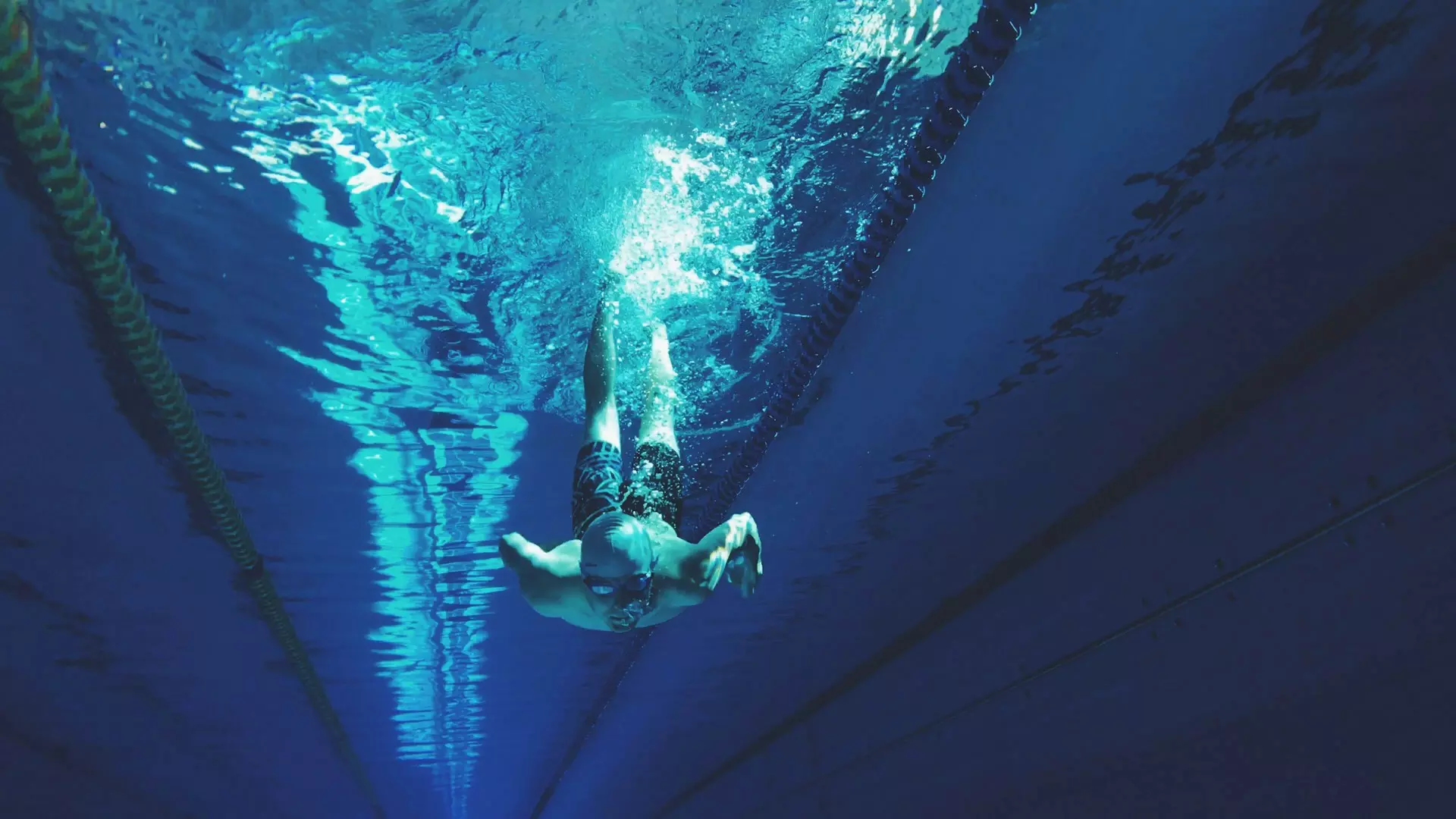
The butterfly is the most physically demanding of the four strokes. It uses a powerful simultaneous arm motion combined with a wave-like dolphin kick that originates from the hips. Breathing requires lifting the head and shoulders out of the water during the arm pull — a movement that demands serious core strength, coordination, and timing.
Butterfly is rarely the first stroke beginners attempt, and it is usually introduced only after a swimmer is comfortable with the other three. At competitive level, it is one of the four strokes used in individual medley events, and Indian swimmer Sajan Prakash holds national records in butterfly events.
For form, breathing rhythm, and how to build the strength needed for butterfly, see our complete butterfly guide.
Choosing the Right Stroke for Your Goal
Each stroke serves a different purpose, and most swimmers in India learn at least two or three to round out their skill set:
- For beginners: start with breaststroke for confidence and rhythm.
- For fitness and laps: freestyle is the most efficient choice.
- For relaxation: backstroke is gentle on breathing and easy to sustain.
- For strength and conditioning: butterfly builds power across the entire body.
- For competitive ambitions: all four strokes are required for the individual medley.
There's no single "best" stroke — competitive swimmers typically train all four to varying degrees, while recreational swimmers usually settle on one or two favourites that match their fitness goals and comfort in water.
Where to Learn Swimming in India
Access to swimming infrastructure in India has improved dramatically over the past decade. Most major residential complexes in metros now include a community pool, and government-run sports complexes — like the Talkatora Indoor Stadium pool in Delhi, the Basavanagudi Aquatic Centre in Bengaluru, and the Nehru Pool in Pune — offer subsidised access for residents and members. Many five-star hotels also offer day-pass access to their pools, particularly during the summer months. For serious learners, the Swimming Federation of India maintains a list of recognised training academies and clubs across all major states.
The most reliable way to progress, however, remains structured one-on-one coaching with a qualified instructor — particularly for beginners, children, and adult learners with water anxiety.
Learn to Swim With a Private Coach on Superprof
Whether you're a complete beginner, a school-age swimmer building competitive technique, or an adult learning to overcome water anxiety, working with a qualified swimming coach is the fastest way to make real progress. Group classes have their place, but private instruction allows the coach to identify your specific gaps — body position, kick timing, breathing rhythm — and address them in real time, session after session.
Superprof connects learners across India with verified swimming coaches, many of whom have competitive backgrounds, formal certification from the Swimming Federation of India, and years of experience teaching learners of all ages and levels. Browse coach profiles, compare reviews, and book your first session today. The water is waiting — and one of the four strokes above will be your first step into it.
Summarise with AI:
Did you like this article? Leave a rating!

 Loading...