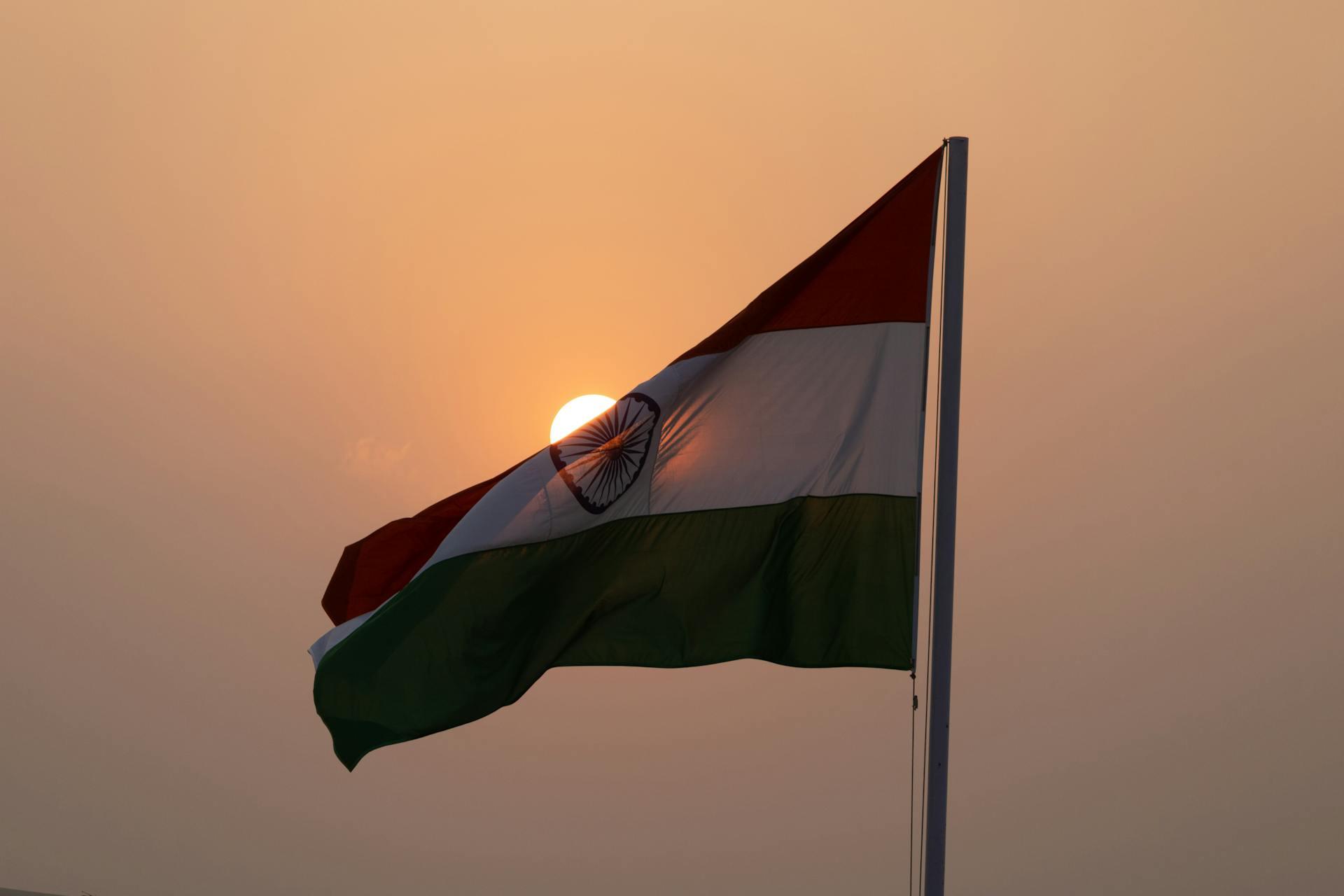

India is home to people of many faiths, making its calendar one of the most vibrant and diverse in the world. The religious festivals of India reflect the country's rich spiritual heritage and are celebrated with unique rituals, prayers, feasts, and cultural traditions. From Hindu, Muslim, Sikh, and Christian festivals to Buddhist and Jain observances, these Indian religious festivals promote harmony, unity, and respect for different beliefs. The following list highlights some of the most important religious festivals in India, including the religion they are associated with and the month in which they are usually celebrated.


Major Religious Festivals in India
| Festival | Religion | Usual Month | 2026 Date |
|---|---|---|---|
| Makar Sankranti | Hinduism | January | 14 January 2026 |
| Maha Shivaratri | Hinduism | February–March | 15 February 2026 |
| Holi | Hinduism | March | 3 March 2026 |
| Ram Navami | Hinduism | March–April | 26 March 2026 |
| Hanuman Jayanti | Hinduism | April | 2 April 2026 |
| Raksha Bandhan | Hinduism | August | 28 August 2026 |
| Janmashtami | Hinduism | August–September | 4 September 2026 |
| Ganesh Chaturthi | Hinduism | August–September | 14 September 2026 |
| Navratri (Begins) | Hinduism | September–October | 10 October 2026 |
| Dussehra (Vijayadashami) | Hinduism | September–October | 20 October 2026 |
| Diwali | Hinduism, Jainism, Sikhism | October–November | 8 November 2026 |
| Chhath Puja | Hinduism | October–November | 15 November 2026 |
| Eid al-Fitr | Islam | Varies | 21 March 2026* |
| Eid al-Adha (Bakrid) | Islam | Varies | 27 May 2026* |
| Muharram (Ashura) | Islam | Varies | 26 June 2026* |
| Milad-un-Nabi (Mawlid) | Islam | Varies | 26 August 2026* |
| Guru Nanak Gurpurab | Sikhism | November | 24 November 2026 |
| Baisakhi (Vaisakhi) | Sikhism | April | 14 April 2026 |
| Hola Mohalla | Sikhism | March | 4–6 March 2026 |
| Christmas | Christianity | December | 25 December 2026 |
| Good Friday | Christianity | March–April | 3 April 2026 |
| Easter | Christianity | March–April | 5 April 2026 |
| Buddha Purnima (Vesak) | Buddhism | April–May | 1 May 2026 |
| Losar | Buddhism | February–March | 18 February 2026 (widely observed Tibetan New Year) |
| Mahavir Jayanti | Jainism | March–April | 31 March 2026 |
| Paryushan | Jainism | August–September | 9–16 September 2026 |
*Note: Several festivals follow lunar calendars, so their dates change each year in the Gregorian calendar. This is why the month for some religious festivals of India may vary annually.
The Many Religions of India
India is a diverse nation, where all religions are scattered throughout the country and also concentrated in specific areas.
Hinduism, being the majority religion in India, is the most widespread religion and the foundation of the culture of the country. Many people of all religions in India live with Hindu traditions in their daily lives simply because that is how the people who have lived in these lands for thousands of years have done things as a lifestyle, not a religion.
As of a 2011 study by the Pew Research Center, Hindus are the majority religion in 28 out of 35 states in India including Uttar Pradesh, Maharashtra, and Bihar. This is only logical since Hinduism was formed about 5,000 years ago and spread through the land as the first major religion.
Muslims are a majority only in Lakshadweep and Jammu and Kashmir. Jammu and Kashmir are close to Pakistan, which is closer to Saudi Arabia than the rest of India, which is why there are many Muslims in that area. Since Islam is a much younger religion than Hinduism (founded in 610 CE), it has a much smaller population. The separation of India and Pakistan has also prevented more Muslims from travelling to India.
Lakshadweep converted from Buddhism and Hinduism to Islam between 631 and 825 CE as the island saw more and more Arabic traders and finally the king of Lakshadweep converted, leading all the inhabitants to convert as well.
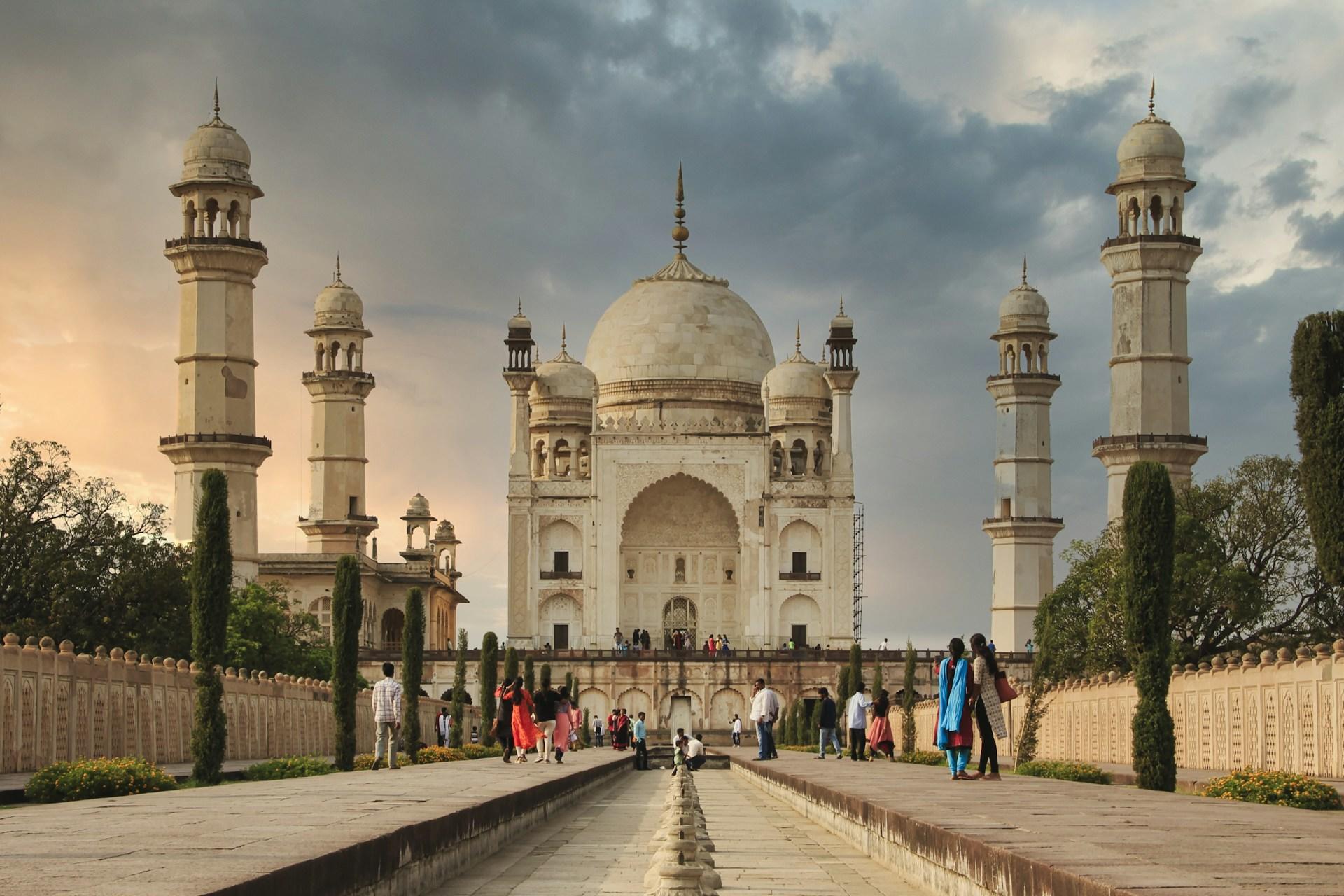
Sikhs are the majority in Punjab, where Sikhism was founded back in the 15th century. This newer religion has way fewer followers than the older religions in India (Hinduism and Islam) as is expected.
Christians first arrived in India in 52 CE with St. Thomas, who came to India to spread the word of Christ. He likely arrived in Kerala, in the port of Cranganore, after sailing down the Red Sea, across the Persian Gulf, and down the coast of India. St. Thomas made a lasting impression on the places he visited but didn’t get very far, as he was martyred in 72 CE.
Later, in 1510, Portugal colonised Goa, leading to a rise in Christianity there. Many people converted, but since then, many of these converted Christians emigrated and continue to do so, leading to a relatively low Christian population in Goa than one might expect. Only about 25% of Goans identify as Christian.
Christianity didn’t catch on in a big way until the 19th century when the British invaded Nagaland. Now, Christianity is the majority religion in Nagaland, Mizoram, Arunachal Pradesh, and Meghalaya. Most Christians in these areas are either Roman Catholic or Baptist.
All 4 of these major religions (plus others like Buddhism) are spread across India, intermingling with each other in each region. Many practitioners of one religion will also participate in certain aspects of other religions, ignoring the deep chasms between beliefs that have appeared in the West, an incredible testament to Indian togetherness.
| Religion | Followers in India | Percent of the Indian Population | Percent of All Followers Globally | How Much of the World is This Religion |
|---|---|---|---|---|
| Sikhism | 20,833,116 | 1.72% | 90% | <1% |
| Christianity | 31,130,000 | 2.30% | 1.50% | 31% |
| Islam | 200,000,000 | 14.20% | 9.50% | 23% |
| Hinduism | 1,093,780,000 | 78.90% | 94% | 15% |
The Impact of Religious Festivals on Indian Culture and Society
Each major religion in India has its own unique set of beliefs, traditions, and practices, and they play a role in shaping Indian society and culture.
The various holidays are not merely occasions for celebration but also serve as reminders of the values and teachings of different religions. These festivals bring people together, fostering a sense of unity and belonging. They provide an opportunity for individuals to reconnect with their roots and strengthen their faith.
Cultural festivals in India promote togetherness and harmony among people from different religious backgrounds. These festivals provide a platform for cultural exchange and encourage tolerance and understanding. Religious festivals act as a means of preserving and promoting India's cultural heritage, passing down traditions from one generation to the next.
They also contribute to the economy by boosting tourism and generating employment opportunities.
Each religious festival in India comes with its own set of unique customs and traditions, all mixing within Indian society as a whole and influencing the culture at large.
Hindu Festivals
Hinduism, being the oldest and predominant religion in India, has had a profound influence on the country's cultural fabric. It encompasses a wide range of rituals, festivals, and customs that are deeply ingrained in the Indian way of life. From Diwali to Holi, these celebrations bring people together and foster a sense of unity among Hindus. The teachings of Hinduism also emphasize the importance of compassion, tolerance, and respect for all living beings, which has shaped the moral values of Indian society.
Muslim Holy Days
Muslims form a significant minority in India, and their presence has enriched the cultural landscape of the country. Islamic festivals like Eid-ul-Fitr and Eid-ul-Adha are celebrated with reverence and are occasions for Muslims to come together in prayer and celebration. The influence of Islamic architecture can be seen in the magnificent mosques dotted across the country. Islam's teachings promote peace, brotherhood, and social justice, which have had a profound impact on Indian society.
Sikh Observances
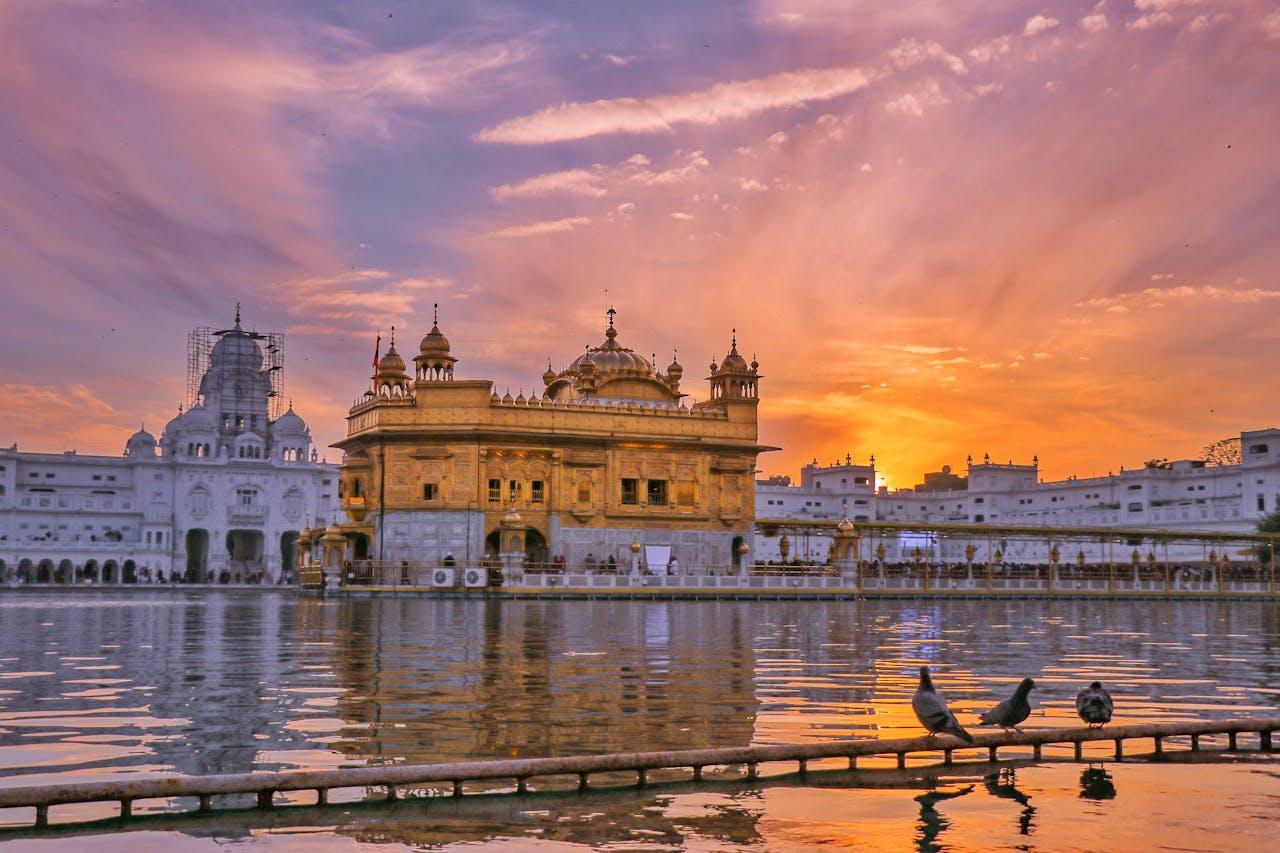
Sikhs form a vibrant community in India, known for their distinctive appearance with turbans and long beards. Sikh gurdwaras (temples) are not only places of worship but also serve as community centres that provide free meals to people from all walks of life. The principles of equality, selfless service, and justice taught by Guru Nanak have left an unforgettable mark on Indian culture.
Christian Holidays
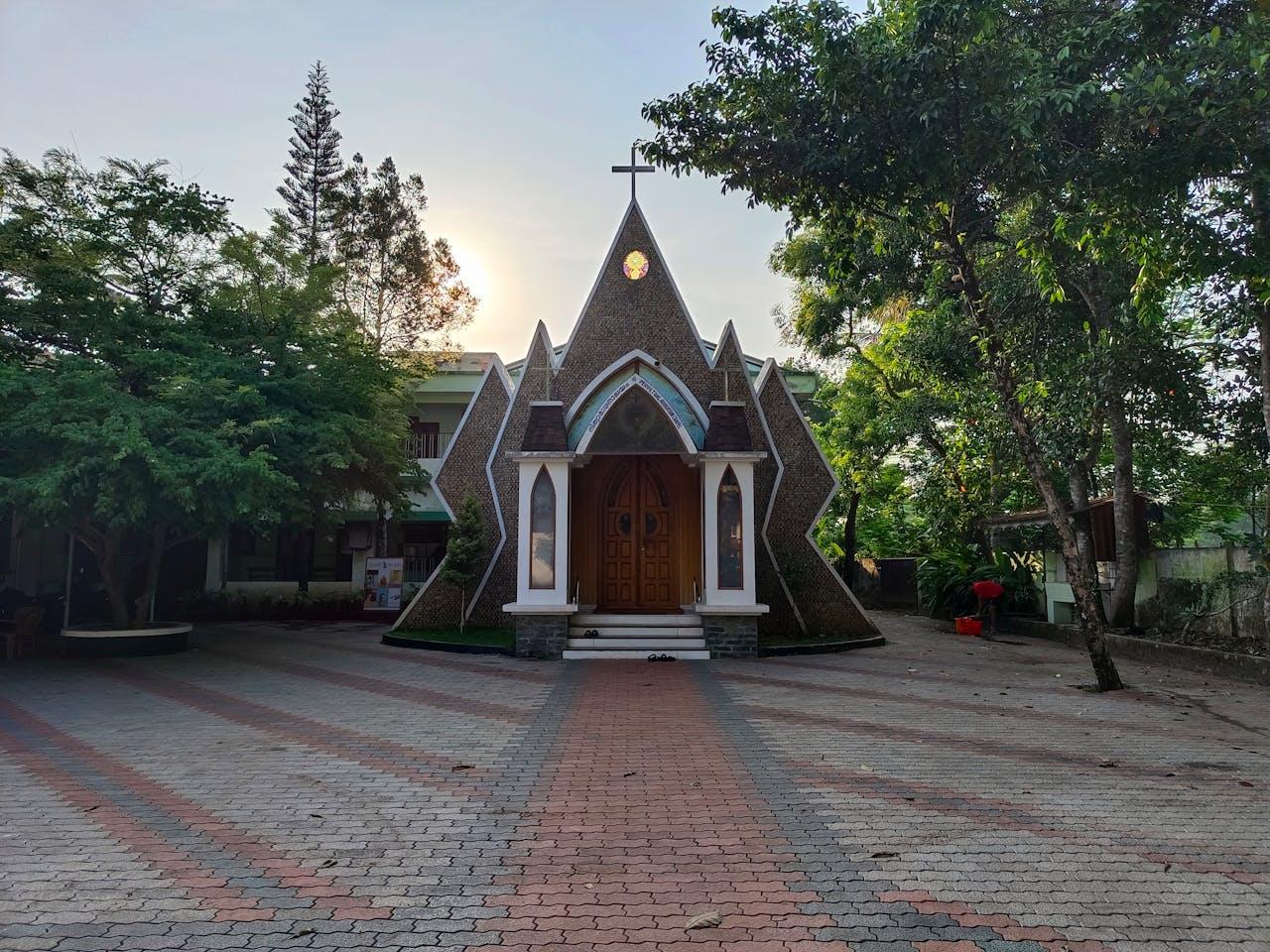
Christians are spread across different parts of the country and contribute to its cultural diversity. Christian churches are not only places of worship but also centres for education, healthcare, and social welfare. The teachings of Jesus Christ about love, forgiveness, and compassion have influenced Indian society by promoting a spirit of service and care for others.
Appreciate Hindu holidays even more with online spoken Hindi classes on Superprof!
10 Religious Festivals in India to Celebrate
No matter your religion, you can enjoy celebrating the top 10 festivals that are observed all across India. Most people are more than happy to share their beliefs and culture with others! Check out the list of all major holidays for these four religions at the end of the article.
Diwali - Hindu
Celebrated during the Hindu luni-solar months of Ashvin and Kartika (typically October to November)
Diwali, also known as the Festival of Lights, is perhaps the most well-known Hindu festival. It marks the triumph of light over darkness and good over evil. The festival is celebrated by lighting oil lamps called diyas, bursting firecrackers, and eating sweets. The streets come alive with colourful decorations and rangolis, creating a festive atmosphere that fills the air with joy. Diwali is a time for families to gather, pray, and celebrate the victory of righteousness.
Buddha Purnima - Buddhist
Celebrated on the full moon day (Purnima) of the Hindu month of Vaishakha (usually in April or May)
Buddha Purnima, also known as Vesak, commemorates the birth, enlightenment, and Mahaparinirvana (passing away) of Gautama Buddha. One of the most important religious festivals of India, it is observed on the full moon day of Vaishakha (April–May).
Devotees celebrate the occasion by visiting temples and monasteries, offering prayers, meditating, chanting scriptures, lighting lamps, and performing charitable acts. In India, the festival is observed with special reverence in Bodh Gaya, Sarnath, Kushinagar, Rajgir, and other regions with significant Buddhist communities. Beyond its religious importance, Buddha Purnima symbolizes peace, compassion, wisdom, and non-violence, reflecting the timeless teachings of the Buddha.
Navratri - Hindu
Celebrated on the first day of the bright fortnight of the lunar month of Ashvin (typically September or October)
Navratri, which translates to "nine nights," is a festival dedicated to the worship of the Hindu goddess Durga. It is celebrated with great enthusiasm in various parts of India. During Navratri, people come together to perform traditional dances called Garba and Dandiya. These dances involve energetic movements accompanied by rhythmic music. The atmosphere is electrifying as people dance in colourful traditional attire, creating a spectacle that showcases the beauty of Indian culture.
Ramadan - Muslim
Celebrated in the ninth month of the Muslim calendar (called Ramadan)
During Ramadan, Muslims fast from sunrise to sunset, abstaining from food and drink as an act of worship and self-control. This month-long devotion serves as a period of intense introspection, where individuals reflect on their actions, seek forgiveness, and strengthen their relationship with Allah. It is a time of heightened spirituality and communal solidarity, as Muslims come together to break their fasts and pray together in mosques.
Eid al-Fitr - Muslim
Celebrated on the first day of the tenth month of the Muslim calendar (Shawwāl)
After the month-long fasting period, Muslims celebrate Eid al-Fitr, also known as the "Festival of Breaking the Fast." This joyous occasion marks the end of Ramadan and is a time for Muslims to come together with family and friends to celebrate their achievements during the holy month. The day begins with a special prayer at the mosque, followed by feasting, exchanging gifts, and spreading love and happiness.
Eid al-Adha - Muslim
Celebrated on the new moon of the twelfth month of the Muslim calendar (Dhul-Hijjah)
Eid al-Adha commemorates the last day of Hajj (pilgrimage to Makkah) and the willingness of Ibrahim (Abraham) to sacrifice his son as an act of devotion to Allah. This festival is also known as the "Festival of Sacrifice" and is marked by the sacrifice of an animal, usually a sheep or a goat as a symbol of their devotion to Allah. The meat from the sacrifice is divided into three parts - one for the close family, one for relatives and friends, and one for those in need. This festival serves as a reminder of the importance of sacrifice, faith, and compassion.
Guru Nanak Gurpurab - Sikh
Celebrated on 2 November according to Nanakshahi calendar, or on the full moon of the eighth month (Kartik) according to Bikramki calendar
Guru Nanak Gurpurab, also known as Guru Nanak Jayanti, is celebrated to mark the birth anniversary of Guru Nanak Dev Ji, the founder of Sikhism. It is one of the most sacred festivals for the Sikh community. Sikhs gather in gurdwaras (Sikh temples) to offer prayers and seek blessings with religious activities and rituals. The holy scripture of Sikhism, the Guru Granth Sahib, is recited throughout the day and religious hymns are sung in praise of Guru Nanak Dev Ji. The celebration also involves processions called Nagar Kirtans, where devotees sing devotional songs and display martial arts skills. The festival is a reminder for Sikhs to follow the teachings of Guru Nanak Dev Ji and to spread love, compassion, and equality.
Baisakhi / Vaisakhi - Sikh
Celebrated on 14th April (1 Vaisakhi) the first day of the second month of the Nanakshahi calendar
Baisakhi, on the other hand, is a harvest festival that holds immense significance for Sikhs as well as Hindus. It is celebrated on the 13th or 14th of April every year. For Sikhs, Baisakhi holds a special place as it marks the formation of Khalsa, the Sikh community of warriors, by Guru Gobind Singh Ji in 1699. On this day, Sikhs gather in gurdwaras to offer prayers and participate in processions. The festivities include the singing of hymns from the Guru Granth Sahib, traditional dances like Bhangra and Gidda, and the preparation and sharing of Langar (community meal). Baisakhi is not only a time to celebrate the harvest but also serves as a reminder of the values of courage, sacrifice, and selfless service that Sikhs hold dear.
Christmas - Christian
Celebrated 25 December
Christmas, the festival commemorating the birth of Jesus Christ, is celebrated with immense joy and fervour by Christians all over the world. The festival brings about a sense of unity and togetherness, as families and friends come together to feast on traditional foods, exchange gifts (and open the ones left overnight by Santa Claus), decorate Christmas trees, and attend midnight mass. The streets are adorned with colourful lights, and carol singers can be heard spreading festive cheer. It is not just Christians who participate in the celebrations; people from all walks of life join in the merriment, making it a truly inclusive festival.
Easter - Christian
Celebrated typically on the Sunday after the full Moon immediately following the vernal (spring) equinox
Easter marks the resurrection of Jesus Christ from the dead. It is a time of reflection, prayer, and renewal. Christians observe a period of fasting and repentance during Lent, a 40-day fast leading up to Easter Sunday (or a few days before, depending on the denomination). On Easter morning, churches are filled with believers dressed in their finest attire, ready to celebrate the joyous occasion. The atmosphere is filled with hymns, prayers, and the message of hope and redemption. Families then gather for games like egg hunts and a festive meal, which includes special Easter dishes like hot cross buns and roasted lamb.
Indian culture is a vibrant mosaic of diverse religions, traditions, and customs. The religious festivals celebrated in India are a testament to this rich heritage and serve as a unifying force for the people. From the glittering lights of Diwali to the joyous celebrations of Eid and the solemnity of Christmas, these festivals bring people together, celebrating the spirit of unity in diversity. By embracing and cherishing these festivals, we can truly appreciate the enchanting tapestry of Indian culture and preserve it for generations to come.
| Date | Holiday | Religion | Date | Holiday | Religion |
|---|---|---|---|---|---|
| 6-Jan-2024 | Epiphany | Christian | 7-Jul-2024 | Puri Rath Yatra | Hindu |
| 7-Jan-2024 | The Baptism of Jesus | Christian | 7-Jul-2024 | Hijra - Islamic New Year | Muslim |
| 14-Jan-2024 | Lohri / Maghi | Hindu / Sikh | 15-Jul-2024 | Saint Vladimir | Christian |
| 15-Jan-2024 | Makarsankranti / Pongal | Hindu | 17-Jul-2024 | Day of Ashura / Muharram | Muslim |
| 17-Jan-2024 | Guru Gobind Singh Birthday | Sikh | 21-Jul-2024 | Guru Purnima | Hindu |
| 26-Jan-2024 | Thaipusam | Hindu | 25-Jul-2024 | St. James the Great Day | Christian |
| 7-Feb-2024 | Lailat al Miraj | Muslim | 1-Aug-2024 | Lammas | Christian |
| 14-Feb-2024 | Vasant Panchami | Hindu | 9-Aug-2024 | Nag Panchami | Hindu |
| 14-Feb-2024 | Ash Wednesday | Christian | 15-Aug-2024 | The Assumption of Mary | Christian |
| 25-Feb-2024 | Lailat al Bara'ah | Muslim | 16-Aug-2024 | Varalakshmi Vrat | Hindu |
| 8-Mar-2024 | Maha Shivaratri | Hindu | 19-Aug-2024 | Raksha Bandhan | Hindu |
| 11-Mar-2024 | Ramadan (start) | Muslim | 24-Nov-2024 | Christ the King | Christian |
| 17-Mar-2024 | St. Patrick's Day | Christian | 26-Aug-2024 | Krishna Janmashtami | Hindu |
| 19-Mar-2024 | St. Joseph's Day | Christian | 7-Sep-2024 | Ganesh Chaturthi | Hindu |
| 20-Mar-2024 | Hindi New Year | Hindu | 14-Sep-2024 | Holy Cross Day | Christian |
| 24-Mar-2024 | Holika Dahan | Hindu | 16-Sep-2024 | Vishwakarma Puja | Hindu |
| 24-Mar-2024 | Palm Sunday | Christian | 16-Sep-2024 | Milad un Nabi | Muslim |
| 25-Mar-2024 | Holi | Hindu / Sikh | 17-Sep-2024 | Onam | Hindu |
| 27-Mar-2024 | Hola Mohalla | Sikh | 29-Sep-2024 | Michael and All Angels | Christian |
| 28-Mar-2024 | Maundy (Holy) Thursday | Christian | 2-Oct-2024 | Mahalaya Amavasya | Hindu |
| 29-Mar-2024 | Good Friday | Christian | 3-Oct-2024 | Navaratri begins | Hindu |
| 31-Mar-2024 | Easter | Christian | 11-Oct-2024 | Navaratri ends / Maha Navami | Hindu |
| 1-Apr-2024 | Easter Monday | Christian | 12-Oct-2024 | Dusshera | Hindu |
| 6-Apr-2024 | Laylat al Qadr | Muslim | 16-Oct-2024 | Sharad Purnima | Hindu |
| 9-Apr-2024 | Ugadi / Gudi Padwa / Telugu New Year | Hindu | 20-Oct-2024 | Karwa Chauth | Hindu |
| 10-Apr-2024 | Eid-al-Fitr (End of Ramadan) | Muslim | 20-Oct-2024 | Birth of the Guru Granth | Sikh |
| 13-Apr-2024 | Vaisakhi / Baisakhi / Vishu | Hindu | 29-Oct-2024 | Dhan Teras | Hindu |
| 13-Apr-2024 | Vaisakhi | Sikh | 31-Oct-2024 | All Hallows Eve | Christian |
| 14-Apr-2024 | Tamil New Year | Hindu | 1-Nov-2024 | All Saints' Day | Christian |
| 15-Apr-2024 | Bengali New Year / Bihu | Hindu | 2-Nov-2024 | All Souls' Day | Christian |
| 17-Apr-2024 | Ramanavami | Hindu | 1-Nov-2024 | Diwali | Hindu / Sikh |
| 18-Apr-2024 | Birthday of Guru Angad Dev | Sikh | 3-Nov-2024 | Bhai Dooj | Hindu |
| 23-Apr-2024 | Hanuman Jayanti | Hindu | 7-Nov-2024 | Chhath Puja | Hindu |
| 23-Apr-2024 | St. George's Day | Christian | 15-Nov-2024 | Kartik Poornima | Hindu |
| 9-May-2024 | Ascension of Jesus | Christian | 15-Nov-2024 | Guru Nanak Birthday | Sikh |
| 10-May-2024 | Akshaya Tritiya | Hindu | 24-Nov-2024 | Martyrdom of Guru Tegh Bahadur Sahib | Sikh |
| 19-May-2024 | Pentecost | Christian | 30-Nov-2024 | St. Andrew's Day | Christian |
| 26-May-2024 | Trinity Sunday | Christian | 1-Dec-2024 | Advent - first Sunday | Christian |
| 30-May-2024 | Corpus Christi | Christian | 6-Dec-2024 | St. Nicholas Day | Christian |
| 6-Jun-2024 | Savitri Pooja | Hindu | 11-Dec-2024 | Geeta Jayanti | Hindu |
| 15-Jun-2024 | Waqf al Arafa - Hajj | Muslim | 15-Dec-2024 | Dhanu Sankranti | Hindu |
| 16-Jun-2024 | Martyrdom of Guru Arjan Dev Sahib | Sikh | 24-Dec-2024 | Christmas Eve | Christian |
| 16-Jun-2024 | Eid-al-Adha | Muslim | 25-Dec-2024 | Christmas | Christian |
| 29-Jun-2024 | Saints Peter and Paul | Christian |
Summarise with AI:
Did you like this article? Leave a rating!


 Loading...