

A world with empowered women is a better one for everyone. We would be much closer to experiencing true equality and seeing the end of poverty if women had unrestricted access to all the positions we deserve, including those as leaders, healers, scientists, writers, artists, engineers, speakers, sports, educators, and much more.
Even if there is so much benefit in empowering women and giving us the freedom to live our own lives, we still encounter obstacles as a result of institutions that are meant to perpetuate gender inequity in our present and future.
Women have fought for their rights throughout history, and wherever they could, they brought a band of sisters along with them, making sure to leave no woman behind. Women have spoken up and refused to be silent in the face of persecution for millennia. That is the strength of womanhood: the refusal to leave our sisters behind while we advance, occupy space, and create a society free from poverty's structural causes.
It has been happening for many generations and is not only something you'll see in history. Today, strong women and girls are carrying on that legacy everywhere. We'll say it again: a world with empowered women is a better world for everyone.
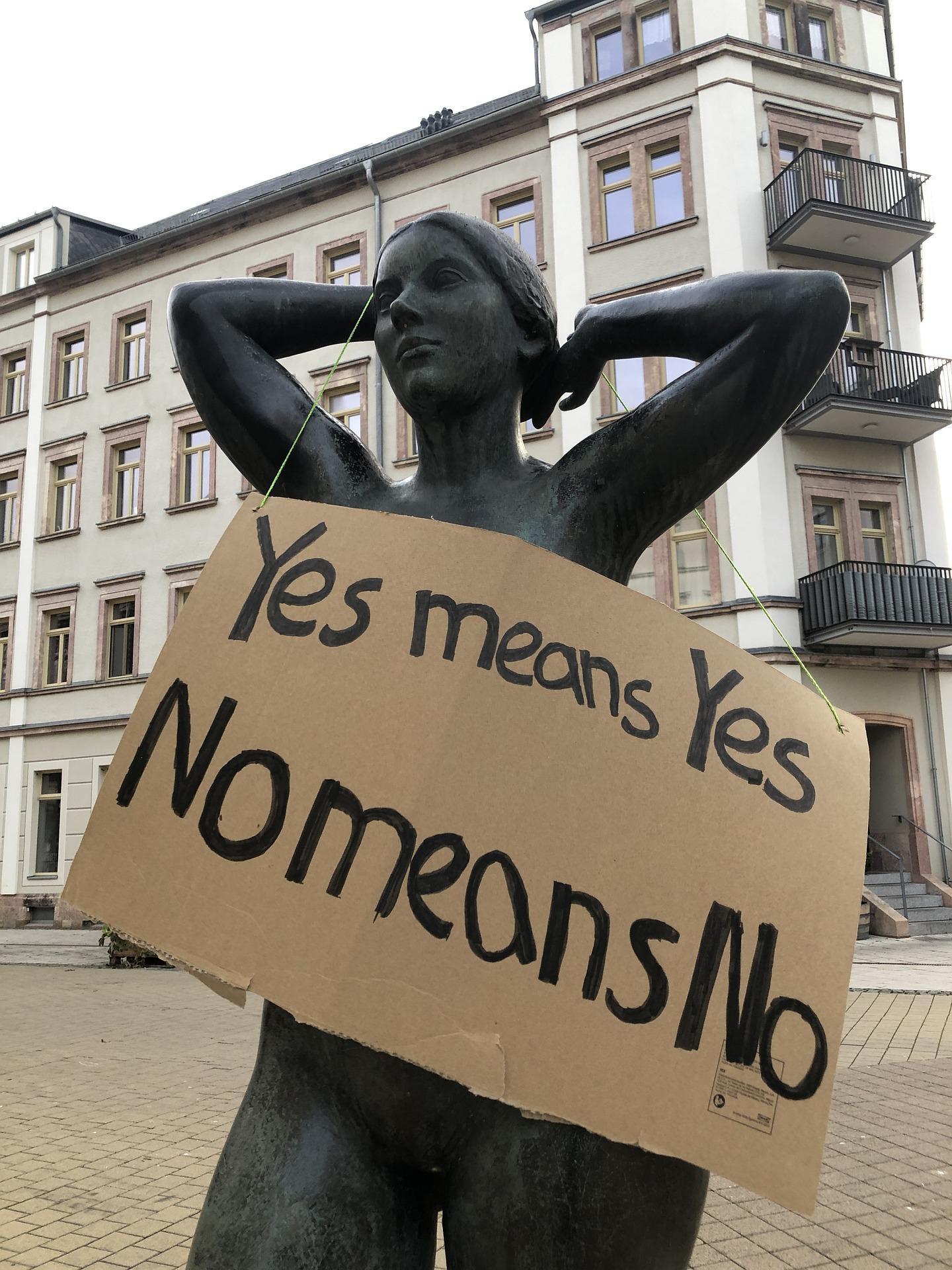
Every year on March 8, the world celebrates International Women's Day to recognize achievements and promote gender equality.
Let's take a minute as it draws near to recognize the pioneering women leaders who have made exceptional contributions to history, the advancement of society, and the position of women in it.




Most Empowering Women's Day Speeches by Indian Women
- "The Power of a Woman" by Sudha Murty:Sudha Murty is an Indian social worker, author, and philanthropist. In her Women's Day speech, she highlighted the importance of women in society and their ability to bring positive change. She urged women to be strong and independent and to believe in themselves and their dreams. Her speech is a powerful reminder of the potential and strength of women.
- "Breaking the Glass Ceiling" by Nirmala Sitharaman:Nirmala Sitharaman is India's first female finance minister. In her Women's Day speech, she spoke about her own journey and the challenges she faced as a woman in a male-dominated field. She urged women to break the glass ceiling and pursue their ambitions, no matter how difficult the path may seem. Her speech is an inspiration for women in India and around the world.
- "Women's Empowerment" by Sushma Swaraj:Sushma Swaraj was an Indian politician and former Minister of External Affairs. In her Women's Day speech, she spoke about the importance of empowering women and giving them equal opportunities. She highlighted the achievements of women in various fields and urged society to recognize and celebrate their contributions. Her speech is a call to action for gender equality and women's empowerment.
Enrol in English speaking classes in Nagpur.
Leading Women's Rights Activists in India
Aranya Johar
Indian poet Aranya Johar is well known for speaking out against body shaming, mental health stigma, and misogyny. She uses her poetic talent to challenge patriarchy and arbitrary beauty standards. She is the youngest person on the G7's Gender Equality Advisory Council, and she even worked with Akshay Kumar on the film "Padman," which was the first time spoken word was used in Bollywood.
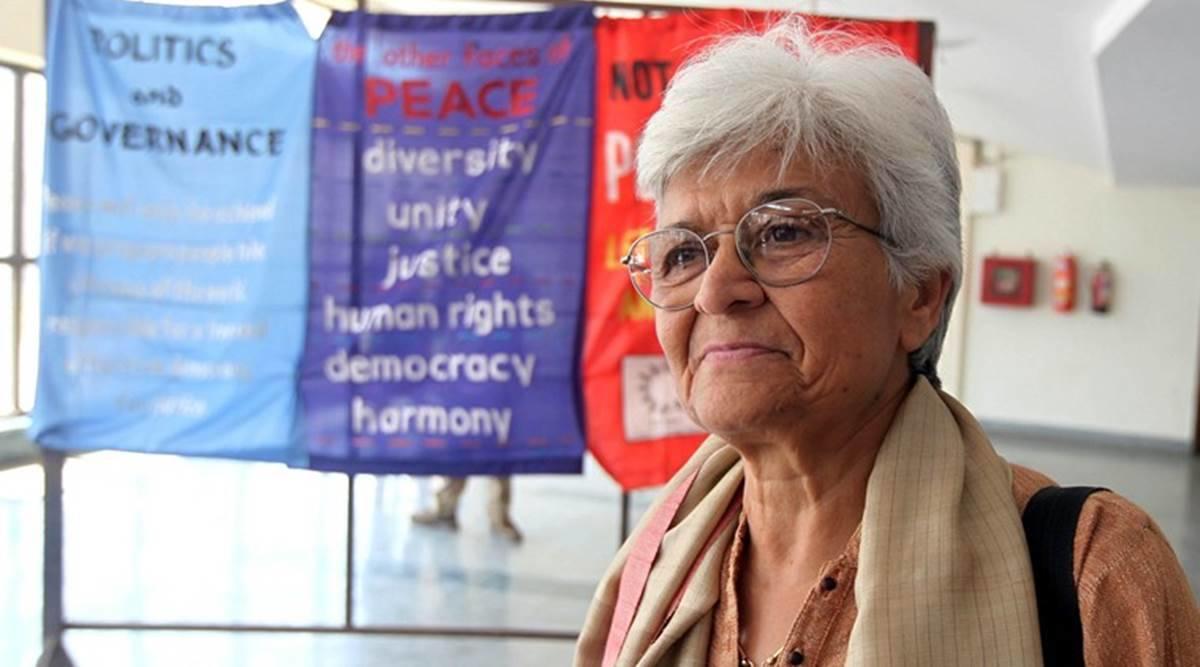
Kamla Bhasin
Famous scientist Kamla Bhasin advocates for causes and problems involving women, media, development, and education. For the past 35 years, she has worked in this field. She currently serves as an advisor for SANGAT, a South Asian feminist network.
Aruna Roy
The Right to Information Act was made a reality thanks in large part to the efforts of this 74-year-old campaigner! The Mazdoor Kisan Shakti Sangathan (MKSS), created by Roy, aims to improve the lot of workers and peasants.
Vandana Shiva
In Africa, Asia, Latin America, Ireland, Switzerland, and Austria, Vandana Shiva has played a significant role in supporting grassroots Green Movement organisations. She founded the Research Foundation for Science, Technology, and Ecology and is well-known for her writings and speeches on food and farming.
Medha Patkar
The renowned Narmada Bachao Andolan, as its name implies, was founded by Medha Patkar and attempted to protect the Narmada River. Her work focuses on assisting women, Dalits, farmers, labourers, and tribal people who are victims of injustice in India.
Manasi Pradhan
This amazing activist founded the Honour for Women National Campaign, a national initiative to stop violence against women! She is regarded as one of the founding members of the international feminist movements of the twenty-first century and the creator of the Nirbhaya Vahini and Nirbhaya Samaroh!
Improve your pronunciation with spoken English classes.
Urvashi Butalia
A well-known feminist author, publisher, and activist is Urvashi Butalia. She is the founder of Kali, a publishing business that wants to encourage and advance the writing careers of women.
Laxmi Agarwal
Laxmi Agarwal is an acid assault survivor from India who also advocates for the rights of acid attack victims and hosts television shows. Laxmi Agarwal, then 15 years old, was attacked in New Delhi in 2005.
Swati Maliwal
She is the youngest individual to ever hold the position of chair of the Delhi Commission for Women, and she is a 36-year-old campaigner! She previously worked on resolving public complaints while serving as the Chief Minister of Delhi's advisor!
8 Most Prominent Women's Rights Activists in History
Check out these inspirational women's day quotes to get into the spirit of IWD.
The Suffragettes
The Suffragettes fiercely battled for women's rights, most notably the ability to vote, in what is considered to be the first significant feminist rallying cry. In 1920, their movements and protests—both nonviolent and violent—made it possible for women to cast ballots nationally. Sojourner Truth, Emmeline Pankhurst, Susan B. Anthony, Alice Stone Blackwell, Mary Wollstonecraft, and Elizabeth Cady Stanton were some of the influential females in the movement.
Simone de Beauvoir
De Beauvoir, a vocal political activist, author, and social theorist, published The Second Sex in 1949. This groundbreaking work is credited with laying the foundation for contemporary feminism. De Beauvoir criticises the patriarchy and social structures that women must contend with in the influential (and at the time, quite contentious) book. The Vatican forbade The Second Sex, and some even labelled it "pornography"—a bold beginning to the fight for feminism.
Emmeline Pankhurst
A group of British women started a campaign to get women the right to vote around the beginning of the 20th century. Emmeline Pankhurst served as their leader, and they went by the name Suffragettes. Emmeline was no stranger to a prison cell because of her combative tactics and her belief in "deeds not words."
Pankhurst, however, discovered ways to rebel even while incarcerated and encouraged other prisoners to join her on a hunger strike. In 1928, her effort finally saw success (when all British women over the age of 21 were finally granted the vote). Despite this, the victory was bittersweet because Pankhurst had passed away just two weeks prior.
Rosa Parks
When she refused to give up her seat on the bus to a white passenger in 1955, Rosa Parks cemented her status as a potent representative of the American Civil Rights Movement. Her defiance disregarded the severe segregation regulations in Alabama and let the authorities know that Parks was refusing to take a seat in support of institutionalised racism.
As a result of her civil disobedience arrest, there was a significant bus system protest, and Rosa Parks became one of the movement's most significant political advocates. She persisted in fighting for racial equality up until her passing in 2005.
Get comfortable speaking aloud with spoken English online classes.
Betty Friedan
The Feminine Mystique, written by the American activist and writer in 1963, is frequently recognised with being the catalyst for the second wave of feminism that emerged in the 1960s and 1970s. She helped found the National Women's Political Caucus and planned the 1970 Women's Strike for Equality, which helped spread the feminist movement across the country. Friedan devoted her life to achieving women's equality.
Gloria Steinem
Gloria Steinem, who is aptly referred to as the "Mother of Feminism," oversaw the women's liberation movements in the 1960s and 1970s and still does so now. co-founder of the feminist magazine Ms. and a number of other female organisations, such as the Women's Action Alliance, the National Women's Political Caucus, the Women's Media Center, and others, that helped to transform feminism. She was recognised for all of her efforts in 1993 when she was inducted into the National Women's Hall of Fame, and in 2013 she received the Presidential Medal of Freedom. With her Viceland series, WOMAN, and her post-election activism for young girls and women, Steinem has most recently demonstrated her continued status as a feminism trailblazer.
Obiageli Ezekwesili
Obiageli Ezekwesili, a former minister of education, addressed a demonstration in Nigeria in 2014 and introduced the "Bring Back our Girls" initiative. She was reacting to an incident that had occurred in the Chibok area, where the Nigerian terrorist organisation Boko Haram had kidnapped around 270 girls from a boarding school.

The campaign gained international notice, and the Nigerian government was compelled to take action as a result. Amazingly, many were saved through negotiated agreements, but kidnapping still affects the nation. Ezekwesili, however, continues to speak out against the corruption and indifference that harm young girls and serves as a ray of hope.
Maya Angelou
Maya Angelou encouraged African Americans and women to combat racial and gender inequality through her writing, public speaking, and literary works. For her writings, which have been published over a 50-year period and include 36 novels, seven autobiographies, and more than 50 honorary degrees, Angelou received the Presidential Medal of Freedom in 2011.
Malala Yousafzai
In her autobiography, I Am Malala, the daring adolescent chronicled her fearless journey as a young student battling for access to education in Pakistan. Since then, Malala has travelled the globe using her nonprofit, The Malala Fund, to promote the rights of women and children to an education.
Ruth Bader Ginsburg
Bader Ginsburg co-founded the Women's Rights Law Reporter in 1970, the first American law publication to concentrate solely on women's rights, before she was appointed to the Supreme Court. She co-founded the Women's Rights Project at the American Civil Liberties Union (ACLU) two years later, ensuring that women's voices were once again recognised in the legal system. Bader Ginsburg was the second woman to be appointed to the Supreme Court by President Bill Clinton in 1993. She still retains that position today and utilises it to promote women's rights.
Summarise with AI:
Did you like this article? Leave a rating!

 Loading...
