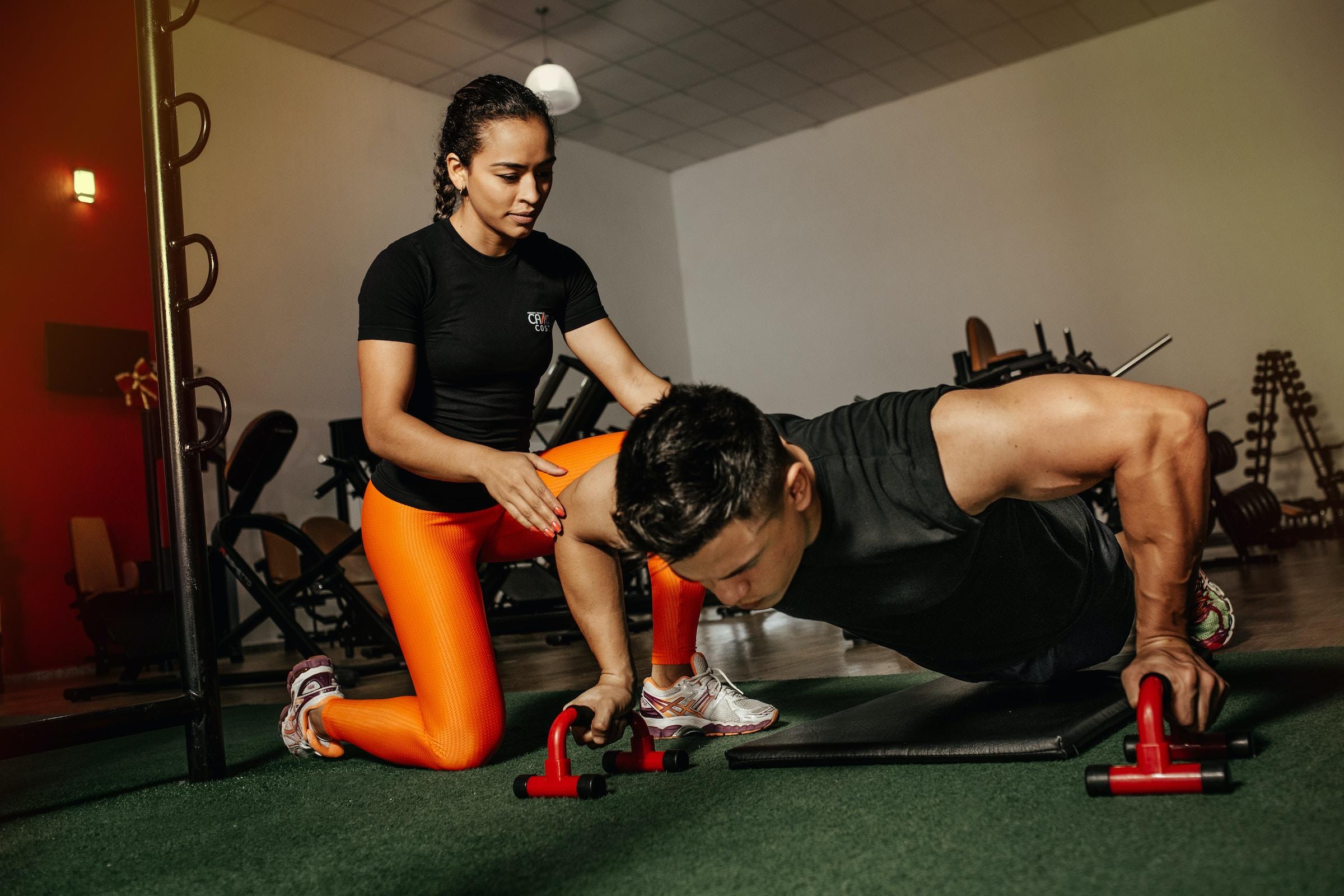

For some people, fitness just makes sense. They understand how to support a healthy body with diet, exercise, and lifestyle choices. They know what muscles to work and how to work them. They enter a gym with confidence and a game plan.
The majority of people, however, look at a gym full of equipment and see the world’s most confusing playground. A workout routine or diet plan evokes feelings of dread and confusion.
One set of people becomes a gym trainer or personal trainer. The other set gets trained. Without one, the other would not exist!
The goal of any fitness instructor is to help their clients become stronger, healthier, and more confident. But how do you know which type of trainer to choose, and do you even need one in order to exercise at the gym? Let’s discuss!


What is a Gym Trainer? What is a Personal Trainer?
While the two types of fitness instructors may seem identical at first glance, once you understand their respective jobs more, you’ll see the differences.
Gym Trainer
A gym trainer is typically hired by a specific gym chain or location, so you’ll always find them in the same place. They are able to help any members of the gym(s) they work at in a general manner.
Usually, a gym trainer will help people learn how to use a piece of equipment and perhaps provide some ideas and instructions about freeweight, bodyweight, or cardio exercises.
Some gym trainers also lead group classes.
Some gyms may require you to request or reserve a time with their on-location gym trainers.
Most budget gyms don’t even have a gym trainer on staff.
Personal Trainer
A personal trainer is like your very own gym trainer. They can do everything a gym trainer does but to a higher level.
This means that they can and will take your unique anatomy, health concerns and conditions, dietary needs, and goals into consideration and build a workout and diet plan just for you. Your personal trainer will help track your progress, make necessary tweaks to your fitness plan, and help push you to meet your goals.
They can instruct you on how to do movements properly to get the most out of your exercises and avoid injury while instructing you to do the exercises that fit your needs the best.
Depending on where you train with your personal trainer, you may be able to travel around with them; it depends on contracts and other factors.
They might be able to go with you to different gyms that have different equipment so you can have them help you with weight racks, swimming, and gymnastics, for example. Or, they may only be allowed to work in certain places. Alternatively, they might own their own gym and you will need to go to that specific location when working with them.
Looking for a female personal trainer at home? Find personal trainers from all over India in 3 clicks without breaking a sweat.

When to Choose a Gym Trainer or Personal Trainer
Which kind of trainer to choose depends on your individual fitness level, needs, experience, confidence, and goals.
First of all, you will want to have some kind of trainer if you:
- Are completely unsure how to workout without injuring yourself
- Are recovering from an injury and need help accommodating it
- Have an injury and need help accommodating it
- Have a condition and need to be supervised in the gym
- Need someone to help hold you accountable in your fitness routine
- Want to step up to a more difficult exercise regimen without injuring yourself
- Will require a spotter
- Are too overwhelmed by fitness and/or diet to do it on your own
- Want help from a professional to step up your fitness and/or diet habits
- Want to train for a specific advanced goal (like a competitive-sport-level fitness goal)
When to Choose a Gym Trainer
You can benefit from the assistance of a gym trainer if you are reasonably healthy, only need help with form or workout ideas, and can hold yourself responsible for your health goals.
When to Choose a Personal Trainer
You will need a personal trainer if you have an illness, condition, or injury that means you can’t diet and exercise like an average person. Your personal trainer will need to ask a lot of questions and maybe even give you a physical assessment to be able to build an appropriate exercise routine for you.
A gym trainer is not qualified for this level of individualized fitness planning.
You’ll also need a personal trainer if you want someone to help you plan and stick to a diet. A gym trainer is not qualified to give nutrition advice.
Finally, a personal trainer’s business is to know how your fitness journey is progressing. They will schedule meetings and workouts with you, track your progress, change your routine as needed to help you progress, and can even become as close as a therapist or counselor. They care about your mental and physical well-being and want to push you to be your best, even if you don’t feel like it. So, a personal trainer won’t sit there and let you backslide on your goals without a fight!
A gym trainer can care about you and your fitness goals, but it is unprofessional for them to pay as much attention to you as a personal trainer does.
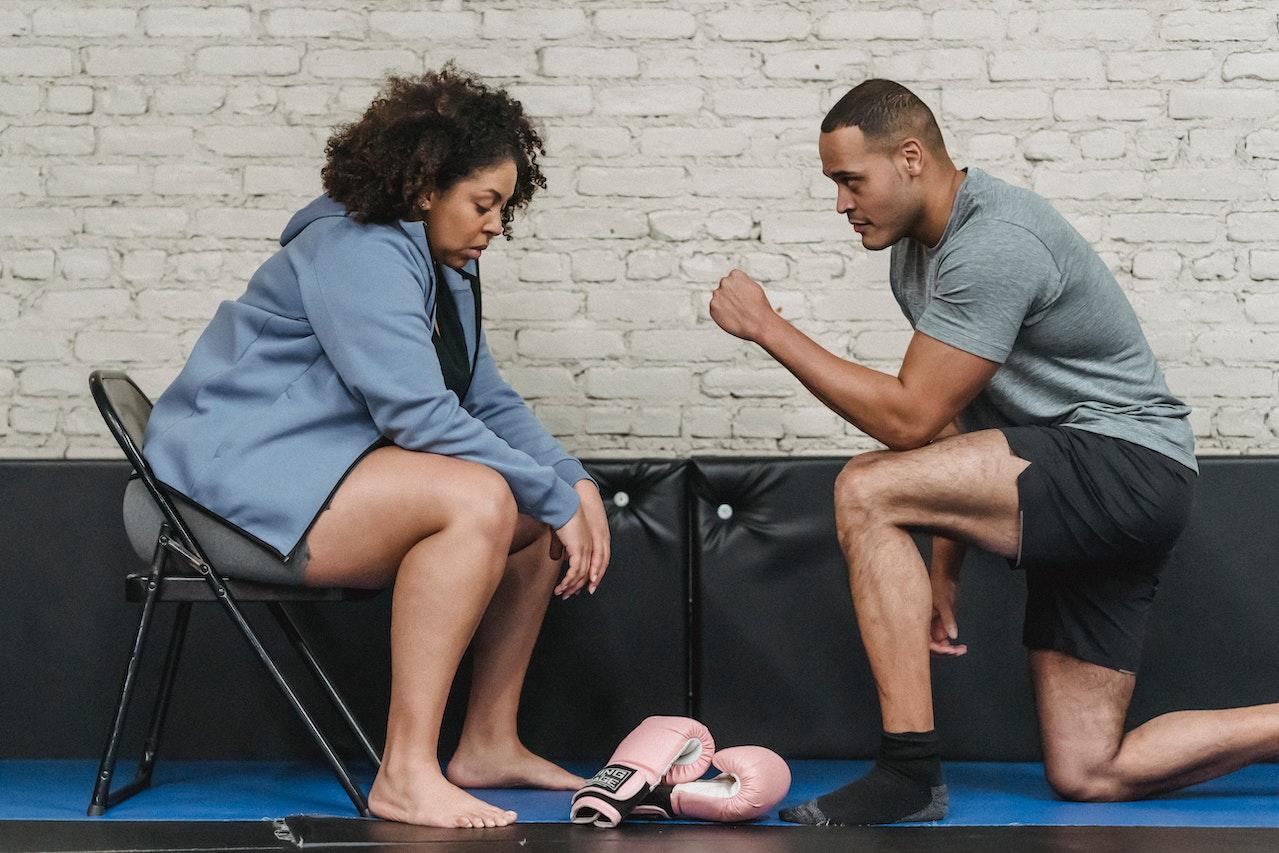
Can I Workout Without a Trainer?
In short: yes.
Some people are totally fine to do at least some dieting and exercise routine on their own or with help from books and the internet.
However, many people inadvertently injure or malnourish themselves because they are misinformed or under-informed about how to have a healthy fitness and wellness routine.
Some people also struggle with disorders like eating disorders, body dysmorphia disorders, or exercise addiction (orthorexia) which can cause them to have an unhealthy relationship with diet and exercise. In this case, it is especially important to have a personal trainer who has education and experience in dealing with the specific disorder so they can help their client stay healthy.
If you just want to have a basic gym routine to stay active and a basic balanced diet, you don’t necessarily need a trainer, but it doesn’t hurt to have a few meetings with one to learn a thing or two!

Beginner Basics for Solo Cardio, Strength, Bodybuilding, and Dieting
Want to get started with a basic workout routine before you decide if you need a trainer?
Here’s what you need to know to start experimenting with exercise and get your bearings. This way, if and when you need a trainer, you’ll be able to tell them your strengths and weaknesses.
Cardio for Beginners
Cardio is the most accessible form of exercise. You don’t need any equipment, and you hardly need any space. Jogging in place is a great way to practice cardio!
You can also do activities like walking, trekking, jumping jacks, burpees, housework and cleaning, gardening, and physical labour.
At a gym, you can use a treadmill, elliptical, and stair-stepper.
Aim for 150 minutes of cardio a week, or about 20 minutes a day.
Strength Training for Beginners
Strength training might sound intimidating, but it doesn’t have to be!
Start with body weight for cost savings and to reduce your risk of injury.
Pushups, situps, pullups, planks, squats, and yoga asana are great bodyweight exercises.
When you feel a bit stronger, you can start to incorporate light weights. And you don’t have to buy specific weights! You can use heavy books, bottles of water, bags of rice, rocks, bricks, or a bag filled with heavy things.
Add weight to your bodyweight exercises and try some kettlebell-style moves.
At a gym, you can use any of the machines; simply start with a low weight to understand how to perform the movement safely before you increase the weight.
Don’t try something like overhead freeweights or barbells without a safety feature or spotter!
Start with 1 or 2 days a week of weight lifting for 20-40 minutes per session and work your way up to 6 days per week for 30-60 minutes. Make sure you give yourself time to rest, remember to stretch before and after a workout, and have a weekly routine that works your whole body!
If you don't follow a good nutritional plan, you are bodybuilding with one arm behind your back - Shawn Ray
Bodybuilding for Beginners
Bodybuilding is the next step you can start taking after you’re comfortable with strength training.
It involves using specific exercises in a strict methodology designed to target muscles and make them as large, lean, and strong as possible.
You must do extensive research before diving into the advanced aspects of bodybuilding! It can be very easy to accidentally hurt yourself, overwork your muscles, or develop unhealthy eating and exercise habits.
A big part of bodybuilding involves dieting to maximize muscle and minimize fat.
Dieting for Beginners
First of all, a diet is, by definition, the kinds of foods someone eats. The word is not meant to insinuate a specific way of eating food to achieve a goal other than survival, but the way we use it today, we all implicitly know that someone “on a diet” is likely trying to lose weight or gain muscle.
The easiest way to start learning about dieting is to research how much macronutrients your specific body type and body goals needs per day.
Then, you can ensure that the recipes you make and the foods you eat meet those requirements. Make sure to eat a varied diet, and the micronutrients you need will likely take care of themselves. However, it’s best to consult with a doctor to ensure you’re getting all the nutrients you need for your specific body.
It’s easier said than done, but you will learn over time how to intuitively know when, what, and how much you need to eat to feel your best.
The hardest parts about dieting are typically: keeping unhealthy foods out of the house, making sure to eat not too much and not too little, and remaining positive when you binge or don’t lose the weight you expected.
Many people should not diet by themselves because they may have a tendency to develop an unhealthy relationship with food and might undereat or develop an eating disorder.
There is also a lot to consider in the world of nutrition, so this is often the area where people struggle the most.
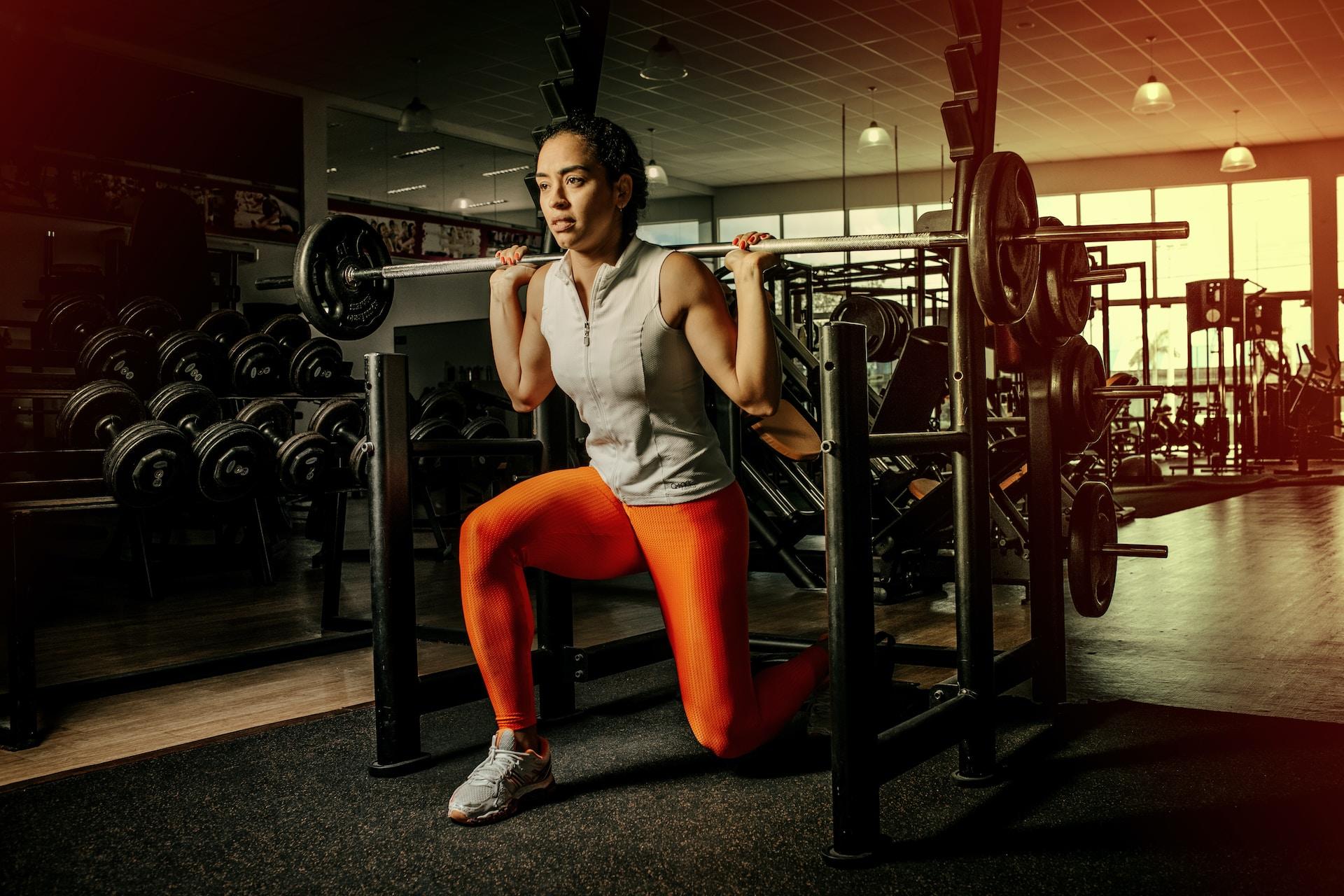
How a Trainer Can Take You from Beginner to Advanced
After you experiment with these aspects on your own, you will know exactly how a trainer can help you.
Is a gym worth the money? That depends on your goals! If you want to be able to access gym equipments like weights and machines and want help from a gym or personal trainer, then yes!
If you just want to move around more for a general sense of wellness and don’t care about more intense workouts, you can save money by just doing exercises at home.
Gym Trainers and Personal Trainers for Cardio and Strength Training
Both gym and personal trainers can help you level up in these exercises. Remember that a personal trainer can help you more than a regular gym trainer because they will develop a personal plan and work directly with you.
Both trainers can teach you how to use gym machines properly, can teach you how to do cardio bodyweight exercises, and can teach you how much and how often to do exercises to meet your goals.
Personal Trainers for Bodybuilding and Dieting
For these more intricate aspects of the fitness world, a personal trainer is the way to go.
Personal trainers will work closely with you to increase the intensity of your weightlifting and modify your diet as needed so you can achieve the strength and physique you’re looking for in a safe and effective way.
Why should you consider bodybuilding? Body building benefits more than just your body. It’s about developing resilience, self-confidence, self-esteem, self-knowledge, discipline, and mental health.
Find a personal trainer, nutritionist, and/or dietician at your leisure on Superprof, where you can arrange meetings and sessions in-person or online.
Summarise with AI:
Did you like this article? Leave a rating!

 Loading...