
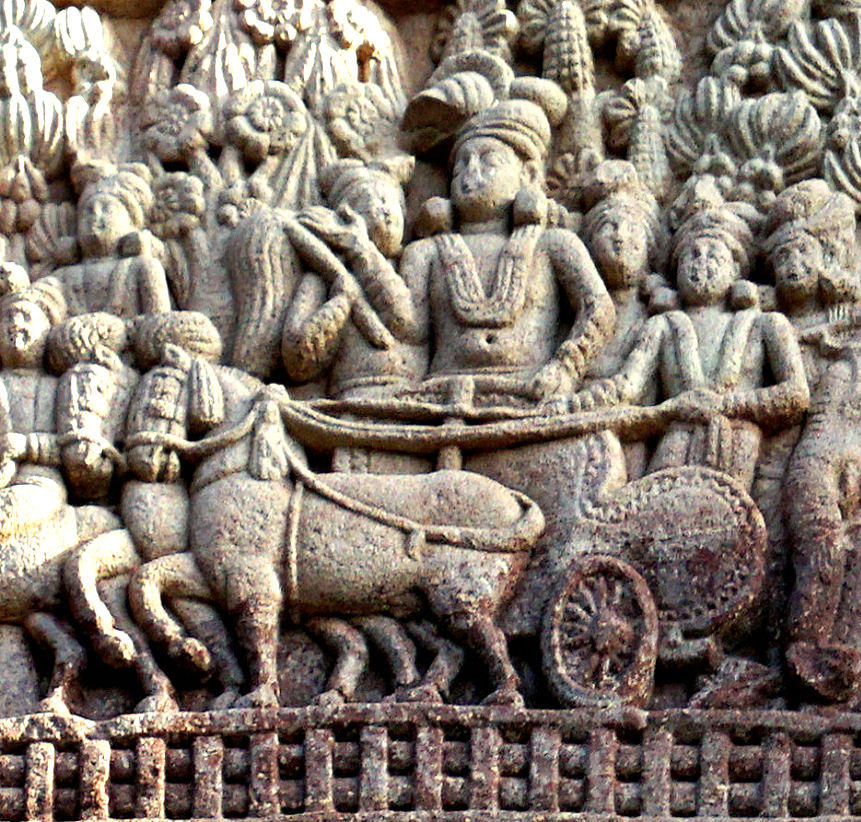

The Mauryan Empire (c. 322–185 BCE) was one of the largest empires in ancient Indian history. Founded by Chandragupta Maurya, it expanded under his son Bindusara and reached its greatest extent under Ashoka the Great. After Ashoka's death, weak succession, political fragmentation, and other pressures contributed to the empire's decline.





The Mauryan Empire timeline at a glance:
- c. 322 BCE – Chandragupta Maurya: Establishes the Mauryan dynasty after overthrowing the Nanda rulers of Magadha.
- c. 298 BCE – Bindusara: Succeeds Chandragupta and maintains and expands Mauryan power.
- c. 268 BCE – Ashoka: Becomes emperor and consolidates the empire's influence across much of the Indian subcontinent.
- c. 261 BCE – Kalinga War: Ashoka's conquest of Kalinga becomes a turning point in his approach to warfare and governance.
- c. 232 BCE – Ashoka's death: The empire begins to weaken under his successors.
- 185 BCE – End of the Mauryan dynasty: Pushyamitra Shunga assassinates the last Mauryan ruler, Brihadratha, and establishes the Shunga dynasty.
Note: Dates for some early Mauryan rulers vary across historical sources, so we use approximate dates here.
The Mauryan Empire, one of the most significant and influential empires in ancient Indian history, ruled from approximately 322 BCE to 185 BCE by Chandragupta Maurya
Chandragupta's chief minister Kautilya, also known as Chanakya, who penned the Arthashastra, a manual on monarchy and government, supported and advised him during his ascent to power. The Mauryan Empire had a standing army and civil service, and it was an effective and well-run autocracy. The Arthashastra, or "The Science of Material Gain," is a political economy treatise similar to Niccolò Machiavelli's The Prince in both tone and breadth. The might of the Mauryas could only be emulated once in ancient India, by that of the Gupta Empire.
History of the Mauryan Empire
The first Indian empire, headed by the Mauryan dynasty (c. 321–185 B.C.), emerged as a result of the growth of two kingdoms in the northeast.
The capital city, Pataliputra (modern-day Patna), enclosed by a timber wall punctuated by 64 gates and 570 towers, surpassed the splendours of contemporaneous Persian locations like Susa and Ecbatana, according to the chronicles of the Greek envoy Megasthenes.
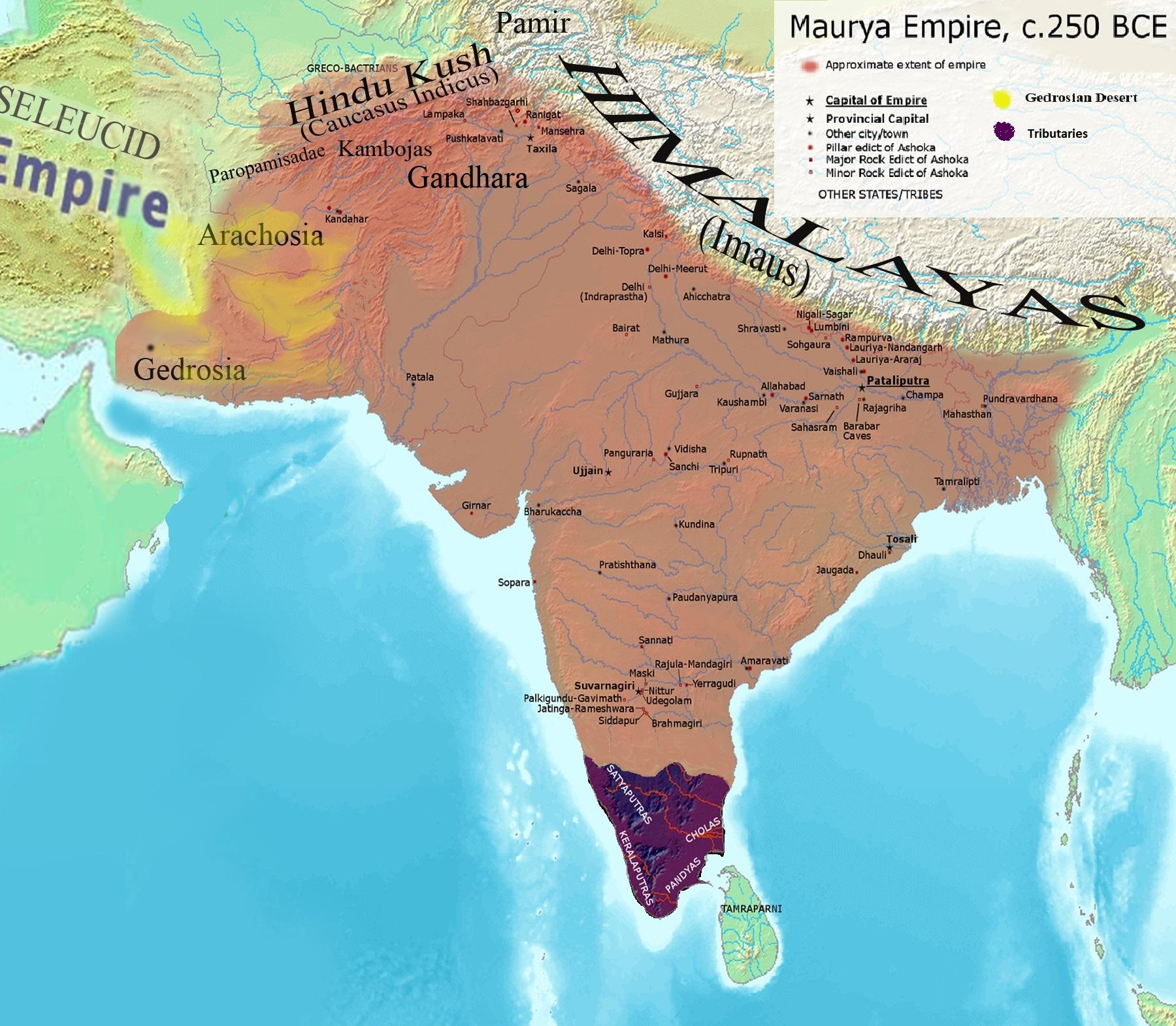
By 303 B.C., Chandragupta Maurya (called Sandracotta by the Greeks) had conquered a vast territory that stretched from Afghanistan in the west to Bengal in the east and all the way south to the Narmada River. His tutor and prime minister, Kautilya, also referred to as Chanakya, wrote the Arthashastra, a ruthless manual on gaining and retaining power, and is largely responsible for his success.
Chandragupta Maurya, the initial ruler of the Mauryan Empire, began to unite territory as the influence of Alexander the Great started to diminish. With Alexander's passing in 323 B.C.E., a significant power vacuum emerged, which Chandragupta exploited by assembling an army and toppling the Nanda dynasty in Magadha, located in present-day eastern India, thus initiating the establishment of the Mauryan Empire. Upon proclaiming himself as king, Chandragupta expanded his territory through military conquest and diplomatic alliances.
The dominion was expanded by Chandragupta's son and successor, Bindusara, throughout central and southern India. Of all the Indian emperors, Ashoka (c. 273-232 B.C.) is the most well-known of all Mauryan emperors. He was the third Mauryan king. Many compare the influence of Roman Emperor Constantine the Great's adoption of Christianity in 313 A.D. to Ashoka's conversion to and support of Buddhism.
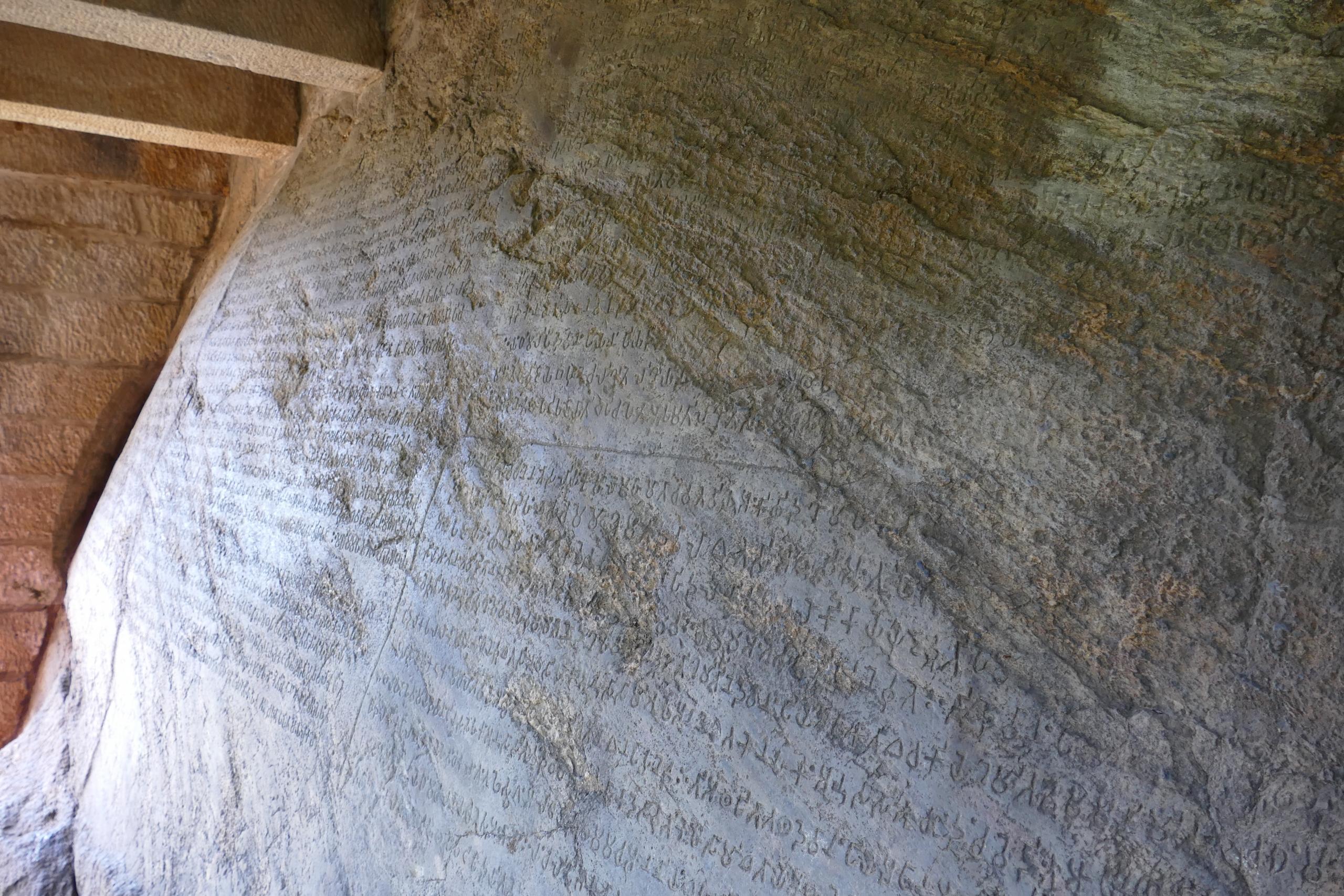
Ashoka had huge Buddhist decrees etched into rocks and caves all around his empire starting in 254 B.C. One tells of his sending religious envoys to the Greek kings of Egypt, Syria, Macedonia, Cyrene, and Epirus, with seemingly no success. Thirteen years later, he carved seven more edicts into carefully arranged pillars of polished sandstone.
Ashoka, also known as Ashoka the Great, ruled the Mauryan Empire, from 268 BCE to 232 BCE.
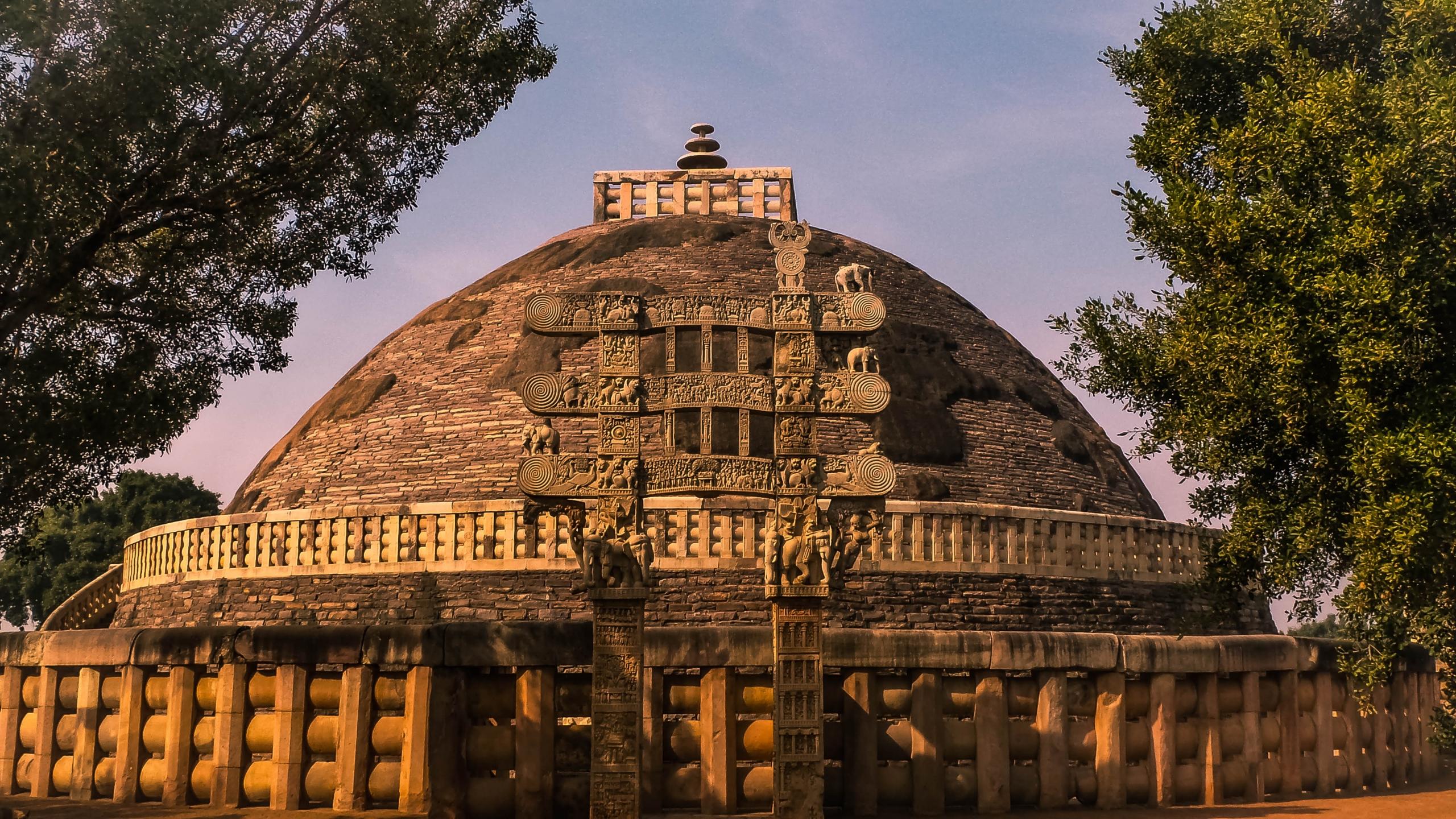
One of the best preserved of the Ashokan pillars is 32 feet high, with a sitting lion atop it, and is located in Lauriya Nandangarh, Bihar. In addition, Ashoka is recognized for having constructed 84,000 stupas to house Buddha artefacts and honour significant occasions in the life of Buddhism's founder, Siddhartha Gautama.
Pillars Of Ashoka
The Ashoka pillars are a collection of single stone pillars spread across the Indian subcontinent, built or carved with edicts by the 3rd Mauryan Emperor Ashoka the Great, who ruled from approximately 268 to 232 BC.
Ashoka referred to these pillars as "pillars of the Dharma" and they are significant architectural monuments in India, many displaying a distinct Mauryan finish. There are still twenty surviving pillars erected by Ashoka, some with inscriptions of his edicts.
Only a few complete specimens with animal capitals remain, with two pillars relocated to Delhi by Firuz Shah Tughlaq. Some pillars were later moved by Mughal Empire rulers, with the animal capitals removed. These pillars range from 12 to 15 m (40 to 50 ft) in height and weigh up to 50 tons each, requiring immense effort to drag them hundreds of miles to their erection sites.
The Ashoka Chakra represents the concept of 'Dharma' or law in Buddhism. Sarnath was constructed by Ashoka in 250 BC and the pillar was called Ashok Stambh. Underneath the Ashoka Stambh, there are two lions named "Bhadra" and "Vajradatta", symbolizing strength, bravery, and respect.
Mauryan Empire UPSC Notes
Polity
Chandragupta Maurya initiated a vigorous campaign of territorial expansion. After being routed, Alexander's satrap over the eastern Macedonian conquests, Seleucos I Nicator, was forced to give Chandragupta all of the regions he had ruled over, along with a daughter and a sizable sum of money. Additionally, he dispatched Megasthenes, the Greek envoy who penned the Indica, to the Mauryan court.
To expand his realm, Chandragupta employed matrimonial alliances, diplomacy, cunning, and warfare. Following roughly twenty-five years of rule, Chandragupta abdicated in favour of his son Bindusara and became a Jain monk. With efficiency, Bindusara expanded his father's vast dominions to include the Indian peninsula and plateau in the south. Upon a fratricidal succession conflict, his son Ashoka ascended to the throne upon his death.
Ashoka inherited a huge empire. However, Kalinga, a little kingdom on the east coast, was outside its purview. Ashoka resolved to subjugate it. The ensuing conflict was protracted and brutal. Kalinga fought until the very end but gave up. Following Kalinga, Ashoka carried out a peace mission without attacking any kingdoms. Throughout his realm, he placed several pillars encouraging people to abstain from violence and live in peace with the natural world and one another. He strongly supported Buddhism, sent missionary missions—two of which included his son and daughter—across the globe, constructed several stupas, and restored ancient ones.
Delve into the history of the first Muslim Empire of north India, the Delhi Sultanate.
Administration
As the head of state, the Mauryan king presided over the legislative, executive, judicial, and military branches. He consulted a council that included other ministers, the general, the treasury, and the chief minister. The king had quite an extensive bureaucracy working for him. The civil service had distinct rungs, with the highest ranks being quite different from the lowest.
Almost all facets of social life were overseen by departments, including industrial art, factories, general trade and commerce, immigration, births and deaths, commercial taxes, land and irrigation, agriculture, forests, mines, metal foundries, roads, and public buildings.
The Mauryan Empire kept a sizable permanent army and a robust intelligence network. When there was no war, soldiers could pass their time any way they pleased. The army, cavalry, navy, chariots, elephants, and logistics were all divided into different departments. In addition to receiving their pay from the exchequer, soldiers received weaponry and equipment at the state's expense.
Economy
Trade and entrepreneurship were public-private affairs. Taxes, as well as military booty, provided the royal income. The majority of people were farmers, and farming was subject to taxes. Traders were grouped into guilds, which served as banks in addition to having governmental and judicial power. Craftspeople who worked in a certain trade typically cohabitated.
Roads and river crossings incurred tolls, and both imports and exports as well as the sale of commodities within the kingdom were subject to taxes. The state oversaw weights and measures inspections and set the wholesale price of products. Coins made of copper, bronze, and gold were also widely used for bartering. On interest, money was lent in exchange for promissory notes.
With pillars and signposts designating the distances and the by-roads, the major road that connected the kingdom to the western Greek world was well-maintained and guarded. Ships navigated the Ganges and its tributaries, as well as foreign waters like China, Sri Lanka, and the harbours of Africa and Arabia, all while the state took precautions to eliminate pirates.
Religion
Discover how the Marathas, under the courageous leadership of Shivaji, stemmed the tide of the Mughal onslaught in medieval India.
Chandragupta Maurya was a Hindu, who later converted to Jainism. It is uncertain if his grandson Ashoka formally converted to Buddhism, but he did devote all of the state's resources to spreading the religion. The majority of the population identified with one of these three religions, except those who practised primitive beliefs, atheism, or agnosticism.
Important Maurya Dynasty Kings List
Chandragupta Maurya
321 BCE-300 BCE
Bindusara
298 BCE-273 BCE
Ashoka
268 BCE-233 BCE
Dasharatha
232 BCE–224 BCE
Samprati
224 BCE–215 BCE
Shalishuka
215 BCE–202 BCE
Devavarman
202 BCE–195 BCE
Shatadhanvan
195 BCE–187 BCE
Brihadratha
187 BCE–180 BCE
Why Did the Mauryan Empire Decline After Ashoka?
The decline of the Mauryan Empire was a gradual process rather than the result of a single event. Several political, administrative, and economic pressures weakened the dynasty after Ashoka's death.
1. Weak Successors
Ashoka's successors did not maintain the same level of political authority. Frequent changes in leadership and the limited power of later rulers made it increasingly difficult to control the empire's vast territory.
2. Administrative Challenges
The empire covered extensive areas with different populations and regional interests. Maintaining central authority required an effective network of officials, communication, and military support. As imperial power weakened, local governors and regional rulers gained greater independence.
3. Economic and Military Pressures
Maintaining a large administration and army required substantial resources. Political fragmentation and the loss of territories may have reduced the revenue and military capacity available to later rulers, making it harder to preserve the empire.
4. Regional Independence and External Pressures
As central control weakened, regional powers emerged or strengthened their independence. The northwestern frontier also faced pressure from external powers, including Indo-Greek rulers. These developments further challenged the authority of the later Mauryan kings.
5. The Assassination of Brihadratha
The final event was the assassination of Brihadratha by Pushyamitra Shunga around 185 BCE. Pushyamitra established the Shunga dynasty, bringing Mauryan rule to an end.
Historians continue to debate the relative importance of these factors. The decline is best understood as the combined result of weakening central authority, succession difficulties, regional fragmentation, and economic and military pressures rather than one single cause.
Legacy of the Mauryan Empire
The Mauryan Empire left a lasting mark on India's political, cultural, and religious history.
- Political administration: It demonstrated how a large territory could be governed through a centralised state and a network of officials.
- Buddhism: Ashoka's patronage contributed to the spread of Buddhist teachings within and beyond the Indian subcontinent.
- Art and architecture: The pillars of Ashoka, inscriptions, and other archaeological remains reveal the artistic and technical achievements of the period.
- Ethical governance: Ashoka's inscriptions emphasised compassion, tolerance, and public welfare.
- Historical significance: The Mauryan dynasty remains an important example of early large-scale imperial rule in South Asia.
The Mauryan Empire's rise under Chandragupta, consolidation under Bindusara, and transformation under Ashoka illustrate the strengths and challenges of ancient imperial governance. Although the dynasty ended in 185 BCE, its political and cultural legacy continued to influence Indian history.
Mauryan Empire: FAQs
Who was the founder of the Mauryan Empire?
- Chandragupta Maurya was the founder of the Mauryan Empire.
Who are the famous Mauryan rulers?
- Chandragupta Maurya, Bindusara, Ashoka the Great, Dasharatha Maurya, and Brihadratha Maurya are some of the most famous Mauryan rulers in history.
How long did the Mauryan Empire last?
- The Mauryan Empire lasted from about c. 321 to 185 BC and was the first empire to encompass most of the Indian subcontinent.
What makes the Maryan Empire unique in ancient Indian history?
- Trade in India expanded as a result of the governmental cohesion and internal harmony of the Mauryan Empire. Major road construction was supervised by the government during Ashoka's rule, and the Mauryan international trade network grew. India exported silk, textiles, and spices to countries such as Persia and Bactria.
What was the greatest weakness of the Mauryan Empire?
Ashoka Maurya's weak successors were one of the primary causes of the downfall of the Mauryan Empire. The division of the empire into two regions, the eastern one ruled by Dasharatha and the western one by Kunala, was another direct cause.Who is considered the greatest of the Mauryan Emperors?
The third Mauryan Emperor, Ashoka (c. 273–232 B.C.), is considered to be the greatest of the dynasty and one of the most famous rulers in Indian history.What was the symbol of the Mauryan Empire?
The Mauryan state emblem was the peacock. The language spoken by the citizens was Pali. Taxila was the well-known hub of higher learning during this time.
Who destroyed the Mauryan Empire?
In 185 BC, Brihadratha, the last of the Mauryas, was slain by his commander-in-chief, Pushyamrita, who later established the Shunga Dynasty.What was the capital of the Mauryan Empire?
Pataliputra was the capital of the Mauryan empire.What language did Ashoka speak?
Ashoka wished for the Dhamma to be read and comprehended by every person in his kingdom, including commoners. Therefore, he purposefully opted to convey the Dhamma in Prakrit rather than in Sanskrit, which at the time was only spoken by Brahmins of the higher class.
What was the title given to Emperor Ashoka?
The title Devanampiya (Sanskrit: Devanampriya, "Beloved of the Gods") is mentioned in Ashoka's inscriptions. The inscriptions at Maski and Gujarra, which refer to the king by both names, prove that Devanampiya and Ashoka are the same person.Who were Ashoka's children?
Emperor Ashoka had five children: two daughters, Sanghamitra and Charumati, and three sons, Mahinda, Kunala, and Tivala.Why did Ashoka convert to Buddhism?
Ashoka felt regret for the subjugation of a previously unconquered country, slaughter, death, and taking away captive of the people. As a result, Ashoka became a Buddhist.Why is Ashoka hailed as 'great'?
Emperor Ashoka is regarded as 'great' because of his compassionate and peaceful leadership style, which contributed to the unification of the culturally varied empire under a centralized government.
Summarise with AI:
Did you like this article? Leave a rating!

 Loading...
Good article… Perfect… Glory to Emperor Ashoka who unified India first… Then Guptas..