

Quick Steps to Learn and Master the Breaststroke
Before we get into the detail, here's the streamlined sequence every Indian swimming coach follows when teaching the breaststroke — a checklist you can work through whether you're starting at a society pool in Mumbai, a club in Pune, or a Sports Authority of India training centre:
- Build comfort in shallow water first — practise floating face-down and exhaling bubbles before attempting the full stroke.
- Master the glide — push off the wall with arms extended and body flat, gliding as far as you can comfortably.
- Learn the frog kick at the wall — hold the pool edge, draw your heels toward your hips, kick out and snap together in a circular motion.
- Add the arm pull — sweep your hands outwards from the chest, then inwards in a heart shape, returning to the streamlined position.
- Coordinate the rhythm — practise the classic "pull, breathe, kick, glide" sequence that defines the stroke.
- Time the breath naturally — lift your head only as your hands sweep inward; lower it as your arms extend forward.
- Glide every stroke — pause briefly in the streamlined position after every kick to maximise distance per stroke.
- Build distance gradually — aim for 25-metre lengths first, then progress to 50m and longer once your rhythm is steady.
What Is the Breaststroke?
The breaststroke is one of the four officially recognised competitive swimming strokes and is widely considered the oldest formalised stroke in human history. It is performed face-down with the body kept on the breast (which is where the name comes from), using simultaneous, symmetrical movements of both arms and both legs. Unlike the front crawl or backstroke, which use alternating arm and leg movements, the breaststroke is built around a coordinated rhythm: pull, breathe, kick, glide.
"From the beginning of the first arm stroke after the start and after each turn, the body shall be on the breast. It is not permitted to roll onto the back at any time. From the start and throughout the race the stroke cycle must be one arm stroke and one leg kick in that order. All movements of the arms shall be simultaneous and on the same horizontal plane without alternating movement."
Visually, the breaststroke is unmistakable — the arms sweep outward in a heart shape, the legs perform a frog-like whip kick, and the head rises out of the water with each stroke for a clean breath. Done well, it is graceful, efficient, and surprisingly meditative. Done poorly, it becomes the most exhausting of the four strokes — which is why proper technique matters so much.
In India, the breaststroke is the stroke most commonly taught first to children at swimming academies, residential society pools, and school programmes. It's also the favourite stroke for adult fitness swimmers across cities like Bengaluru, Hyderabad, and Pune, especially those who want a workout that allows them to actually breathe naturally and look around the pool while swimming.
Start learning safely with a beginner-friendly swimming class near me.
A Brief History of the Breaststroke
The breaststroke has roots that go back thousands of years. Ancient Egyptian cave drawings and hieroglyphs from over 4,000 years ago depict swimmers using a movement very similar to the modern breaststroke — outstretched arms, frog-style legs, head above water. References to a breaststroke-like technique also appear in Greek, Roman, and ancient Indian texts.
Japanese swimmer Masaru Furukawa did manage to bend the rule by not surfacing at all after the start, but swimming a lot of the early stage of the race underwater. He managed to win the gold medal, spending more than half of the time underwater, leading to further rule tweaks.
The first detailed manual on the stroke appeared in 1538, when German professor Nikolaus Wynmann published Colymbetes, one of the earliest swimming books. It described a stroke remarkably similar to today's breaststroke. By the 1800s, the breaststroke was the dominant stroke across Europe, and it remained so until faster strokes like the front crawl were introduced in the late 19th century.
The breaststroke became an Olympic event in 1904, and has been part of every Summer Olympics since. The rules have evolved significantly. In the 1950s, swimmers like Japan's Masaru Furukawa exploited a loophole that allowed underwater swimming, gliding underwater for most of a race to win the 1956 Melbourne Olympic gold. World Aquatics (formerly FINA) responded by limiting how much of the stroke could be performed underwater, and the modern rules were finalised over the decades that followed.
Today, world-class breaststroke specialists include Adam Peaty (UK), who set the men's 100m breaststroke world record at 56.88 seconds, and Lilly King (USA) in the women's events. By comparison, the front crawl world record is around 46.80 seconds — a clear indication that the breaststroke is the slowest of the four competitive strokes.
Practise strokes and breathing with swimming classes Chennai.
In India, the breaststroke is a competitive event at every National Aquatic Championship organised by the Swimming Federation of India. Indian breaststroke specialists have represented the country at the Asian Games, Commonwealth Games, and Olympic Games, with the stroke also featuring as a leg of the individual medley events.
Learn faster with expert-led swimming classes Mumbai.
Why Breaststroke Is Often the First Stroke Beginners Learn
There are several practical reasons why breaststroke is taught first to beginners across India and most of the world:
- Easier breathing pattern. Unlike the front crawl, where breathing requires precise head rotation, the breaststroke lets you lift your head straight up out of the water with each stroke. There's no anxious turn-and-time coordination — just a natural, rhythmic up-and-down breath.
- Visibility above the water. Beginners often feel anxious about losing sight of where they are in the pool. The breaststroke keeps the head above water for much of the stroke cycle, which dramatically reduces this anxiety.
- Slower, more controlled pace. The breaststroke gives the swimmer time to think between strokes — to glide, reset, and feel the rhythm — which is invaluable when you're still learning.
- Symmetrical movements. The body does the same thing on both sides at the same time, which is much easier to coordinate than the alternating patterns of front crawl and backstroke.
- Lower water-confidence requirement. Even nervous adult learners can usually manage a basic breaststroke within their first two or three sessions.
For these reasons, virtually every beginner swimming course in India — from school PE programmes to private coaching on Superprof — begins with the breaststroke.
Body Position: The Foundation of a Good Breaststroke
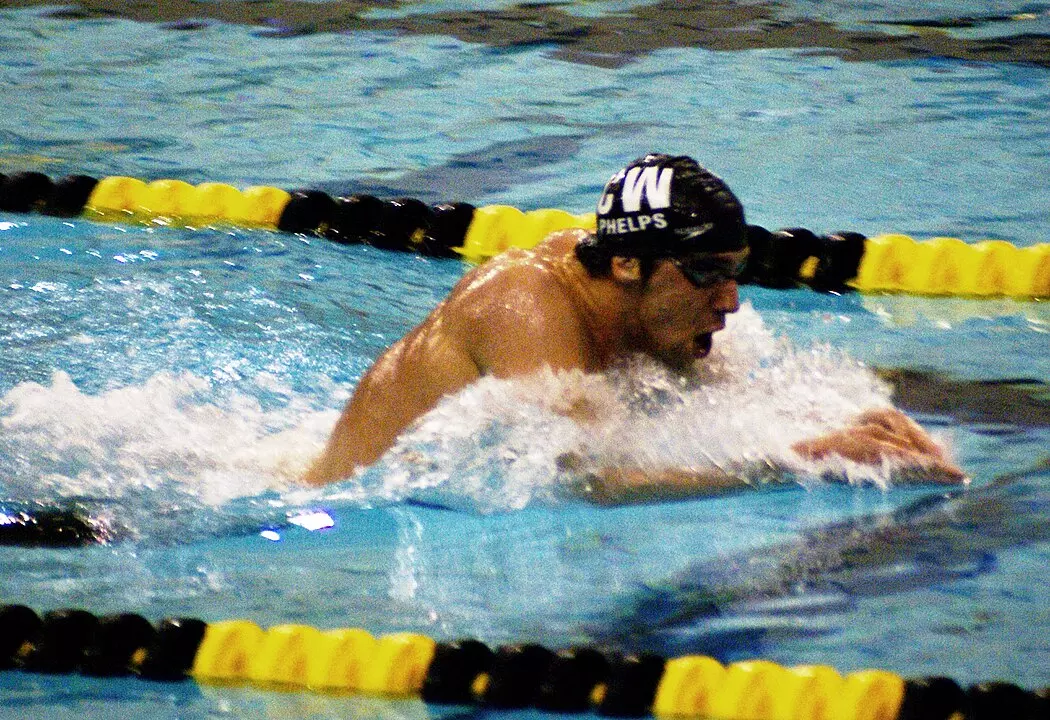
A good breaststroke starts with the right body position. Many beginners make the mistake of swimming with their heads too high, which causes the hips and legs to sink and creates massive drag. The right position is:
- Body flat and horizontal, parallel to the surface, except during the breath.
- Head looking forward and slightly down, in line with the spine when underwater.
- Hips at the surface, never dropping below the line of the shoulders.
- Streamlined glide position — arms fully extended in front, legs straight together, after every kick.
The key cue: glide before you pull. Each stroke should end with a long, motionless glide in the streamlined position. The more you glide, the less you have to fight against drag — and the easier the entire stroke becomes.
Improve your freestyle with swimming classes in Lucknow.
Step-by-Step Breaststroke Technique
The breaststroke cycle has four distinct phases, repeated in sequence:
1. The arm pull. Starting in the streamlined position, sweep your hands outwards beyond shoulder-width, then turn your palms inward and pull them downwards and inwards toward your chest in a heart shape. Keep your elbows higher than your hands during the pull — this is what coaches call "high elbow catch."
2. The breath. As your hands sweep inward toward your chin, lift your head and shoulders slightly to take a quick breath. Don't lift any higher than necessary — the goal is just to clear the mouth above water.
3. The kick. As your hands begin shooting forward, draw your heels up toward your hips, turn your feet outward, and kick outwards and backwards in a powerful circular motion, snapping the feet together at the end. This is the frog kick or whip kick, and it provides the bulk of your propulsion.
4. The glide. After the kick snaps closed, hold the streamlined position with arms extended forward and legs together. Glide for a moment before starting the next stroke.
Mantra to remember: pull, breathe, kick, glide — pull, breathe, kick, glide.
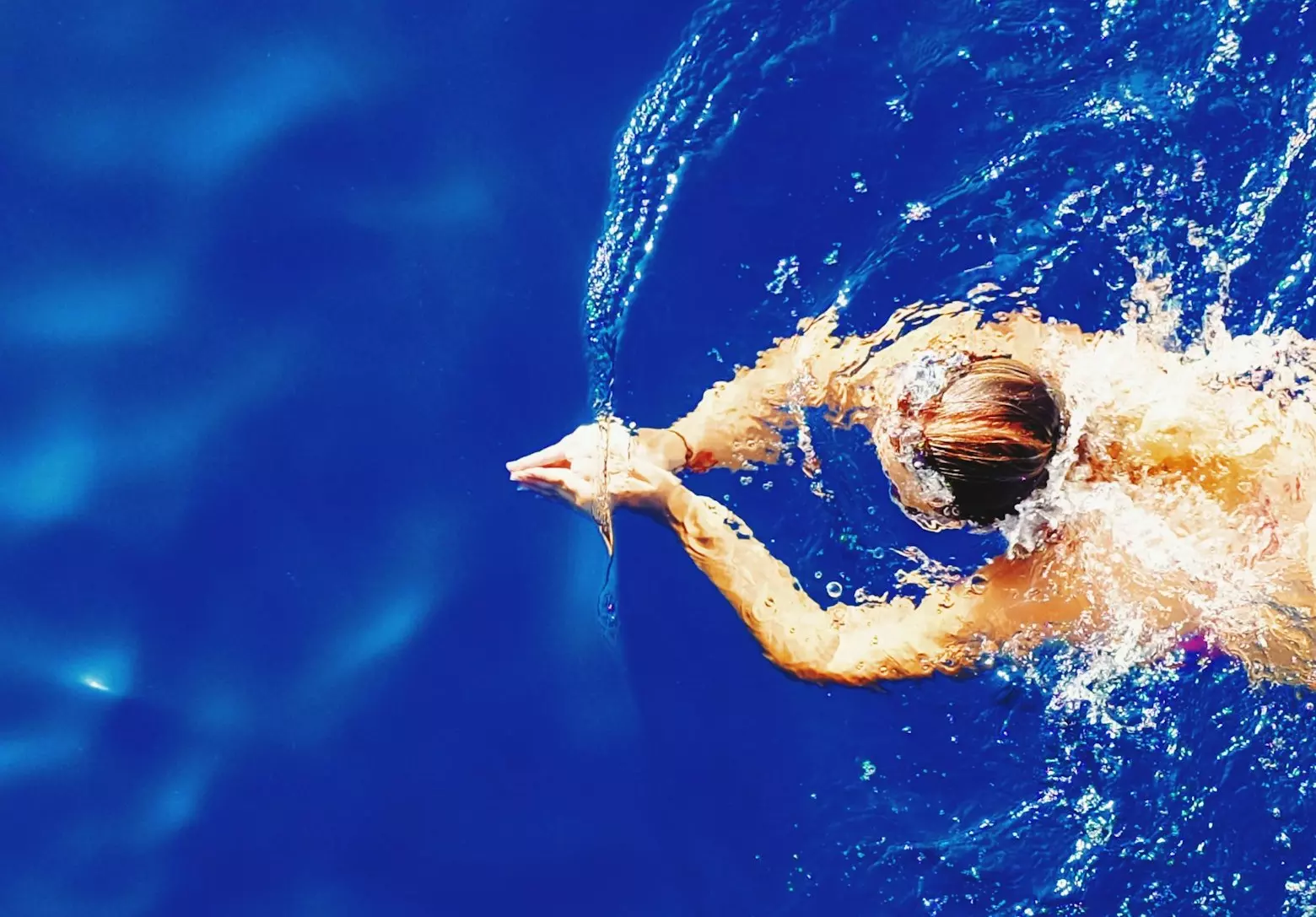
Unlike the front crawl, where most propulsion comes from the arms, in breaststroke most of the power comes from the kick. A strong, well-timed kick is what separates an efficient breaststroke from a tired, splashy one.
Breathing in the Breaststroke
One of the breaststroke's biggest advantages is its breathing pattern. There's no need to time your inhalation against alternating arm strokes or rotate your head awkwardly. Instead:
- Exhale fully underwater as your arms shoot forward and you glide.
- Inhale as your hands sweep inward during the arm pull, when your head naturally lifts.
- Lift just enough to clear your mouth — not your whole upper body.
- Drop the head back down as your arms extend forward into the glide.
The breathing is so natural that many beginners can swim several lengths of breaststroke comfortably from their very first lesson — something that's almost impossible with the front crawl.
Common Mistakes Indian Beginners Make in Breaststroke
A few errors come up again and again with breaststroke learners:
- Lifting the head too high. Causes the hips to drop and dramatically slows you down.
- Bicycle kick instead of frog kick. Pedalling motion creates no propulsion. The kick must be circular, with feet flexed outward.
- No glide. Beginners often rush from one stroke to the next, never letting the streamlined glide do its work.
- Wide arm pull. Pulling the hands too far past the shoulders wastes energy. Keep the pull compact and centred.
- Knees dropping during the kick. Letting the knees fall too far apart reduces kick power and strains the joints.
Advanced Tips to Improve Your Breaststroke
Once your basic technique is steady, these refinements will take your stroke to the next level:
- Streamline obsessively. Every centimetre of glide is free distance — train yourself to hold the glide longer.
- Build kick power. Use a kick board and practise breaststroke kick alone for 200–400m per session.
- Engage your core. A strong core stabilises the body during the breath and keeps the hips at the surface.
- Practise tempo control. Use a mental count or tempo trainer to keep your stroke rhythm consistent.
- Strengthen your hips and ankles. Yoga, ankle mobility drills, and hip-opening exercises directly improve your kick.
The breaststroke rewards patience and rhythm more than raw effort. The fastest competitive breaststroke swimmers in the world are also the most relaxed-looking — that's not coincidence.
Learn the Breaststroke With a Coach on Superprof
The breaststroke is one of the easiest strokes to start with but one of the hardest to truly master. Subtle issues with timing, kick mechanics, or body position can hold even experienced swimmers back for years. A qualified instructor can spot and correct these in a single session — often saving you weeks of frustrated practice.
Superprof connects swimmers across India with verified swimming coaches, many of whom have competitive backgrounds, formal Swimming Federation of India certification, and years of experience teaching learners of all ages. Browse coach profiles, compare reviews, and book your first session today.
Summarise with AI:
Did you like this article? Leave a rating!

 Loading...