
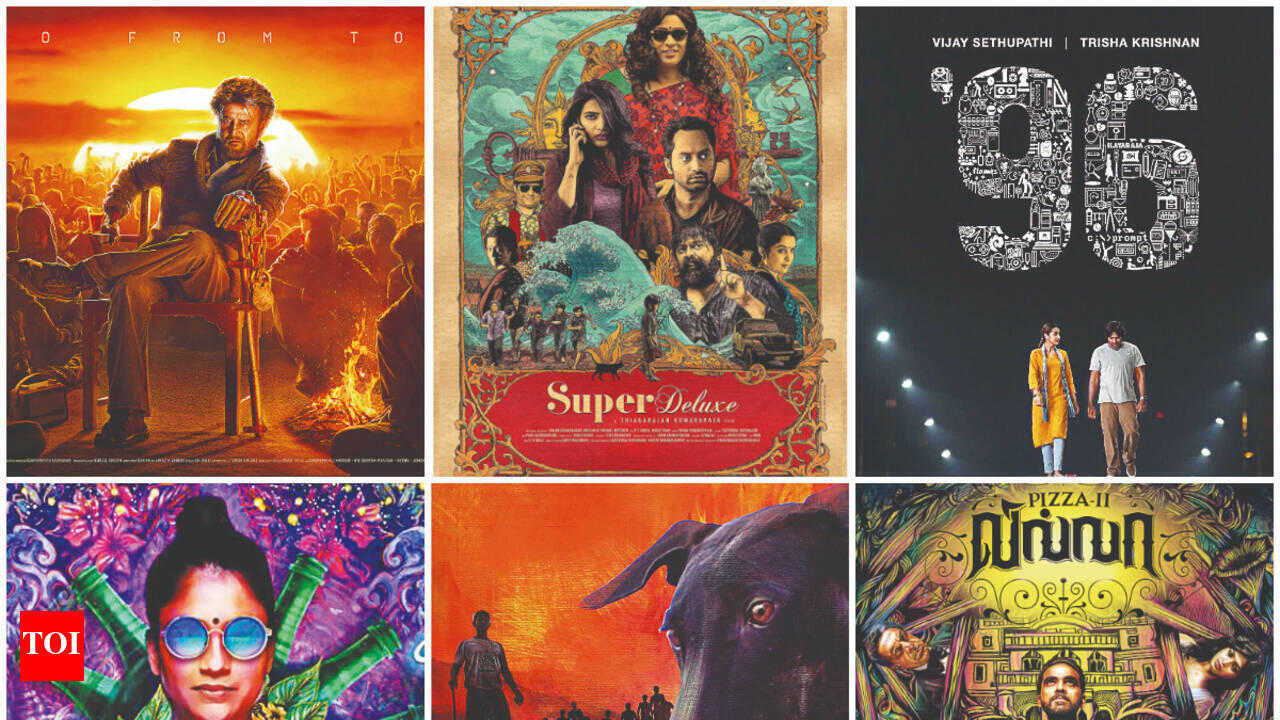

Tamil cinema stands as one of the most dynamic and influential film industries in India. The journey of cinema in Tamil spans more than a century, evolving from stage-inspired storytelling to a globally recognized cinematic force. Beyond entertainment, Tamil cinema has played a crucial role in shaping regional identity, influencing politics, and redefining narrative forms in Indian cinema.
This article serves as a comprehensive overview of Tamil cinema—its origins, evolution, cultural significance, and broader impact. It also serves as a foundational entry point into deeper topics, including landmark films, legendary actors, political intersections, and modern digital transformations.


Key Facts About Tamil Cinema
The term “Kollywood” reflects both geographic identity and cinematic ambition, rooted in Kodambakkam’s legacy while symbolizing Tamil cinema’s aspiration to achieve global recognition and creative excellence.
- One of India’s oldest and most prolific film industries
- Primary production hub: Chennai
- The term “Kollywood” derives from Kodambakkam + Hollywood
- Strong historical link between cinema and politics
- Known for integrating music deeply into storytelling
- Plays a key role in shaping Tamil identity and language pride
- Increasing global recognition through dubbing and streaming
Understanding Cinema in Tamil
The phrase cinema in Tamil refers not just to films made in the Tamil language but to an entire cultural ecosystem. It includes storytelling traditions, performance styles, music composition, audience engagement, and ideological expression.
Tamil cinema operates at the intersection of art, commerce, and social influence. Unlike many other regional industries, it has consistently functioned as a medium for public discourse—reflecting and shaping societal values.
What Kollywood Means and Its Cultural Significance

Kollywood Means More Than Geography
The term Kollywood means the Tamil-language film industry centered in Kodambakkam, a historic neighborhood in Chennai known for its film studios.
- “Kollywood” = Kodambakkam + Hollywood
- Represents both a physical location and a cultural identity
- Symbolizes Tamil cinema’s aspiration to combine local narratives with global appeal
Over time, Kollywood has become synonymous with innovation, experimentation, and cultural expression.
Early Foundations of the Industry
The history of Tamil cinema began in the early 20th century with silent films, followed by the first Tamil talkie:
- Kalidas marked the beginning of sound cinema in Tamil
Early Tamil films were heavily influenced by:
- Theatre traditions
- Mythological narratives
- Classical music and dance
These elements established a strong narrative and aesthetic foundation that continues to influence Tamil cinema today.
Evolution of Tamil Cinema Across Eras
Tamil cinema has evolved through multiple phases, each reflecting technological advancements, societal changes, and artistic experimentation.
1930s–1950s: Theatre Influence and Social Reform
Dialogue-Driven Narratives
In its early decades, Tamil cinema retained strong connections to theatre:
- Emphasis on elaborate dialogue
- Static camera techniques
- Stage-like performances
Films often focused on moral and social themes, addressing issues such as caste inequality, superstition, and social justice.
Cinema as a Reformist Tool
During this period, cinema emerged as a platform for:
- Social awareness
- Cultural education
- Ideological messaging
The integration of reformist ideas into storytelling laid the groundwork for Tamil cinema’s later political influence.
1960s–1980s: Political Cinema and Mass Appeal
Rise of Cinema-Politics Nexus
One of the defining features of Tamil cinema is its deep connection with politics. During this era:
- Films carried strong ideological messages
- Actors became political icons
- Cinema influenced public opinion and voter behavior
Leaders like C. N. Annadurai and M. Karunanidhi used cinema as a medium to communicate political ideas.

Emergence of the Mass Hero
This period saw the rise of the “mass hero” archetype:
- Characters portrayed as protectors of the poor
- Narratives centered on justice and morality
- Strong emotional connection with audiences
This archetype continues to influence Tamil cinema today.
1990s–2000s: Technical Innovation and Narrative Expansion
Globalization of Tamil Cinema
The 1990s marked a turning point:
- Improved cinematography and editing techniques
- International recognition for music composers
- Increased collaboration across industries
Tamil cinema began reaching audiences beyond regional boundaries, contributing to its national influence.
Diversification of Genres
This era introduced:
- Romantic dramas with urban themes
- Crime thrillers with realistic storytelling
- Experimental films exploring new narratives
The industry became more versatile, appealing to a wider audience base.
2010s–Present: Digital Transformation and Global Reach
Expansion Through Technology
Modern Tamil cinema has embraced:
- Digital filmmaking techniques
- Global distribution networks
- Streaming platforms
This has enabled Tamil films to reach audiences worldwide.
Balancing Commercial and Content-Driven Cinema
Contemporary Tamil cinema balances:
- Large-scale commercial productions
- Smaller, content-driven films
This dual approach ensures both mass appeal and critical recognition.
Top 10 Directors in Tamil Cinema and Their Contribution
Discussions around the top 10 directors in Tamil cinema often highlight individuals who have significantly influenced storytelling and filmmaking techniques.
Influential Directors
- K. Balachander – Known for strong character narratives
- Bharathiraja – Introduced rural realism
- Mani Ratnam – Blended artistic and commercial cinema
- Shankar – Known for large-scale productions
- Bala – Focus on realism and intensity
- Vetrimaaran – Socially relevant storytelling
These directors demonstrate the creative diversity within Tamil cinema and its ability to evolve across generations.

Cultural Impact of Tamil Cinema
Tamil cinema has had a profound impact on culture, society, and identity.
Shaping Regional Identity
Tamil cinema reinforces:
- Language pride
- Cultural traditions
- Collective identity
Films often celebrate Tamil heritage, contributing to a strong sense of belonging among audiences.
Influence on Social Narratives
Tamil films address:
- Social inequality
- Gender roles
- Education and economic issues
By engaging with these themes, cinema becomes a platform for dialogue and change.
Cinema and Politics
The relationship between cinema and politics in Tamil Nadu is unique:
- Actors transition into political roles
- Films communicate ideological messages
- Cinematic personas shape public perception of leaders
This intersection highlights the broader societal influence of cinema in Tamil.
Music as a Core Element
Music plays a central role in Tamil cinema:
- Songs advance the narrative
- Background scores enhance emotional impact
- Soundtracks gain independent popularity
National Influence of Tamil Cinema
Tamil cinema has significantly influenced Indian cinema as a whole.
Cross-Industry Impact
- Remakes in Hindi, Telugu, and other languages
- Influence on storytelling techniques
- Collaboration across industries
Contribution to Indian Film Identity
Tamil cinema contributes to:
- Narrative diversity
- Technical innovation
- Cultural representation
Global Recognition and Expansion
Tamil cinema has gained international visibility through:
- Film festivals
- Streaming platforms
- Diaspora audiences
This global reach reinforces the importance of cinema in Tamil as a cultural export.
Structural Ecosystem of Tamil Cinema
Tamil cinema operates as a complex system involving:
Production
- Studio-based filmmaking
- Independent productions
Distribution
- Theatrical releases
- Digital streaming
Audience Engagement
- Strong fan culture
- Active participation in film promotion
Comparative Overview of Evolution
| Era | Key Feature | Impact |
|---|---|---|
| Early | Theatre influence | Narrative foundation |
| Mid | Political cinema | Social engagement |
| Modern | Global reach | International recognition |
This article provides a foundation for exploring:
- Landmark films and their impact
- Legendary actors and performance styles
- Political influence of cinema
- Modern OTT transformations
Each of these areas builds upon the history of Tamil cinema.
Cultural Elements to Explore
To better understand Tamil cinema:
- Analyze dialogue-driven storytelling
- Explore musical compositions
- Study narrative evolution across eras
Conclusion

The journey of cinema in Tamil is a story of innovation, cultural expression, and societal influence. From its early roots in theatre to its current global presence, Tamil cinema has consistently evolved while maintaining its core identity.
Understanding the history of Tamil cinema, the meaning of Kollywood, and its cultural impact provides valuable insight into one of India’s most vibrant film industries. As it continues to grow and adapt, Tamil cinema remains a powerful force shaping narratives, identities, and cultural discourse both within India and beyond.
Summarise with AI:
Did you like this article? Leave a rating!

 Loading...
