
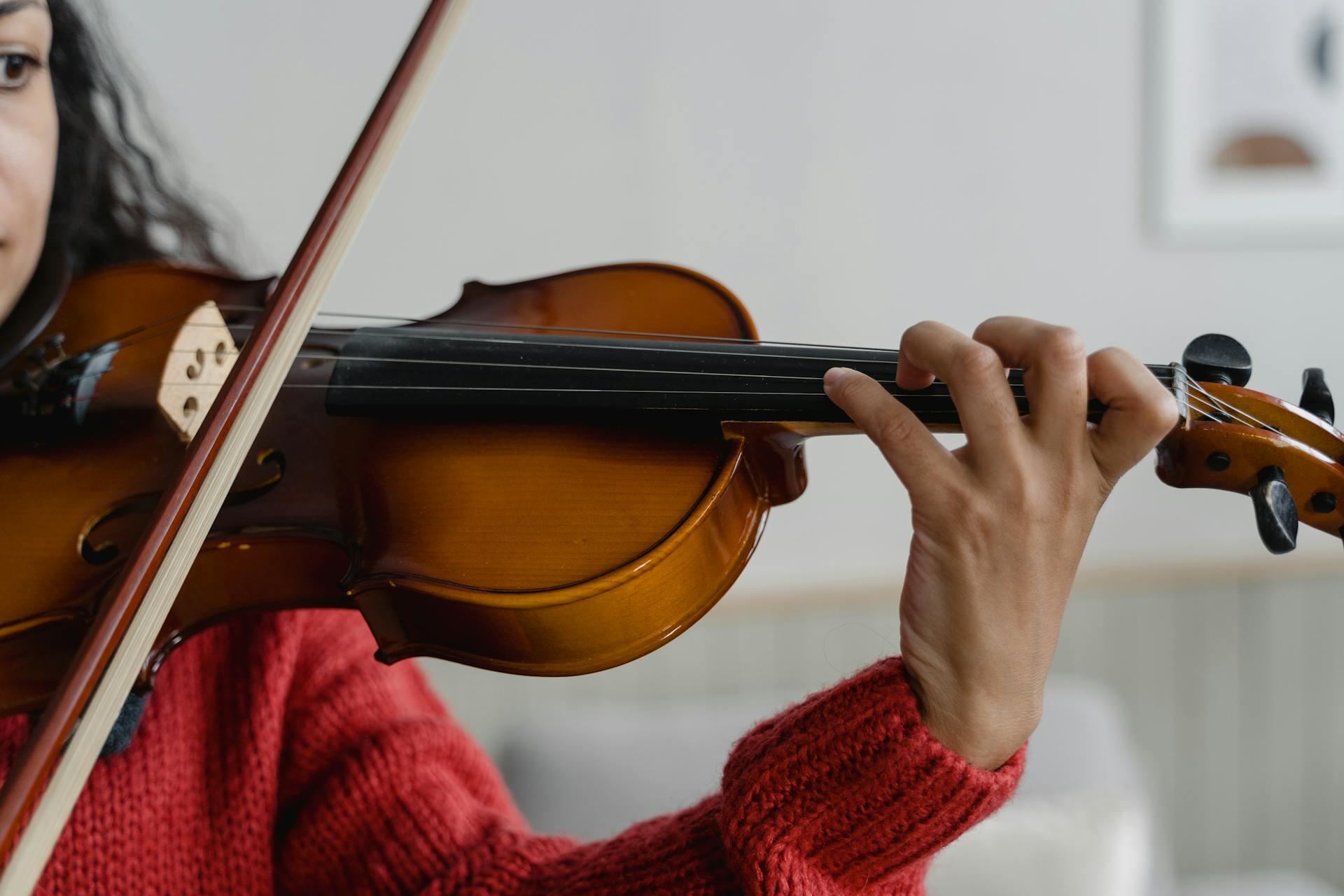

Moving from beginner to intermediate violin is one of the most exciting stages of learning the instrument. At this level, you have already mastered basic scales, simple melodies, and fundamental bowing techniques. The next challenge is developing musical expression, improving tone quality, refining intonation, and learning pieces that are both rewarding and achievable.
The key is choosing repertoire that sits comfortably in the violin intermediate range. Pieces that are too easy may not help you progress, while highly advanced concertos and virtuosic showpieces can become frustrating. The best violin pieces for intermediate players introduce new technical and musical concepts gradually, helping you build confidence without becoming overwhelmed.
For Indian violinists, this repertoire can include both Western classical masterpieces and Indian compositions. Western classical works help develop bow control, phrasing, and musical structure, while Indian classical and contemporary pieces strengthen melodic expression, ornamentation, and improvisational awareness.



Quick List of Intermediate Violin Pieces
- Bach – Sarabande from Partita No. 2
- Vivaldi – Winter (Largo) from The Four Seasons
- Mozart – Adagio in E Major, K.261
- Beethoven – Romance No. 2 in F Major
- Rieding – Violin Concerto in B Minor, Op. 35
- Massenet – Meditation from Thaïs
- Bruch – Violin Concerto No. 1 (Adagio)
- Kreisler – Liebesleid
- Viotti – Violin Concerto No. 22 (Andante)
- Schindler's List Theme
- Spiegel im Spiegel – Arvo Pärt
- Raag Yaman (Intermediate Gat)
- Raag Hamsadhwani Varnam
- Vatapi Ganapatim (simplified concert version)
- Krishna Nee Begane Baro
What Makes a Good Intermediate Violin Piece?
Before selecting repertoire, it helps to understand what defines the intermediate level.
A good intermediate violin piece usually includes:
- First and third position work
- Moderate shifting
- Basic vibrato
- Dynamic control
- Legato bowing
- String crossings
- Longer musical phrases
These pieces challenge your technique without requiring advanced skills such as rapid spiccato, difficult double stops, harmonics, or virtuoso-level speed.
The goal at this stage is not simply to play more notes. Instead, it is to learn how to make the violin sing.
Western Classical Violin Pieces for Intermediate Players
1. Bach – Sarabande from Partita No. 2
Style: Baroque
Skill Focus: Tone production, phrasing, intonation
Bach's Sarabande is one of the most beautiful examples of expressive violin writing. Although technically less demanding than many advanced Bach works, it requires excellent control and musical maturity.
The slow tempo exposes every note, making it an ideal study in tone production and intonation. Intermediate players learn how to shape phrases naturally and maintain musical interest without relying on technical fireworks. This piece is particularly valuable because it teaches musical discipline. Every note matters.
2. Vivaldi – Winter (Largo)
Style: Baroque
Skill Focus: Vibrato, smooth bowing
The Largo movement from Winter offers a wonderful opportunity to develop expressive playing. The melody is lyrical, elegant, and emotionally engaging.
Intermediate violinists can use this piece to refine vibrato and create smoother bow changes. The slower tempo provides enough time to focus on sound quality while exploring subtle dynamics. Because it is instantly recognizable, many students enjoy learning it as part of their concert repertoire.
3. Mozart – Adagio in E Major, K.261
Style: Classical
Skill Focus: Bow control, phrasing
Mozart can be surprisingly difficult because of the clarity his music demands. Every note must be clean, balanced, and precise.
This Adagio teaches intermediate players how to maintain elegant phrasing and consistent tone throughout long musical lines. Unlike Romantic works that allow more freedom, Mozart encourages discipline and refinement.
Students who learn this piece often notice significant improvements in their bow control.
4. Beethoven – Romance No. 2 in F Major
Style: Classical
Skill Focus: Musical expression, dynamics
Beethoven's Romance No. 2 is one of the most accessible and rewarding works in the intermediate repertoire. The lyrical melodies encourage expressive playing, while the moderate technical demands make the piece approachable. Intermediate violinists can focus on dynamics, phrasing, and emotional storytelling rather than worrying about excessive technical complexity. The result is a piece that sounds impressive while remaining manageable.
5. Rieding – Violin Concerto in B Minor, Op. 35
Style: Student Concerto
Skill Focus: Position changes, confidence building
Few pieces bridge the gap between beginner and advanced repertoire as effectively as Rieding's Violin Concerto. It introduces concerto-style playing without overwhelming students. The melodic passages help develop shifting and bow control, while the concerto format prepares players for larger works in the future. For many students, this is their first major recital piece.
Romantic-Era Violin Pieces for Intermediate Players
The Romantic period introduced a new level of emotional expression to violin music. Composers focused on lyrical melodies, rich harmonies, and dramatic dynamics. For the violin intermediate player, Romantic repertoire is an excellent way to develop musicality while continuing to refine technical skills.
6. Bruch – Violin Concerto No. 1 in G Minor (Adagio)
Style: Romantic
Skill Focus: Vibrato, expressive phrasing, tone production
The Adagio from Bruch's famous concerto is one of the most beautiful slow movements ever written for the violin. Unlike the technically demanding outer movements, the Adagio is more accessible to intermediate players.
The piece encourages violinists to focus on producing a warm, singing tone. Long melodic phrases provide opportunities to work on vibrato, dynamics, and expressive bow control.
Many teachers recommend this movement because it helps students move beyond playing notes and start communicating emotion through music.
7. Massenet – Meditation from Thaïs
Style: Romantic
Skill Focus: Legato bowing, expressive dynamics
Meditation from Thaïs remains a favorite among violinists and audiences alike. Its flowing melody makes it ideal for developing smooth bowing and lyrical expression.
For intermediate players, the challenge lies in maintaining a consistent tone while shaping long musical phrases. The piece rewards patience and careful attention to dynamics.
Although often performed by professional violinists, simplified versions make it accessible to students who have already developed basic vibrato and shifting skills.
8. Kreisler – Liebesleid
Style: Romantic Salon Music
Skill Focus: Rubato, phrasing, stylistic interpretation
Fritz Kreisler's Liebesleid combines elegance and emotional depth without requiring advanced virtuoso techniques.
The piece introduces students to stylistic nuances such as rubato and expressive phrasing. Intermediate players can experiment with timing and dynamics while maintaining technical accuracy.
It is also an excellent recital piece because it sounds sophisticated and mature without being excessively difficult.
9. Viotti – Violin Concerto No. 22 in A Minor (Andante)
Style: Classical/Romantic Transition
Skill Focus: Musical structure, intonation
Viotti's Andante is often overlooked compared to more famous concertos, but it offers tremendous value for intermediate violinists. The melodic writing encourages clean intonation and balanced bowing. Since the technical demands remain moderate, students can focus on phrasing and musical structure. Learning this piece also prepares violinists for larger concerto repertoire later in their studies.
Indian Violin Pieces for Intermediate Players
Indian violinists often focus on either Carnatic or Hindustani traditions, but many students also explore contemporary devotional and classical crossover repertoire. These compositions are ideal for developing ornamentation, melodic awareness, and expressive playing.
10. Raag Yaman (Intermediate Gat)
Style: Hindustani Classical
Skill Focus: Meend, phrasing, improvisational awareness
Raag Yaman is frequently introduced during the intermediate stage because it combines accessibility with musical depth.
Students learn how to shape phrases using meend (glides) and subtle ornamentation. Unlike Western classical music, the emphasis is often on melodic exploration rather than strict notation.
Working on Yaman helps violinists develop a stronger ear and a deeper understanding of musical expression.
11. Raag Hamsadhwani Varnam
Style: Carnatic Classical
Skill Focus: Bowing control, speed development
The Hamsadhwani Varnam is a popular choice among intermediate Carnatic violin students. It introduces more complex rhythmic patterns while remaining manageable.
This piece strengthens coordination between the left hand and bow arm. Students also begin developing speed and accuracy without entering advanced technical territory.
Because the melody is bright and energetic, it remains enjoyable even during repetitive practice sessions.
12. Vatapi Ganapatim (Simplified Concert Version)
Style: Carnatic Composition
Skill Focus: Ornamentation, rhythm
Composed by Muthuswami Dikshitar, Vatapi Ganapatim is one of the best-known Carnatic compositions. Intermediate arrangements focus on the main melodic framework while gradually introducing gamakas and rhythmic variations. This allows students to build confidence before tackling more advanced interpretations. Learning this piece also provides valuable exposure to traditional Carnatic repertoire.
13. Krishna Nee Begane Baro
Style: Devotional/Carnatic
Skill Focus: Musical expression, bow control
This beloved devotional composition is frequently performed on the violin because of its lyrical beauty.
The melody encourages expressive playing and smooth bowing. Intermediate students can focus on tone quality, phrasing, and emotional communication rather than technical complexity.
Its popularity across India makes it a rewarding addition to any repertoire.
Modern and Film-Inspired Violin Pieces
Many intermediate violinists enjoy balancing classical studies with modern repertoire. These pieces provide variety while still developing essential skills.
14. Theme from Schindler's List
Style: Film Music
Skill Focus: Vibrato, emotional expression
John Williams' haunting theme is often recommended for intermediate violinists because it demonstrates how a relatively simple melody can create a profound emotional impact. The technical demands are moderate, but the musical demands are significant. Students must learn to shape phrases carefully and use vibrato effectively. This piece teaches that expression is often more important than speed.
15. Spiegel im Spiegel – Arvo Pärt
Style: Contemporary Minimalism
Skill Focus: Tone control, concentration
Spiegel im Spiegel appears simple on paper, but it requires exceptional control and focus.
The repetitive structure encourages players to pay close attention to intonation, tone quality, and bow consistency. Every note is exposed, making precision essential.
For intermediate players, it provides a valuable lesson in musical patience and control.
Best Learning Platforms and Resources for 2026
The availability of online learning resources has transformed violin education. Intermediate players can now access lessons from respected teachers around the world.
Some of the best resources in 2026 include:
- Violinspiration – Structured tutorials, repertoire guides, and technique lessons.
- Violin Lounge – Excellent explanations of intermediate bowing and phrasing concepts.
- MasterClass – Advanced musical insights from professional performers.
- IndianRaga – Useful for students interested in Indian classical and fusion music.
- Acharyanet – High-quality Carnatic music instruction.
- Shankar Mahadevan Academy – Offers structured Indian classical music courses.
- YouTube channels by Dr. Sangita Shankar and leading Carnatic violin educators – Valuable for students seeking Indian repertoire and technique guidance.
While online learning is useful, intermediate students benefit greatly from occasional feedback from an experienced teacher who can identify technical issues that may not be obvious during self-practice.
Practice Tips for Intermediate Violinists
At the intermediate stage, progress depends less on the amount of practice and more on the quality of practice.
To improve consistently:
- Begin every session with scales and bowing exercises.
- Practice difficult passages slowly before increasing speed.
- Record yourself regularly to evaluate tone and intonation.
- Focus on musical expression, not just technical accuracy.
- Learn pieces from different styles to build versatility.
- Work on vibrato separately before applying it to repertoire.
- Break long pieces into smaller sections.
- Use a metronome to strengthen rhythm.
- Listen to professional recordings for stylistic understanding.
- Set clear weekly goals instead of simply repeating pieces.
The transition from beginner to advanced violinist does not happen overnight. It is built through consistent work on carefully chosen repertoire.
Building an Intermediate Violin Repertoire
A balanced repertoire should include a mixture of Western classical, Indian classical, and contemporary works. This combination helps develop technical skills while keeping practice engaging.
A strong intermediate repertoire might include:
- Bach – Sarabande
- Vivaldi – Winter (Largo)
- Beethoven – Romance No. 2
- Bruch – Adagio
- Rieding – Violin Concerto Op. 35
- Raag Yaman
- Hamsadhwani Varnam
- Krishna Nee Begane Baro
- Schindler's List Theme
- Spiegel im Spiegel
These violin pieces for intermediate players offer the ideal balance between challenge and accessibility. They help develop tone, phrasing, vibrato, shifting, and musical expression without requiring the advanced techniques found in virtuoso repertoire.
Whether your interests lie in Western classical music, Indian classical traditions, or modern compositions, carefully selecting the right famous violin pieces can accelerate your growth. By working through a diverse range of intermediate violin repertoire, you'll build the technical foundation and musical confidence needed for the next stage of your violin journey.
Summarise with AI:
Did you like this article? Leave a rating!

 Loading...
