


We are all quite lucky: we live in a time when we can go to Tesco or Sainsbury’s and buy anything from a packet of crisps to a tin of beans.
Each of the products found on supermarket shelves has been carefully treated to ensure the maximum degree of food safety and the optimal balance of nutrients, all neatly wrapped up with a label bearing an expiration date so that we don’t inadvertently eat something that has gone off.
Buying food products hasn’t always been that simple.
Until Pasteur’s era, food chemistry wasn’t considered a legitimate field of study or work. The universal practice of pasteurisation marked the start of food science and technology.
We are all familiar with the process of pasteurisation – heating a substance at relatively low temperature to kill off enzymes that cause foodstuffs, especially milk, to spoil.
In the late 19th Century, French scientist Louis Pasteur gave his name to the process that was actually established nearly a millennium before but his were not the only advances in food preservation.
Salting, smoking, and curing meat, making hardtack out of water and flour that could later be reworked into some sort of bread or gravy… drying and fermenting foods are also preservation techniques that humans have used for centuries.
Long before universities, where one could study food science, were built, and even way before food science was considered a valid field of study, people have been adept at protecting their food stores from rot and spoilage.


Who Is A Food Technologist?
A food technologist is a professional who works in the field of food science and technology. They apply scientific knowledge and principles to develop, improve, and manage the production and processing of food. These experts are involved in various aspects of food production, including researching new food products, enhancing the safety and quality of existing food items, creating more efficient production methods, and ensuring compliance with food regulations.
Food Technologists In India: Career Scope, Opportunities And Salary
Food technology is an evolving field with promising career prospects in India. As a food technologist, you'll play a crucial role in developing, improving, and ensuring the safety of food products. Here's an overview of the career scope, opportunities, and salary in food technology in India:
Career Scope
Food Processing Industry: The food processing industry in India is growing rapidly, creating numerous job opportunities for food technologists. This industry includes sectors such as dairy, fruits and vegetables, grains and cereals, spices, confectionery, beverages, and more.
Quality Assurance and Control: Food technologists are responsible for maintaining quality standards in food production. They ensure that food products meet regulatory guidelines, undergo proper testing, and comply with food safety regulations.
Research and Development: Food technologists contribute to research and development activities, working on new product development, recipe formulation, and process optimization. They may also focus on food preservation techniques, food packaging, and innovative food processing methods.
Government Sector: Food technologists can find employment opportunities in government organizations such as the Food Safety and Standards Authority of India (FSSAI), research institutes, and food testing laboratories.
Opportunities
Food Manufacturing Companies: Many food manufacturing companies hire food technologists to work in their production facilities, quality control departments, and research and development units.
Research Institutions: Various research institutions, universities, and colleges offer opportunities for food technologists to work in research and academic roles, conducting studies and teaching.
Consultancies: Food technologists can work as consultants, providing expertise to food businesses in areas such as product development, quality assurance, and food safety management systems.
Entrepreneurship: With the growing interest in healthy and innovative food products, food technologists can start their own food businesses, such as organic food companies, specialized bakeries, or functional food startups.
Food Technologist Salary
The salary in the field of food technology varies based on factors such as experience, education, job role, and the sector of employment. In India, entry-level food technologists can expect a salary ranging from ?3 lakh to ?6 lakh per annum.
With experience and expertise, the salary can range from ?6 lakh to ?15 lakh per annum or higher for senior positions.
It's worth noting that these figures are approximate and can vary depending on various factors such as the company's location, size, and market presence.
Overall, food technology offers a diverse range of career opportunities in India, with a scope for growth and innovation in the food industry.
Qualifications Required To Become A Food Technologist
To become a food technologist, the most common degree in this field is a Bachelor's degree in Food Technology or Food Science. This degree equips you with the necessary knowledge and skills to work in various aspects of food technology, including food processing, quality control, product development, and food safety.
A Bachelor's degree in Food Technology or Food Science typically covers subjects such as food chemistry, food microbiology, food engineering, food processing techniques, food preservation, sensory evaluation, and nutrition.
The curriculum also includes laboratory work, practical training, and internships to provide hands-on experience in the field.
While a Bachelor's degree is the minimum requirement, some advanced or specialized positions may require a Master's or Ph.D. degree in Food Technology, Food Science, or a related field. These higher-level degrees can provide opportunities for specialization, research, and leadership roles within the food industry.
Considering things from that perspective, you might wonder: what do we need food technologists for?
Food Technology Jobs For Freshers In India
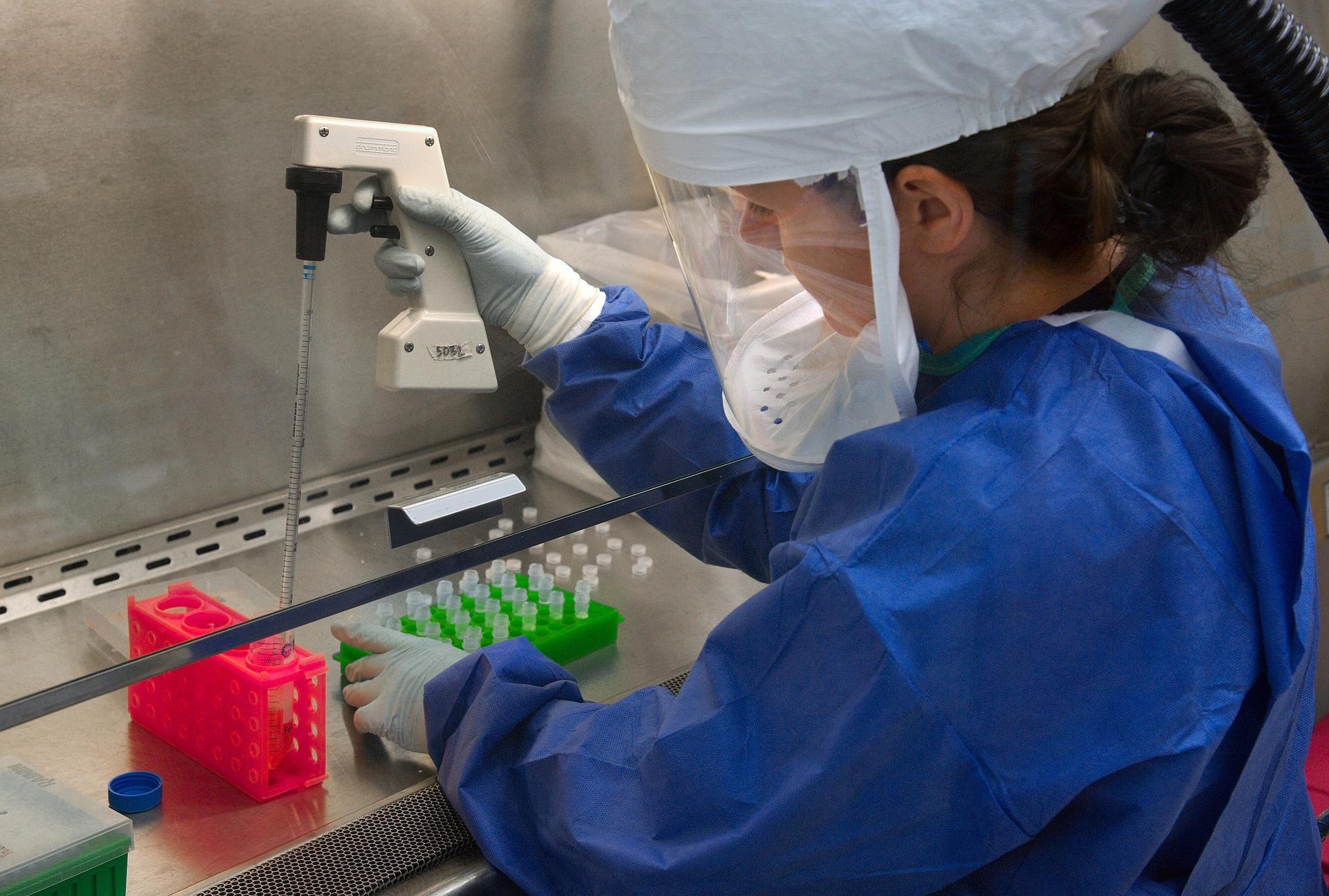
Quality Control Technician: As a quality control technician, you will be responsible for conducting quality checks on raw materials, intermediate products, and finished goods. This includes sensory evaluation, physical and chemical analysis, and adherence to quality standards.
Food Safety Officer: Freshers can start their careers as food safety officers, ensuring compliance with food safety regulations and conducting inspections in food processing facilities. You will be responsible for monitoring and assessing food safety practices, conducting audits, and maintaining hygiene standards.
Research Assistant: Many research institutions and food companies hire freshers as research assistants. In this role, you will assist in conducting experiments, analyzing data, and contributing to research projects related to food product development, process optimization, or food safety.
Product Development Executive: Entry-level positions as product development executives involve working on new food product formulations, recipe development, and sensory evaluations. You will collaborate with cross-functional teams to create innovative and marketable food products.
Quality Assurance Executive: As a quality assurance executive, you will be involved in maintaining and improving quality standards within a food manufacturing facility. This includes monitoring production processes, conducting internal audits, implementing corrective actions, and ensuring compliance with regulatory requirements.
Food Technologist: Some food companies hire freshers as food technologists, providing opportunities to work on product research, quality control, process improvement, and food safety management. You may also be involved in new product development and sensory analysis.
Food Inspector: Freshers can consider joining government agencies or departments as food inspectors. Your role will involve conducting inspections, sampling food products, ensuring compliance with food safety regulations, and taking appropriate actions in case of violations.
Food Analyst: In food testing laboratories, freshers can work as food analysts. You will be responsible for performing chemical, microbiological, and sensory tests on food samples, interpreting the results, and maintaining laboratory records.
These are some common entry-level food technology jobs in India. Remember to actively search for job openings in food manufacturing companies, research institutions, government agencies, and testing laboratories. Additionally, consider internships or apprenticeships to gain practical experience and enhance your skills in the food technology field.
Scratching the Surface of Food Technology
Take a moment to review your food supply: how is the food you have in your kitchen right now packaged?
You may find bottles of drink, cartons of milk and juice, tins of vegetables, bags of snacks and bread and boxes of biscuits…
Without looking at any label, can you name some common ingredients you might find in these foods?
Of course, there would be flour – is it bleached and enriched? Naturally, there will be salt, especially in tinned and frozen foods; salt is a natural preservative.
If you look at the ingredients list of a frozen dinner, you may be shocked to discover how much salt (sodium) it contains!
If you are in the habit of reading food labels before selecting those you will buy – a practice that a dietician would strongly recommend, you should thank a food technologist for the information what your food consists of.
Common entries on food labels include:
- Food coloring makes the food look more appealing
- BHA – butylated hydroxyanisole, a preservative
- BHT - butylated hydroxytoluene, a preservative
- Maltose: a sugar added for flavour
- Dextrose: a sugar added for flavour
- Niacin: a B-complex vitamin essential to human health
- Thiamine: Vitamin B1
- Riboflavin: Vitamin B2
- Vitamins
Often, these supplements are added either to enrich the food, preserve it or enhance its flavour and appearance.
Also, because preserved foods tend to lose some of their nutritional value during processing, vitamins, and minerals are often added back in, hence those entries on the labels.
Food science is constantly in search of new ingredients and ways of making food more appealing, healthier, and safer, and food technologists play a leading role both in food security and in food product development.
With the global population growing ever larger, the pressing issue within the food industry is on finding more ways to maximize the food available so that it will feed more people.
Granted, the largest part of these scientific studies are conducted in a laboratory. Maybe the nutrition and microbiology aspects of food science technology are not what you are angling for.
You may want to know what subjects are covered in a food technology curriculum…
Food Technologists: Role
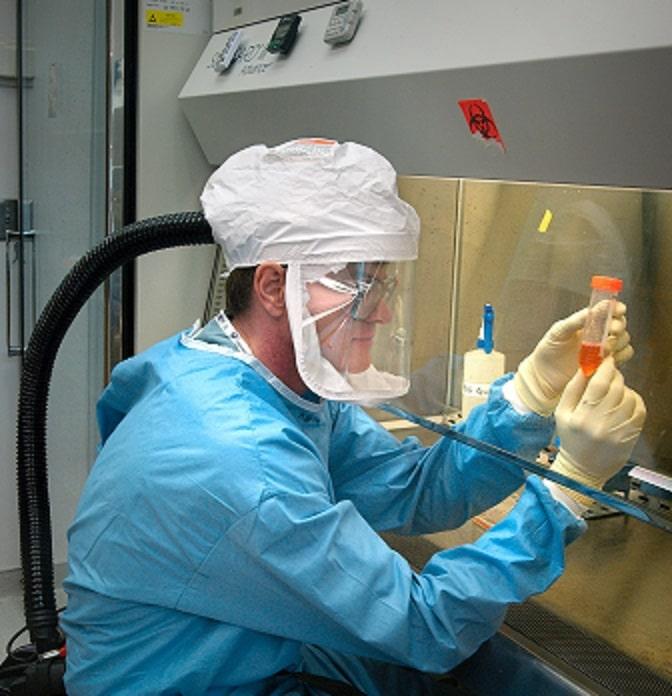
If s/he isn’t working directly with food in a lab, a food technologist enjoys a host of other duties such as verifying that government standards for food safety are met and making recommendations for better, safer processes.
You may choose to work in a food processing plant doing just that, or you may find yourself drawn to the quality control department, making sure strict hygiene standards are upheld to prevent contamination of the food.
With environmental concerns now at an all-time high, devising more efficient ways to package foods is currently the hot topic.
Food technologists are desperately searching for new materials and ways to package foods so that they retain or exceed their current levels of safety while reducing the impact on the environment.
Bulk food dispensers are one way that retails stores are cutting down on packaging.
Foods, at this point mainly dry goods such as breakfast cereals, grains and beans are shipped to the markets from the processing plants in large containers. Retail employees then fill the dispensers as needed.
Going hand in hand with that effort is the ongoing search for more efficient, less impactful transportation options at both ends of the processing plant – when the raw goods come in to be worked and when they ship out, ready for supermarket shelves... or the stores’ bulk dispensers.
If this field is of particular interest to you, your future career plans would benefit from engineering studies.
Adding an engineering elective to your food science and nutrition degree plan will permit you to design a piece of equipment or a process that would make food processing and transportation more efficient and safer.
Are you warming up to the idea of being a food technologist? Find out how you can become one…
If you wish to learn the difference between food science and food technology, you should read our complete guide to food science and technology!
Companies that employ Food Technologists in India & Abroad
There are numerous companies in India and abroad that employ food technologists. Here are some examples of companies that hire food technologists in both regions:
India:
- Nestlé India
- Britannia Industries Ltd.
- ITC Limited
- Hindustan Unilever Limited
- Parle Products Pvt. Ltd.
- Amul (Gujarat Cooperative Milk Marketing Federation)
- Marico Ltd.
- PepsiCo India
- Coca-Cola India
- Dabur India Ltd.
Abroad:
- Nestlé
- Unilever
- Mondelez International
- Mars, Incorporated
- The Kraft Heinz Company
- General Mills
- Kellogg Company
- PepsiCo
- The Coca-Cola Company
- Danone
These are just a few examples of prominent companies that employ food technologists. There are many other regional and international food manufacturing companies, research institutions, government organizations, and food testing laboratories that offer employment opportunities to food technologists.
It's important to note that the availability of job opportunities may vary based on factors such as location, industry trends, and market conditions.
Future Of Food Technologists
In this article, we’ve mentioned three very pressing concerns that have a direct impact on the food industry: climate change/environmental concerns, food safety, and the growing number of mouths to feed.
Right now, our production of food is delicately balanced against the earth’s ability to produce enough to feed everyone… and the food industry is fast falling behind in meeting the demand for safe and nutritious food for all.
More food being produced faster leaves the door open to greater risks of contamination.
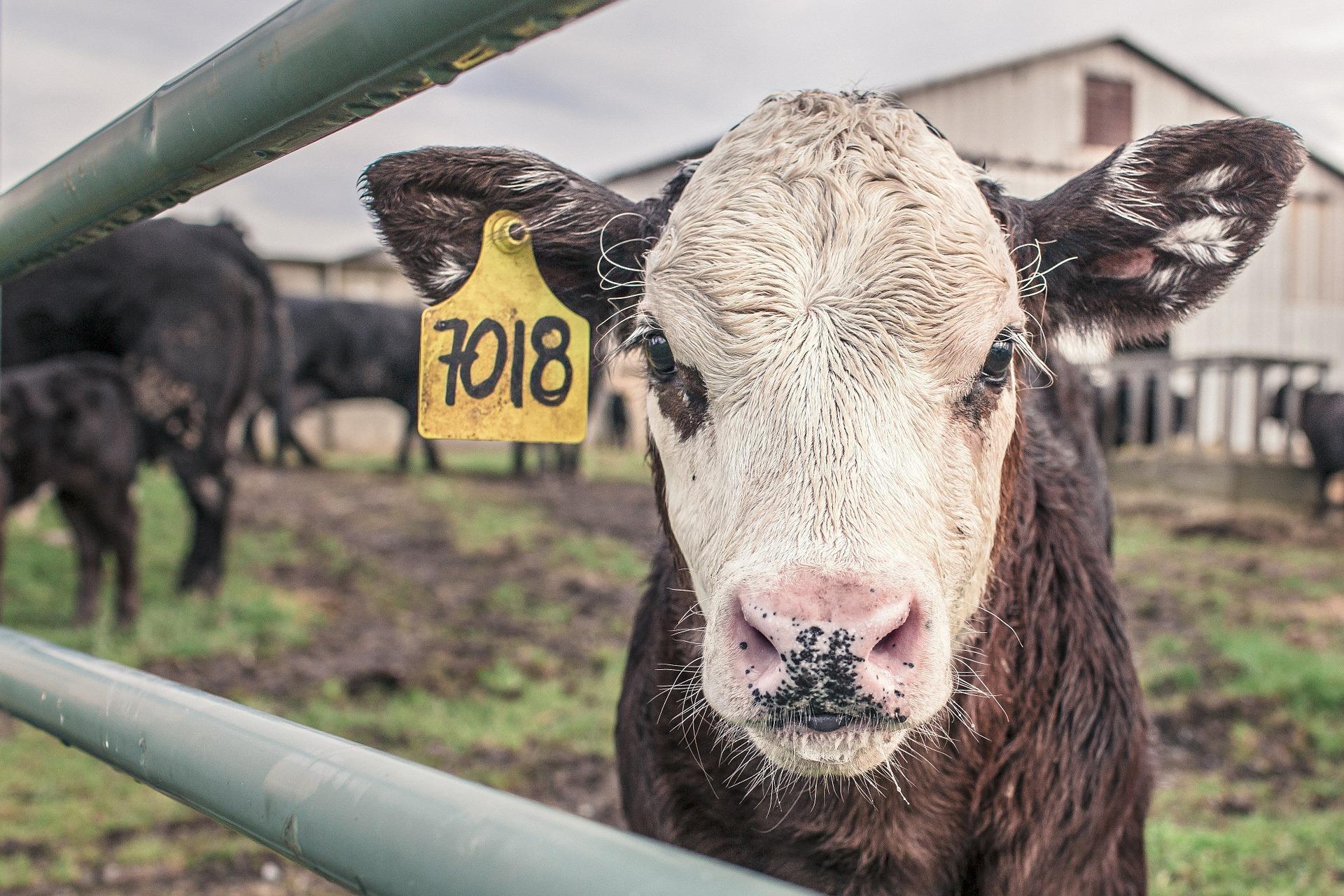
Leaving aside genetically modified organisms – GMOs, as they are commonly known, food technologists are in demand everywhere from the livestock pens and growing fields to the government agencies that provide our food growers oversight and guidance.
In case you’re wondering, GMOs are the purview of scientists specializing in food microbiology.
Naturally, if that is where your interest lies, that is the area of study that you should pursue but, if you are keen to get your boots on the ground, to start working as soon as possible, there is nothing wrong with getting your undergraduate degree and training as a food technologist.
Your Bachelor’s Degree will qualify you to work in a food manufacturing plant in several capacities, the aforementioned food safety and quality being just one of them.
You may also enjoy working in the food analysis department, improving on the foods being processed.
You could also work in Research and Development, not just in food and nutrition but in equipment design and even the layout of the processing plant.
To make a long dissertation succinct: as a food technologist, there is a field of opportunity waiting for you!
Summarise with AI:
Did you like this article? Leave a rating!

 Loading...
I am Food Technologist.
Hello Md Shahzada Salim,
That’s good to know!
If you are interested in giving classes, please send an email to namaste@superprof.com and one of our customer service representatives will assist you with signing up as a teacher.