Even though different English-speaking countries have unique accents and different vocabulary at times, the main ideas remain the same between country lines.
Especially if your English is a little rusty or if you’ve never spoken with someone from North America, the UK, or Australia/New Zealand, you might feel intimidated by the idea of traveling to an English-speaking place.
But, never fear! Here are some of the most helpful and useful words and phrases you can use while traveling to an English-speaking place!





Common Traveling Phrases and Words
Common traveling phrases are perfect for a wide variety of situations. Sometimes, the words will be similar or the same between regions and may even be the same as what you’re used to with Indian English.
How to Ask for the Loo
In the UK, you can obviously use this same word and ask about the location of the loo when you need it, or you could ask for the toilet.
In North America, you have several options!
If you want to be very polite, you can ask for the “Little Boys Room” or the “Little Girls Room,” or simply ask where “The Facilities” are.
To be more direct, ask for the restroom or the bathroom. You could also inquire about the washroom.
In Australia and New Zealand, you might hear it referred to as “the dunny.”
Other General Words and Phrases
UK English
Queueing: To stand in line
Flat: An apartment. Flats are described by how many bedrooms they have (example: a 2 bed flat)
Mobile: A cellphone
Brolly: An umbrella
North American English
Apartment: An apartment is anywhere a person lives that is not their purchased home. Apartments are described by how many bedrooms and bathrooms they have (example: a 2 bed 1 bath apartment)
Sneakers: Any casual shoe
Flip-Flops: Chappals
Elevator: a lift
Vacation: a holiday
Trash or garbage: bin
Australian and New Zealand English
Thongs: sandals (flip-flops)
Footy: Australian rules football or rugby
Unit: A flat or apartment
Find Spoken English classes near me in India, and learn more about the English language.

Transportation, Directions, and Hotel Vocabulary
Whenever you’re traveling, it’s important to know exactly how to ask for what you’re looking for and also be able to understand exactly what others are telling you!
Knowing how to communicate about transportation, directions, and accommodations is crucial for a safe and fun trip.
UK
Tube: the subway system in London
Pedestrian crossing: aka zebra crossing
Petrol: gasoline for vehicles
Hackeny carriage or minicab: a taxi
Bellboy/porter: a person employed by the hotel who helps with bags
North America
Crosswalk: a pedestrian or zebra crossing
Gas: Petrol/gasoline
Bike: bicycle
Motorcycle: cycle
Moped: scooter
Bellhop: a bellboy or porter
Luggage: bags
Note that in North America, cars drive on the right side and the driver’s seat is on the left side.
Australia & New Zealand
Tram: local public transport, located in a few cities like Melbourne
Holiday park: A campground that has accommodations like cabins and tent sites
Power point: A power outlet in the wall to plug your devices into
Servo: A gas or petrol station
Join English speaking online classes and speak English like an English native.
Dining and Food Phrases
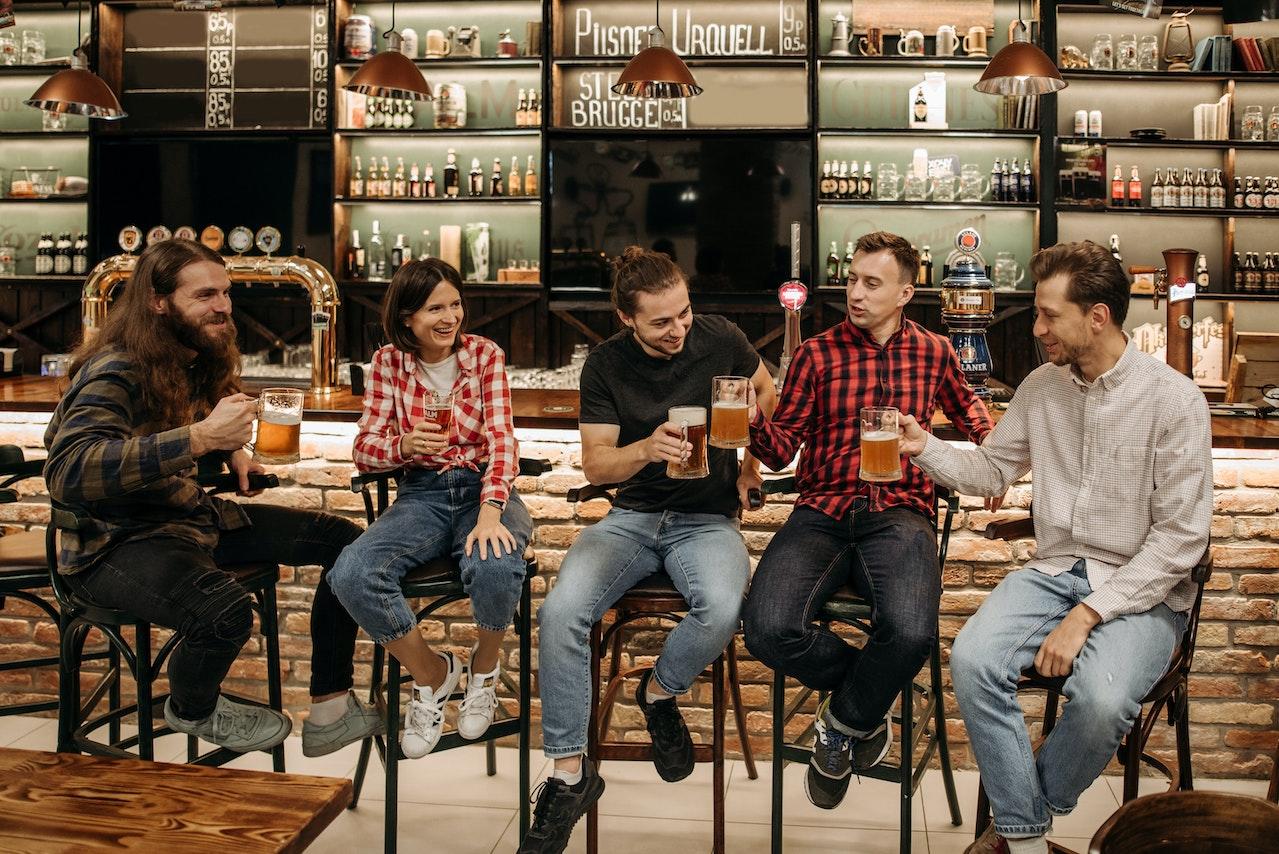
Food is one subject that has unique verbiage everywhere in the world. Make sure you know what you’re buying and ordering with these phrases!
UK
Chips: French fries
Biscuits: Cookies
Crisps: Chips
Cuppa: A cup of tea
Pudding: Dessert
Aperitif: Pre-meal (alcoholic) drink
Digestif: Post-meal (alcoholic) drink
Pub: A casual place where alcoholic drinks are served and socializing takes place
Bar: More upscale than a pub
A pint: A glass of beer
North America
Cafe: Typically a small establishment that only serves coffee and pastries and closes in the early afternoon
Diner: A restaurant that serves classic American fare and has a nostalgic atmosphere
Farm-to-table: A concept where the restaurant knows where all the ingredients they use come from, which are local farms
Drive-through/Drive-thru: When you drive around a restaurant (typically a fast food restaurant), order at a speaker, receive the food through a window, and drive away without ever leaving your vehicle
Bell peppers: Capsicum
Eggplant: Aubergine
Cilantro: Coriander
Zucchini: Courgette
The check: The bill
Australia & New Zealand
Brekkie: Breakfast
Fairy Bread: A children’s snack made of a slice of bread, butter, and sprinkles
BYO: “Bring Your Own.” Usually refers to restaurants that allow you to bring your own alcoholic beverages
Maccas: McDonald’s
Sanger: A sandwich or burger
Lollies: Candy
Tucker: Food
Tinnie: A can of beer
Stubby: A bottle of beer
Vegemite: A salty yeast-based spread
Esky: A cooler
Shopping Vocabulary
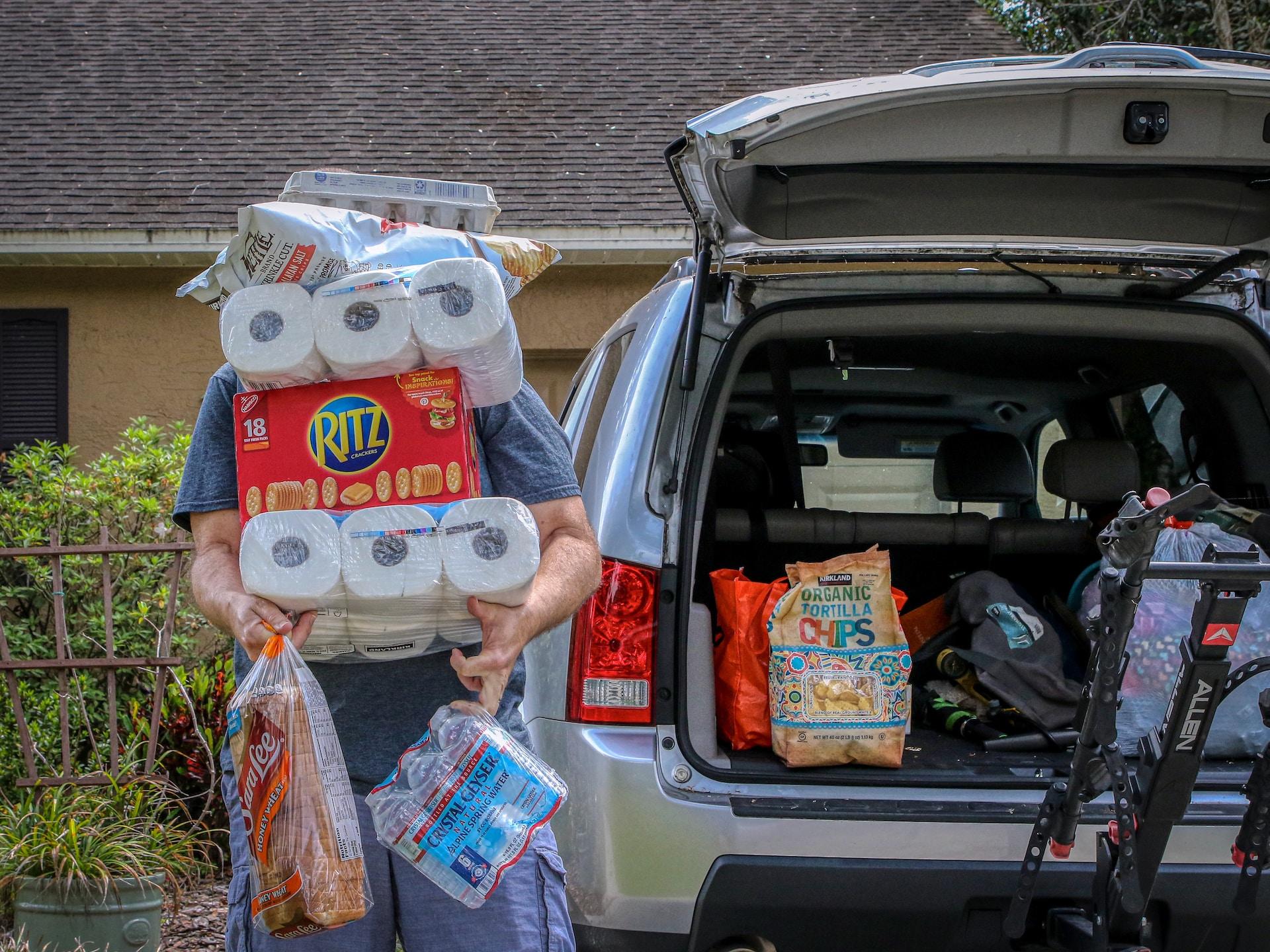
When you go out to shop for goods, clothes, or souvenirs, you might encounter some words that seem a little unfamiliar.
Acquaint yourself with these travel expressions to have a nice shopping experience in an English-speaking country.
UK
Shopping trolley/trolley/cart/buggy: A shopping cart
Department store: A large store that sells a wide variety of goods
Boutique: A small shop that sells curated clothing and/or goods
Fitting room/changing room: Where you go to try on clothes
Trousers: Pants
Pants: Underwear
Trainers: Shoes with soft soles
Wellies: Rain boots (Wellington is a popular brand)
Till: Cash register
VAT: Value Added Tax
Carrier bag: A shopping bag
Bag for life: A reusable shopping bag
North America
Supermarket/Superstore: Larger than a department store; a store that sells groceries and non-food items
Flea market: An event where many people set up stalls and sell various things (usually antiques or used items). People go between different stalls all over the place, like fleas hopping around.
Window shopping: Looking at things without buying them
Clearance: Items that are on sale and are the cheapest they will ever be
Escalator: Moving stairs
Price checker: A device that you can use to scan an item and check the price before you are in checkout
Bottoms: Pants
Sweater: Jumper
Sales Tax: A tax which varies depending on which city or state you are shopping in
Australia & New Zealand
GST: Goods and Services Tax
Bottle-o: A store that sells alcoholic beverages
Shopstealing: Shoplifting
Op-Shop: A secondhand or thrift store
Emergency Vocabulary
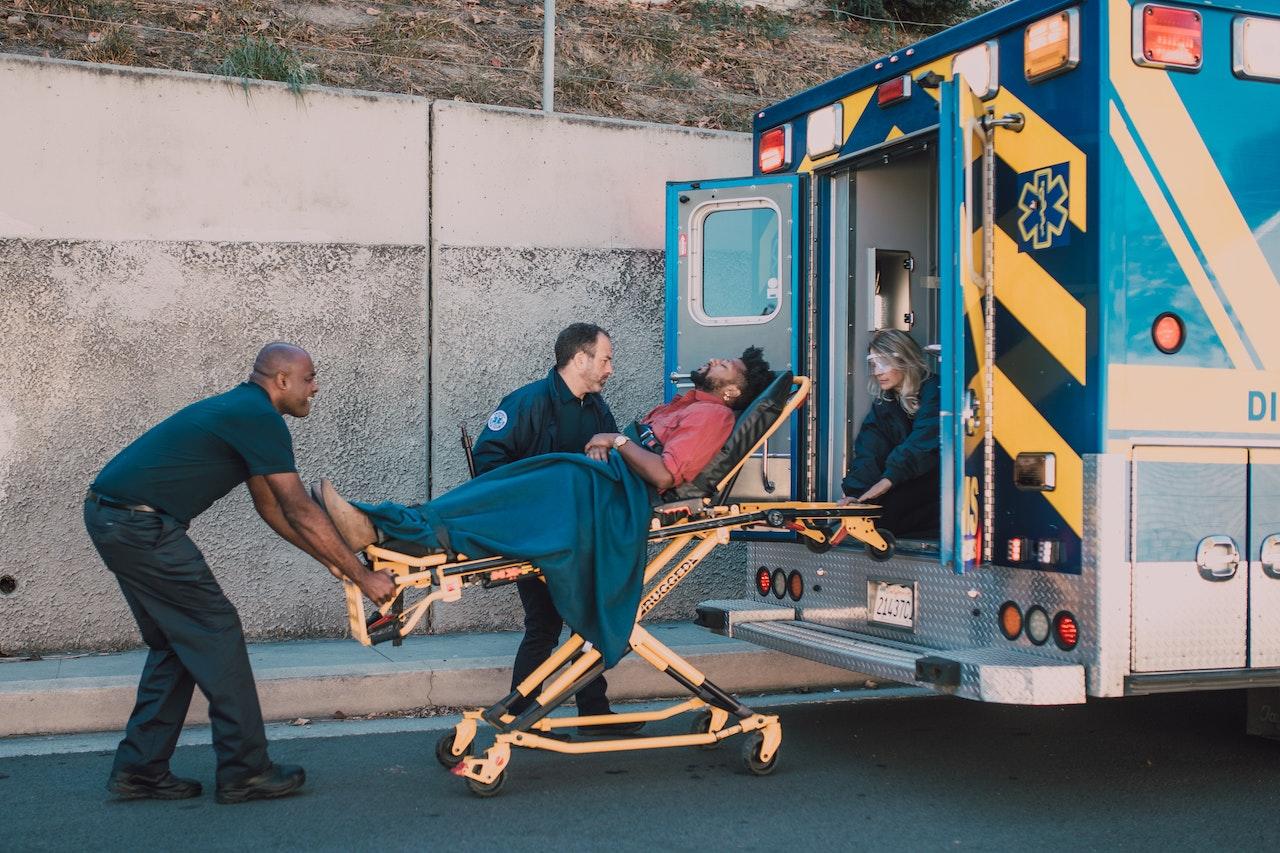
When you’re traveling, it is of utmost importance that you know how to ask for help or recognize when someone else is.
Remember these words for when you’re abroad, just in case you need them! They are among the most important words in English for travel.
UK
Emergency number: The hotline for making emergency phone calls. Call either 999 or 112 for emergency help
Fire brigade: the entity that responds to fires
North America
911: This is the national emergency number in the U.S. and Canada. Call it if there is any emergency.
Fire department: The entity that responds to fires
EMS: Emergency Medical Services. They arrive in an ambulance and can provide first aid and some advanced aid, like oxygen. They can take someone to the hospital.
WEAs: Wireless Emergency Alerts. Text messages sent by the local or federal government that contain important emergency information.
EAS: Emergency Alert System. A backup way for the government to send emergency information. It uses the radio and TV to relay emergency messages.
Australia & New Zealand
Emergency number: in Australia, call 000 if using a landline or 112 if using a cell phone. In New Zealand, call 111.
Coastguard: The safety and police workers who protect the water
SES: State Emergency Service. An agency that responds to large emergencies like floods and fires.
Cyclone: A tropical storm or hurricane
Learn English to Enjoy Your Travels
If you plan on visiting an English-speaking country, it’s a good idea to make sure you have all of these vocabulary words in your repertoire.
You can practice listening and speaking in English, as well as expand your vocabulary, with an English tutor or coach on Superprof!
Summarise with AI:
Did you like this article? Leave a rating!

 Loading...