
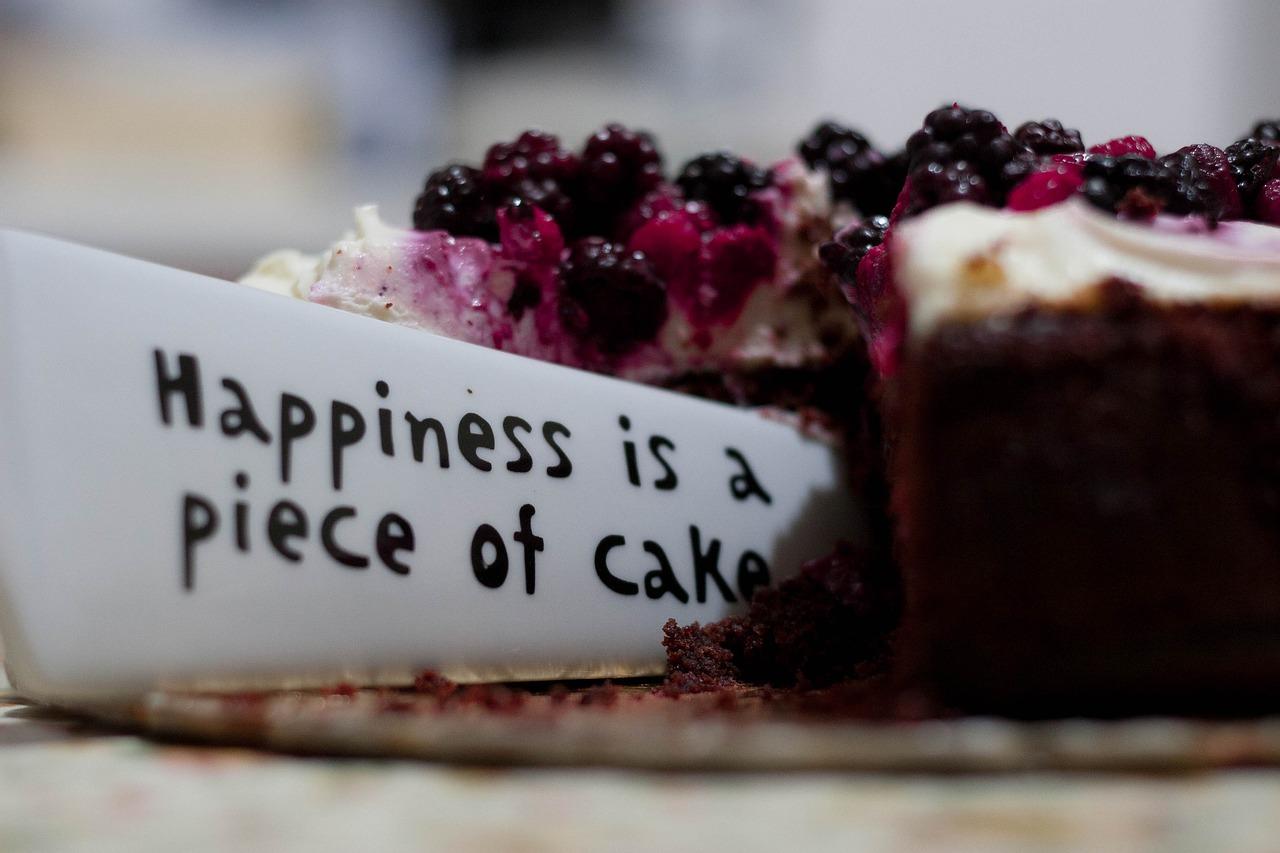

Beyond using simple emotion-related words, idioms might assist us in communicating our feelings in English. But when you read or hear a happiness idiom, you might not immediately understand what it means. This is due to the fact that idioms are expressions that cannot be understood literally. Rather than being able to infer their meaning from the individual words, you must understand the meaning of each one.
Even in your own language, it can be challenging at times to communicate your feelings, let alone in a foreign tongue. Thus, you must be ready if you want to learn English. That requires learning popular English idioms and phrasal verbs.





What is an Idiom?
A phrase is considered to be an idiom if its overall meaning cannot be inferred from the individual word meanings. A phrase or expression that has a meaning that cannot be understood by defining the individual words is known as an idiom. The word "idiom" is appropriately derived from the Greek word "idioma," which means "peculiar phraseology." And that's exactly what it is—a term that sounds natural to native speakers but odd to those who don't speak the language well.
Types of Idioms
Pure Idiom
This is a typical idiom whose meaning cannot be inferred from its constituent parts. When someone asks, "Spill the beans," they are requesting a secret rather than a can of beans to be opened. But if you were to examine each word in that sentence, you wouldn't realize that.
Binomial Idiom
This idiom is a group of two words connected by a preposition or conjunction. "By and large" (all things considered), "dos and don'ts" (recommendations on what to do and/or avoid in a particular situation), and "heart-to-heart" (an open discussion between two individuals) are a few examples.
Partial Idiom
This idiom has been condensed into one part, with proficient speakers typically understanding the second portion. People frequently utter the phrase "when in Rome," with the idea that the other person is aware of the second part, "do as the Romans do."
Prepositional Idiom
In this idiom, a verb and a preposition are combined to form a verb with a specific meaning. A prepositional idiom that combines the verb "agree" with the preposition "on" is used to indicate that you share someone else's viewpoints.
Are you looking for Spoken English online classes? Superprof has an easy solution for you!
Appropriate Use of Idioms
Idioms are frequently used by writers and speakers to make their points more creatively. Consider them as a form of spice that keeps your speech or writing from seeming too monotonous. Therefore, for a little variety, you might add "you hit the nail on the head" or even "bingo" in addition to "you're correct" numerous times. Idioms can be utilized to make your writing seem less stuffy and formal as well as to establish a connection with the reader.
Collocations, or a group of words with a particular meaning, are another kind of idiomatic usage that native English speakers use. Strong collocations and weak collocations are two different forms of collocations. Strong collocations are combinations of words that make no other sense.
To use idioms naturally and practise daily, try english classes in delhi on Superprof.
Love Idioms For Valentine's Day
Valentine's Day is a special day to celebrate love and affection. Idioms are phrases or expressions that have a figurative meaning that is not easily deducible from the literal meaning of the phrase. Here are some love idioms that are perfect for Valentine's Day:
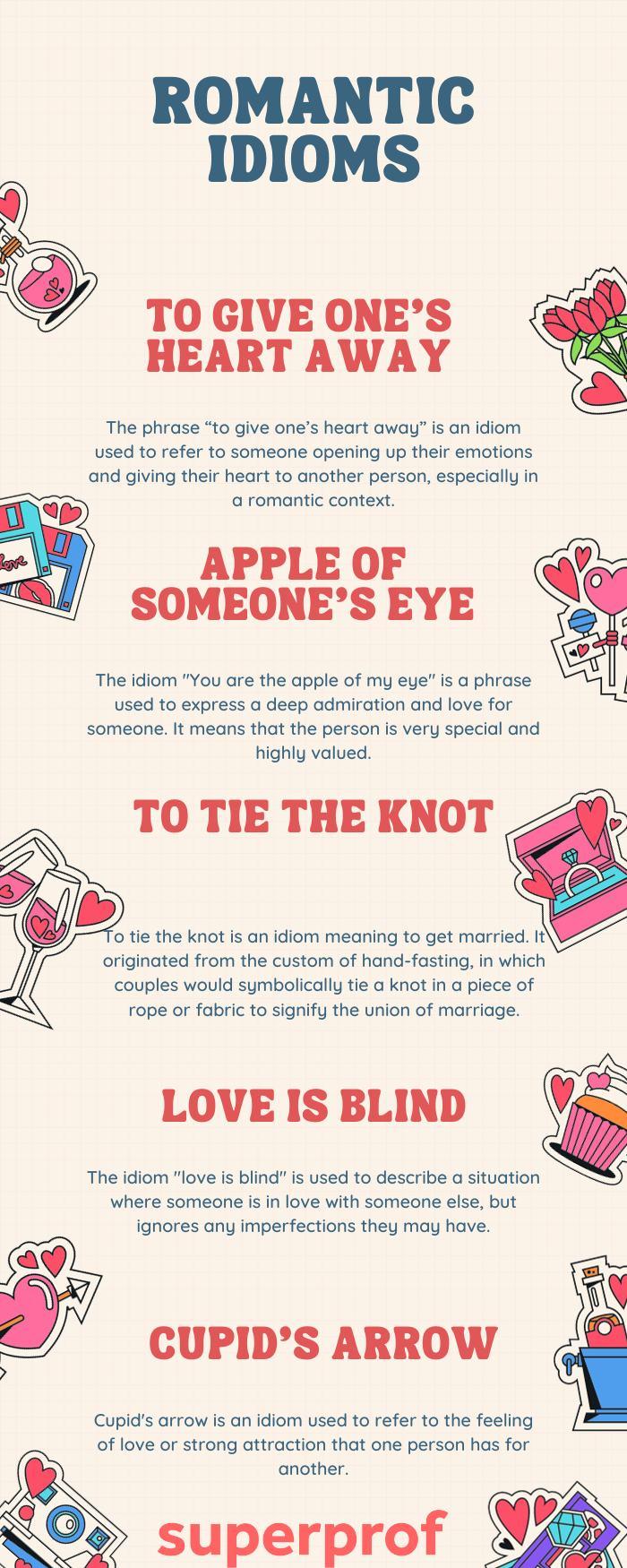
Love is blind
This idiom means that when you are in love, you tend to overlook the flaws of the person you love. It's a reminder that love is not always about physical appearance or perfection, but about a deeper connection and understanding.
Looking for Spoken English classes? Superprof has a solution for you, find all personal English tutors in India.
Love conquers all
This idiom expresses the belief that love has the power to overcome any obstacle or challenge. It's a reminder that when you truly love someone, you will find a way to make it work, no matter what.
You are my better half
This idiom is used to describe someone who complements you perfectly and makes you feel complete. It's a beautiful way to express your love and appreciation for your partner.
We are meant to be
This idiom expresses the belief that two people are destined to be together. It's a romantic notion that suggests that there is a higher power or force that brings certain people together.
You are my soulmate
This idiom is used to describe someone who you feel a profound connection with. It's a spiritual and emotional bond that goes beyond physical attraction.
Best Happy Idioms in English
There are numerous happy-related idioms in English, as there are sadness-related idioms. They either convey happiness or are associated with it. Here are the 10 most popular and less well-known idioms for happiness, joy, pleasure, contentment, and enjoyment in English. We'll also show you how to express happiness in a sentence using this extremely happy idioms list.
1. Happy-Go-Lucky
A person who lives a pleasant, carefree life is always joyful and unconcerned about anything.
Example: She has a happy-go-lucky attitude towards life.
2. In Seventh Heaven
To be in seventh heaven is to be blissfully joyful, in a state of euphoria, or entirely content. Earth is surrounded by seven concentric spheres, which Muslims and Jews interpret as the seven degrees of heaven or righteousness. The ultimate bliss, where God dwells, is located on the seventh and final level. Both religious and agnostic people have used the term to describe a sense of bliss since the early 1800s.
Example: Since they got married, they've been in seventh heaven.

3. Grinning From Ear to Ear
This idiom actually refers to smiling widely to appear happy. In reality, the alternate phrase "smiling ear to ear" is occasionally used. It makes reference to a smile that is so big that it spans both ears. While it can refer to merely the impression of happiness, like when grinning broadly for a photograph, it frequently refers to a genuine sensation of satisfaction, particularly in proud times after a significant accomplishment.
Example: He's grinning from ear to ear because he just bought a new car.
4. Bursting with Joy
Being filled to the brim with happiness and joy is referred to as being bursting with joy. Your heart is so full of joy that it is about to overflow. There are other possibilities that are comparable. You can be brimming with pride or with elation. In reality, you may use any noun in English to describe a pleasant or negative emotional state and be understood. Irrespective of how strange it may seem, saying "I was bursting with anger" is totally intelligible idiomatically.
Example: The kids burst with joy when they were told they were going to the theme park over the weekend.
5. On Top of the World
If you feel like you're on top of the world, you probably are. You feel ecstatically joyful to the point of being overjoyed. This idiom can occasionally take on a somewhat different meaning when the word seated is included to denote being in a good position, a state of advantage or power, and, of course, being glad about it.
Example: He was on top of the world after he won the Inter-school Championships.
The English language offers humor in many ways, including food-related idioms.
6. On Cloud Nine
To be extraordinarily joyful and blissful is to be on cloud nine. Naturally, the expression refers to sitting on a cloud. Clouds naturally have a positive connotation because they are linked to heaven and angels. However, why nine? The phrase "seventh heaven" is analogous, but this one isn't trying to outdo the other by implying that it's two levels higher! No, it's most likely that the International Cloud Atlas from 1896 has the origin.
An international cloud classification system was tried in 1890 by a group of meteorologists from different nations. They settled on ten levels or classes. As cloud nine, the cumulonimbus cloud changed. These clouds are now connected to thunderstorms and rain showers. In actuality, they were known as shower clouds or thunder clouds. But they are large and plush, making them ideal for sitting on. Furthermore, cloud nine sounds more pleasant than cloud six or ten.
Example: She's been on cloud nine since she heard the news of her promotion.
7. Over the Moon
Being ecstatic about something means that you are happy with it. Very content and cheerful. This is most likely derived from the popular nursery rhyme from the 1800s that featured, among other unlikely events, a cow jumping over the moon. This cow typically appears to be very joyful to be leaping over the moon in children's picture books.
Example: He was over the moon about his team's win in the game.
8. Walking On Air
To be exuberant, cheerful, or joyous is to be walking on air. This is a wonderful chance to clarify an idiomatic issue that could cause misunderstandings. If you use idiom dictionaries to learn about idioms, be aware that some of them have the unfortunate propensity to utilize a root word that is never used in an idiom. We never use the phrases walk on air or walked on air here. The expression "walking on air" refers to a feeling of inner lightness and happiness that makes you feel as though you're floating.
Example: She was feeling like walking on air after hearing the news of her topping the exams.
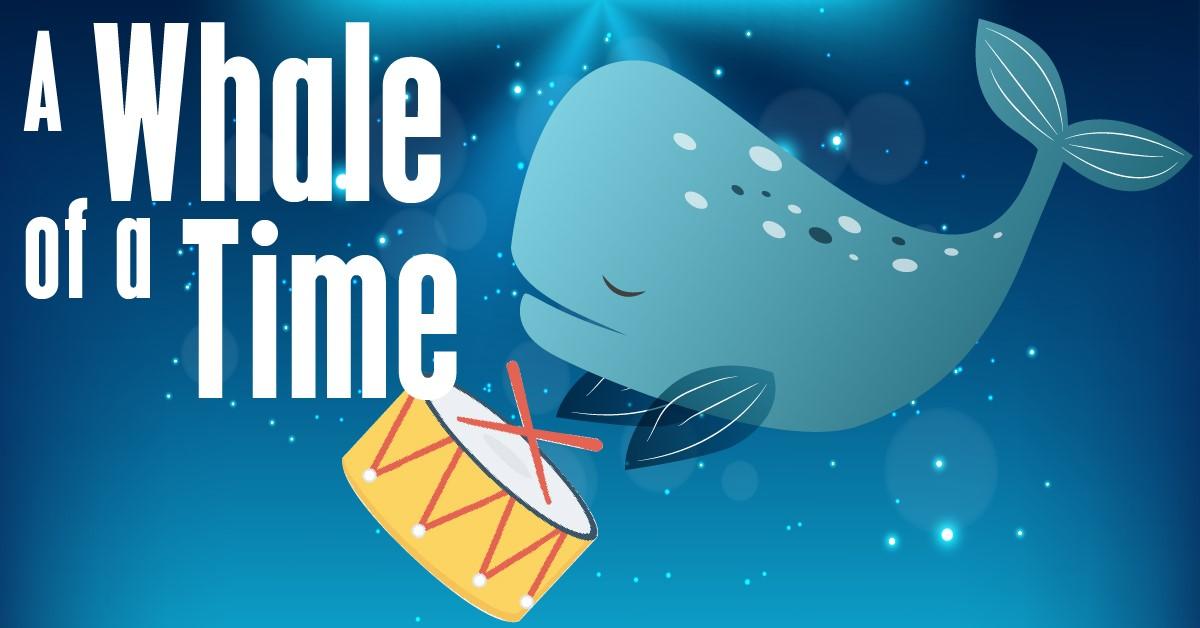
9. Have a Whale of a Time
To have a whale of a time is to thoroughly enjoy oneself. The only reason the word "whale" is employed is because whales are such impressively big animals.
Example: I spent the summer holidays in Goa and had a whale of a time!
10. Have the Time of Your Life
Experiencing the time of your life means having a really fun and thrilling experience. The meaning of this expression, which can also indicate having the most delightful time ever, is frequently exaggerated.
Example: I traveled to France for the first time last summer, and I had the time of my life!
Mastering Idioms
The linguist Anatoly Liberman discovered that some idioms are particularly regional and seldom used outside of a small community. He has extensively researched and published about the origin of idioms. Many idioms have disappeared throughout time. Idioms, he claims, are learned in the same manner as words even if they are phrases. There is a significance to the whole thing. It is frequently impossible to adjust the phrase's word order. Idioms could be compared to a type of literary and cultural shorthand.
Because their meanings cannot be inferred from the meanings of the individual words, idioms present a challenge to language learners. It's like handing someone a jigsaw puzzle with pieces that appear to be one thing, but the overall product is something different. But as we've already mentioned, the same is true for speakers of the same language who come from different sections of the same nation. Idioms don't follow any set norms, so the only method for language learners to learn them is to speak with native speakers and ask them to explain them.
Summarise with AI:
Did you like this article? Leave a rating!

 Loading...
