
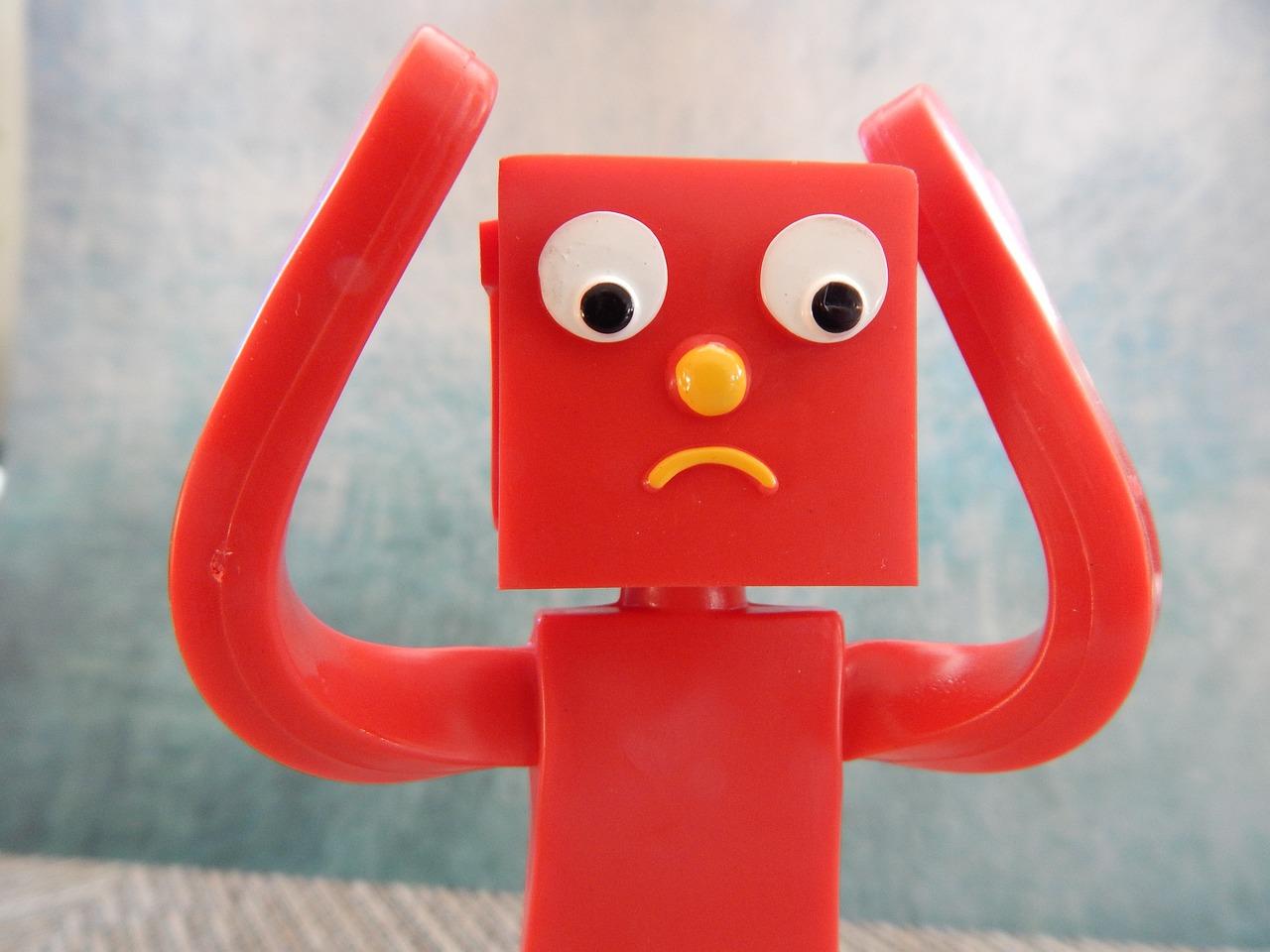

English phrases, proverbs, and idioms about sadness are vital components of the language. They permeate both spoken and written English. Idioms are difficult for English language learners to understand since they don't have a literal meaning. English students must research and become familiar with the common usage of idioms for being sad in order to grasp their definitions and appropriate uses.
Understanding how to express your feelings is crucial while studying English as a second language. You will be able to use your English vocabulary knowledge and communicate more easily with people who are native English speakers. When you're unhappy, it's normal to remark, "I'm feeling low or depressed," but there are other phrases you may use that would better express your feelings. Let's talk about expressions of grief.






English Idioms for Sadness List
English idioms can sometimes be used to communicate emotions like sadness or anger, as well as happiness, of course. This collection of idioms and sad phrases comprises phrases that show melancholy, discontent, and misery. Although hopefully, you won't encounter situations like this too frequently, we have provided definitions and examples so you may learn how to appropriately utilize these idioms about sadness.
Face Like a Wet Weekend
If a person has a face that looks like a wet weekend, it means they are wearing a sad expression and appear to be feeling miserable. This is because of the bad weather
Example: Jason’s walking around with a face like a wet weekend. What happened to him?
Feeling Blue/To Have Blues
Songs and movies have frequently used this idiom. Blue is associated with sadness, depression, and a bad mood. While the phrase "have the blues" usually refers to someone else, we can use "feeling blue" to describe either ourselves or others.
Examples:
I usually feel blue when I think about going back to work on Monday.
If I can't make it home, my parents have the blues during the holidays.
Find Spoken English classes in India, and learn more about the English language.
Lump in Your Throat
The term "lump in your throat" refers to when a powerful emotion, particularly melancholy, causes you to feel choked up. A feeling in our throat that suggests we may be about to cry occurs frequently when we watch a movie that stirs intense emotions within us.
Example: It was quite a moving speech - it almost brought a lump to my throat.
Reduce to Tears
This idiom describes making someone feel so depressed and hopeless that they begin to cry.
Example: She was so moved by his proposal that she was reduced to tears.
Down in the Dumps
When you're down in the dumps, you're experiencing extreme sadness and misery.
Example: He’s down in the dumps because he’s all alone on his birthday.
Down in the Mouth
It comes from the fact that the corners of the lips are commonly turned downward when a person is dissatisfied. You never use this idiom to refer to yourself. Always, it's used to characterize somebody else.
Example: Why were you down in the mouth yesterday? Did something bad happen?
Take Something Hard
Take things hard is a popular expression for someone who is extremely upset about a certain circumstance.
Example: The whole family took it very hard when their pet died.
Not all is lost when you're feeling sad. Add a touch of humor to your gloom with food-related idioms in English.
Reduce to tears/ Cry one’s eyes/heart out
These three expressions all refer to "crying." You make someone cry when you bring them to tears. You can also use the phrase "reduce to tears" to express how you feel when you start crying. An expression used to describe someone sobbing for a long time is "cry one's eyes/heart out."
Examples:
She was reduced to tears after she heard her favorite team lost.
I cried my eyes out when I lost my wallet.
One’s heart sinks/ Broken-hearted/ A heavy heart
As is obvious, these three idioms all refer to the heart. One's heart sinks is a phrase used to describe an unexpectedly unhappy feeling. But "broken-hearted" refers to a deep sense of despair. An expression that depicts being burdened by melancholy is "a heavy heart."
Examples:
My heart sank when I heard about the accident.
She was brokenhearted when she heard she didn’t clear the entrance exam.
With a heavy heart, he spoke at his teacher’s funeral.
Fall to pieces/fall apart/ Knocked sideways
Intense melancholy is conveyed using these expressions. Take things hard is a phrase used to describe someone who is very upset about something. When someone is unable to manage their emotions or deal with a difficult situation, the expressions "fall to pieces" and "fall apart" are used to describe them. Another expression for something that makes you feel unhappy or upset is "knocked sideways."
Examples:
When they heard of the death of their pet, they fell to pieces.
Her son was knocked sideways by the death of his dog.
Find Spoken English online classes in India, and learn more about the English language through Google Meet and other platforms.
What Makes Us Sad?
Paul Ekman, a renowned psychologist, identifies sadness as one of the six fundamental emotions. Despite the fact that being happy is surely good, we all occasionally suffer from low emotional states. Even though we may not enjoy being sad, it is a natural component of being human. Every sad expression can be used to depict the complicated feeling of melancholy, which is brought on by a variety of factors. There are several kinds of sadness, each of which is brought on by a particular event and produces a different set of feelings. Let's discuss a few of them.
Grief
One of the most severe forms of melancholy anyone can experience is grief. This feeling frequently appears after losing a significant someone or object, such as a job, a pet, a relationship, or a loved one. Intense and overpowering grief can elicit feelings of emptiness, rage, and longing.
Loneliness
When we feel cut off from others or have little social support, loneliness is a frequent emotion. This type of sadness is often accompanied by feelings of sorrow, despair, and sometimes even physical discomfort. It can be quite intense and linger for a very long time.
Rejection
Another common emotion that might make you sad is rejection. When undesirable situations like being rejected from something we want, like a job, friend group, or romance, occur, we feel rejected. We could also feel rage, humiliation, and disappointment in addition to this emotion.
Disappointment
Unmet hopes or expectations lead to disappointment, a sort of unhappiness. This emotion can result from anything, such as a postponed trip or a failed job interview, leaving us feeling disappointed and depressed.
Nostalgia
Nostalgia is a sorrowful feeling that stems from good recollections of the past. Anything that brings back memories of our youth, former relationships, or favorite locations can set it off. In addition to making us nostalgic and yearning for the past, nostalgia may also make us sad and long for things we will never have again.
Melancholy
A profound, enduring sadness, known as melancholy, can be challenging to overcome. It can result from anything, from individual losses to global events, and it might feel as though a huge burden is being placed on our shoulders. Hopelessness, despair, and a lack of interest in formerly enjoyable activities can all result from melancholy.
Learn real-life expressions with help from a skilled Mumbai English teacher.
Why Learn Idioms? And How
Learning and using English idioms is one technique to improve your language skills. Idioms give your speech or writing interest and help you sound more like a natural speaker. Learning vocabulary using lists is challenging. Instead, master each idiom in context or by theme so that you are aware of when you can apply it.
Idioms may be challenging. Don't try to learn more than five at once because of this. Remember that you'll need to practice your new idioms (just like any new vocabulary), so try to limit the amount of studying you do at once. We frequently use an idiom to express an emotion or mood. Idioms might also conjure up an image in your head. It might be a new idiom if two words are combined in an unexpected way.
Sometimes you can infer the meaning by comprehending the emotion and the context, but you might also need to write it down or speak with the person who used it. Make a note of all your idioms, or even better, keep a diary, to keep track of them all. To make the procedure even more enjoyable and worthwhile, you may even arrange them according to the circumstances in which you would use them. Finally, you might consider learning the origins of an idiom. This is enjoyable, involves some light investigation, and once you learn the meaning of an expression, you probably won't forget it!
Summarise with AI:
Did you like this article? Leave a rating!

 Loading...
