

Music touches us emotionally, where words alone can't - Johnny Depp.
A singing teacher can really help you unfold your vocal range and identify your voice type. Singing lessons are incomplete without you being aware of your own voice type and exploring the full repertoire of your vocal range. So, what is a voice type? When you put together voices with similar vocal ranges, it creates a voice type. A specific voice type is capable of singing in a similar tessitura, with similar transition points, called passaggio. It is true that the classification of voice types is most prominent in European classical music, but it has spilled over to other parts of the world as well.
A singer typically chooses a repertoire to suit the instrument they sing with. And this also includes singing a variety of types and not sticking to one single voice type. But this is true mostly of professional singers. In the vocal pedagogy, there are many different types of vocal ranges used to classify voice systems. But broadly, you will find seven different voice types that you will be taught as part of your singing classes. And then again, there are different voice types for female and male singers. And typically, most singers fall within two different voice types, that helps to expand their repertoire.






Types of Female Voices Taught in Singing Classes
Find out about singing classes in Kolkata here.
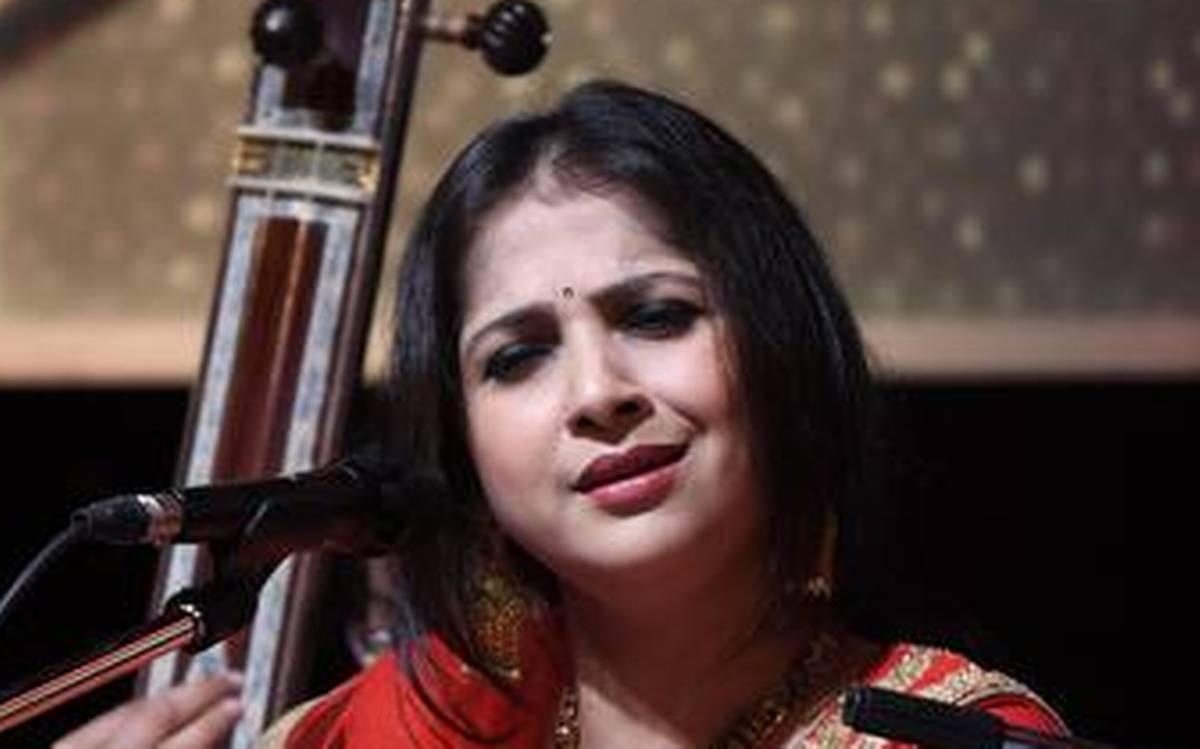
A singing class has different teachers to train you on different voice types. And not just the technique, but the training is also to build a sound understanding of musical theories, that begins with understanding your voice type.
Three Types of Female Vocal Ranges
1. Soprano
This is the hardest voice type to sing and is typical of London opera singers. The voice range lies between C4 and C6, which you can easily find on a piano or a keyboard. It has the highest tessitura and at the highest extreme, the coloratura soprano may reach as high as G6. This voice type is further classified into five sub-types, namely -
- Spinto Soprano.
- Lyric Soprano.
- Soubrette.
- Coloratura Soprano.
- Dramatic Soprano.
2. Mezzo-Soprano
This voice type, taught in a singing class, ranges from A3 to A5, and overlaps with both the soprano and contralto voices. The mezzo-soprano is the middle range female voice type. It is further classified into,
- Lyric Mezzo-Soprano.
- Dramatic Mezzo-Soprano.
- Coloratura Mezzo-Soprano.
3. Contralto
The lowest of female vocal ranges, the contralto lies between F3 and F5. A true contralto is very rare and has the lowest tessitura amongst all female voices. The three sub-types of contralto are,
- Coloratura Contralto.
- Dramatic Contralto.
- Lyric Contralto.
Check out good singing classes in Lucknow here.
Types of Male Voices Taught in A Singing Class

You can discover your vocal range with a singing teacher. For male singers, there are essentially four voice types -
- Countertenor: It is the highest male voice range that extends from E3 to E5. Although it is a universally recognized voice type, it is not so by the strict definition of vocal range. Countertenors typically sing in the falsetto register and often use the modal voice for the lowest notes. Contrary to popular belief that defines voice types according to biological factors like vocal fold length and thickness of the larynx, the countertenor is more a product of a technical approach than these factors. The sub-types of this vocal range include the male soprano, castrato and haute-contre.
- Tenor: The tenor tessitura lies above the baritone voice type, but below the countertenor. Within the modal register, the tenor is the highest male voice range. The typical tenor range lies between C3 and C5. But some tenors can sing as high as F5. Tenor can be sub-divided into eight sub-types namely, tenorino, leggero tenor, lyric tenor, tenore contraltino, baritenor, dramatic tenor, spinto tenor, and heldentenor.
- Baritone: This is the most common male voice range and overlaps the tenor and bass, with a range of A2 to A4. The tessitura of the baritone, however, lies above the bass and below the tenor. Depending on the range, vocal timbre, and the weight, baritone may be of nine different sub-types namely, barytone-Martin, Verdi baritone, bass-baritone, baryton-noble, kavalierbariton, bel canto, lyric baritone, bel canto and dramatic baritone.
- Bass: This is another rare male voice range with the lowest tessitura of all voice types. The bass voice range lies between E2 and E4. It is sub-divided into six types namely, basso profondo, bel canto bass, bass-baritone, dramatic bass, basso buffo, and basso cantante.
Singing Lessons to Transition From Children to Adult Voice

If I cannot fly, let me sing - Stephen Sondheim
Music teaching comes with the added responsibility of clarifying concepts and techniques to students apart from the actual art of singing. Especially if the students are children.
Voice Alteration from Childhood to Adulthood
A singing teacher will help you understand how the human voice transitions as a person gets older. As part of your teaching in a singing class, you will learn about vocal ranges and timbre and how they are different from those of an adult singer. While the male and female voices have the same vocal range and timbre before puberty, the same change after you hit puberty. This is because during your pre-puberty age, the size of the larynx and its weight are the same in both sexes. So are the vocal color and structure. This begins to change post puberty as the vocal ligaments become more defined and the cartilages in the larynx begin to harden. The size and development of the adult lungs also contributes to this difference in adult female and male voices.
What is Treble?
Treble refers to the voice of either a young male or female singer who has an unchanged voice in the mezzo-soprano range. The treble voice range lies between A3 and A5. Using a whistle register, many trebles are capable of reaching a higher note.
Find good singing course here on Superprof.
How Does A Singing Teacher Classify Voice Types?
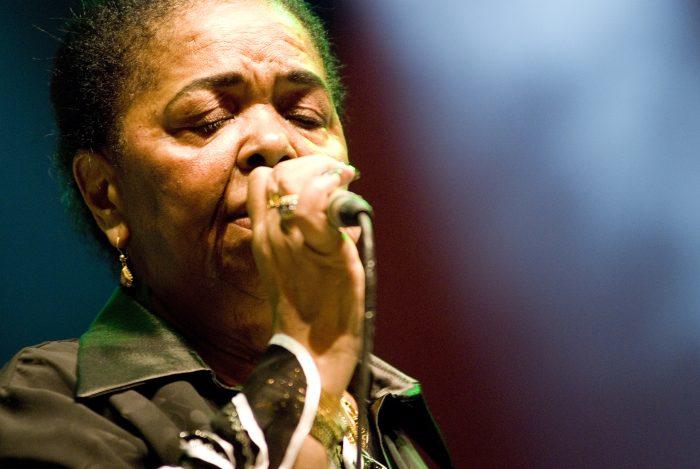
Most singing classes and teachers consider four main parameters while classifying the voice type of a singer -
- Vocal range.
- Tessitura.
- Vocal timbre.
- Vocal transition.
In addition, a singing teacher may also consider physical traits such as scientific testing and speech level to classify voice types. This is important for your singing lessons to act as a guiding tool for voice development.
Risk of Misclassifying Voice Types
One has to be very careful while tagging a singer's voice type or it can damage the vocal cords and put an end to the singing career. There are some long-term dangers as well, associated with the wrong identification of voice types -
- Developing bad habits that cause irreversible damage to the voice.
- Straining the voice by singing outside the correct vocal range.
- Developing vocal pathology by singing at a higher or lower pitch.
- Overworking the singing voice, leading to abuse.
- Developing vocal cord nodules.
Dangers of Quick Identification
Prematurely identifying your voice type may also lead to misclassification and attract all its other risks. Your singing teacher will always advise you to first establish good vocal habits before jumping into voice classification. These habits may include,
- breathing technique
- posture
- phonation
- articulation
- resonation
How to Discover Your Vocal Range by Yourself?
-

Whether you are an established singer in London or an amateur musician in Mumbai, singing classes are an important aspect of training your voice properly.
As has already been established, the first step to voice identification and effective singing lessons is to start with a proper warm up routine. Once that is out of the way, you can follow a 4-step process to identify your voice type.
Step 1: Start with the Middle C
Whether you practice with a piano or an app, the first note you need to hit is the C4. From this point on, you have to maintain a consistent vowel sound while singing at a lower or higher note.
Step 2: Identify Your Lowest Note
Starting from C4, start going down the scale. When you have identified the lowest note that you are most comfortable in singing, that is when you have identified the lower extreme of your vocal range. Try to push yourself a little lower than this extreme and if your voice starts to croak, then stop. And just note down the last note you were most comfortable singing.
Step 3: Identify Your Highest Note
Similar to identifying your lowest extreme, look for the note that you comfortable sing without straining or cracking your voice. The last note you are able to sing comfortably, starting at C5 for females and G3 for males, will be your higher extreme of the vocal range.
Step 4: Count Your Octaves
Every eight notes from one C to another, make up an octave. Typically, the average singer has a two-octave range. Write down the notes that you have identified in steps 2 and 3. For example, if the two extremes of your vocal range are C4 and C6, then you have a two-octave vocal range and that makes you a soprano!
Summarise with AI:
Did you like this article? Leave a rating!

 Loading...