

“Wet or fine, the air of Portugal has a natural happiness in it, and the people of the country should be as happy and prosperous as any people in the world.” - H G Wells
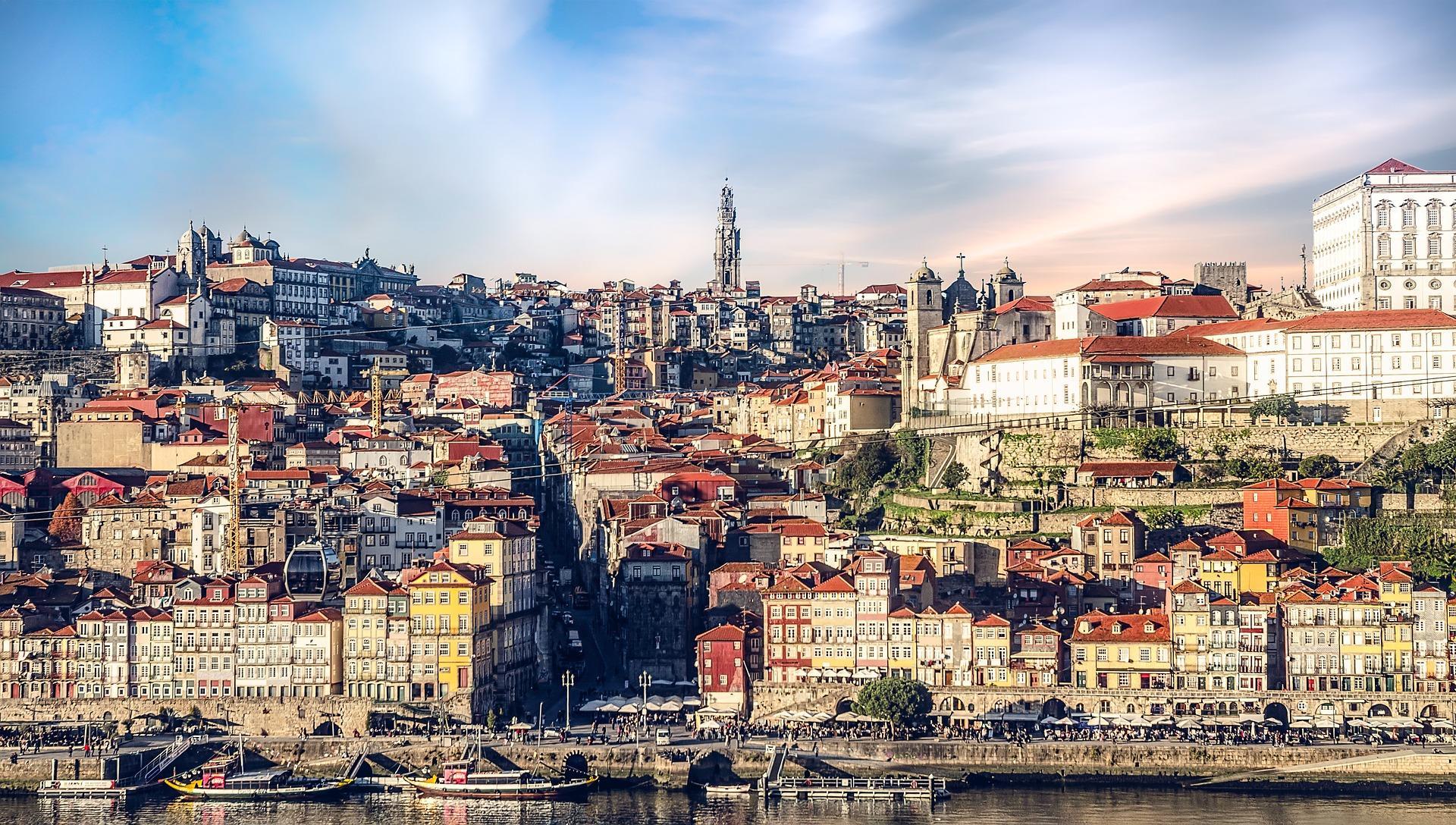
The Iberian Peninsula is home to both Spain and Portugal and although Portugal is smaller than its larger neighbour, the country is home to plenty of wonderful things to visit. While a lot of people go to the Algarve or Lisbon when they travel to Portugal, the largest city in the north of Portugal is a fantastic destination for travellers! With Azulejo, traditional Portuguese streets, wine cellars, etc., Porto is one of Portugal’s unmissable cities. It’s the country’s second city and is located in the north of the country at the mouth of the River Douro. According to Turismo do Porto e Norte de Portugal, the north of Portugal is attracting more and more tourists, adding up to 6.6 million nights stayed. Additionally, the city of Porto has been a UNESCO World Heritage Site since 1996! So how can you get the most out of your time in the city? Which are the different areas of Porto? In this article, we're going to be looking at Porto's historic centre, Ribeira (the old town), Vila Nova de Gaia, São Nicolau, and Boa Vista, which are some of the most important areas in the city.


Porto’s Historic Centre
Of course, when you visit Porto (or any other city), you’ll probably visit the city centre. In Porto, the city centre is also the historic centre where you can find many points of interest, places to go, and things to see. 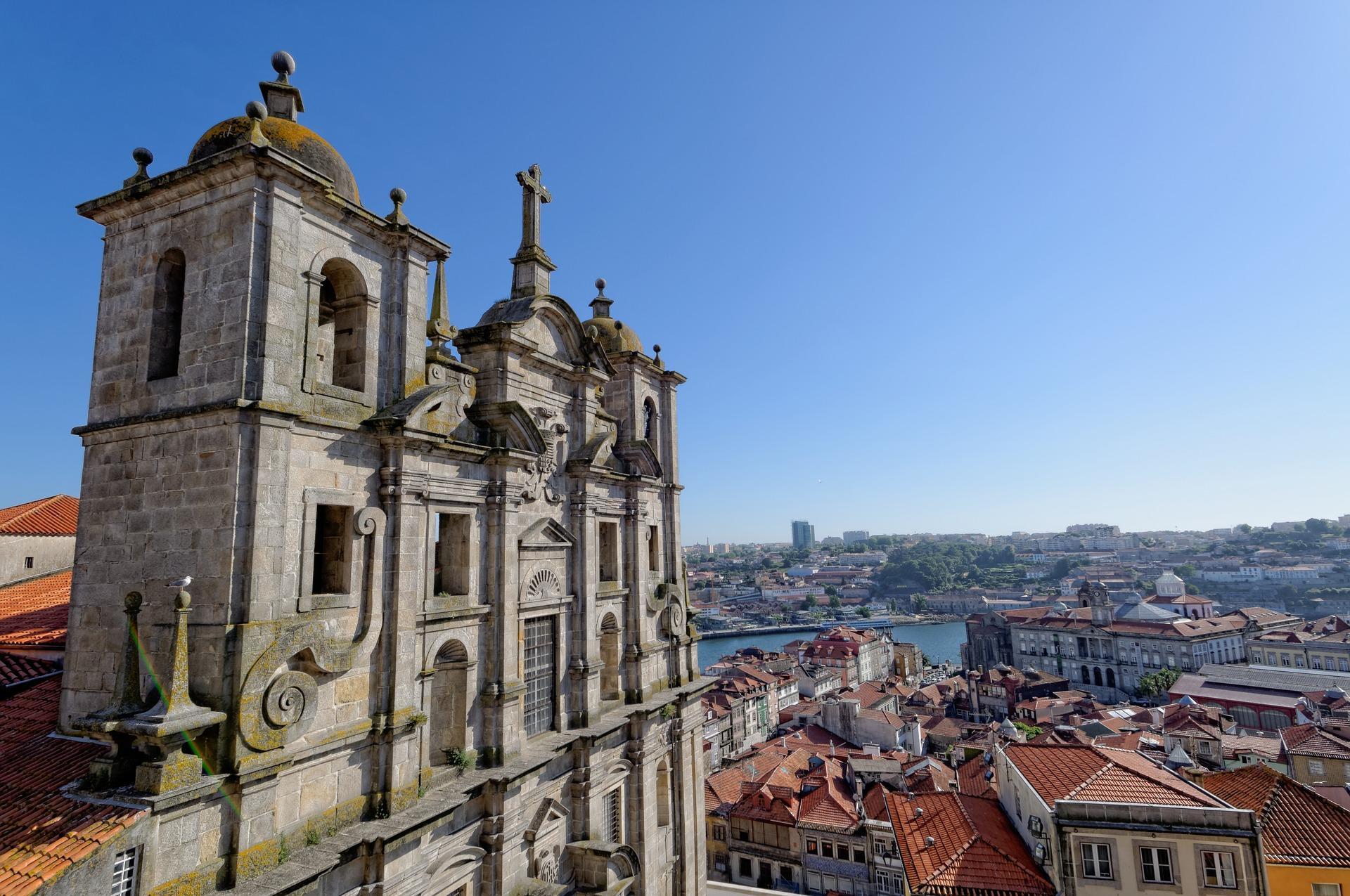
Ribeira, Porto’s Old Town
Porto’s old town is in the geographical centre of the city and allows quick access to the River Douro that runs through the city. This neighbourhood is the heart and soul of the city and where you can find most of the monuments. It’s worth a visit! 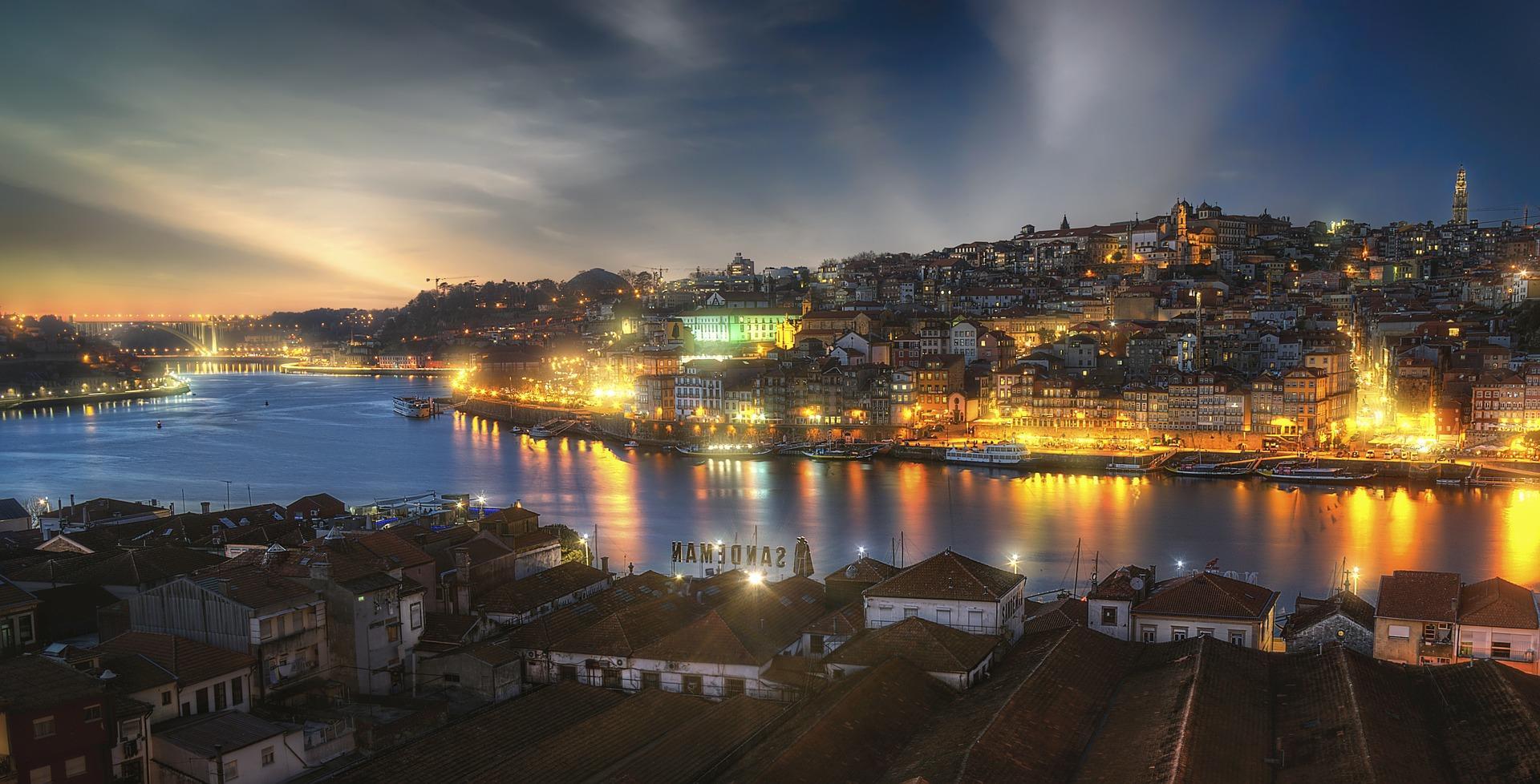
Vila Nova de Gaia
On the other side of the River Douro, you can find Porto’s wine-tasting neighbourhood. After all, Port wine is from Porto so it's no surprise that you can attend plenty of wine tastings and see all the winemakers in the city. 
- Calem
- Sandeman
- Taylor’s
- Cockburn’s Port Lodge
Finally, with Vila Nova de Gaia being very close to the banks of the Douro, why not visit the river by boat? This is a great way to see the different neighbourhoods of the city! Check out our Portuguese tutorials.
São Nicolau
The São Nicolau neighbourhood provides a nice contrast to Porto’s old town and the River Douro and still has plenty of great monuments. Improve yourself with a Portuguese courses London here on Superprof. 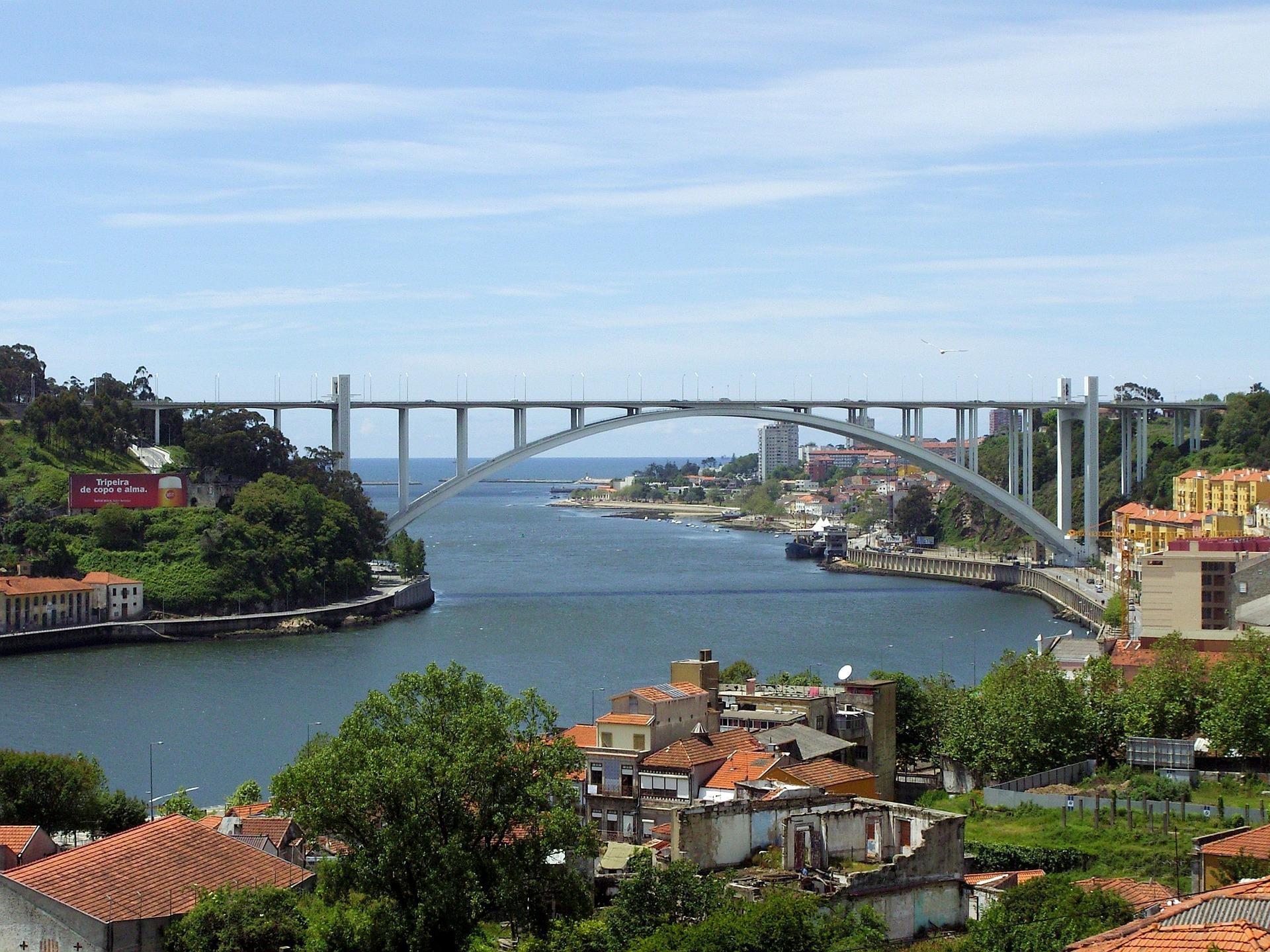
Boavista
Did you think that Porto was just an old city with plenty of traditions? It’s not! You can find the Boavista area in the northwest of the city. It’s a modern neighbourhood but it’s also very Portuguese. Boavista, even though its home to fewer monuments and points of interest than other areas, is a city within a city and is a way for tourists to head off the beaten path. It’s home to plenty of bars and restaurants as well as modern businesses and shops. In short, Boavista is where you should go if you want to meet locals. You can find the Casa da Música, a concert hall, in this area of Porto. You can also head to Foz do Douro, a residential neighbourhood by the sea and home to a modern art museum. Even though there are shopping centres, Porto is a great city where each area has its own identity. You can find examples of the city’s history everywhere! Getting lost in Porto is one of the most enjoyable things to do. The areas in Porto are great for relaxing and walking about. Whether you’re visiting for a couple of days or a week, you’ll have a great time in Porto! If you need some help learning the language before you go, consider getting a Portuguese tutor on Superprof! There are three types of tutorial available, each with its advantages and disadvantages. Group tutorials are great for those on a budget as you can share the cost of the tutor's time with the other students in attendance. However, you will get less one-on-one time with your tutor and receive more generalised tuition. Similarly, online tutorials are good for those on a budget as the tutor doesn't have to travel and can, therefore, charge less per hour. If you both have a webcam and a decent internet connection, you can get Portuguese tutorials from anywhere in the world! Finally, face-to-face tutorials are between you and the tutor. This is the most costly type of tutorial but it's also the most cost-effective. With these tutorials, you can get bespoke Portuguese lessons and learn exactly what you need to know. Find Portuguese lessons on Superprof.
Summarise with AI:
Did you like this article? Leave a rating!


 Loading...
