
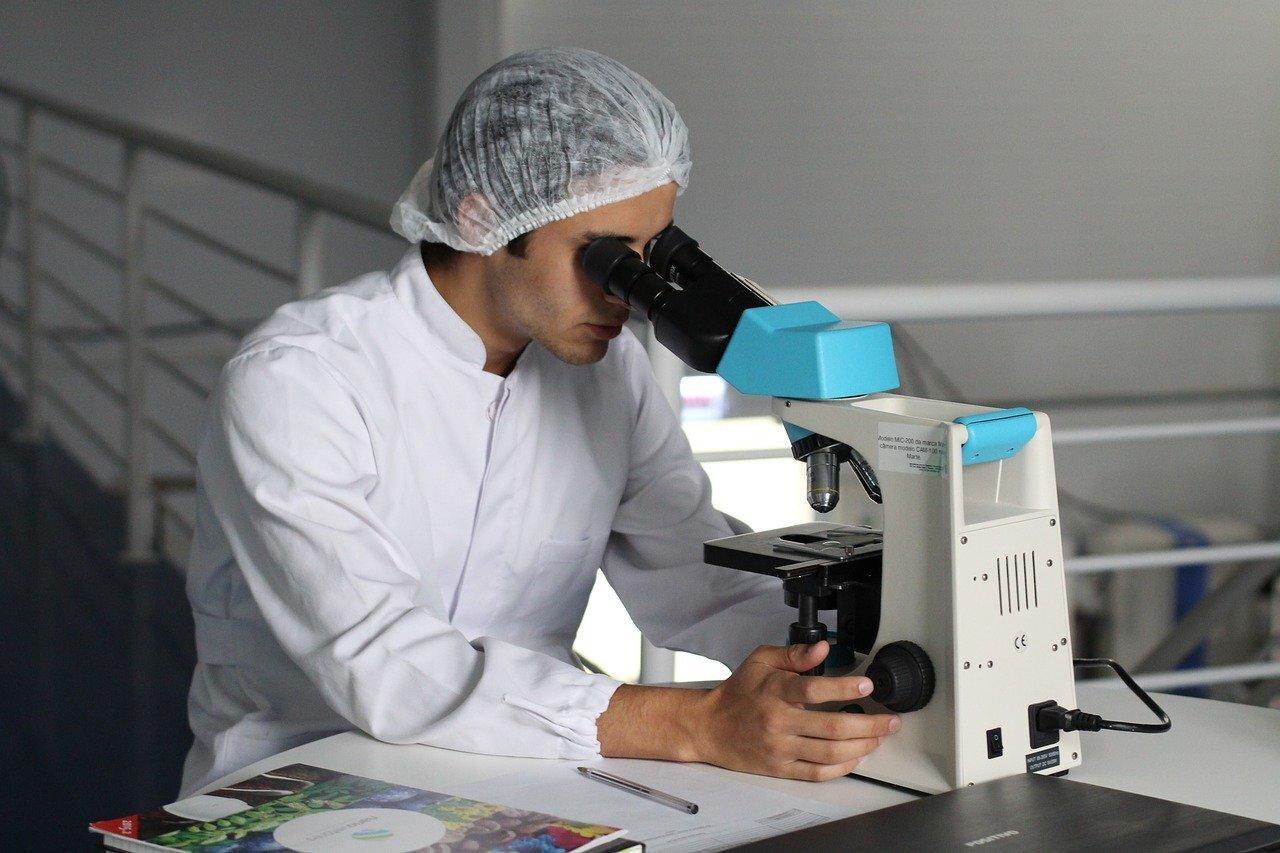

Before diving into tutoring methods and strategies, it’s important to know what academic qualifications and eligibility exams are typically required to teach chemistry at different school and college levels in India.
Qualification exams & degrees required to teach chemistry
- Primary School (Classes I–V)
- Senior Secondary (10+2) with Science stream
- D.El.Ed or B.El.Ed (elementary teacher training)
- Typically State or Central TET (Paper I)
- Upper Primary / Middle School (Classes VI–VIII)
- Bachelor’s degree with Science/ Chemistry as a subject
- B.Ed or equivalent teacher‐training qualification
- State TET or CTET (Paper II) for upper primary
- Secondary School (Classes IX–X)
- B.Sc in Chemistry or B.Sc with major in Chemistry
- B.Ed or equivalent teacher training
- TET/CTET or state recruitment test for science teachers
- Higher Secondary / Senior Secondary (Classes XI–XII)
- M.Sc in Chemistry (or related) preferred
- B.Ed or M.Ed may be required depending on state/school
- Recruitment through PGT (Post Graduate Teacher) exams or equivalent
- College / University Level (Undergraduate/Postgraduate)
- M.Sc in Chemistry (or equivalent); PhD in Chemistry often required for lectureship/research posts
- Qualify UGC-NET/SET for assistant professor eligibility
- Teaching/research experience preferred for higher posts
Are you a chemistry major with enough knowledge on the subject? You may consider imparting this knowledge to students and enhance their career skills. If yes, then consider becoming a chemistry tutor to impact one student at a time. In this article, we'll discuss how to teach chemistry in detail and succeed in finding interested students.
Your education in science and chemistry may prove to be fruitful in making a living as it is considered highly in the academic world. Teaching chemistry may become a rewarding job for you to channel your passion for science. There are particular prerequisites like education, teaching experience, and skills to become a good chemistry teacher. You may have a good experience in teaching, which you may use to encourage students. On the other hand, what you lack in experience, you may balance that with enthusiasm for science.
Factors such as the method of teaching, mode of communication with students, and highest qualification may determine your tutor journey. It's up to you if you wish to teach in a school, institute, university, or private classes. To teach chemistry online, you may need to enroll in online schools or teaching websites to reach a maximum number of students. On the other hand, you may contact local institutes to look for a vacancy.
You may consider teaching full-time or part-time as per your schedule; however, you need to be determined on the task. It may appear overwhelming at first to work out several requirements such as teaching platform, timings, and students. This article will cover everything in lesson style and student's requirements to become a good teacher.
Want to give private lessons?
Join the Superprof community and share your knowledge with interested and motivated students.
What Are The Qualifications Required To Become A Chemistry Teacher in India?
In India, the qualifications required to become a chemistry teacher may vary depending on the level of education and institution. However, the basic qualifications for a chemistry teacher at the school level are as follows:
- Bachelor's degree in Chemistry: Candidates should have a bachelor's degree in chemistry or a related field from a recognized university.
- B.Ed: Candidates should have completed a Bachelor of Education (B.Ed) degree or a Diploma in Education (D.Ed) from a recognized institution.
- CTET/TET: Candidates should have qualified the Central Teacher Eligibility Test (CTET) or State Teacher Eligibility Test (TET) as it is mandatory for teaching positions in government or government-aided schools.
For teaching positions in higher education institutions like colleges and universities, the qualifications required are:
- Master's degree in Chemistry: Candidates should have a master's degree in chemistry or a related field from a recognized university.
- NET/SET: Candidates should have qualified the National Eligibility Test (NET) or State Eligibility Test (SET) conducted by the University Grants Commission (UGC) for lectureship or Junior Research Fellowship (JRF).
- Ph.D.: Candidates with a Ph.D. in Chemistry or a related field are also eligible for teaching positions in higher education institutions.
Apart from these qualifications, good communication skills, teaching aptitude, and knowledge of the latest developments in the field of chemistry are also essential for becoming a successful chemistry teacher.
You may ace teaching chemistry if you have vast knowledge in this science subject apart from the periodic table. Chemistry is an intricate subject with several branches, such as physical chemistry and organic chemistry. Teaching chemistry is not an easy job and requires qualifications to assess your practical and professional skills.
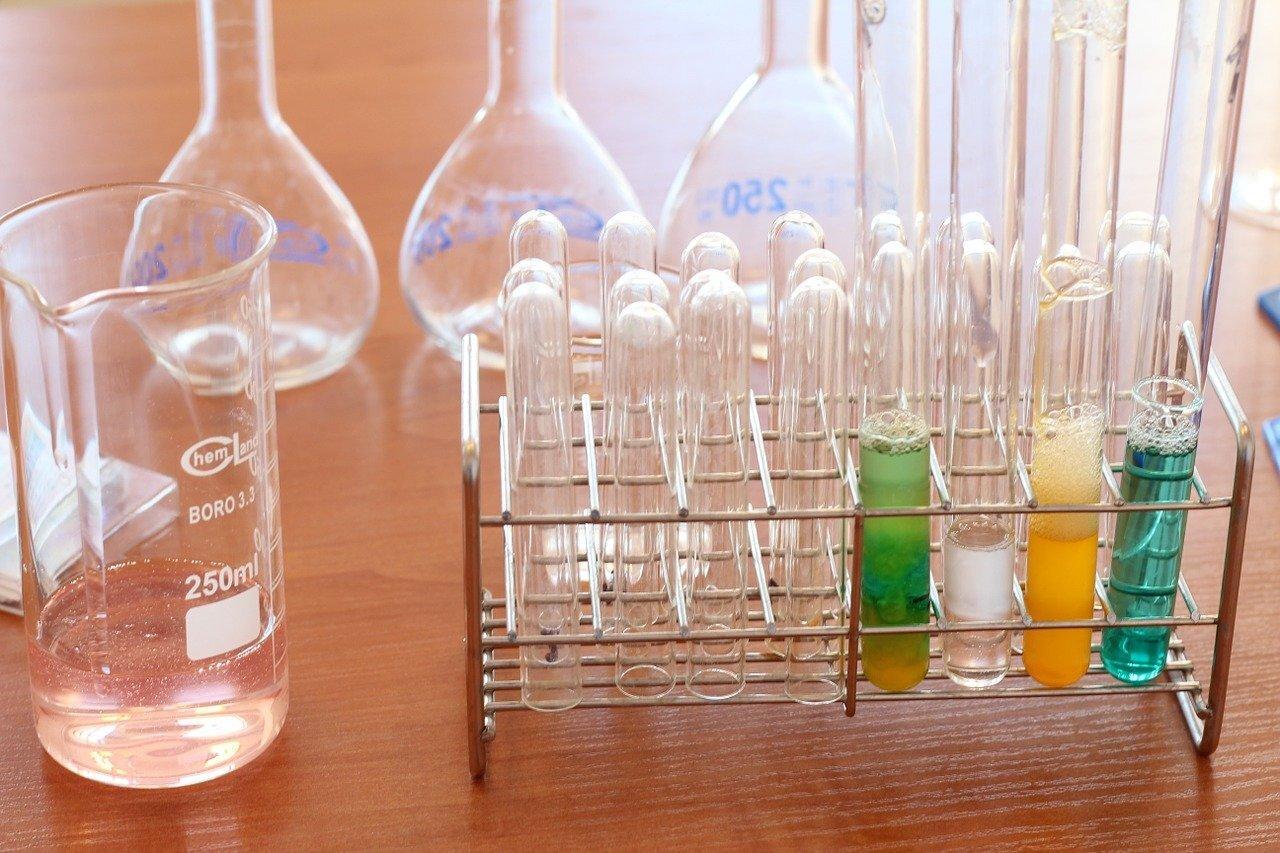
Apart from chemical education, you may need research skills to cover up in case you don't have a professional degree. Your credibility as a good teacher with practical and lab skills may depend on your knowledge and qualifications. However, even if you don't have a higher degree, you still may pursue being a chemistry tutor. For instance, if you have studied chemistry in college, you may feel confident in teaching a student who is in high school. Besides, you may look for a private job on websites such as Indeed and Monster.
Similarly, with a master's degree or doctorate, you may teach someone in a university as you will know more. Your focus should be to gain as many as practical skills and publish them in journal resources. These will provide online information for the students to assess their skills.
Moreover, it will show the students that you are serious about the subject and you have a significant level of proficiency in it. Besides, teaching lessons you may need to provide the students with open access to documents, study information, and science journals. So, it is ideal for working on your teaching methods and taking inspiration from other teachers as well.
A good chemistry teacher turns reactions into inspiration.
Anonymous
6 Effective Tips On How To Teach Chemistry
Teaching chemistry can be a challenging task for educators, but with the right approach, it can be an engaging and rewarding experience for both teachers and students. Here are six effective tips on how to teach chemistry effectively:
- Make it relevant: Connect the concepts of chemistry to the real world by providing relevant examples and applications. For instance, discussing the chemistry behind cooking or the chemical reactions involved in the production of everyday products can make the subject more interesting and relatable for students.
- Use visual aids: Visual aids such as diagrams, models, and animations can help students better understand complex concepts in chemistry. Use them as teaching aids to illustrate the subject matter and make it easier for students to comprehend.
- Encourage hands-on learning: Chemistry is a subject that involves a lot of experimentation and hands-on learning. Encourage students to participate in laboratory activities, allowing them to explore the concepts through experimentation and inquiry-based learning.
- Foster critical thinking: Encourage students to think critically and ask questions. Instead of just providing the answers, encourage students to think through the problem-solving process, and explain how they arrived at their conclusion.
- Personalize learning: Recognize the unique learning style of each student and provide personalized learning experiences. Offer opportunities for students to learn in different ways, such as group work, independent research, or project-based learning.
- Use technology: Incorporate technology into the classroom by using educational apps, digital simulations, and online resources. These can help to engage students and provide a more interactive learning experience.
By following these tips, teachers can create an engaging and effective learning environment that fosters curiosity and critical thinking, while also helping students develop a deeper understanding of the subject matter.
Studies show students learn complex chemical equations faster when lessons are interactive — combining visuals, problem sets, and short quizzes boosts retention by up to 40 percent.
Want to give private lessons?
Join the Superprof community and share your knowledge with interested and motivated students.
How To Make Teach Chemistry Fun?
Teaching chemistry can be a challenging task, but making it fun and engaging can help students better understand the subject matter and retain the information. Here are some ways to teach chemistry in a fun and engaging way:
- Use interactive activities: Incorporate interactive activities such as quizzes, puzzles, games, and simulations to make the learning experience more engaging and fun for students.
- Conduct experiments: Hands-on experiments can help students better understand the concepts of chemistry. Conducting experiments can also help students develop critical thinking and problem-solving skills.
- Use multimedia resources: Use videos, animations, and other multimedia resources to make the subject matter more interesting and engaging for students.
- Relate chemistry to real life: Relate the concepts of chemistry to real-life situations and provide examples to make the subject more relevant and engaging for students.
- Collaborate with other subjects: Collaborate with other subjects such as math, physics, and biology to show the interdisciplinary nature of chemistry.
- Personalized learning: Recognize the unique learning styles of each student and provide personalized learning experiences that cater to their interests and strengths.
- Use humor: Incorporate humor into the classroom to make the learning experience more enjoyable and memorable for students.
- Plan your lessons: Schools and universities' education method is fast-paced and focuses on finishing the syllabus quickly. Therefore, your private tuition should differ in this and have a planned education system. Along with the qualifications, you may need to work on your management skills to structure seamless lessons.The skill of lesson planning will assure that you have enough opportunities to cover the syllabus and teach with a free mind in the stipulated time. Moreover, you may plan different classes each week and inform the students beforehand to feel prepared. This will be fruitful in setting short-term and long-term study goals.
- Ask For Feedback: Taking feedback and asking the students about their goals and their current requirements may help you create more tailored lessons. Besides, keep in mind factors such as goals, education curriculum, and school content to create consecutive lessons. The lessons should be creative and exciting for you to teach and for the students to stay interested while also being informative.
- Communicate better: Now, this may seem obvious, but there may be some loose ends in the communication if your student is not asking enough questions. Communication plays a huge role in knowing how a student is gaining knowledge and how you may need to focus on different things.You will know about their progress in the classes with their performance and how they interact in the class. Besides, you may assess the students by observing them or directly asking them how they feel. Figure out a way of communication that works with an individual so that it gets easier to teach over time, and there is no gap in understanding.
- Be willing to learn more: There are several new things to study, and as a teacher, you must be open to learning them. As chemistry is a diverse field, you may need to have an open mindset to gain as much as you can to be a good tutor. Study the new developments in the science and fields of education, such as online teaching methods and home tuition.Besides, look for research papers and practical ways to understand chemistry-related innovations. With this healthy curiosity for information, you may become a great teacher.
- Customize the lessons: Every student does not have the same grasping power. A student may study and understand quickly, while another student may be a little weak. So, you need to customise your lessons and curriculum as per your student's learning capabilities. If you follow the same teaching method with the same resources for all the students, it may prove to be a waste of time. It may be ideal to see how a student performs and alter the curriculum accordingly.
The best part about online tutoring is that your private lessons will be customised as per the students' skills. They won't feel the pressure to study and perform and compete with others during the class. This will make them understand with a free mind and perform better in the exams.
Known Elements
Make Chemistry Fun By Using Your Experience & Skills
As you read about how to teach chemistry, it is more about the skills and experience to be an impactful teacher. You may put these methods to use by giving a sample class to the students to get familiar with how you teach. This may help gain new students as they will feel confident in choosing you as a teacher.
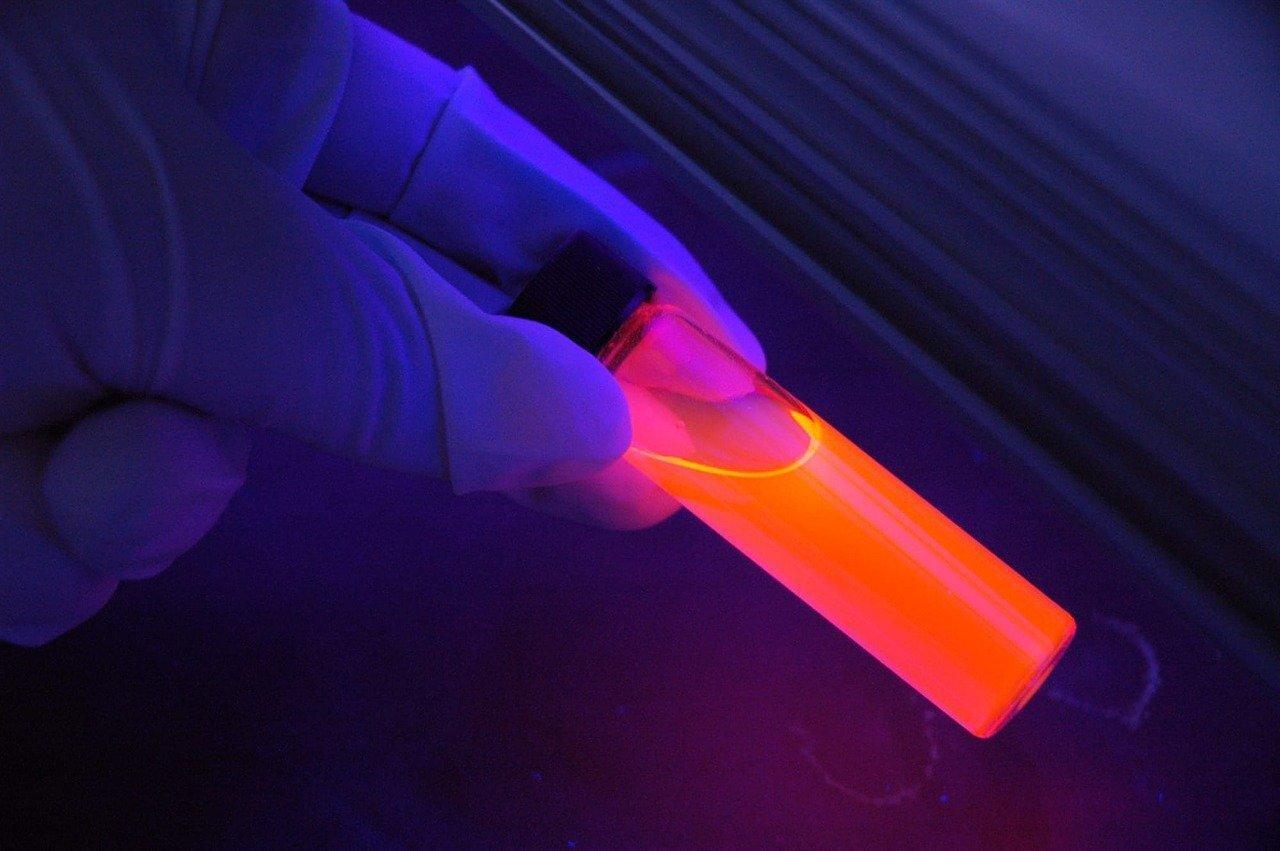
A sample class will also provide constructive feedback and ways to improve. Moreover, you may develop new ways to make the classes more interesting after knowing about different requirements. If you wish to save some time, you may conduct group classes to provide basic lessons.
How To Find Chemistry Tutor Jobs?
After deciding to become a tutor, you may need to work on acquiring new students. This involves marketing your services and growing as a professional tutor.
You may choose to market locally or online to get the best results. The mouth of a word and your previous students may help in promoting you locally. Moreover, you may add posters at libraries, town halls, and local institutes for the students to catch your attention.
Marketing to Teach Chemistry online
Another great way to promote your classes is to register online for the classes. You may sign up on Superprof to find interested students. The website has free registration, and you don't need to worry about marketing your classes. Moreover, you will get to work from home and conduct classes via webcam.
Some other options to conduct classes maybe by making YouTube videos and having your website for promotion. To know how to teach chemistry online, you may refer to other teachers and polish yourself on your teaching journey.
Want to give private lessons?
Join the Superprof community and share your knowledge with interested and motivated students.
Summarise with AI:
Did you like this article? Leave a rating!

 Loading...
“Impressive grasp of stoichiometry! Your ability to balance chemical equations accurately demonstrates a solid foundation in fundamental chemistry concepts.”