


Cricket in India is far more than a sport—it is a shared national emotion that unites a billion people. Over the decades, India’s rise as a cricketing powerhouse has been driven not only by raw talent but by leadership: captains who made the hard calls, inspired belief, and set new standards of professionalism. From the early days of Test cricket to the modern era of global tournaments, each generation has produced leaders whose influence went beyond runs and wickets.
The success of the Indian teams—both men’s and women’s—owes as much to strategic minds as to individual brilliance. Captains in Indian cricket have had to manage expectations, pressure, and evolving formats while defining what it means to play for the country. Their leadership has shaped India’s sporting identity and inspired millions to dream of wearing the blue jersey.
Since it's hard to decide who's the best Indian cricket captain, here's a gender-inclusive list of India’s most successful cricket captains, so we would let you decide for yourself. All of these captains have left a lasting mark through landmark victories, historic firsts, and long-term cultural impact on the game.
Major Indian Cricket Captains and Their Achievements
- C. K. Nayudu – India’s first Test captain (1932); laid the foundation for India’s entry into international cricket.
- Mansoor Ali Khan Pataudi – Captained India through the 1960s; first to lead India to a Test series win abroad (New Zealand, 1968).
- Kapil Dev – Led India to the 1983 Men’s ODI World Cup win, revolutionising Indian cricket and inspiring a generation.
- Mohammad Azharuddin – Oversaw one of India’s most successful home-winning phases in the late 1980s and 1990s; held the record for most ODI wins as captain until the 2000s.
- Sourav Ganguly – Rebuilt the Indian team after 2000; nurtured young talent and instilled an aggressive, fearless identity in Indian cricket.
- M. S. Dhoni – The only men’s captain to win all three ICC white-ball titles: T20 World Cup 2007, ODI World Cup 2011, and Champions Trophy 2013; famed for calmness and tactical brilliance.
- Virat Kohli – India’s most successful Test captain by wins; set new fitness and intensity benchmarks and led a dominant red-ball side home and away; retired from Tests in 2025.
- Rohit Sharma – Guided India to two major ICC titles in consecutive years—the 2024 Men’s T20 World Cup and the 2025 Champions Trophy—cementing his reputation as one of the most composed modern leaders.
- Shantha Rangaswamy – Pioneered leadership in women’s cricket; captained India to their first-ever women’s Test victory (1976 vs West Indies).
- Diana Edulji – Among India’s earliest women’s ODI captains; led India in their first Women’s World Cup appearance (1978) and championed equality in the sport.
- Mithali Raj – The longest-serving women’s captain; guided India to two ODI World Cup finals (2005, 2017) and established professionalism and consistency in the women’s setup.
- Harmanpreet Kaur – Current captain of the women’s team; led India to their maiden ICC Women’s Cricket World Cup title in 2025, a defining moment in the nation’s sporting history.


A New Era of Legacy
From the pioneering spirit of C. K. Nayudu and Shantha Rangaswamy to the calm assurance of M. S. Dhoni and Harmanpreet Kaur, India’s captains have carried the weight of national expectation with distinction. Each era presented its own challenges—limited resources in the 1930s, political transitions in the 1960s, professionalism in the 1990s, and the data-driven world of the 2020s—but the unchanging thread has been the ability to lead with conviction.
Today, both the men’s and women’s teams stand as global contenders. Rohit Sharma’s back-to-back ICC triumphs in 2024 and 2025 reaffirm India’s dominance in white-ball cricket, while Harmanpreet Kaur’s World Cup victory has transformed women’s cricket from a pursuit of recognition into an era of achievement. Their success underlines a simple truth: great captains turn opportunity into legacy.
When people throw stones at you, you turn them into milestones.
Sourav Ganguly
Role of Indian Cricket Team Coach in Its Success
The role of the Indian cricket team coach is sometimes even more important than the team members themselves. While Indian cricket captains have led the team to some great victories and turned around difficult matches, the role of the coach can't be undermined at all. A good and efficient coach always works behind the scenes, backs the captain, and plays a pivotal role in the outcome of matches - ODI or Test. Quite often, their contribution goes unnoticed and even lacks acknowledgement. But that's okay as long as the team wins. Coaches are more like mentors and their role goes beyond just training the players and building strategies to win.
The first official coach of India's cricket team (men) was appointed in 1992. To date, the men's cricket team has had 12 formally appointed and permanent coaches. The list of names includes Ajit Wadekar, Sandeep Patil, Madan Lal, Anshuman Gaekwad, Kapil Dev, John Wright, Greg Chappell, Duncan Fletcher, Gary Kirsten, Ravi Shastri, Anil Kumble and Rahul Dravid. Under their guidance, India has won some great matches in test cricket, ODI, and T20s.
Here is a brief history of some of the notable coaches:
- A.C. Mankad (1976-1979): Ashok Mankad was one of India's earliest cricket coaches. He coached the Indian cricket team during the late 1970s.
- Ajit Wadekar (During the 1990s): Ajit was a prominent Indian cricketer who played as a left-handed batsman and was known for his captaincy during the early 1970s. He served as the coach of the Indian cricket team during his later years. Wadekar's coaching stint included a brief period in the 1990s.
- Sandeep Patil (In the late 1990s): He was also a former Indian cricketer who played as a middle-order batsman. Mr Sandeep Patil served as the coach of the Indian cricket team for a short period in the late 1990s.
- Mansur Ali Khan Pataudi (1992-1993): The former Indian captain and cricketing legend, Mansur Ali Khan Pataudi, served as the coach of the Indian cricket team for a brief period.
- Madan Lal (1996): Madan Lal, a member of the 1983 World Cup-winning team, was the coach of the Indian team for a brief period.
- Anshuman Gaekwad (1997-1999): Anshuman Gaekwad served as the coach of the Indian cricket team during the late 1990s.
- Kapil Dev (1999-2000): Kapil Dev, one of India's greatest all-rounders and the captain of the 1983 World Cup-winning team, briefly coached the Indian cricket team.
- John Wright (2000-2005): John Wright, a former New Zealand cricketer, was one of the most successful and influential coaches in Indian cricket history. Under his coaching, India saw significant improvements, including a famous series win in Australia in 2003-2004.
- Greg Chappell (2005-2007): Greg Chappell, the former Australian cricketer, served as India's coach but had a controversial tenure.
- Gary Kirsten (2008-2011): South African cricketer Gary Kirsten was instrumental in India's success during his tenure as coach, including winning the 2011 ICC Cricket World Cup.
- Duncan Fletcher (2011-2015): Duncan Fletcher, a former Zimbabwean cricketer and coach, succeeded Gary Kirsten and coached the Indian team.
- Ravi Shastri (2014-2016 and 2017-2021): Ravi Shastri, a former Indian cricketer, served as the Team Director and Head Coach in multiple stints.
- Anil Kumble (2016-2017): Anil Kumble, one of India's greatest bowlers, briefly coached the Indian team.
- Rahul Dravid (2021-2024): Rahul Dravid, another Indian cricket legend, took over as the Head Coach of the Indian cricket team. His appointment was in 2021.
- Gautam Gambhir (2024-present): As of July 2024, the BCCI appointed Gautam Gambhir as the head coach of India’s senior men’s team. His appointment followed Rahul Dravid’s tenure, which concluded after India’s title-winning ICC Men’s T20 World Cup 2024 campaign.
Find out about Cricket coaching in Visakhapatnam here.
A Brief History of Indian Cricket
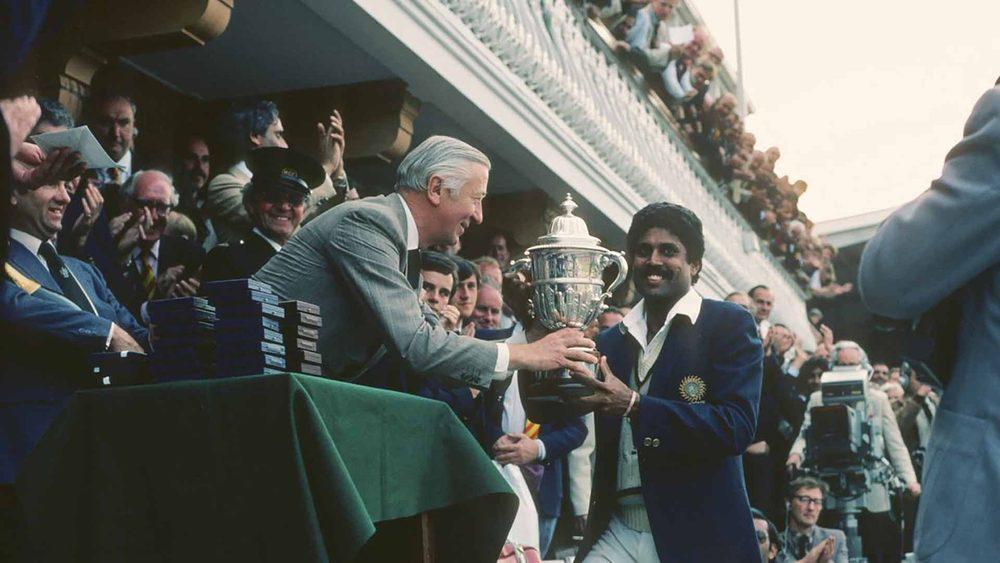
If you are looking for cricket coaching near me, then now is a good time to take a peek into the history pages of Indian cricket. Cricket in India was first introduced in 1700 by the Britishers. India played its first-ever cricket match as a team in 1721. The Oriental Cricket Club was the first of its kind to be established by Indians. It was founded by the Parsi community in Bombay in the year 1848.
Early History
India’s earliest cricketing identity was shaped under British rule and in the decades immediately after independence. Leadership in those days was not supported by today’s infrastructure—there were fewer tours, limited preparation time, minimal sports science, and much smaller international calendars. Yet the captains of that period carried a unique responsibility: they were not only competing, but also defining what Indian cricket could look like on the world stage.
Some early Indian-born icons—most famously Ranjitsinhji and Duleepsinhji—became legendary names in global cricket during the British era, even representing England. Their long-term impact on Indian cricket is still visible today through domestic trophies named in their honour: the Ranji Trophy and Duleep Trophy remain core symbols of India’s first-class ambition and talent pipeline.
India's First Test Match - 1932
In 1926, the Imperial Cricket Council invited India to play test cricket for the first time. Under the captaincy of C.K. Naidu, India debuted as a test-playing nation in 1932. The match was played at Lord's, London and England won by 158 runs.
In the following year, India became the first host for a series of test matches. Later in 1947, played its first test series as an independent nation, against Australia.
Rising to World-Class Cricket
The first ODI (One Day International) was played by India against England in 1974. In the first two editions of the World Cup, India could not qualify. But in 1983, it burst onto the international cricket scene with its historic World Cup win against the then No. 1 test-playing country, West Indies. This marked a major milestone and a turning point in the history of Indian cricket.
Turn of the Century
At the turn of the 21st century, the Indian team got a fresh lease of life under the able guidance of captain-coach duo, Sourav Ganguly and John Wright. During that period, India produced defining resilience moments—none bigger than the 2001 comeback series win over Australia.
The next decade delivered India’s most complete “trophy leadership” era: MS Dhoni became the only men’s captain to win all three major ICC white-ball trophies (T20 World Cup 2007, ODI World Cup 2011, and Champions Trophy 2013).
And the story did not stop there. In the most recent chapter, Rohit Sharma captained India to the ICC Men’s T20 World Cup title in 2024 and followed it by leading India to the ICC Champions Trophy title in 2025—confirming India’s return to consistent ICC tournament dominance in the mid-2020s.
As of December 2025, India’s men’s cricket team has format-specific captains.
Shubman Gill leads the side in Tests and One-Day Internationals (ODIs), while Suryakumar Yadav captains the T20 International (T20I) team. Both represent a new generation of leadership following Rohit Sharma’s successful tenure, which included India’s 2024 ICC T20 World Cup and 2025 Champions Trophy victories.
Learn about Cricket coaching in Ludhiana here.
The Top Indian Cricket Captains (Men's team)
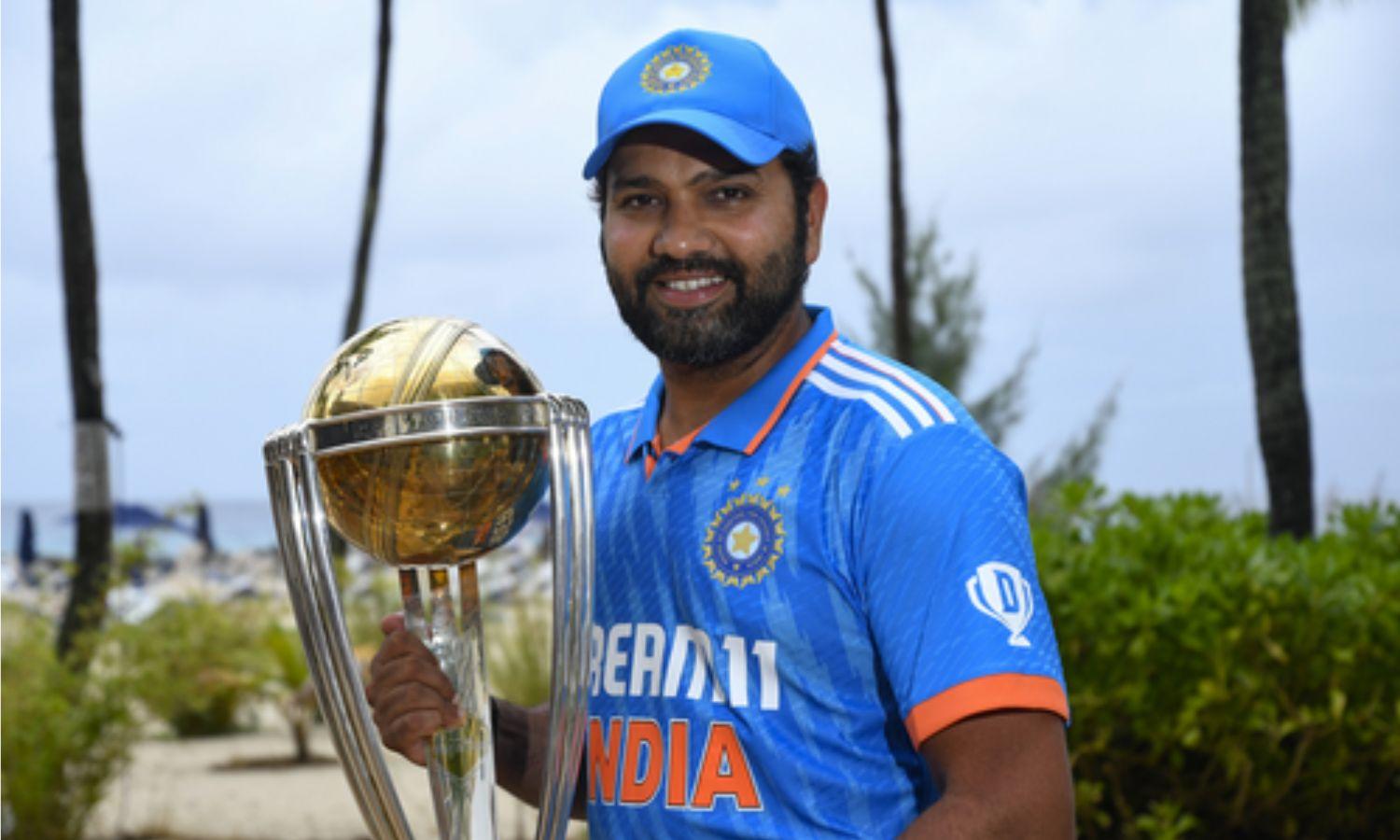
India has produced some of the biggest players in world cricket. But very little is said about the success of Indian cricket captains. Take a look at the achievements of some of the greatest leaders in Indian cricket whose contributions to the game have given meaning to it.
Every morning I woke up, I believed I could score runs for India
Sourav Ganguly
Sourav Ganguly
Sourav played a pivotal role in building team cohesion and was ably supported by Indian cricket team coach, John Wright. Ganguly had a knack for spotting new talent and turning them into matchwinners. He taught invaluable lessons to younger players like Yuvraj, Kohli, Dhoni, and Kaif while backing his senior players. But his biggest strength was his never-say-die attitude which literally lit a spark in an ageing and drooping Indian cricket team.
Kapil Dev
A young Kapil Dev made his debut in 1982 and led the team to a World Cup win in 1983. This in itself speaks volumes about the greatness that he embodied. The World Cup victory came as a fresh lease of life and gave much-needed confidence to the Indian cricket team in the face of heavy odds.
Mohammed Azharuddin
Azhar was one captain who let his skilful batting and diligent captaincy do the talking. At the peak of his career, he became one of the youngest cricketers to receive the prestigious Arjuna Award and be conferred the Wisden Cricketer of the Year title.
Mansoor Ali Khan Pataudi
This man lost an eye in a car crash and yet that could not deter him from leading India to great glory in world cricket. He maintained a consistent average of 34 in test cricket and became the epitome of perseverance and determination, who inspired a generation of cricketers.
Mahendra Singh Dhoni
Dhoni's distinct style of captaincy has become a textbook example of many cricket coaching centers in India. His calmness and perseverance have enabled him to come out of difficult situations and turn around matches on many occasions.
Virat Kohli
Virat Kohli’s captaincy is remembered for intensity, elite fitness standards, and a relentlessly competitive mindset—especially in Test cricket. His leadership pushed India toward a faster, more aggressive style built around pace-bowling depth, athletic fielding, and demanding professional benchmarks.
In May 2025, Kohli retired from Test cricket, closing a major chapter in India’s modern Test identity. Even after stepping away from the longest format, his leadership legacy remains a template for “high-performance captaincy” in Indian cricket: proactive tactics, uncompromising standards, and the ability to set a tone that lasts beyond results.
The Top Indian Cricket Captains (Women's team)

India’s women’s cricket story is no longer a “catch-up” narrative—it is a leadership and results narrative. The team has produced captains who built credibility, professional standards, and belief across generations, culminating in India’s biggest moment: a maiden ICC Women’s Cricket World Cup title in 2025.
Find options in women's cricket coaching near me on Superprof.
Here are some of the most influential leaders who shaped Indian women’s cricket—from the early Test era to the World Cup-winning era.
Shantha Rangaswamy
She was the first Test captain of India's women's cricket team. But she is more popular now as a member of the Cricket Advisory Committee (CAC).
Diana Edulji
Diana was India's first ODI captain and also led the team in its first World Cup appearance in 1978. She is still one of the biggest names in Indian women's cricket.
Mithali Raj
A list of the most successful captains in women's cricket across the world is incomplete without this name. With a win rate of more than 50%, Mithali has led India to higher pedestals of success and her record has been impeccable.
Harmanpreet Kaur
Harmanpreet Kaur, Indian women cricket team captain, has become one of the most crucial figures in Cricket World Cup history. In November 2025, she led India to their maiden ICC Women’s Cricket World Cup title, defeating South Africa by 52 runs in the final at Navi Mumbai’s DY Patil Stadium.
The win was not just a trophy—it was a statement of leadership under pressure. India recovered from a shaky league phase, delivered a landmark semi-final performance, and executed the final with clarity and courage. Harmanpreet’s decision-making—backing players in high-stakes moments and trusting instincts when the match demanded bold calls—has placed her among India’s most successful cricket captains, across any format or gender.
Find expert cricket coaching near me when you search for a coach on Superprof.
Greatest Indian Women's Cricket Team Moments
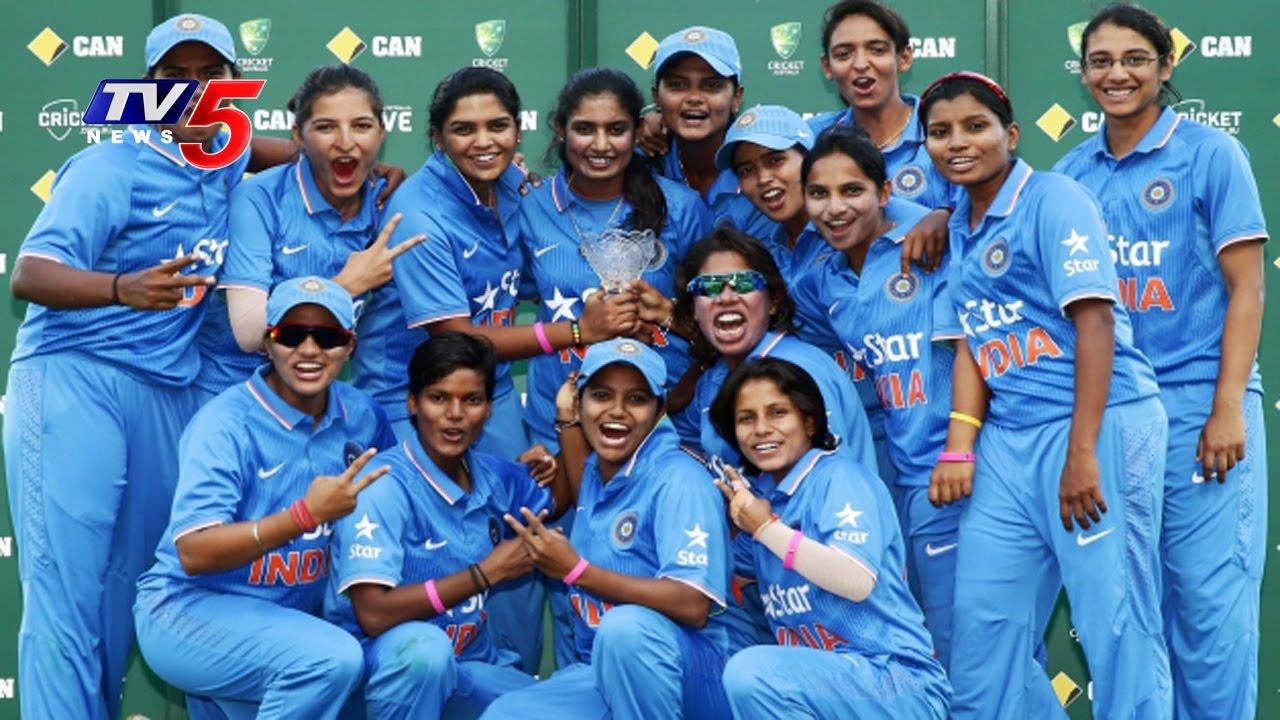
Cricket in India is defined by its fanfare and revelry. But what makes it truly special are the moments that become unforgettable. Take a walk down memory lane with some of the greatest Indian Women's Cricket Team moments in the history of the game -
- India win the ICC Women’s Cricket World Cup (2025): India lifted their maiden Women’s World Cup title in 2025, a defining moment that transformed the team’s story from “contenders” to “champions” and marked the biggest achievement in Indian women’s cricket history.
- Smrithi Mandhanna's 88-run knock at the 2025 Women’s Cricket World Cup showed her class on the biggest stage and reinforced her status as one of India’s most reliable top-order batters.
- Mithali Raj caught on camera in a moment of peace, reading a book, becoming an iconic snapshot of calm leadership during a high-pressure World Cup campaign.
- India beat Pakistan by 17 runs to lift the Asia Cup (2016), one of the most memorable rivalry finals in the women’s game.
- India finished runner-up in the 2020 ICC Women’s T20 World Cup, a breakthrough tournament run that expanded belief, visibility, and expectations for the team worldwide.
There are many such moments in world cricket that will make you emotional, jump from your seat, happy, sad, and generate a whole bunch of feelings. If you truly are a cricket fan or even an aspiring cricket star, knowledge about cricket coaching fees or good coaches is not enough. While that's important, what will define your future as a cricketer is your passion and hunger to succeed while representing India and carrying the dreams of a billion people on your shoulders.
Summarise with AI:
Did you like this article? Leave a rating!

 Loading...
