
Raising your heart rate and moving to music can lift your mood and support your sense of wellbeing. Here is how dance and mental health are linked, with a focus on what works for life in India.
There is a reason a wedding sangeet leaves everyone smiling, or why a Garba night in Gujarat feels like therapy on its feet. Dance does something to us. The combination of music, movement and being around other people can shift how we feel, sometimes within minutes of starting.
The World Health Organization describes mental health as a state of wellbeing in which a person realises their own abilities, copes with the normal stresses of life, works productively and contributes to their community. Dance touches several of those areas at once. It asks you to be present, it gets your body moving, and it often brings you into contact with others.
Before we go further, one honest note. Dance may support your mental wellbeing, but it is not a replacement for professional mental health care. If you are struggling, please treat movement as one helpful tool alongside speaking to a qualified doctor, counsellor or therapist.




Mental Health Benefits of Dance at a Glance
Here is a quick look at the ways dance may support how you feel, before we explore each one in detail:
- Stress relief, as moving to music helps release built-up tension
- Mood improvement, since rhythmic movement is linked with the release of feel-good chemicals in the brain
- Greater confidence, as you learn steps and grow comfortable in your own body
- A calmer mind, because dancing pulls your attention into the present moment
- More social connection, whether in a class, a Garba circle or a Zumba batch
- Sharper focus and memory, as your brain works to track music, timing and movement together
- A healthier self-image, as you start to appreciate what your body can do
Declarations like “I have two left feet” do not just keep you off the dance floor. They quietly deny your own potential.
Phrases like that one boil down to a simple belief: I cannot. That kind of thinking reinforces a self-limiting story we tell ourselves. The good news is that dance is one of the easiest ways to begin rewriting it. Let us walk through the most common excuses and what actually lies underneath them.
I Have Nothing to Dance About
Global headlines rarely give us much to cheer about, and personal circumstances can feel heavy too. Some people even feel it is wrong to dance while difficulties pile up around them. That argument has an opposite side worth hearing.
If you look around for reasons to feel low, you will find plenty. But the same is true in the other direction. There is resilience, recovery and quiet courage everywhere you look. One might choose to dance for their health, both physical and mental, simply to build a steadier and more positive mindset.
You do not need an official reason to dance. Your personal reasons are all that count. Sometimes the music moves you, sometimes you just want to feel a little lighter, and that is reason enough.
In India, you are rarely far from a reason to move. A festival, a film song, a friend's wedding or a community celebration can all be the spark. Dancing is allowed simply because the music compels you, or because you admire the grace of a particular step.
I Am Not Good Around People
Social anxiety is real and growing, and the long stretches of isolation many of us went through made it harder for some. Dance can help ease this in two ways.
First, dancing is emotion in motion. A strong beat invites energetic movement, which is exactly what we need to channel restlessness or frustration. A high-energy Bollywood number or a fast Bhangra track can do wonders for a tense evening.
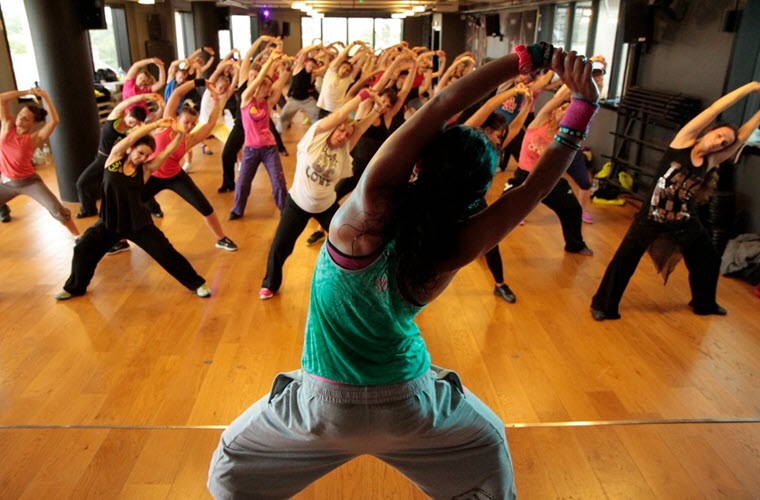
Second, dance gently rebuilds comfort around others. A Zumba batch at a local gym, a Garba practice before Navratri, or a folk dance group brings together like-minded people with a shared focus. You are together, but the spotlight is on the music, not on you. Even dancing solo at home, you can join an online class and feel part of something.
Many people worry they are too shy, too uncoordinated or too out of practice. These are expressions of self-defeat rather than facts. The dances are ready whenever you are.
So what if no one picks you as a dance partner? You can do the picking. And if you are not ready for that yet, dancing solo works just as well. Many Indian dance forms, from Bharatanatyam to Kathak to free-form Bollywood, are designed to be danced on your own.
I Cannot Dance
Think of any dancer you admire, on screen or on a festival stage. They were not born able to do that. Believing they were discounts years of practice and dedication. Before they learned, they were ordinary people, likely just as unsure of themselves as the rest of us.
You may not be able to do many things yet: drive a car, cook a complex meal or write code. But if you take lessons, you learn how. Dancing is no different, and it is arguably easier to begin than most skills. You need no special equipment. You only need yourself, some music and the willingness to learn.
This is also wonderfully affordable in India. Plenty of free dance tutorials exist online, and group classes are widely available. As a rough guide, community Zumba or Bollywood dance classes often run from around INR 500 to INR 2,000 per month, while private or specialised classical training tends to cost more depending on the city and the teacher. Many studios offer a free or discounted trial class so you can find the right fit.
Learning to dance can help break the “I cannot” mindset that quietly shapes so many decisions. The trick is to add one small word to the end of the sentence.
It is perfectly fine to have an “I cannot” mindset, as long as you finish the sentence with “yet”. The dancers you admire could not dance until they learned, either. That tiny “yet” opens up real possibilities, and not only on the dance floor.
I Have Too Much On My Mind to Dance
Many of us know the feeling of lying awake at night, replaying a conversation or a worry for the hundredth time. It is three in the morning, and the brain simply will not switch off.
Psychologists call this rumination. It is a way of avoiding the underlying emotions a situation stirred up, and it keeps those feelings alive. We circle the same thought again and again, unable to let it rest.
Or can we let it rest? Taking a genuine mental break from the thoughts that plague us is one of the best ways to interrupt that loop. Dance is especially good at this. It gets your body moving, and the music fills your ears and your mind, leaving less room for the spiral.
Dancing is an exercise in mindfulness. You have to concentrate on the music so you do not lose the beat. You also have to mind how your body feels and moves so you do not strain anything. This is part of why classical forms like Bharatanatyam and Kathak feel so absorbing. There is simply no room left to ruminate.
Dancing is a physical, mental and emotional activity all at once. A single session can put some welcome distance between you and your persistent thoughts.

Other Mental Health Benefits of Dance
Mindfulness is just one benefit among many. The combination of music and movement lifts our spirits and leaves little room for negative thoughts. Many also point out that dancing supports physical health and fitness, and feeling good about your body tends to feed back into how you feel mentally.
Greater self-confidence often tops the list, with healthier self-esteem close behind. That more positive view of yourself can lead to more social interaction, which in turn supports better mental and physical health over time.
Anxiety and Low Mood
For people living with anxiety or low mood, movement can offer real relief. Physical activity is associated with the release of feel-good chemicals such as endorphins, which circulate well after you leave the dance class. They help soften the negativity these conditions can bring. This is support, not a cure, and it works best alongside professional care.
Cognition and Memory
Dancing helps keep your mind sharp, because it engages so many senses at once. As you move, listen to the music and track where you are going, your brain works hard to process and store all of it. Learning new sequences is an added boost. This is part of why researchers are interested in dance as one way to help keep cognitive decline at bay as we age.
Belonging and Community
In India, dance is deeply social. Garba and Dandiya during Navratri, Bhangra and Gidda in Punjab, Lavani in Maharashtra, and the simple joy of a wedding dance floor all create a powerful sense of belonging. That feeling of being part of something larger than yourself is itself protective for mental health.
Even if you are in a good place mentally, dance and mental health work together to help you build your best self. Not just for today, but for years to come.
Dance Styles and Classes to Try in India
One of the joys of dancing in India is the sheer range of styles on offer. You do not need a partner, and you do not need to wear anything special. Here are a few to consider, whether you want tradition, fitness or pure fun:
- Bharatanatyam, Kathak or Odissi, for those drawn to classical depth and discipline
- Bollywood dance, energetic, expressive and easy to enjoy at any level
- Bhangra and Gidda, high-spirited folk forms full of joy
- Garba and Dandiya, perfect for the festive Navratri season and wonderfully social
- Zumba and dance fitness, great for mood and a cardio workout in one
- Contemporary, hip-hop and freestyle, for creative, individual expression
You can find classes through neighbourhood studios, community centres, gyms and online platforms. Tutoring marketplaces also connect learners with private dance teachers, which is useful if you prefer one-to-one guidance or want to learn at your own pace.
Some hopefuls believe they are too unfit, too old or too uncoordinated to begin. These are all expressions of self-defeat. Defeating ourselves before we have properly begun does our wellbeing no favours. Embracing dance means permitting ourselves to try something new.
Summarise with AI:
Did you like this article? Leave a rating!

 Loading...