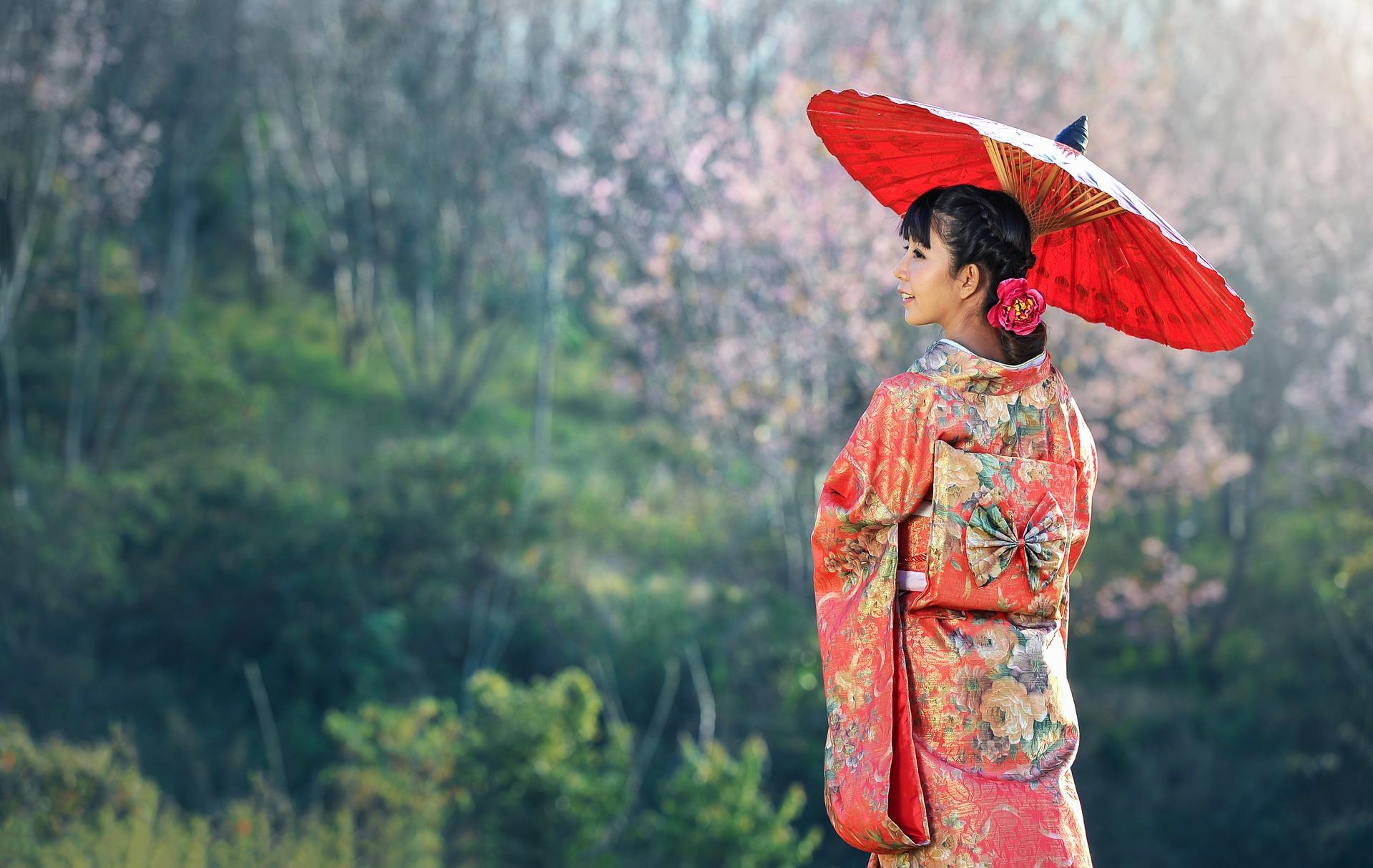
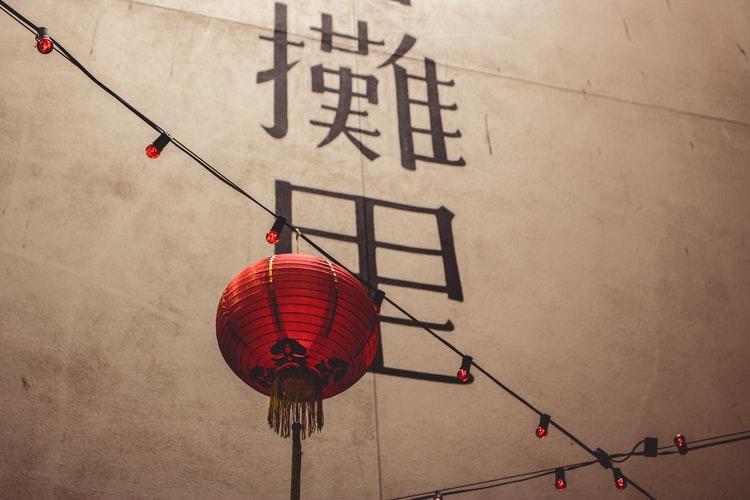
The ancient capital of Japan located near the Kamo river and part of the Kyoto prefecture, Kyoto is the 8th largest city in Japan by population with about 1.4 million residents. Home to hundreds of shrines, heritage sites, and festivals, the city is often considered to be the cultural capital of the country. The city has become so popular with tourists, in fact, that the city has started to take action to protect one of its most important, historical and cultural features. Whether you're arriving on a bullet train from Kyoto Station, flying in from Kansai, Osaka or Narita Airport, you shouldn't have to get bogged down by the overwhelming job of planning your Japan travel itinerary when you touch down. On the contrary - having the chance to explore Kyoto city should be stress-free and exciting. Whether you have a Japan rail ticket or rail pass, have an overnight layover at Kansai Airport or are going to move to Kyoto, understanding where to stay in the city and what to do is a vital step towards having a great time in the city. Learn about the differences between the Kintetsu and Hankyo railway services, understand which shrine is important and what world heritage monuments are in your neighbourhood with this travel guide. From where to take in the best historical sites of the Heian period to the transport involved in getting to Fushimi Inari: here are the best things to do in Kyoto, what seasons to travel in and what to do with your Yen once you get there! Explore Kyoto's amazing history through its architecture!
From the Imperial Palace to zen garden Kinkakuji - Kyoto, Japan is full of heritage sites, cultural experiences and delicious food. Like any trip to Japan, you should try to plan out some of the essential details of your trip before you arrive. Some of the items you should tick off your to-do list are finding a place to stay, having a budget and knowing some of the activities you'd like to do. In a city full to the brim with historical and cultural centres and monuments, getting your sight-seeing in can seem a bit overwhelming. One of the easiest ways to start planning your trip is getting to know the different districts in Kyoto. This can help you craft your list of places to go, food to eat and things to see. Kyoto can be split into about six distinct districts:
North Kyoto
South Kyoto
Gion
Higashiyama
Arashiyama
City Centre
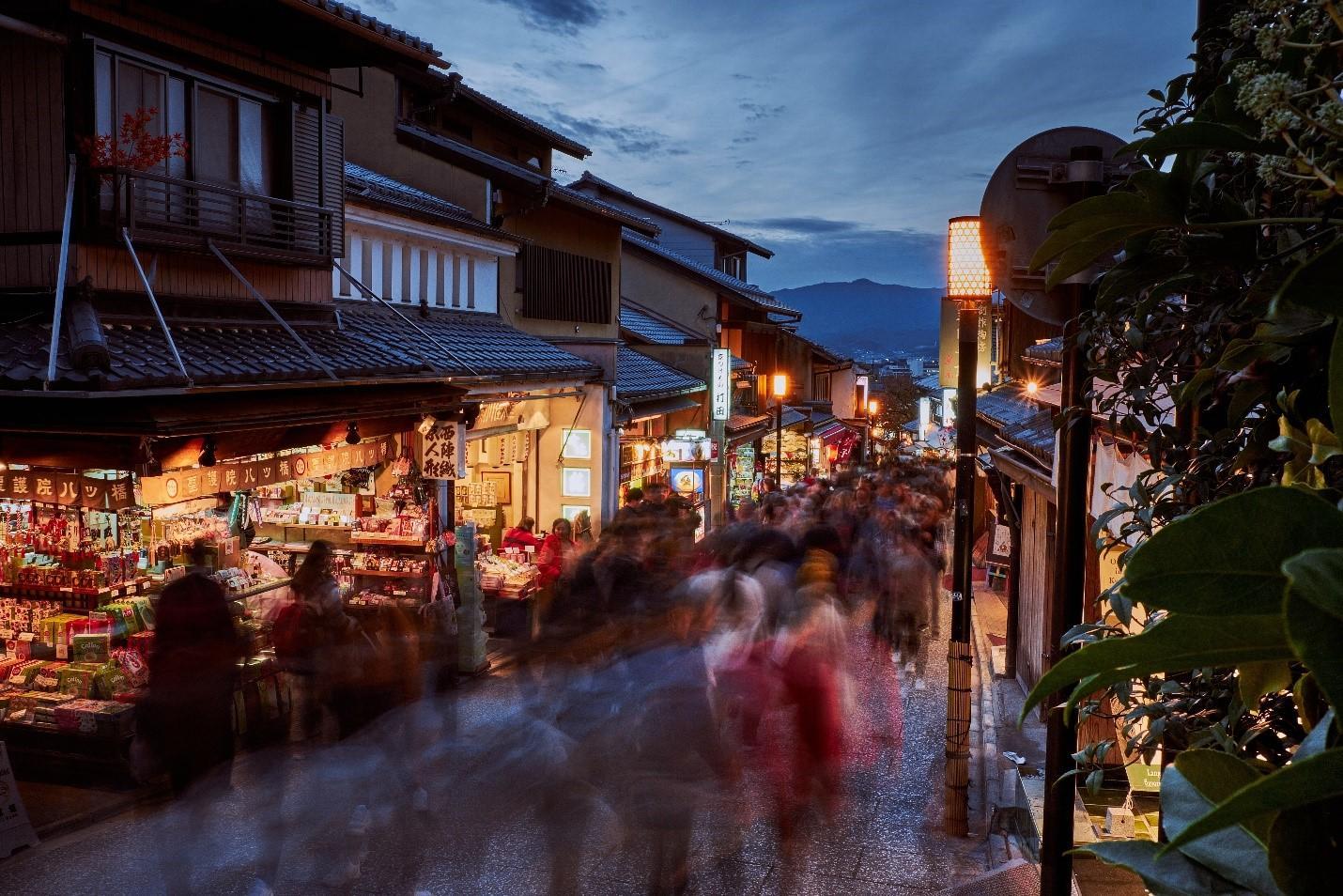
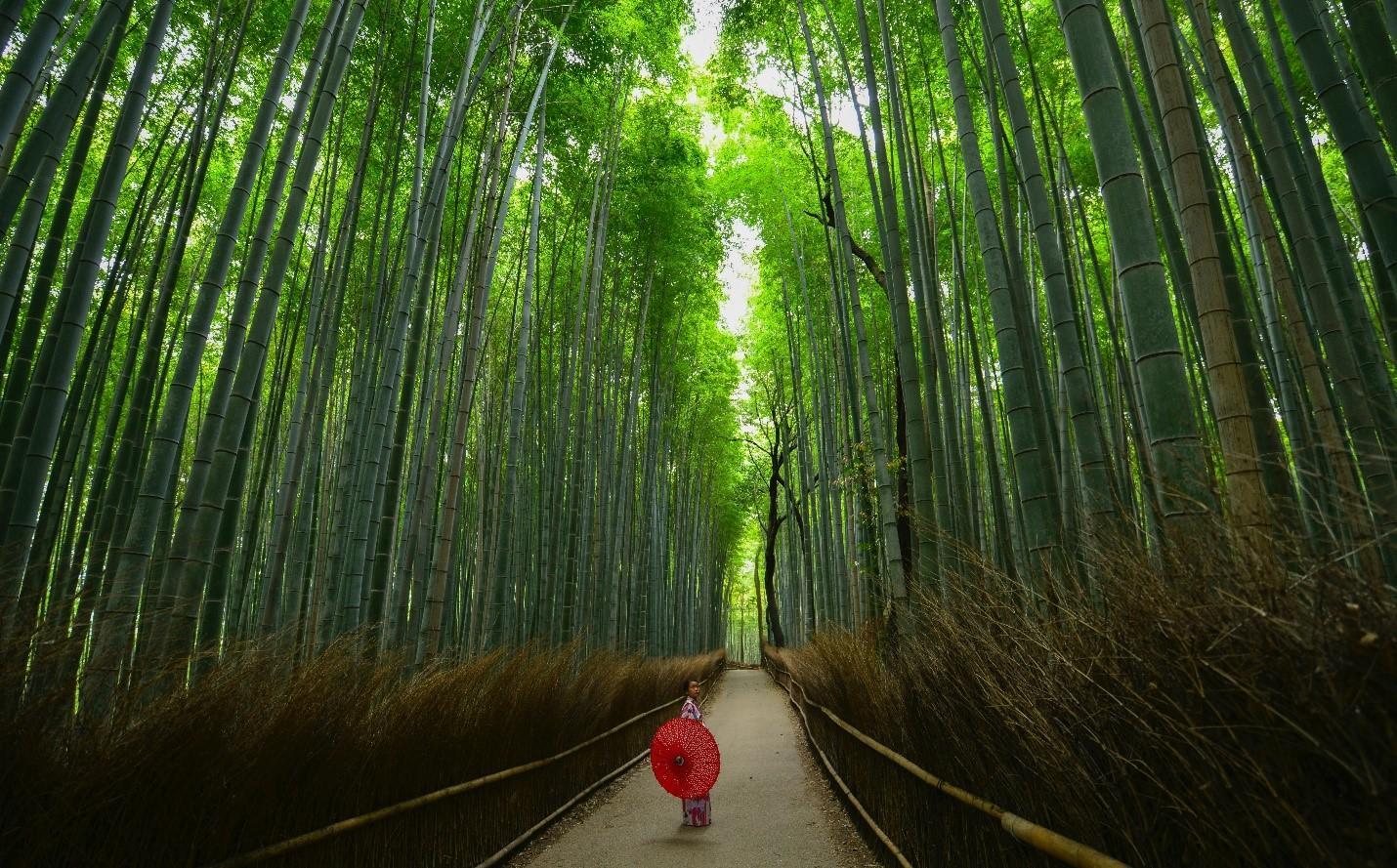
Stretching from Kyoto station to Gion, the city centre includes the famous Buddhist temple Higashi-Hongani, street food markets like Nishiki, important landmarks like Nijo Castle and, of course, the quintessential Kyoto tower. Arashiyama, in the west, has been a favourite district since the Heian period. From cherry blossom season to the snowy months of winter, you'll be able to enjoy the Bamboo Forest, Togetsukyo bridge, and Kyoto monkey park. Higashiyama is the historical district of Kyoto, where you can experience Buddhist and Shinto temple, a tea ceremony and walk down the famous Philosopher's Path. Gion is the notorious tourist centre where you'll be able to catch a glimpse of Geiko, or kimono-clad geisha, visit Kiyomizu temple, experience a traditional tea ceremony or stay in a ryokan. South Kyoto is where you'll be able to visit the infamous Fushimi Inari Taisha located in the Fushimi ward. With 10,000 vermillion torri gates, the Shinto shrine is dedicated to the god Inari. Start at the head shrine Taisha, hike up the mountain and prepare yourself for the beautiful view at the top of the Fushimi Inari Shrine. Last but not least, North Kyoto. Housing the Infamous Kinkaku-ji Buddhist zen temple, also known as the Golden Pavilion, you'll be able to explore the surrounding mountains as well.
Where to Stay in Kyoto?
Whether you want to find a strategic spot in the city with easy access to the Shinkansen, are looking for a cheap room or want to find the best hotel Kyoto has to offer - finding a place to stay in Kyoto during your travels should be the first thing you do after booking your ticket. However, it can be hard to know where the best place to stay is in this Japanese culture capital. If you'd like to get a very traditional experience, starting your day with a world heritage site or with an onsen, take a look at Gion and South Kyoto. You'll likely be staying on a traditional tatami while having great access to the city either by walking or with the city bus. If you want to have a more modern experience, a cheaper option, regardless of the location, can be going with an Airbnb or a capsule hotel. If you want to stay in a hotel, whether that be next to the Kyoto Imperial Palace or another UNESCO World Heritage monument, you can expect hotel prices per night to range from 70 pounds for a 1-star hotel to 950 pounds for a 5 star hotel. The length of your stay will, of course, depend on your purpose in visiting the city. If you're staying in the city for tourist and leisure reasons on the short term, these types of lodgings are definitely appropriate. If you're moving to Kyoto for work and travel, school or work, you'll have to find something more long-term. Set up your research around your budget and expectations for the trip. In a city full of world heritage sites, you'll never be bored!
Best Things to Do in the Ancient Capital
Now that you know the districts you want to visit and where you'll be staying during your visit to Kyoto, there's nothing left to do but enjoy the city and its boundless activities. Regardless of whether you're the type of person who loves to plan everything to the last detail or one who doesn't like to plan anything at all, having an idea of the experiences you can take part in when visiting Kyoto can be a great starting place. Here are some of the best things to do in Kyoto.
Gion
Already mentioned, Gion is a must-see for anyone wanting to see historical Japan, from the Meiji period to the present.
Noh Theatre
Filled with beautiful, classical dances and historical narratives about samurais and shogun, the dramas at the theatre have been classified on the UNESCO list of Intangible World Heritage.
Shinto Shrines
If you're looking for some culture, take a guided tour that visits some of Kyoto's 400 Shinto shrines. The perfect places to see Japanese style shrines, get enlightened and buy the perfect souvenir, here are some of the most famous shrines:
Kitano Tenmangu
Yoshida-jinja
Heian-jinja
Some of the other activities you can do if you have some more time in your itinerary are visiting the Ryozen Kannon war memorial, taking a pilgrimage to Himeji Castle in the Kansai prefecture or checking out the International Manga Museum. If you're planning on staying in Japan for a longer period of time, consider taking the time to travel to other cities. Taking the train to see mount Fuji from Kyoto will take you about 3 hours. Getting to Hokkaido will take about 11 hours while getting to Hiroshima will be around 3 hours. Tokyo is about 4 hours away! If you need some help getting to the bamboo forest, check out local tourist information centres!
The Best Season to Visit Kyoto
Visiting Kyoto is an amazing experience that will definitely leave you full of good food, culture and history. One of the hard parts about planning any vacation, however, is deciding what time of year to go. Some of the things you may want to consider are:
Weather
Price of tickets
Activities
While the weather in the winter and summer months can be extreme, there are still many activities to do in Kyoto that include many winter and summer sports. The Jidai Matsuri, or Festival of the Ages, is a great festival to check out at the end of spring, beginning of summer. The two best seasons to visit Kyoto if you're looking for milder weather and plenty of activities to do are Spring and Fall. The Spring is when the infamous cherry blossoms come to life and paint the landscape in beautiful shades of pink. Fall, on the other hand, sees a bit less crowds than the other seasons and can offer you a better price on tickets to Japan. Another great way to craft your itinerary, besides the four characteristics we've talked about, is to plan it around how long you'll be staying in the city. If you'll only be in Kyoto for one day, you'll have a much different plan than those who will stay for a week.
Summarise with AI:
Did you like this article?Leave a rating!
5.00 (1 rating(s))
Loading...
Krishna
Hey there ! I'm Krishna, the writer and curator of this article/quiz. As a passionate writer, I'm excited to share my learnings with you. Join me on this digital journey as we explore the sea of knowledge, through one blog post/blog quiz at a time. Let's learn, grow, and have some fun!
A Quick Guide to the World of Anime and Manga Manga and anime are perhaps Japan’s biggest cultural exports – and they make up one of the most recognizable art styles on the planet. Since the nineties, when everyone in the Western world was suddenly talking about Pokémon, Digimon, Yu-Gi-Oh!, and Dragon Ball Z, anime […]
Most Popular Animes From Japan Japanese anime has become a global phenomenon. This entertainment medium has fans of all ages enjoying its unique blend of animation and storytelling. There is an anime for everyone, from action-packed shonen series to heartwarming slice-of-life dramas. There's something for robots and sci-fi lovers in anime. On the other hand, […]
The Basics of Learning Japanese Few people who set out to learn a new language give any thought to their endeavour being a lifelong undertaking. In fact, as a native speaker of English, you might not even believe that you too are perpetually learning new things about the language you use every day. Seen in […]
All You Need to Know About Culture In Japan Japan is a fascinating country with many different aspects to it. From their religious beliefs to the recipes they eat and even how people dress- Japanese culture is one of the most interesting cultures in the world. Its rich traditional culture dates back hundreds of years, […]
Benefits of Taking Japanese Tuitions Learning a foreign language is always a good idea. In India, students mostly prefer to learn European languages. But Asian languages like Mandarin, Japanese or Korean are increasingly gaining more popularity among learners. These are countries with robust economies, great employment as well as business opportunities, and are also tourist […]
Tips to Teach Yourself the Japanese Language Learning a new language can be both a fun exercise as well as a challenge. Many people can't or don't want to invest their time, money, and energy in language courses or lessons inside a classroom. However, by studying the basics, practicing the language, and exploring Japanese in […]
Why Have Japanese Private Tuitions Become So Popular Today? There are so many different options and courses to explore in the market today for personal and professional growth, especially due to globalization. Whether it be a Japanese language course or guitar lessons, there are multiple different options available to fulfil your learning requirements from any […]
The Most Amazing Places to Visit Japan and Things to Do A frog in a well does not know the vast ocean - Japanese Proverb The best time to visit Japan is now! That is to say that there is no one time to visit this beautiful country. Japan tourism is booming, and it beckons you. You can travel […]
Find How to Learn Japanese from Different Mediums About 126 million people speak Japanese words. Some of them are native, and some people are from different parts of the world. The high number of Japanese speakers in Japan and the rest of the countries make it a useful language to learn. For those who wish […]















 Loading...