
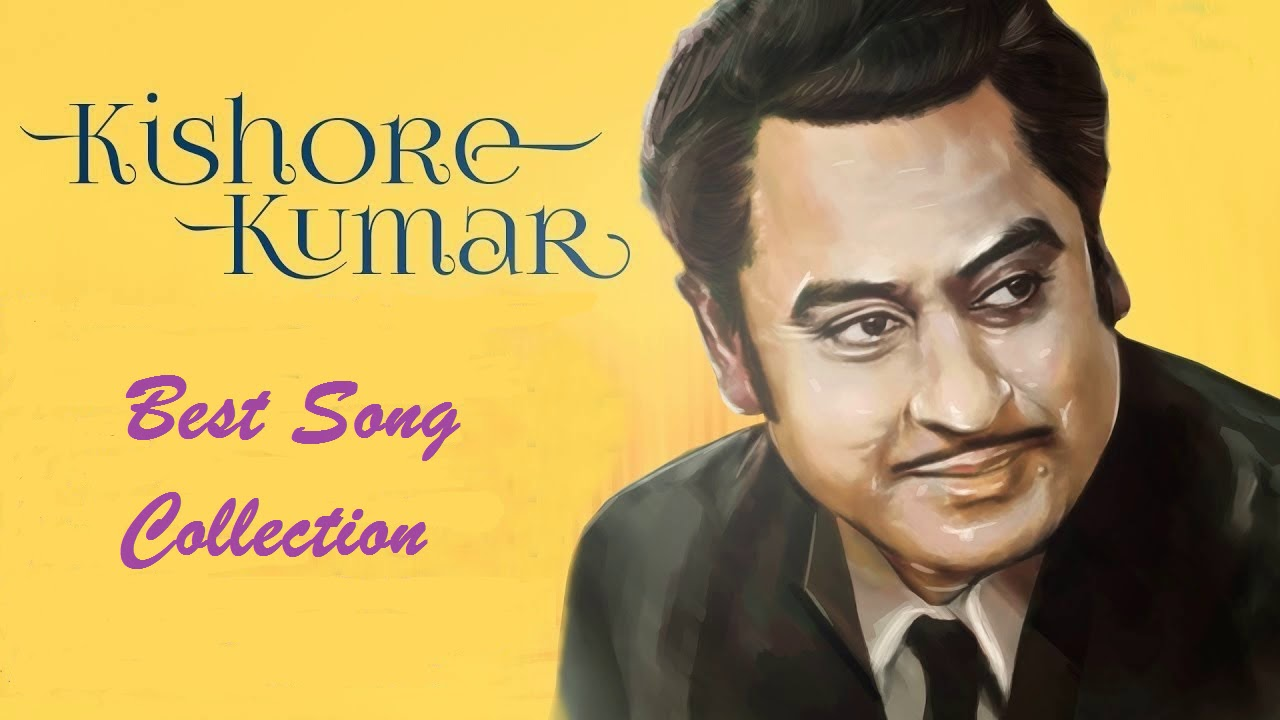

Kishore Kumar was a real performer who captivated audiences with his one-of-a-kind voice and magnetic presence. He was best known for his work as a playback vocalist in Bollywood films. Kishore Kumar was a multitalented artist who was a vocalist, actor, composer, director, and producer. He was born Abhas Kumar Ganguly on August 4, 1929, in Khandwa, Madhya Pradesh. Kishore Kumar's birth name was also Abhas Kumar Ganguly.





Top 10 Kishore Kumar Songs List
Here’s a concise list of 10 iconic songs by Kishore Kumar, spanning different moods and eras:
- “Roop Tera Mastana” – from Aradhana
- “Mere Sapno Ki Rani” – from Aradhana
- “Pal Pal Dil Ke Paas” – from Blackmail
- “Zindagi Ek Safar Hai Suhana” – from Andaz
- “Yeh Shaam Mastani” – from Kati Patang
- “O Mere Dil Ke Chain” – from Mere Jeevan Saathi
- “Chingari Koi Bhadke” – from Amar Prem
- “Ek Ajnabee Haseena Se” – from Ajnabee
- “Humein Tumse Pyaar Kitna” – from Kudrat
- “Neele Neele Ambar Par” – from Kalaakaar
This selection captures his versatility—romantic, philosophical, and energetic tracks that remain timeless.
Kishore Kumar: The Timeless Wonder
Kishore Kumar started as a chorus singer in Bombay Talkies, but it wasn't until the 1950s that he got his break as a playback singer in the film "Ziddi." Before that, he had worked in the industry since the 1930s. But, it was his work with the music director S.D. Burman propelled him to the forefront of the entertainment industry. Kishore Kumar and S.D. Burman collaborated on a great number of chart-topping songs throughout their time working together, including "Roop Tera Mastana" from the movie "Aradhana" (1969) and "O Majhi Re" from the movie "Khushboo" (1975). You can find the best Kishore Kumar ke gane on Spotify and Jio Saavan.
Compared to other playback singers of his day, Kishore Kumar stood out from the crowd due to the distinctive quality of his one-of-a-kind voice. He was proficient in various musical styles, from soothing ballads to upbeat tunes, and he could easily sing them all. Yodeling, improvisation, and the ability to infuse a song with his own unique taste and flair were some of the things that made him famous.
Listeners of all ages still enjoy his music, and people continue to show a lot of passion when they see his movies. His contributions to the film business will never be forgotten, and he continues to be regarded as one of the most adored and cherished artists working in Indian cinema.
Bonus: Here are some of the best Asha Bhosle songs of all time!
Kishore Kumar's Songs From The 1970s
Throughout the decade of the 1970s, Kishore Kumar was at the pinnacle of his career; during this decade, he released some of the most famous and unforgettable songs of his career.
Best Of Kishore Kumar
Some of the Kishore Kumar songs recorded in the 1970s that have gone on to become standards are as follows:
Tera Bina Zindagi Se
From the movie "Aandhi" (1975) comes the song "Tere Bina Zindagi Se." This heartfelt ballad, which was penned by Gulzar and arranged by R.D. Burman, is still considered to be one of the most memorable songs that Kishore Kumar has ever recorded. The concept of lost love and being apart is eloquently captured in this song, pictured on Sanjeev Kumar and Suchitra Sen and included in the film.
Chingari Koi Bhadke
From the movie "Amar Prem" (1972) comes the song "Chingari Koi Bhadke." This eerie tune was created by R.D. Burman, who also collaborated with Anand Bakshi on the lyrics. The video features Rajesh Khanna and Sharmila Tagore, showcasing Kishore Kumar's ability to express profound feelings via his voice.
Tum Aa Gaye Ho Noor Aa Gaya
The song "Tum Aa Gaye Ho Noor Aa Gaya" is included in the 1975 movie "Aandhi." - Kishore Kumar and Lata Mangeshkar provided the vocals for this heartfelt duet, which R.D. Burman was responsible for composing. It is one of the most well-known and well-loved songs in the Hindi film industry, and it features Sanjeev Kumar and Suchitra Sen in the accompanying music video.
Musafir Hoon Yaaron
From the movie "Parichay" (1972) comes the song "Musafir Hoon Yaaron." R.D. Burman was responsible for the song's composition, while Gulzar was the lyricist. This song, which includes Kishore Kumar singing about his love of travel and his desire to explore the world, has become an anthem for those who want excitement and freedom to discover new things.
Rimjhim Gire Sawan
The song "Rimjhim Gire Sawan" is included in the 1979 movie "Manzil." R.D. Burman was responsible for the composition of this heartfelt ballad, while Yogesh was the songwriter. This song is generally recognised as one of the most beautiful songs about the rainy season, and it includes Kishore Kumar and Lata Mangeshkar singing about the bliss of monsoon showers.
Aap Ki Ankhon Mein Kuch
From the movie "Ghar" (1978) comes the song "Aap Ki Ankhon Mein Kuch." Kishore Kumar and Lata Mangeshkar provided the vocals for this heartfelt duet, which R.D. Burman was responsible for composing. Kishore Kumar's capacity to communicate a variety of emotions with his voice is shown in this song, which features Vinod Mehra and Rekha and is picturised on them.
Mere Naina Sawan Bhadon
From the movie "Mehbooba" (1976) comes the song "Mere Naina Sawan Bhadon." R.D. Burman was the composer of this sweepingly beautiful ballad, and Anand Bakshi was the songwriter. It is one of the love songs in Hindi films that has stood the test of time, and it includes Kishore Kumar singing about his love for a lovely lady.
Kya Hua Tera Wada
"Kya Hua Tera Wada" was included in the 1977 movie "Hum Kisise Kum Naheen." - Majrooh Sultanpuri and R.D. Burman collaborated to pen the lyrics for this evocative song, which R.D. Burman scored. This song is a timeless classic since it contains Kishore Kumar singing about regret and lost love, and Kumar first performed it.
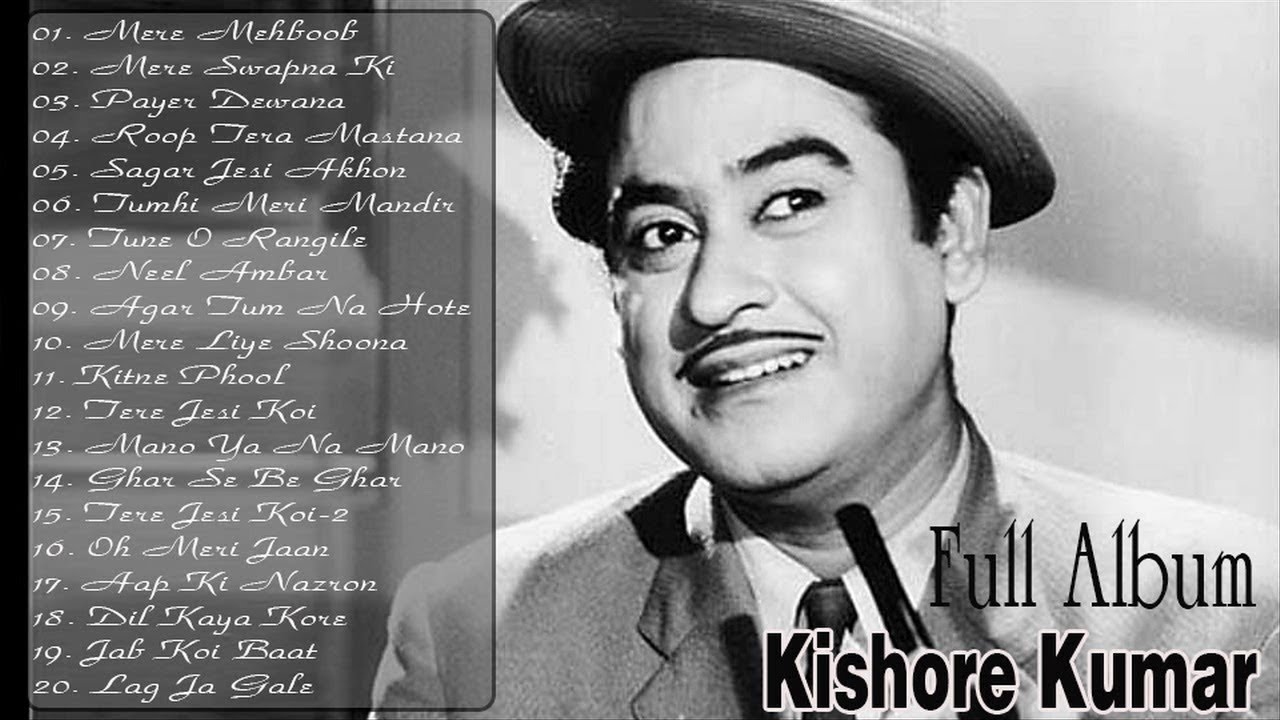
Life of Kishore Da
Kishore Kumar was a legendary Indian playback singer and actor who left an indelible mark on the Hindi film industry. He had a distinct voice and was known for his versatile singing style, which earned him a massive following among music lovers around the world. Kumar recorded thousands of songs in multiple languages, including Hindi, Bengali, and others, and won numerous awards for his contributions to Indian music and film. His songs continue to be popular even today and have inspired generations of singers and musicians.
| Timeline | Events |
|---|---|
| Early Life | Kishore Kumar was born on August 4, 1929, in Khandwa, a small town in present-day Madhya Pradesh, India. His family was associated with the entertainment industry, with his brother Ashok Kumar being a prominent actor and his other siblings also involved in the film industry. Kishore Kumar Developed an interest in music at a young age and learned to play the harmonium and the tabla. |
| 1950s and 1960s | Kishore Kumar started his playback singing career in the 1950s and initially struggled to find work as a singer. He got his big break in 1958 with the film "Chalti Ka Naam Gaadi," featuring several hit songs that Kumar sang, including "Ek Ladki Bheegi Bhagi Si." Throughout the 1960s, Kishore Kumar became one of the most sought-after playback singers in the Hindi film industry, working with top music directors such as R.D. Burman and S.D. Burman. Some of Kumar's most memorable songs from this period include "Mere Sapno Ki Rani," "Pal Pal Dil Ke Paas," and "Yeh Sham Mastani." |
| 1970s and 1980s | Kishore Kumar continued to dominate the Hindi film music scene in the 1970s; recording hit songs for films such as "Aradhana," "Amar Prem," and "Kati Patang." In addition to his singing career, Kishore Kumar acted in several films, including "Padosan" and "Half Ticket." Kumar won several awards for his singing and acting, including eight Filmfare Awards for Best Male Playback Singer and one for Best Actor. In the 1980s, Kishore Kumar's health began to decline, and he passed away on October 13, 1987, leaving behind a rich musical legacy. |
Kishore Kumar's contributions to Indian music have earned him a special place in the hearts of music lovers worldwide. His unique voice and versatile singing style continue to inspire generations of singers and musicians. Kishore Kumar's songs remain popular and are still played and enjoyed by millions of fans worldwide.
Bonus: Here are a few songs by KK that all the generations will remember.
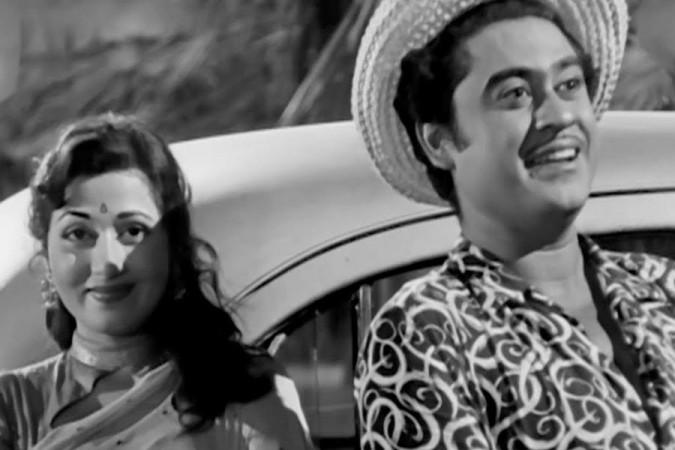
Kishore Kumar Top 50 Songs List
Kishore Kumar was a well-known figure in the Indian film business as a playback vocalist, actor, and composer for most of his career. He was involved in the Hindi cinema industry for many years. He was famous for having a voice that could cover various styles and for communicating a wide range of emotions via his singing. In this expansion, we will talk about the top classic Kishore Kumar playlist 2023, the importance of these songs, and their influence on Indian music.
Featured Songs (with Spotify links)
- Pag Ghungroo Bandh: A dramatic and rhythm-heavy song blending classical and theatrical elements. It showcases Kishore Kumar’s versatility and flair.
- Roop Tera Mastana: A bold, sensual track famous for its one-shot filming and smooth groove. It captures intense attraction with effortless charm.
- Mere Sapno Ki Rani: A lively, flirtatious song picturised on a moving train. It perfectly conveys youthful excitement and romantic pursuit.
- Pal Pal Dil Ke Paas: A soft romantic ballad expressing constant emotional connection. Its melody remains one of the most enduring love themes.
- Zindagi Ek Safar Hai Suhana: An upbeat philosophical number encouraging carefree living. It blends joy with a subtle reminder of life’s unpredictability.
- Yeh Shaam Mastani: A breezy evening romance song with a light, melodic flow. It evokes the beauty of simple romantic moments.
- O Mere Dil Ke Chain: A soothing love song with a calming, almost therapeutic quality. It reflects reassurance and emotional comfort in a relationship.
- Chingari Koi Bhadke: A deeply emotional track about heartbreak and inner turmoil. Its poetic lyrics and haunting tune make it unforgettable.
- Ek Ajnabee Haseena Se: A mysterious and charming song about unexpected attraction. It carries a sense of intrigue and fascination.
- Humein Tumse Pyaar Kitna: A powerful expression of deep, almost overwhelming love. The song highlights emotional vulnerability and devotion.
- Neele Neele Ambar Par: A dreamy romantic melody with a serene vibe. It beautifully paints the feeling of love under a vast sky.
- Khaike Paan Banaraswala: A high-energy, quirky track full of swagger and local flavour. It became iconic for its playful style and performance.
- Dil Kya Kare: A gentle romantic song exploring emotional helplessness in love. Its simplicity makes it deeply relatable.
- Gaata Rahe Mera Dil: A cheerful duet celebrating companionship and shared journeys. It radiates optimism and joy.
- Phoolon Ke Rang Se: A poetic love song comparing emotions to nature’s beauty. Its lyrics are rich and expressive.
- Rimjhim Gire Saawan: A nostalgic rain song capturing quiet romance and introspection. It perfectly evokes monsoon moods.
- Yeh Jo Mohabbat Hai: A reflective take on love’s bittersweet nature. It balances melody with philosophical undertones.
- Musafir Hoon Yaaron: A carefree anthem about wandering and freedom. It celebrates life as a journey without attachment.
- Aanewala Pal: A philosophical song about the fleeting nature of time. It encourages living in the present moment.
- Tere Bina Zindagi Se: A deeply emotional duet about incomplete love. It conveys longing and quiet acceptance.
- Mere Mehboob Qayamat Hogi: A dramatic and intense heartbreak song. It expresses despair with striking emotional depth.
- Dilbar Mere: A stylish romantic number with a confident tone. It blends passion with a modern musical feel.
- Zindagi Ka Safar: A reflective piece on life’s unpredictable journey. It carries a calm, philosophical mood.
- Kuch Toh Log Kahenge: A socially aware song urging listeners to ignore criticism. It remains relevant across generations.
- Yeh Jeevan Hai: A philosophical acceptance of life’s ups and downs. The song conveys resilience and realism.
- Ek Ladki Bheegi Bhaagi Si: A playful and flirtatious track with a light-hearted mood. It showcases Kishore Kumar’s comic timing.
- Inteha Ho Gayi Intezaar Ki: A passionate song about longing and anticipation. It builds emotional intensity effectively.
- Mere Naina Saawan Bhadon: A semi-classical song filled with deep emotion. It expresses longing through rich musical composition.
- Dream Girl (Title Song): A catchy and theatrical track with strong recall value. It reflects the charm of classic Bollywood.
- Haal Kaisa Hai Janaab Ka: A fun and conversational duet full of playful banter. It has a lively and engaging tone.
- Pyar Diwana Hota Hai: A heartfelt song about the irrational nature of love. It captures emotional vulnerability beautifully.
- O Saathi Re: A soulful expression of devotion and emotional dependence. It carries a deeply moving melody.
- Chala Jata Hoon: A cheerful, carefree song with travel vibes. It reflects a light and optimistic outlook on life.
- Meet Na Mila Re Man Ka: A spiritual and introspective track about inner longing. It blends philosophy with melody.
- Tera Mujhse Hai Pehle Ka Naata Koi: A nostalgic romantic song suggesting a timeless connection. It evokes familiarity and warmth.
- Kitne Sapne Kitne Armaan: A youthful song about dreams and aspirations. It captures ambition with emotional sincerity.
- Hum Bewafa Hargiz Na The: A painful song about betrayal and misunderstanding. It resonates strongly with emotional depth.
- Yeh Dosti Hum Nahi Todenge: An iconic friendship anthem celebrating loyalty and bond. It remains one of Bollywood’s most loved duets.
- Sara Zamana Haseeno Ka Deewana: A flashy, disco-era song with strong stage presence. It reflects a shift to modern musical styles.
- Jeevan Se Bhari Teri Aankhen: A romantic admiration of a beloved’s beauty. The song is intense yet melodious.
- Manzilein Apni Jagah Hain: A philosophical song about resilience and acceptance. It conveys strength during emotional setbacks.
- Tum Aa Gaye Ho Noor Aa Gaya: A warm romantic duet celebrating love’s transformative power. It has a soothing and uplifting tone.
- Wada Karo Nahi Chhodoge: A promise-filled romantic song about commitment. It expresses trust and emotional bonding.
- Tere Chehre Mein Woh Jaadu Hai: A magical expression of admiration and attraction. The melody enhances its dreamy quality.
- Aate Jaate Khoobsurat Awara: A playful song appreciating fleeting beauty. It has a light, flirtatious charm.
- Dil Aisa Kisi Ne Mera Toda: A deeply emotional heartbreak song. It reflects pain and emotional vulnerability.
- Nakhrewali: A fun and mischievous track with a teasing tone. It highlights youthful energy and humour.
- Koi Hota Jisko Apna: A melancholic song about loneliness and longing. It captures emotional emptiness effectively.
- Yeh Raaten Yeh Mausam: A romantic nighttime duet full of charm and intimacy. It creates a dreamy atmosphere.
- Agar Tum Na Hote: A deeply emotional song about dependence in love. It expresses how life feels incomplete without a loved one.
Why were Kishore Kumar's songs so famous?
Kishore Kumar was a well-known figure in the Indian film business as a playback vocalist, actor, and composer for most of his career. He was involved in the Hindi cinema industry for many years. His songs were easily distinguishable from those of other artists due to his one-of-a-kind singing style and voice. The popularity of Kishore Kumar's music may be attributed to a number of different factors.
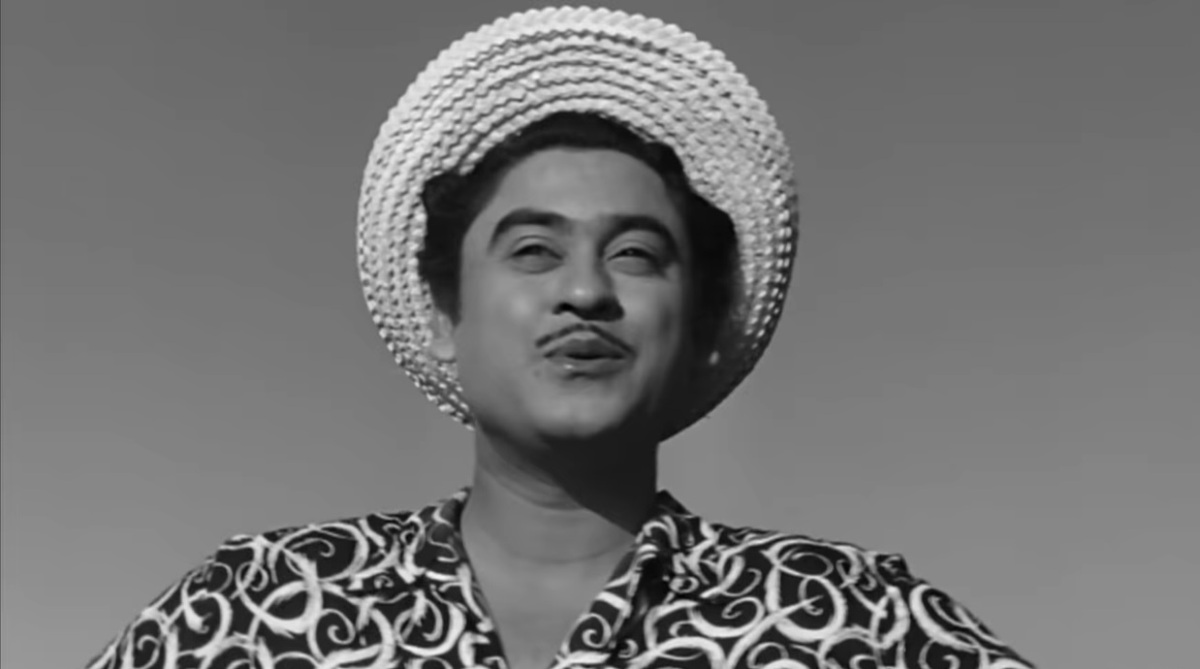
Kishore Kumar was a singer who was noted for his ability to sing a wide variety of styles. He was equally at home belting out heartfelt ballads, achingly beautiful melodies, pulsating dance numbers, and even spiritual anthems. Because of his flexibility, he became a sought-after option for diverse songs and musical styles.
Kishore Kumar's songs were famous for communicating various feelings and emotions. Through his voice, he could portray the sentiments expressed in the piece, which created a profound connection with the audience. Due to the emotional appeal of his music, several of his songs have become timeless masterpieces that listeners adore.
Kishore Kumar was active during the golden period of the Indian film business when music played an important part in movies. This was at the time when Kishore Kumar had the most success in the film industry. His music was used in some of the era's most memorable and important movies, which contributed to the widespread dissemination of his work and helped solidify his reputation as a legendary performer.
Summarise with AI:
Did you like this article? Leave a rating!


 Loading...
