
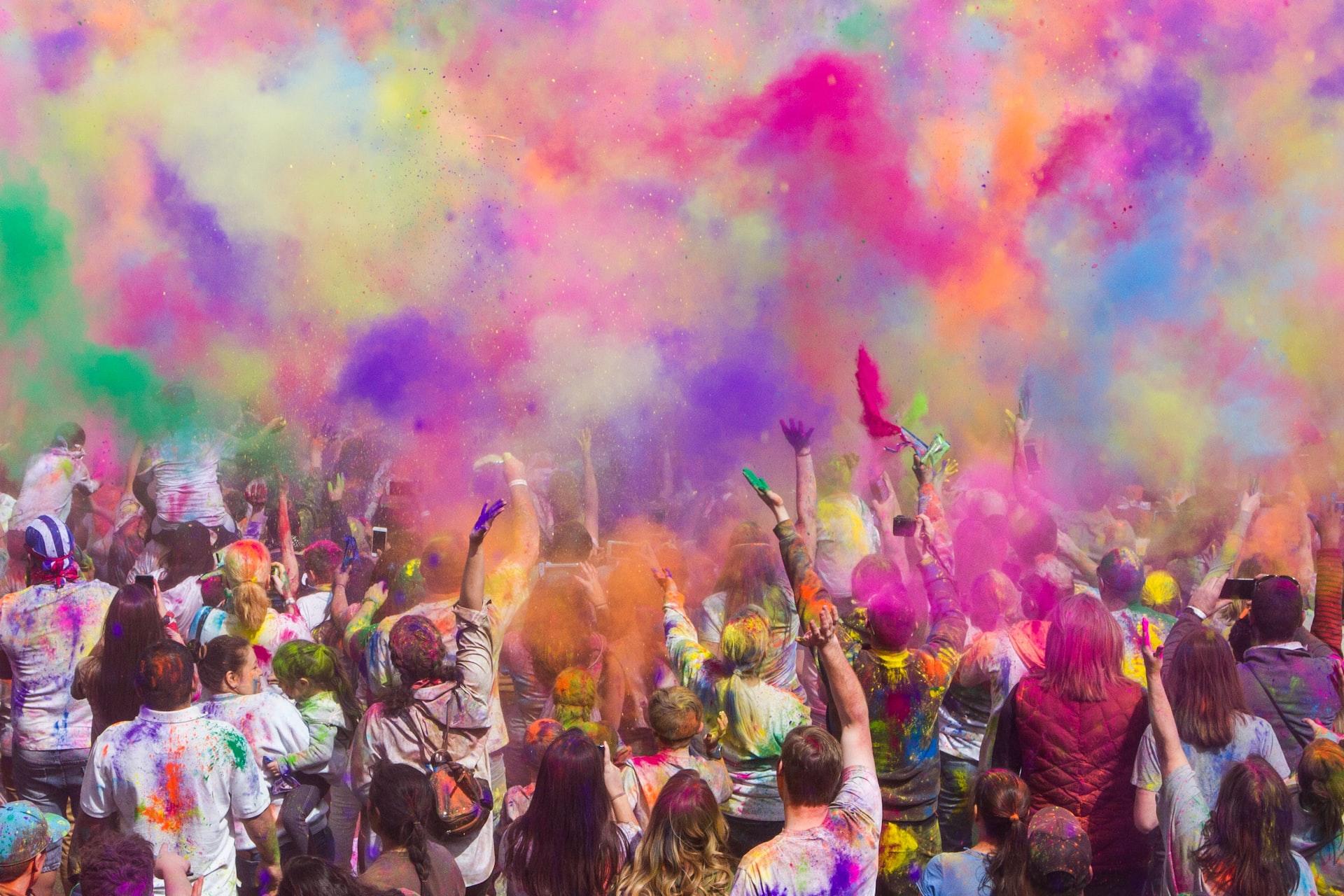

One of the best holidays in the world is Holi, often known as the festival of colors. It is observed in different ways but with the same spirit throughout India. Holi, also known as the festival of colors, is a Hindu holiday observed in India and Nepal. Although the date varies based on the Hindu Calendar, it is typically observed in March.
The festival of Holi heralds the end of winter and the beginning of spring, or Phalgun in Hindi.
On the first day, Holika, a demon from Hindu mythology, is burned in remembrance of a prosperous harvest. The following day is then celebrated in a colorful and wet manner. Holi encourages Indians to challenge age, gender, status, stereotypes, and other social standards. Men and women, the wealthy and the poor, the old and the young, get together to celebrate this event, leaving the past behind joyfully.


Holi Dos and Dont's
- Use safe colours only: Choose herbal/natural, skin-safe colours (avoid harsh “industrial” powders; pick labelled, tested products).
- Protect skin + hair first: Apply coconut/almond oil or a thick moisturiser, tie hair up, and wear old full-sleeve clothes.
- Shield your eyes and face: Wear sunglasses/clear protective glasses outdoors; if colour gets in eyes, rinse with clean water and avoid rubbing.
- Respect consent and neighbours: Ask before applying colour, avoid throwing water/balloons at strangers, and keep volume/noise considerate—especially near seniors, pets, and infants.
- Go easy on water: Prefer dry gulal, limit water balloons, and use a bucket + mug instead of a hose to reduce wastage.
- Keep food traditions simple and safe: Enjoy classics like gujiya, thandai, dahi bhalla, malpua—and eat from clean, trusted sources.
- Mind pets and the environment: Keep colours away from animals; avoid dumping colored water into gardens/drains—clean up responsibly.
- Plan basic safety: Celebrate in groups, keep phones/wallets secure, stay hydrated, and if you’re drinking bhang/alcohol, go slow and don’t drive.
Herald the beginning of the harvest season with Baisakhi!
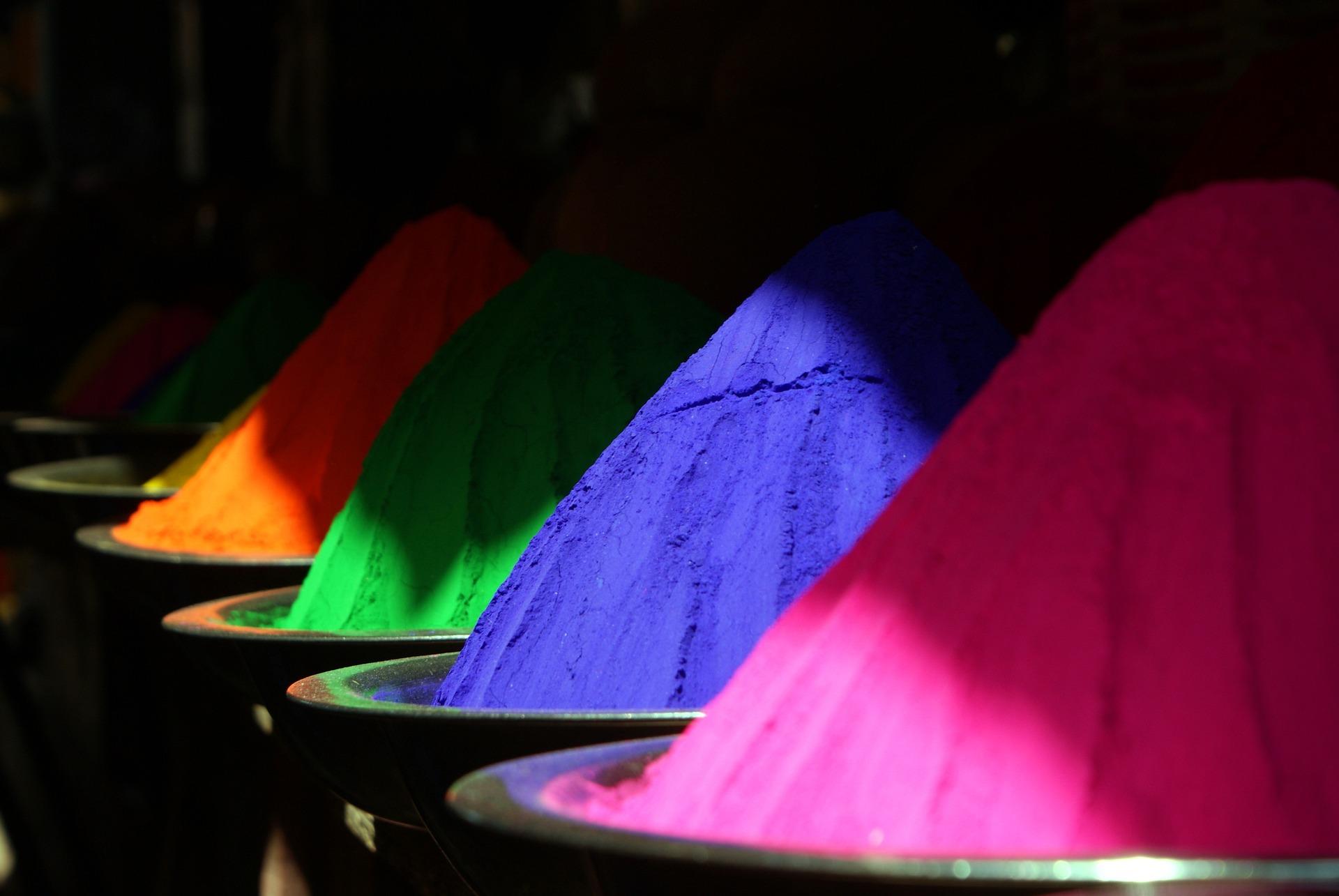
Holi Festival: The Origin
One Hindu myth claims that the demon king Hiranyakashipu became egotistical and ordered everyone in his realm only to worship him. Prahlada, his son, disobeyed him and persisted in worshipping Lord Vishnu. The boy's aunt Holika eventually deceived Prahlada into joining her on a pyre after receiving a boon that made her impervious to fire.
The flames consumed Holika, but Prahlada's devotion saved him. When Lord Vishnu finally showed up there, he killed the demon king. Holi thus commemorates Prahlada's devotion to Vishnu and his victory over his evil aunt and father.
The festival's origin story also includes the tale of Radha and Krishna. Even though Krishna loved Radha, he was embarrassed by how different their skin tones were. He painted her face the same color as his on his mother's suggestion. Due to this, during the festival, lovers frequently have their faces painted the same color.
Whatever the origin stories, the event is a sight to behold as towns and villages are covered with vibrant power paints as residents, and guests sing, dance, and consume alcohol to celebrate the victory of good over evil.
Immerse yourself in more Indian culture with online spoken Hindi classes.
How to Celebrate Holi
The name "Festival of Color" was not chosen by accident. While kids shoot water guns of various colors at one another, participants cover one another in vibrant powder paints. The festival is gorgeous, bold, and colorful in every way! Several rites are observed over the course of the two-day event.
People congregate on Holika Dahan just after dusk to sing and dance around a pyre representing good's victory over evil. They also perform puja, which are prayers that are claimed to grant those who say them powers, prosperity, and fortune. On the big day itself, which varies by location and is known as Rangwali Holi, Dhulandi, Dhulandi, Phagwah, or Badi Holi, people will likely be singing, chanting "Holi Hai", dancing, and sharing food.
Playing with Colors
The festival's most well-known feature is arguably when people paint one another. The image of festival-goers laughing while having their faces painted with vibrantly colored powders is a common representation of Holi.
Arepichkaris (water pistols) and water balloons filled with colored solutions are flung wildly among the festivalgoers as well as dry colors called abir or gulal that are particularly produced for the occasion. On this memorable day, groups of friends and family come together to participate in the massive street celebrations by singing, dancing, and playing musical instruments.
Follow all due protocols on the auspicious occasion of Eid ul Fitr.
Feasting
Food is a universal language that unites people, and during the Holi celebration, delectable delights are offered up to be enjoyed with friends and family. These include the classic Gujiyas, tasty dough-based dumplings stuffed with khoya, almonds, and dried fruits and dipped in sweet syrup to make them even more delectable. Additionally, they offered adults a strangely intoxicating beverage called Bhang Massi and Malpua pancakes fried in ghee and dusted with sugar.
Holi Parties
It's time to clean up and celebrate with friends, family, and neighbors once the powdered paint has been flung and everyone is as brilliant and colorful as possible.
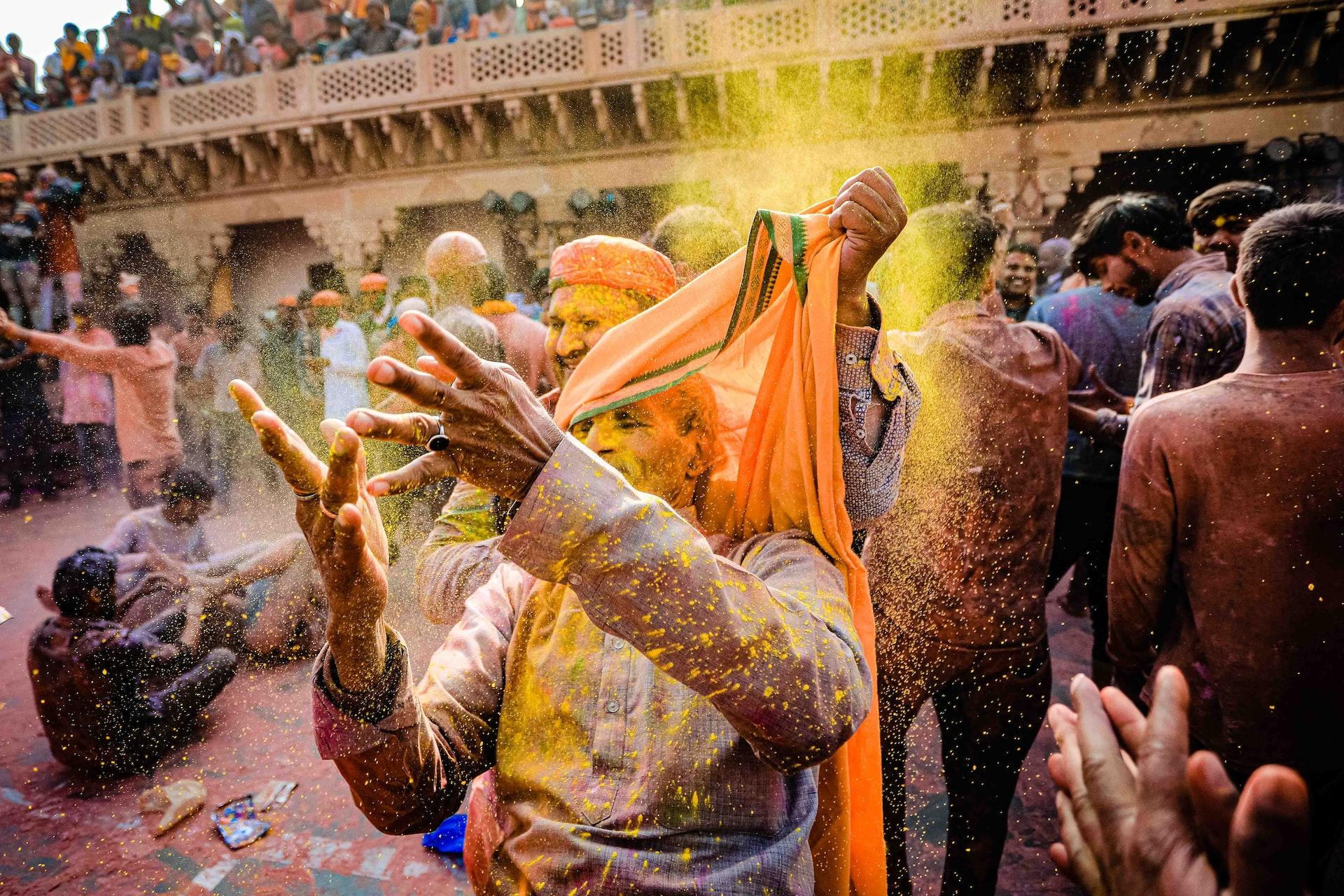
Holi Celebrations across India
Although the nation celebrates this lively and colorful holiday, some regions go above and beyond others. Holi, the festival of colors, is observed in varied ways across Indian states.
Lathmar in Uttar Pradesh
Lathmar translates to "stick beating." especially in the areas around Mathura, the birthplace of Lord Krishna. Women from the family struck their husbands and sons in celebration of Holi. And these men use shield-like things to defend themselves. All this is done for fun and not to cause physical or emotional harm to anyone.
Learn about the origins of Maha Shivratri to mark the holy day.
Shigmao in Goa
It's a spring celebration that Goa celebrates. The festival's main attractions include folk dances, street dances, and vibrant processions. Shigmotsav is yet another name for it.
Baithaki or Khadi Holi in Uttarakhand
The literal meaning of these Hindi terms is Sitting Holi or Standing Holi. This is how the Kumaon region of Uttarakhand celebrates Holi. It stands for the good harvest and the joy of good triumphing over evil. It is the ideal fusion of Kumaon's regional traditions with North India's cultural heritage.
Rang Panchami or Shimga in Maharashtra
This holiday is observed by residents of this western state, primarily Maharashtrian fishermen, for five days. The fifth day is a festive day filled with color and excitement. They take part in the festivities on a grand scale, singing, dancing, and indulging in festive foods.
Hola Mohalla in Punjab
The Sikh community holds this three-day event during the same springtime month. This event is observed in honor of and in remembrance of the valor of Sikh warriors. The phrase "the charge of an army" is called a "hola mohalla." Along with certain Punjabi folk dances and music, martial skills or acts of warfare are displayed to commemorate the occasion.
Basant Utsav or Dol Jatra in West Bengal
In West Bengal, Basant Utsav and Dol Jatra are used to celebrate Holi. It is a sign of the start of spring because "Basant" refers to spring, and "Utsav" is the holiday. Women typically wear yellow clothing on this day because it is the color of excitement. The main center of Bengali cultural wealth, Shantiniketan near Bolpur, would be the ideal location to see the Basant Utsav.
Tips for Celebrating Holi
DO's
- To play Holi, only use eco-friendly and natural colors. It's crucial to play appropriately without endangering our health or the environment.
- Drink Cautiously. On the day of Holi, when you are with your friends and in a laid-back attitude, you can easily get carried away. However, abusing alcohol or marijuana can be harmful to your health.
- Extend forgiveness and make up with your buddies that you haven't spoken to in a while. Holi is all about bringing people together, after all.
- Visit your relatives and friends now if your work demands force you to live away from your family. You also haven't seen your relatives in a while. Spend a few days celebrating Holi with your family and friends from your homeland. Use Holi as that break.
- Use water responsibly. Water is extremely valuable to humans. Use Pichkaris or water pistols rather than buckets of water if you want to play Holi with water.
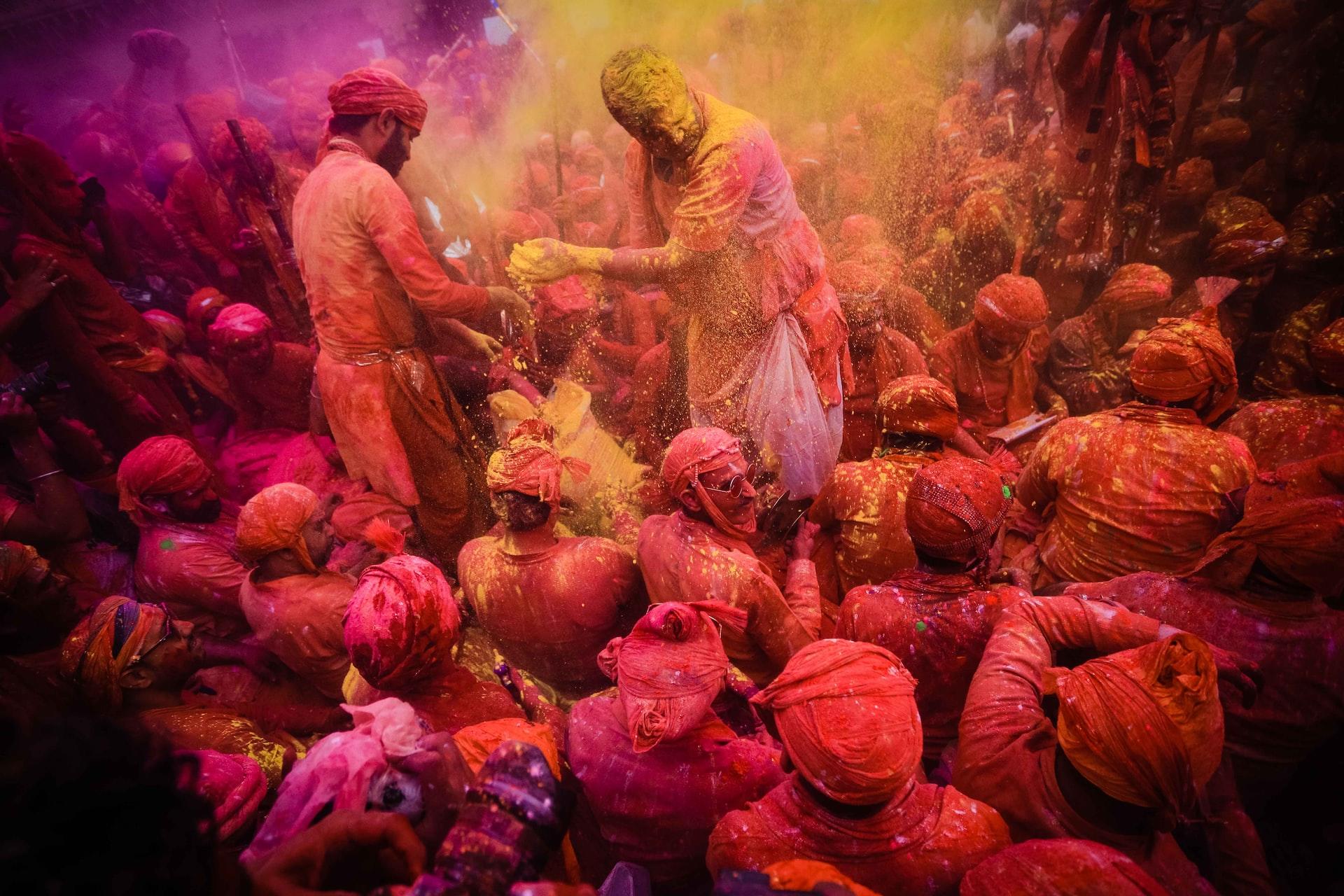
DON'T's
- Avoid driving carelessly. Do not assume that your life or the lives of others are unimportant just because it is Holi. And most importantly, never drive after drinking.
- Playing Holi with your pets and stray animals are prohibited. Unlike us, they may suffer from not knowing how to clean themselves after the celebration.
- Recognize that everyone has the right to play or not. Never coerce someone into playing Holi or coloring them without their consent. That might be enjoyable for you, but it might be harassing for them.
- Using grease, synthetic colors, and other items that can harm people's skin is prohibited. People occasionally develop chemical allergies, which can seriously harm their bodies.
- Based on Holi, refrain from harassing women and girls. All girls and women are encouraged to participate exclusively in Holi festivities with those they feel safe around.
Top 10 Most Famous Songs For Holi Celebration
Here are the top 10 most famous songs for Holi celebration:
- "Rang Barse" from the movie "Silsila"
- "Holi Khele Raghuveera" from the movie "Baghban"
- "Balam Pichkari" from the movie "Yeh Jawaani Hai Deewani"
- "Lahu Munh Lag Gaya" from the movie "Goliyon Ki Rasleela Ram-Leela"
- "Holi Re" from the movie "Kal Ho Naa Ho"
- "Holi Aayi Re" from the movie "Dil To Pagal Hai"
- "Ang Se Ang Lagana" from the movie "Darr"
- "Holi Hai" from the movie "Koi Mil Gaya"
- "Badri Ki Dulhania" from the movie "Badrinath Ki Dulhania"
- "Do Me a Favour Lets Play Holi" from the movie "Waqt: The Race Against Time"
Wish You All A Happy Holi 2026!
This year, the festival of Holi will be held on March 4, 2026, a Wednesday. Holika Dahan is performed the day before Chhoti Holi or one day before Holi. When the moon is fully visible, Holika Dahan is complete. Holika Dahan can be done on the evening of March 3, 2026.
The Holika Dahan custom makes room for the fresh by burning the old and soiled. According to legend, the heat from the flame purifies the body by eradicating microorganisms, while devotees execute Parikrama by circling the bonfire/pyre.
Learn more about culture in India with Hindi tutors on Superprof.
Summarise with AI:
Did you like this article? Leave a rating!

 Loading...
