India's rich cultural heritage is beautifully reflected in its diverse dance forms of India, each showcasing the traditions, history, and artistic expressions of its region. Broadly, these are classified into the classical dances of India and folk dances of India. While the 8 classical dances of India are recognized for their codified techniques and ancient origins, folk dances celebrate local customs, festivals, and everyday life across different communities. The following list presents the different dance forms of India with states, making it easy to explore their places of origin and unique cultural significance.
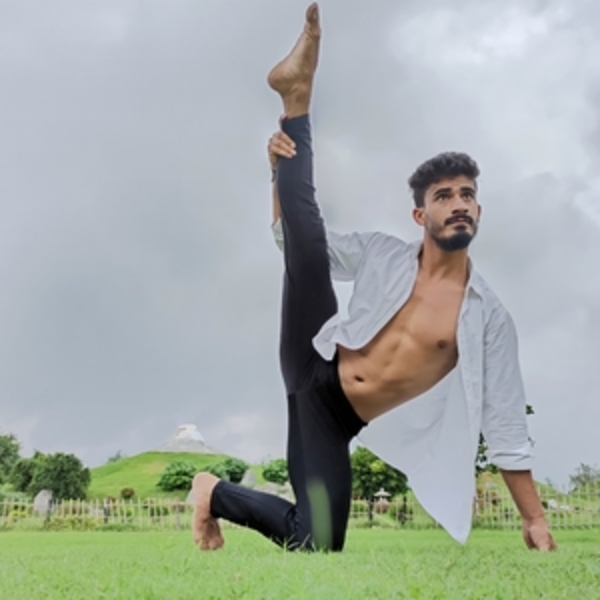
Indian classical dance is a means of expressing feelings as well as providing entertainment. They portray Indian culture's spiritual facets. Indian classical dance is a highly skilled art form with a rich history. All throughout the world, people are still enthralled and inspired by it. In this blog, familiarize yourself with the 8 prominent classical dance forms of India and be inspired to enroll in Indian classical dance classes.




Classical Dance Forms of India
| Dance Form | State/Region of Origin |
|---|---|
| Bharatanatyam | Tamil Nadu |
| Kathak | North India (primarily Uttar Pradesh) |
| Kathakali | Kerala |
| Mohiniyattam | Kerala |
| Kuchipudi | Andhra Pradesh |
| Odissi | Odisha |
| Manipuri | Manipur |
| Sattriya | Assam |
Folk Dances of India by State
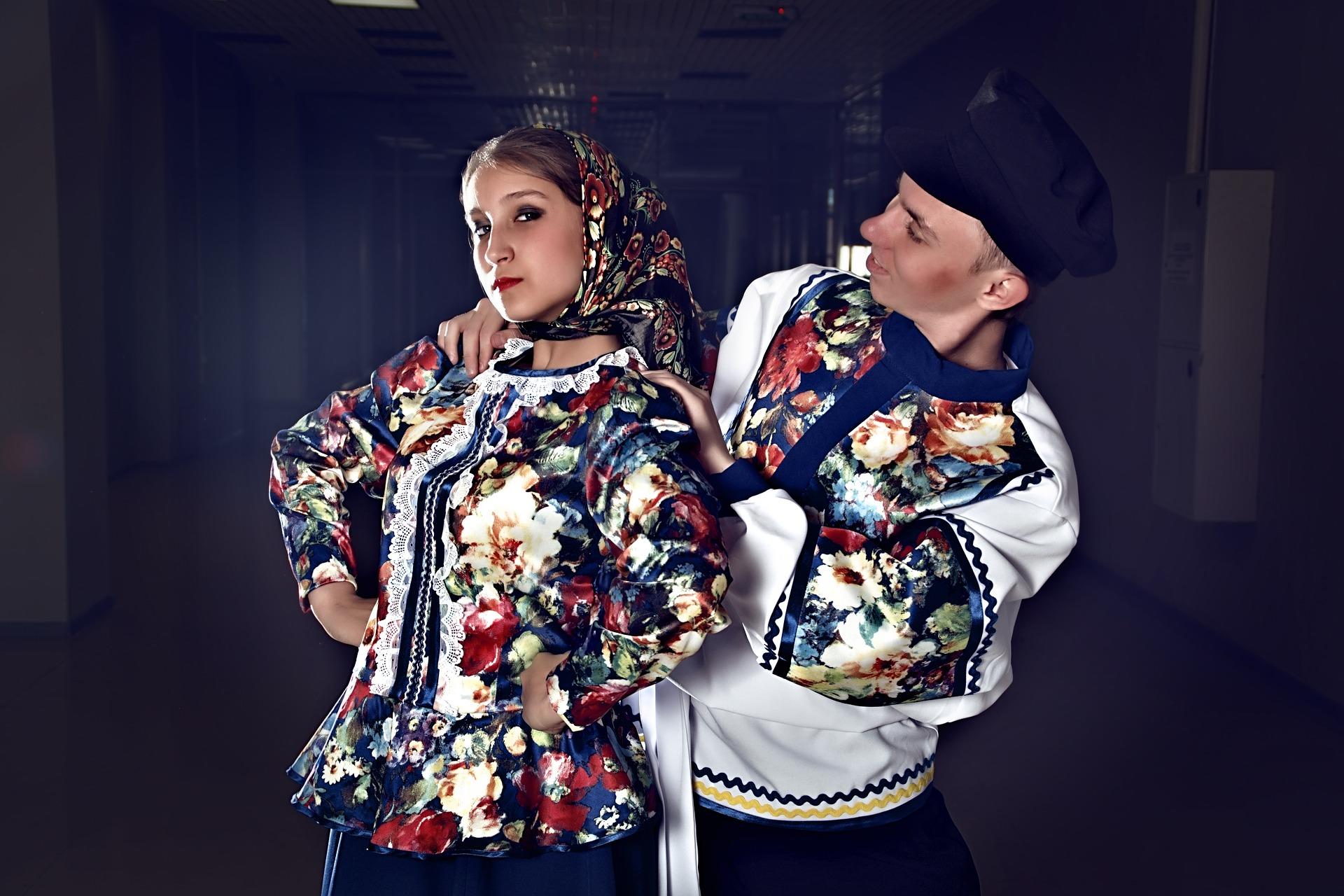
India is a land of diverse cultures, and as a result, it boasts a wide variety of folk dances that reflect the rich traditions and regional flavors of the country. Here are some notable folk dances from different parts of India:

| Dance Form | State/Region of Origin |
|---|---|
| Bihu | Assam |
| Bagurumba | Assam |
| Jhumur | Assam, West Bengal, Jharkhand, Odisha |
| Chhau | Odisha, Jharkhand, West Bengal |
| Ghumura | Odisha |
| Dalkhai | Odisha |
| Sambalpuri Folk Dance | Odisha |
| Garba | Gujarat |
| Dandiya Raas | Gujarat |
| Tippani | Gujarat |
| Ghoomar | Rajasthan |
| Kalbelia | Rajasthan |
| Bhavai | Rajasthan |
| Terah Taali | Rajasthan |
| Kachhi Ghodi | Rajasthan |
| Bhangra | Punjab |
| Giddha | Punjab |
| Kikkli | Punjab |
| Luddi | Punjab |
| Haryanvi Folk Dance | Haryana |
| Phag | Haryana |
| Dhamal | Haryana |
| Rouf | Jammu & Kashmir |
| Dumhal | Jammu & Kashmir |
| Bhand Pather | Jammu & Kashmir |
| Nati | Himachal Pradesh |
| Kinnauri Nati | Himachal Pradesh |
| Chholiya | Uttarakhand |
| Langvir Nritya | Uttarakhand |
| Raslila | Uttar Pradesh |
| Charkula | Uttar Pradesh |
| Rai | Uttar Pradesh, Madhya Pradesh |
| Nautanki | Uttar Pradesh |
| Karma | Madhya Pradesh, Chhattisgarh, Jharkhand |
| Matki | Madhya Pradesh |
| Jawara | Madhya Pradesh |
| Panthi | Chhattisgarh |
| Raut Nacha | Chhattisgarh |
| Saila | Chhattisgarh |
| Lavani | Maharashtra |
| Tamasha | Maharashtra |
| Lezim | Maharashtra |
| Koli Dance | Maharashtra |
| Dhangari Gaja | Maharashtra |
| Fugdi | Goa |
| Dekhni | Goa |
| Dhalo | Goa |
| Veeragase | Karnataka |
| Dollu Kunitha | Karnataka |
| Yakshagana | Karnataka |
| Bhootha Aradhane | Karnataka |
| Kolkali | Kerala |
| Thiruvathira | Kerala |
| Oppana | Kerala |
| Theyyam | Kerala |
| Kaikottikali | Kerala |
| Perini Shivatandavam | Telangana |
| Lambadi (Banjara) Dance | Telangana, Andhra Pradesh |
| Bonalu Dance | Telangana |
| Kolattam | Andhra Pradesh, Telangana, Tamil Nadu |
| Dhimsa | Andhra Pradesh |
| Burrakatha | Andhra Pradesh |
| Bidesia | Bihar |
| Jat-Jatin | Bihar |
| Jhijhiya | Bihar |
| Paika | Bihar |
| Jhumair | Jharkhand |
| Paika Dance | Jharkhand |
| Domkach | Jharkhand, Bihar |
| Gambhira | West Bengal |
| Purulia Chhau | West Bengal |
| Baul Dance | West Bengal |
| Brita Dance | West Bengal |
| Cheraw (Bamboo Dance) | Mizoram |
| Khuallam | Mizoram |
| Wangala | Meghalaya |
| Shad Suk Mynsiem | Meghalaya |
| Nongkrem Dance | Meghalaya |
| Hojagiri | Tripura |
| Garia Dance | Tripura |
| Singhi Chham | Sikkim |
| Yak Dance | Sikkim |
| Bardo Chham | Arunachal Pradesh |
| Ponung | Arunachal Pradesh |
| Aji Lamu | Arunachal Pradesh |
| Chang Lo (Sua Lua) | Nagaland |
| Zeliang Dance | Nagaland |
| Naga Warrior Dance | Nagaland |
| Ras Leela | Manipur |
| Thabal Chongba | Manipur |
| Lai Haraoba | Manipur |
| Cheraw | Mizoram |
| Bardo Chham | Arunachal Pradesh |
| Yak Dance | Ladakh |
| Cham Dance | Ladakh, Sikkim, Arunachal Pradesh |
Understanding Nritta, Nritya, and Natya
Nritta
Nritta is the pure dance aspect of Indian classical dance. It focuses on rhythmic movements, intricate footwork, body postures, and graceful patterns without conveying any specific story or emotion. It forms the technical foundation of many classical dances of India.
Nritya
Nritya is the expressive aspect of Indian dance that combines movement with facial expressions, hand gestures (mudras), and emotions (abhinaya) to communicate a story, theme, or sentiment. It is an integral feature of the 8 classical dances of India.
Natya
Natya is the dramatic, or theatrical, form of dance that integrates dance, music, dialogue, and acting to narrate stories, often inspired by mythology, epics, or historical events. Several dance forms of India, especially classical traditions such as Kathakali and Kuchipudi, incorporate Natya as a key element of their performances.
Bharatnatyam Dance: The Embodiment of India
With origins in Tamil Nadu, Bharatanatyam is the oldest classical dance form in India. It was once called Sadhir Attam. Bharatanatyam, a temple dance, tells stories from many Hindu texts. Modern Bharatanatyam dance embraces themes that are both secular and spiritual, as well as fusion forms.
The word "Bharata" is a mnemonic composed of the words "bha," "ra," and "ta," which stand for "bhava," which is emotion and feelings, "raga," which is melody, and "tala," which is rhythm.
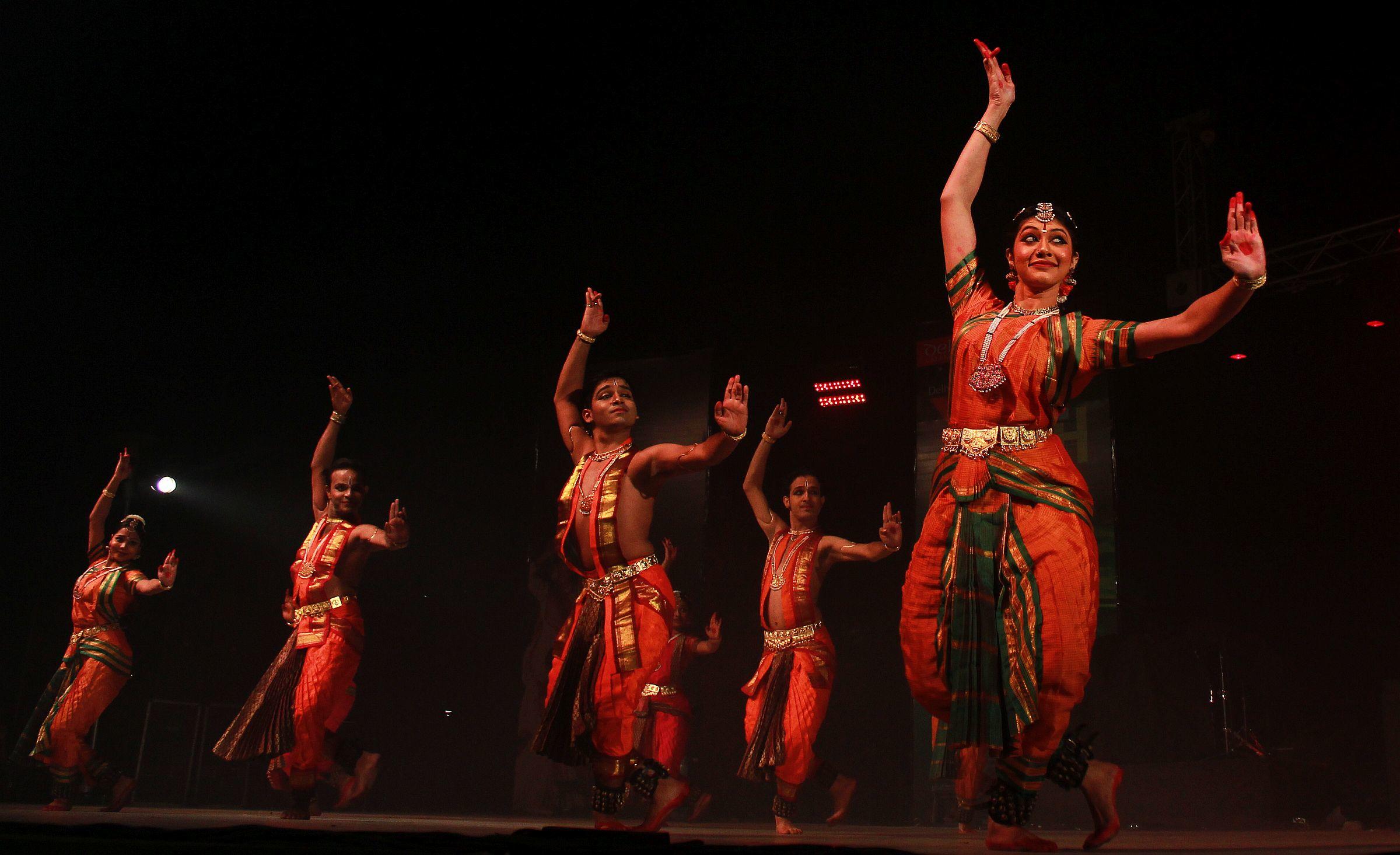
This dance style has its theoretical roots in the Sanskrit Hindu classic "Natya Shastra," an antiquated treatise on performing arts penned by Indian musicologist and theatrologist Bharata Muni. Between 200 BCE and 200 CE is likely when the first complete version of the text was completed; this range also covers 500 BCE and 500 CE. According to legend, Bharata learned about Bharatanatyam from the sage Lord Brahma, and he then wrote this sacred dance style down in Natya Shastra.
Join lively dance classes near me in Mumbai with expert teachers.
Kathak Dance: The Dance of Royalty
Uttar Pradesh is the birthplace of the traditional Kathak dance form. The technical and artistic components of Kathak have been verbally transmitted through generations as an oral heritage. Like most Indian arts, Kathak is inspired by the Guru-Shishya Parampara or teacher-disciple tradition.

The term "Kathak" comes from the Vedic Sanskrit words "Katha" (meaning "story") and "Kathakar" (meaning "the one who tells a story"). Wandering Kathakars, also known as wandering bards, told tales influenced by ancient Indian epics and mythology with dancing, singing, and music. Kathak performers communicate stories with graceful hand gestures, delicate footwork, supple body motions, and—most importantly—intense facial expressions that range in intensity.
Kathakali Dance: The Story
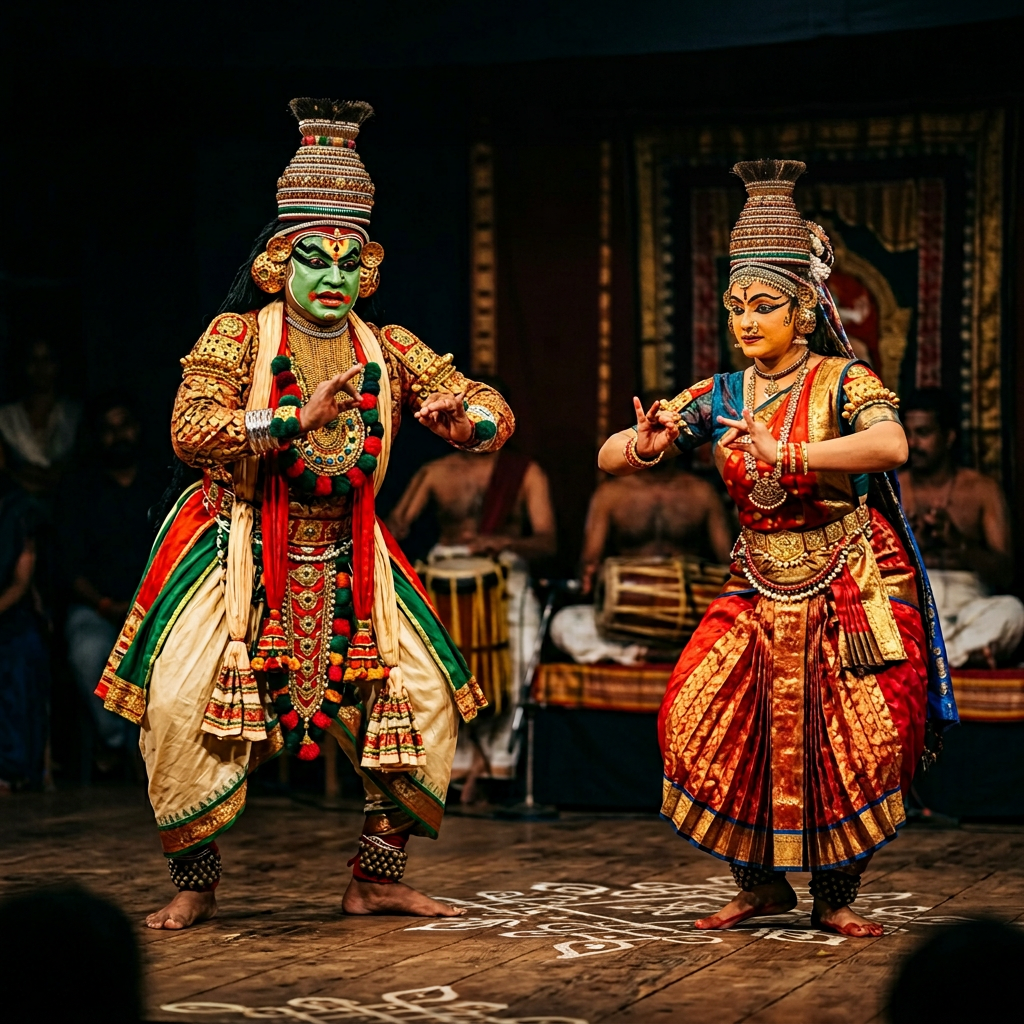
Most people agree that the Father of Kathakali is Kottarakkara Thampuran. Within this dance form, eight divisions were created, each representing a chapter of the Ramayana. This version of the Ramayana in Kathakali is called Ramanattam. Throughout history, the themes of "Kathakali" have been derived from myths, stories, religious sagas, folktales, and spiritual concepts found in the Hindu epics and "Puranas." Contemporary Indian "Kathakali" troupes have also adapted stories from well-known authors, such as Christian legends and William Shakespeare. Another alteration to the contemporary "Kathakali" is the inclusion of women in the organization, which was previously exclusively composed of men.
Practice Kathakali dance with a professional teacher with dance classes in Chennai.
Odissi Dance: The Temple Dance
Legend has it that Lord Jagannatha loved to hear the lovely lyrics from Jaidev's Gita Govindam. At the Jagannatha Temple in Puri, these lyrics were repeated in front of him to appease him. Thus, the same verses provided the basis for the melody of the Odissi dance. One of the oldest classical dance forms continuously practised in the country, Odissi dance has its roots in the temples of Odisha from the second century BCE.

The history of Odissi is the same as that of other traditional Indian dance forms. It is believed that the celestial orb was abandoned by the ancient dancing forms. The positions, facial expressions, and dance routines of the dancers were heavily inspired by the Tandav Nritya performed by Lord Shiva and the dance performed by Lord Vishnu in his Mohini Avatar. Archaeological evidence from the temples of Bhubaneswar, Konark, and Puri, as well as the Manchapuri caves in Udayagiri, Hathigumpha, which have inscriptions from the first or second century BCE, lend credence to this statement.
Manipuri: The Dance Theater
The first documented account of Manipuri dance dates back to the second century AD, on a copper-plate inscription that credits a certain ruler with introducing drums and cymbals. They remain the main source of musical accompaniment. Dance took on new meanings and themes when Krishna bhakti arrived in Manipur in the fifteenth century. The traditional bhakti poetry served as the main source material for Manipuri raas leela, a type of dance theatre centered around devotion.

Maharaja Bhagyachandra, who ruled from 1759 to 1798, wrote three of the five categories of raas leela. He also designed the distinctive dancing costume, which is still a distinguishing feature of the Raas Leela heritage. The Manipuri dance textbook, Govindasangeet Lila Vilasa, is attributed to him as well. In the 19th century, two more Maharajas made additional contributions to the repertory.
Kuchipudi Dance: An Andhra Gem
Particularly connected to Kuchipudi is the Bhagavathalu, a group of vagrant actors who toured from village to village presenting plays and dances inspired by Hindu mythology. The dance genre known as Kuchipudi got its name from the village in Andhra Pradesh where it was believed that the artists came from. As the Bhagavathalu continued to perform and develop their art, Kuchipudi began to emerge as a distinct dance genre with its own flair and skill.
In the 15th century, Kuchipudi was strongly influenced by the well-known poet and musician Siddhendra Yogi. He is credited with transforming the dance from a crude folk art into a refined and exquisite classical dance form. Furthermore, a number of plays and dance dramas written by the unquestionably first acknowledged Kuchipudi dance master, Siddhendra Yogi, remain staples of the Kuchipudi repertory.
Learn how to practice Kuchipudi dance and more with dance classes in Gurgaon.
Mohiniyattam Dance: Grace Personified
In the Puranic epic Mahabharata, Lord Vishnu took on the form of Mohini to lure and trick Asuras, creatures that revolted against the gods. According to many stories, Lord Vishnu, also called Mohini, seduces and subdues her enemies with her beauty and slyness. Mohiniyattam originates from the writings of Bharata Muni. The Natya Shastra, the first extensive compilation of texts describing the Mohiniyattam dance, was completed around 200 BCE.
The book explains the essential elements of the two classical dance forms: Parvati's graceful, calm, and exquisite Lasya dance and Shiva's vibrant and intense Tandava dance. Mohiniyattam is more like the description of the structure and intent of the Lasya dance found in the Natya Shastra literature. This dancing technique was brought back into vogue with the ascension of Swati Tirunal to the throne in 1829 and her endeavours to promote the fine arts generally. During this time, Vadivelu composed an appropriate repertory, which included the Chollukettu, an invocation that starts with a prayer to Shiva and concludes with a sacrifice to the goddess Bhagavati. This was the beginning of Mohiniyattam's development.

Modern Mohiniyattam is still based on the ideas of the medieval past. It has graceful, flowing movements without abrupt jumps or jerks. Lasya's depiction of feminine actions as delicate and exquisite is consistent with this. Mohiniyattam's modern guidelines have deliberately left out any gestures that can be interpreted as impolite or rude. Today, Mohiniyattam is defined by the book Balaramabharatam, written by scholar and king Karthika Thirunal Bala Rama Varma.
Sattriya: A Unique Folk Dance
Sattriya, an Indian traditional dance, has its origins in Bharata Muni's old theater and music, especially his Natya Shastra. The first full collection of artifacts spans the years 200 BCE–200 CE. However, estimates range from 500 BCE to 500 CE. Sankaradeva, who is credited with introducing drama and expressive dancing (nritta and nritya) as a form of collective devotional art for fervent devotion to Krishna, arranged the dance in the 15th century. In the latter half of the 1800s, Sattriya Nritya was born. This type of dancing started out in monasteries before becoming well-liked in cities.
The stringent austerities and devotions of the Sattras persisted far into the early 19th century. Male dancers alone do this dance in a very committed and spiritual manner. There could be a number of reasons why Sattriya Nritya's acceptance and acknowledgment are taking so long.

One of the key benefits of following the sattras' instructions has been the capacity to preserve its original form and unique appearance. After being named one of India's ancient dance forms by the Sangeet Natak Akademi, Sattriya became well-known and well-liked.
Chhau: A Living Tradition
The name Chhau comes from the Sanskrit phrase Chaya, which means shadow or picture. Some people link the name's etymology to the Odian term Chhauni, which means armour and stealth, and the Sanskrit word Chadma, which suggests disguise. Famously, the Chhau dance portrays battle scenes, stories, heroes, and the concept of dharma, which is an essential element of war itself. The stories contained in Indian mythology like the Ramayana and the Mahabharata are among them.
Some say that the word "Chau" is a dialect for the forehead, eyes, nose, cheeks, lips, and chin, which are the six features of the face. Every one of the six facial components is considered to be present in a mask. The reason the dance is called "Chhau Dance" is that it is done while a mask is on. According to a different school of thinking, the word "Chhau" comes from the Sanskrit word "Chabi," which means "picture." Some say that the dance is called Chhau dance because of its diversity; hence, the name "Chhau" means "picturesque" in English and "Chabila" in Sanskrit. According to new theories, the word "Chhau" is a mispronunciation of the military barracks or cantonment "Chhauni."
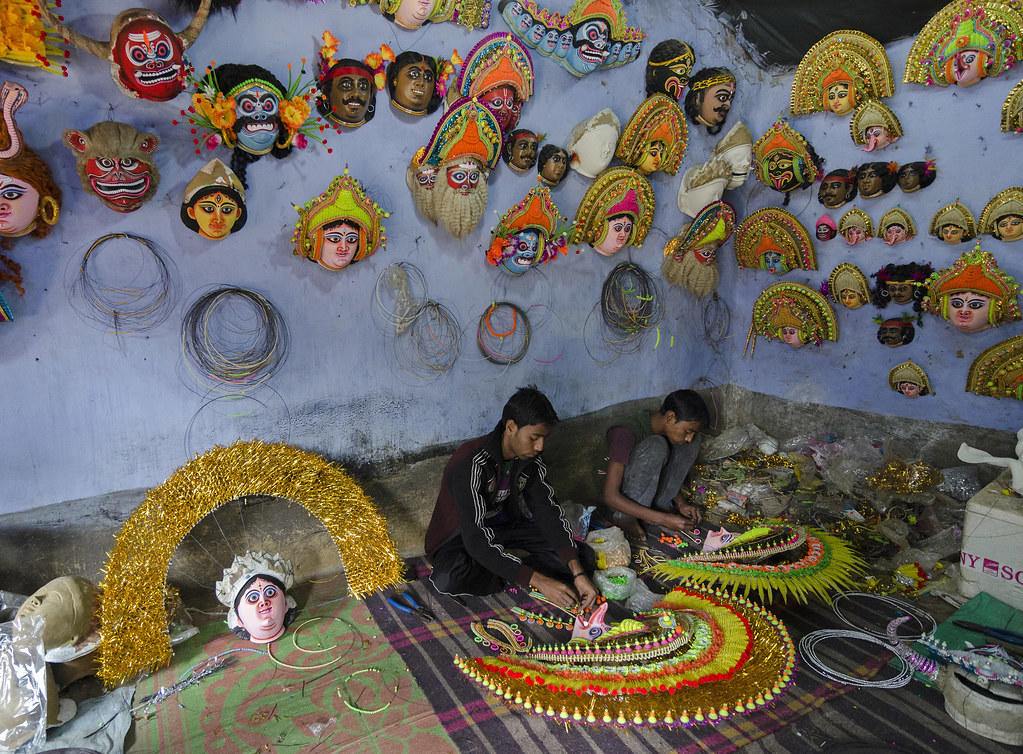
The Purulia Chhau dance is a popular production that is not restricted by the efforts or financial support of one individual. Unquestionably, a pioneer created a certain system that is still in use today. The history of the Purulia Chau dance is quite old. Orthodox Brahmins were imported from the interior of West Bengal, Bihar, and Odisha. In addition, Hindu image producers were included. The image-makers selected by the Raja of Bagmundi devised the technique for making the masks for the Chhau dance after moving here.
Learn how to perform Chhau and other Indian dances with dance classes in Bangalore.
Summarise with AI:
Did you like this article? Leave a rating!

 Loading...