

The word for animal in Hindi is जानवर (jaanavar). Other synonyms include पशु (paśu), प्राणी (prāṇi), and जंतु (jantu)
As Hindi and English mingle in everyday life across India, knowing animal names in both languages gives you a quick boost in vocabulary and confidence. From pets (dogs, cats, rabbits) to farm and wild animals (cows, buffaloes, tigers, elephants) and even birds, insects, and aquatic creatures, these words pop up in school assignments, casual conversations, travel, stories, and news. If you’re just getting started with Hindi, learning animal names is a friendly way to build momentum—because they’re concrete, memorable, and fun to practice aloud.
In Hindi, the most common word for “animal” is जानवर (jānvar/jānawar). You’ll also hear पशु (paśu) in formal or textbook contexts, as well as प्राणी (prāṇī) and जंतु (jantu) in science and literature. Mastering a small set of high-frequency animal names will help you form simple sentences, ask and answer questions, and understand references in everyday speech and media. To get you rolling, here’s a quick reference with 10 of the most common animals—each with its Hindi name and an easy pronunciation guide:
- Dog — कुत्ता — kut-tā
- Cat — बिल्ली — bil-lī
- Cow — गाय — gāy (“guy”)
- Buffalo — भैंस — bhains (nasal “n”)
- Goat — बकरी — ba-ka-rī
- Horse — घोड़ा — gho-ṛā (“gho-ra”)
- Elephant — हाथी — hā-thī
- Tiger — बाघ — bāgh (“baag(h)”)
- Lion — शेर (also: सिंह) — sher (alt. singh)
- Monkey — बंदर — ban-dar
Notes for learners:
- In everyday speech, शेर (sher) is used for “lion,” while सिंह (siṁh/singh) appears in formal/literary contexts and names.
- घोड़ा (ghoṛā) has a flapped/retroflex ṛ sound (like the “tt” in some American pronunciations of “butter”).
- भैंस (bhains) has a nasal vowel; lightly hum the “n” without fully closing your tongue.
- Pronunciations here are approximations—native accents vary by region.
With those essentials in place, you’ll find it much easier to navigate longer lists by category. Below, we’ll organize animals into Pets, Farm Animals, Wild Animals, Aquatic Animals, plus Birds & Reptiles. We’ll also touch on helpful grammar notes (gender, plurals), a few body-part words (like “tail,” “hoof,” and “trunk”), and even some idioms that keep popping up in conversations and media.


Names Of Animals In Hindi And English: Basic Vocabulary
Every noun and pronoun in Hindi has a gender assigned to it. (masculine or feminine). You'll notice that depending on the gender of the animal in question, many of the animal nouns in our list have both a masculine and a feminine form. Let us look at some basic animal name vocabulary for Hindi to English.
“Animal” = जानवर (jaaNavar)
More popular in daily use
“Animal” = पशु (pa-shoo)
Very formal, mostly used in textbooks
“Mammals” = स्तनधारी (STaNaDHaarii)
“Domestic”= पालतू (paaL- T00)
“Pet” = पालतू (paaL- Tuu or too)
“Wild” = जंगली (jang-Lee)
“Bird” = चिड़िया (cidiyaa)
“Aquatic” = समुद्री (Samu- Drr)
“Bugs” / “Insects” = कीड़ा / कीड़े (kiidaa / kiide)

Animal Name In Hindi & English by Category
Pets
In India, dogs and cats are the most widely owned pets. We also have a lot of stray dogs, which are frequently fed leftover meat, bread, chapatis mashed in milk, and other things in Indian culture.
Here are some of the pet animals and their names in Hindi and English.
| Animal Name in English | Animal Name In Hindi |
|---|---|
| “Male cat” | बिल्ला (biLLaa) |
| “Female cat” | बिल्ली (biLLii) |
| “Male dog” | कुत्ता (kuTTaa) |
| “Female dog” | कुतिया (kuTiyaa) |
| “Male mouse” | चूहा (cuuhaa) |
| “Female mouse” | चुहिया (cuhiyaa) |
| “Rabbit” | ख़रगोश (kharagos) |
| “Squirrel” | गिलहरी (giLaharii) |
| “Guinea pig” | गिनी पिग (giNii pig) |
Most Common Pet Animals In India

Farm Animals
In India, cows, buffaloes, chickens, and goats are the most common farm animals. Horses, donkeys, and sheep are common in mountainous areas. While some of these animals are raised primarily for their meat, others are domesticated for their milk and for carrying objects. Here’s a list of the most common farm animals in Hindi and English:
| Animal Name in English | Animal Name In Hindi |
|---|---|
| “Cow” | गाय (gaay) |
| “Buffalo” | भैंस (bhainS) |
| “Horse” | घोड़ा (ghodaa) |
| “Donkey” | गधा (gaDHaa) |
| “Duck” | बत्तख़ (baTTakh) |
| “Hen” | मुर्ग़ी (murgii) |
| “Rooster” | मुर्ग़ा (murgaa) |
| “Pig” | सुअर (Suar) |
| “Female goat” | बकरी (bakarii) |
| “Male goat” | बकरा (bakaraa) |
| “Sheep” | भेड़ (bhed) |
Just like animal names, learning Hindi number names helps in everyday conversation.
Wild Animals
India features a variety of landscapes. That explains the wide variety of animal species seen throughout the nation. The most well-known wild animal names in Hindi and English are as follows:
| Animal Name in English | Animal Name In Hindi |
|---|---|
| “Lion” | शेर (ser) |
| “Lioness” | शेरनी (serNii) |
| “Tiger” | बाघ (baagh) |
| “Tigress” | बाघिन (baaghiN) |
| “Male elephant” | हाथी (haaTHii) |
| “Female elephant” | हथिनी (haTHiNii) |
| “Fox” | लोमड़ी (Lomadii) |
| “Bear” | भालू (bhaaLuu) |
| “Wolf” | भेड़िया (bhediyaa) |
| “Male monkey” | बंदर (baNDar) |
| “Female monkey” | बंदरिया (baNDariyaa) |
| “Deer” | हिरण (hiran) |
| “Hippopotamus” | दरियाई घोड़ा (Dariyaaii ghodaa) |
| “Giraffe” | जिराफ़ (jiraaf) |
| “Frog” | मेंढक (mendhak) |
| “Male camel” | ऊँट (uunt) |
| “Female camel” | ऊँटनी (uuntNii) |
| “Mongoose” | नेवला (NevaLaa) |
| “Bat” | चमगादड़ (camagaaDad) |
| “Owl” | उल्लू (uLLuu) |
| “Leopard” | तेंदुआ (TenDuaa) |
| “Jackal” | सियार (Siyaar) |
| “Panther” | तेंदुआ (TenDuaa) |
| “Hyena” | लकड़बग्घा (Lakadabagghaa) |
Aquatic Animals
Nothing less than a mystery surrounds the worlds that exist under our seas and other waterbodies. The variety of fish and other aquatic creatures powerfully piques our curiosity. Let's learn how to say the Hindi names of these well-known animals!
“Shark” = हाँगर (haangar)
“Dolphin” = सूंस (SuunS)
“Octopus” = अष्टबाहु (astabaahu)
“Fish” = मछली (machaLii)
“Turtle” / “Tortoise” = कछुआ (kachuaa)
“Whale” = व्हेल (vheL)
“Starfish” = तारामीन (TaaraamiiN)
“Jellyfish” = जेलीफ़िश (jeLiifis)
“Prawns” = झींगा मछली (jhiingaa machaLii)
“Seahorse” = समुद्री घोड़ा (SamuDrii ghodaa)
“Sealion” = जलसिंह (jaLaSinh)
“Oyster” = सीप (Siip)
“Starfish” = तारामीन (TaaraamiiN)
Learn more with the help of Hindi tutors here on Superprof!
Bugs and Insects
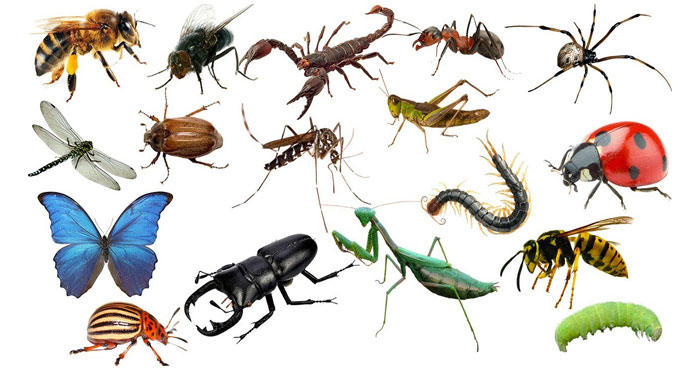
You will undoubtedly occasionally come across bugs and insects, whether you like them or not. Many find these creatures fascinating and vibrant, while others find them frightening and unsettling. Learning the Hindi names of some common bugs won't hurt you, no matter which side you're on!
“Ant” = चींटी (ciintii)
“Honeybee” = मधुमक्खी (maDHumakkhii)
“Spider” = मकड़ी (makadii)
“Housefly” = मक्खी (makkhii)
“Butterfly” = तितली (TiTaLii)
“Mosquito” = मच्छर (macchar)
“Insect” = कीड़ा (kiidaa)
“Grasshopper” = टिड्डा (tiddaa)
“Cricket” = झींगुर (jhiingur)
“Caterpillar” = इल्ली (iLLii)
“Earthworm” = केंचुआ (kencuaa)
“Cockroach” = तिलचट्टा (TiLacattaa)
“Snail” = घोंघा (ghonghaa)
Birds and Reptiles
Some of the most common birds and reptiles that live in the wild and around us are included in this category. Some of them, including chameleons, lizards, and sparrows, even reside in our gardens and homes.
“Birds” = चिड़िया (cidiyaa)
“Eagle” = चील (ciiL)
“Parrot” = तोता (ToTaa)
“Cuckoo” = कोयल (koyaL)
“Goose” = हंसिनी (hansiNii)
“Gander” = हंस (hans)
“Myna” = मैना (maiNaa)
“Pigeon” = कबूतर (kabuuTar)
“Sparrow” = गौरैया (gauraiyaa)
“Crow” = कौवा (kauvaa)
“Dove” = सफ़ेद कबूतर (SafeD kabuuTar)
“Woodpecker” = कठफोड़वा (kathfodwa)
“Weaverbird” = बया (bayaa)
“Vulture” = गिद्ध (giDDH)
“Kite” = चील (ciiL)
“Hawk” = बाज़ (baaz)
“Crocodile” = मगरमच्छ (magaramacch)
“Lizard” = छिपकली (chipakalii)
“Tortoise” = कछुआ (kachuaa)
“Snake” = साँप (Saanp)
“Alligator” = घड़ियाल (ghadiyaaL)
“Chameleon” = गिरगिट (giragit)
Animal Body Parts in English and Hindi
If you're interested in studying animals, understanding an animal's body parts in Hindi is just as crucial as knowing its name. So, what words in Hindi are used to describe various animal body parts? Let's explore!
“Wing” / “Feather” = पंख (pankh)
“Tail” = पूंछ (puunch)
“Hoof” = ख़ुर (khur)
“Claw” = पंजा (paNjaa)
“Trunk” = सूंड (Suund)
“Tusk” = हाथी-दांत (haaTHii-DaanT)
“Stinger” = डंक (dank)
“Scale” = शल्क (saLk)
“Spine” = काँटा (kaantaa)
“Fin” = मछली का पर (machaLii kaa par)
“Horn” = सींग (Siing)
Different Sounds of Animals
It's time to learn the many animal sounds in Hindi. Even while they might appear a little challenging right now, with practice, you'll quickly become an expert.
“To growl” = गुर्राना (gurraanaa)
“To bark” = भौंकना (bhaunkanaa)
“To roar” = दहाड़ना (DahaadaNnaa)
“To chirp” = चहचहाना (cahacahaanaa)
“To bellow” = चिंघाड़ना (cinghaadanaa)
“To croak” = टरटराना (tarataraanaa)
“To buzz” = भनभनाना (bhanabhanaanaa)
“To hum” = गुनगुनाना (gungunaanaa)
“To moo” = राँभना (raambhaanaa)
“To neigh” = हिनहिनाना (hinhinaanaa)
Most Commonly Used Animal Idioms [with English Translation]
You can sound more authentic by noticing how frequently animals are referenced in the idioms and slang of native Hindi speakers. Although their exact translations are far from their underlying meanings, this is what makes these idioms so much fun to study.
पेट में चूहे कूदना
“Mice jumping in the stomach”
Starving or feeling very hungry
बलि का बकरा
“A goat for sacrifice”
To become the scapegoat
शेर की खाल में भेड़िया
“A wolf in the skin of a lion”
A person who is trying to act courageous, but is not
गधे के सर से सींग ग़ायब होना
“Like a donkey whose horns vanish”
To disappear like it was never there
गीदड़ भबकियाँ
“Jackal growling”
False threats
बकरे की माँ कब तक ख़ैर मनाएगी
“How long will the goat’s mother pray for the life of its goat-child”
Trouble cannot be averted forever.
ऊँट के मुँह में ज़ीरा
“Feeding a camel with cumin seeds”
Providing a negligible amount where a lot is actually needed
खिसियानी बिल्ली खंबा नोचे
“An embarrassed cat attacking and biting a pole”
When embarrassed or defeated, a person tries to take it out on something else.
सौ चूहे खा के बिल्ली हज को चली
“After eating hundreds of mice, the cat is finally going on a religious trip.”
Being a hypocrite
चूज़ा
“Chicken”
Somebody too easy to handle, especially in aggressive or violent situations
गधा
“Donkey” / “Ass”
A totally stupid person
Not only can learning Hindi animal names help you increase your vocabulary, but it can also give you a deeper understanding of Indian culture and its close relationship with animals. Additionally, understanding these words will make it simpler for you to start a conversation with just about anyone, as everyone has a great interest in animals, whether or not they are animal lovers.
Religion places a strong emphasis on animals. This means that understanding Hindi animal names will make it simpler for you to initiate interactions with people who speak the language naturally. In India, dealing with several unexpected animal encounters is part of daily life.
Although it may seem unusual, it's not uncommon to see stray cows and dogs wandering the streets and roadways. The locals also happen to be completely fine with it. Cows, bulls, and other cattle are also rather common in India because farming is the nation's main industry. Particularly, in villages and rural areas, this is the case.
Learn more words in Hindi with Hindi classes online.
Summarise with AI:
Did you like this article? Leave a rating!


 Loading...
Most beautiful memories and help to learning and writing
Thank you for your kind words.