


History is a science in and of itself and like most if not all scientific fields, History is divided into many more sub-categories, each specifically studying a period of Human history or a specific region of the world.
If you are studying for a History degree or you are already an undergraduate aiming for a bachelor, you will most likely study many though not all, aspects of History. Each angle of study of history offers unique benefits to your future career prospects.
Different Types of History
India has an extremely rich and diverse culture. What you may have read in your Class 10 history books—from the Battle of Panipat to the great achievements of Chhatrapati Shivaji Maharaj—is only a glimpse of the larger field of history.
To better understand the subject, here’s a quick timeline of the main historical periods with approximate dates:
| Type of History / Period | Approximate Timeline | Highlights |
|---|---|---|
| Prehistory | Until c. 3000 BCE | Human evolution, stone tools, cave paintings (e.g., Bhimbetka in India). |
| Ancient History | c. 3000 BCE – 500 CE | Indus Valley Civilization, Vedic Age, Maurya & Gupta Empires, Roman Empire, Ancient China. |
| Medieval History | c. 500 CE – 1500 CE | Rise of Islamic empires, Delhi Sultanate, Mughal Empire beginnings, feudal Europe, Viking Age. |
| Early Modern History | c. 1500 CE – 1800 CE | Study of art, architecture, literature, and performing arts (e.g., Ajanta caves, Bharatanatyam, Mughal miniatures). |
| Modern History | c. 1800 CE – Present | Renaissance, Age of Discovery, Reformation, powerful kingdoms in India, and early colonialism. |
| Art & Cultural History | Across all periods | Study of art, architecture, literature, performing arts (e.g., Ajanta caves, Bharatanatyam, Mughal miniatures). |
| Historiography | Ongoing | Study of how history itself has been written and interpreted. |
Who Are Historians?
Historians are professionals who study and interpret the past through the analysis of historical documents, artifacts, and other sources. They aim to understand and explain the events, people, and societies of the past, and to offer insights into how they have shaped the present.
With the rise of civilisations, not in one unique location on the planet but everywhere man had settled, many different cultures emerged across the globe. Each of these cultures possesses their own history, often written down by local historians but frequently passed from a generation to the other through oral tradition.
Not only history is divided chronologically and geographically, but some fields of history also study specific subjects of Human culture, such as:
- Political history, which studies the story of government, political leaders, elections, policies and the interaction between the different branches of government
- Diplomatic history, which studies the relations between countries, ambassadors, and ideas of diplomacy
- Social history, which studies the ways and customs of a people, of families and children, education, as well as demography, and social institutions such as churches.
- Cultural history, which studies languages and their uses, the arts including literature, sports and other entertainments and the way they participate in constructing cultural identities
- Economic history, which studies how a whole system of production and consumption (or of any of its parts) works, of businesses, industry, banks, and working classes at all levels of the system
- Intellectual history, which studies ideology and epistemology and works to analyze how ideas affect human lives and how the material world influences human ideas.
There is much more than that still. There is even a field of History called Historiography, which is the history of history. Instead of subjecting actual events - say, the conquest of England by William, Duke of Normandy - to historical analysis, the object of historiography is the history of the history of the event: how it has been written, the often conflicting bias pursued by those writing about it through time, and the way in which such circumstances shape our understanding of the actual event in question, and of the nature of history itself.
Questions of historiography include the following:
- who writes history, what was their agenda, and towards what goal?
- how reliable can a historian ever aspire to be, interpreting past events from the point of view of the historian's present?
- what about the sources a historian choose to include in their work or purposefully exclude?
To keep it simple we will only look at the main groups of history, Ancient, Postclassical and Modern as well as Art History.
See some important information about history tuition here.





3 Types Of History
History, as a discipline, can be categorized into various types based on its focus, scope, and methodologies. Here are three main types of history:
- Political History: Political history is perhaps the most traditional and well-known form of history. It primarily examines the evolution and dynamics of political systems, institutions, and the exercise of power over time.This type of history delves into the lives of rulers, leaders, and statesmen, along with the events and decisions that shaped nations and societies. Political history explores the rise and fall of empires, the formation of governments, the creation of laws, and the impacts of political ideologies. It provides insights into how political structures have influenced societies and how various societies have shaped their political landscapes.
- Social History: Social history focuses on the lives and experiences of ordinary people, shedding light on the daily routines, customs, traditions, and cultural practices of different communities throughout history. Rather than solely focusing on political events or elite figures, social history explores how individuals and groups lived, worked, interacted, and adapted within their societies.It examines topics such as family life, gender roles, social classes, labor conditions, religious beliefs, and cultural changes. Social history offers a deeper understanding of the human experience and the various factors that have contributed to the development of societies.
- Cultural History: Cultural history explores the intellectual, artistic, and cultural achievements of societies over time. It delves into the realms of literature, art, music, philosophy, religion, and other forms of creative expression.This type of history emphasizes the cultural influences that have shaped societies and the ways in which cultural ideas have been transmitted across generations. Cultural historians study how cultural practices, beliefs, and values have impacted individuals and communities, providing insights into the shared identities and worldviews of different eras. By analyzing cultural artifacts and intellectual developments, cultural history enriches our understanding of human creativity and imagination.
It's important to note that these categories are not mutually exclusive, and many historical studies combine elements from different types of history to provide a more comprehensive view of the past. Over time, the field of history has expanded to include other subfields and interdisciplinary approaches, such as economic history, environmental history, gender history, and more. Each of these types of history contributes to a more holistic understanding of the complexities and nuances of human history.
Ancient History
The History of humanity starts when the first civilisation emerged and historians defined everything that came before as Pre-History.
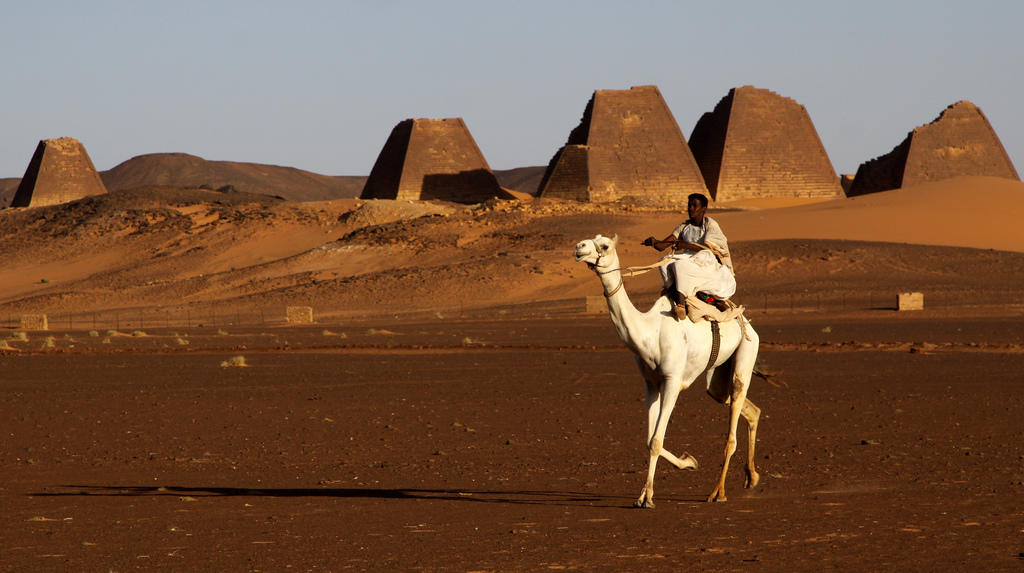
Commonly, Ancient history is accepted to begin around 3000BCE with the apparition of early writing system in Mesopotamia. It extends up until the 6th century CE when the Western Roman Empire collapsed following a succession of invasion and the death of the last Roman Emperor, Romulus Augustulus.
Archaeology has been at the centre of any research regarding Ancient History. It has played a huge part in our knowledge of early civilizations, from the excavation of the Terracotta Army of the First Qin Emperor in ancient China to the exploration of the Mayan Pyramids in South America.
Even though, most of our current knowledge of Ancient time events relies on the writings and accounts of antiquity historians (Herodotus, Thucydides, Arrian, Plutarch, Polybius, Sima Qian, Sallust, Livy, Josephus, Suetonius, and Tacitus), those records were often produced decades if not centuries after the events they described occurred and they are always to take with some precautions.
Medieval History
Whereas Ancient History stop in 500CE, Modern History only starts around 1500, depending on the geographic region you are studying. So what happened during those roughly 1000 years?
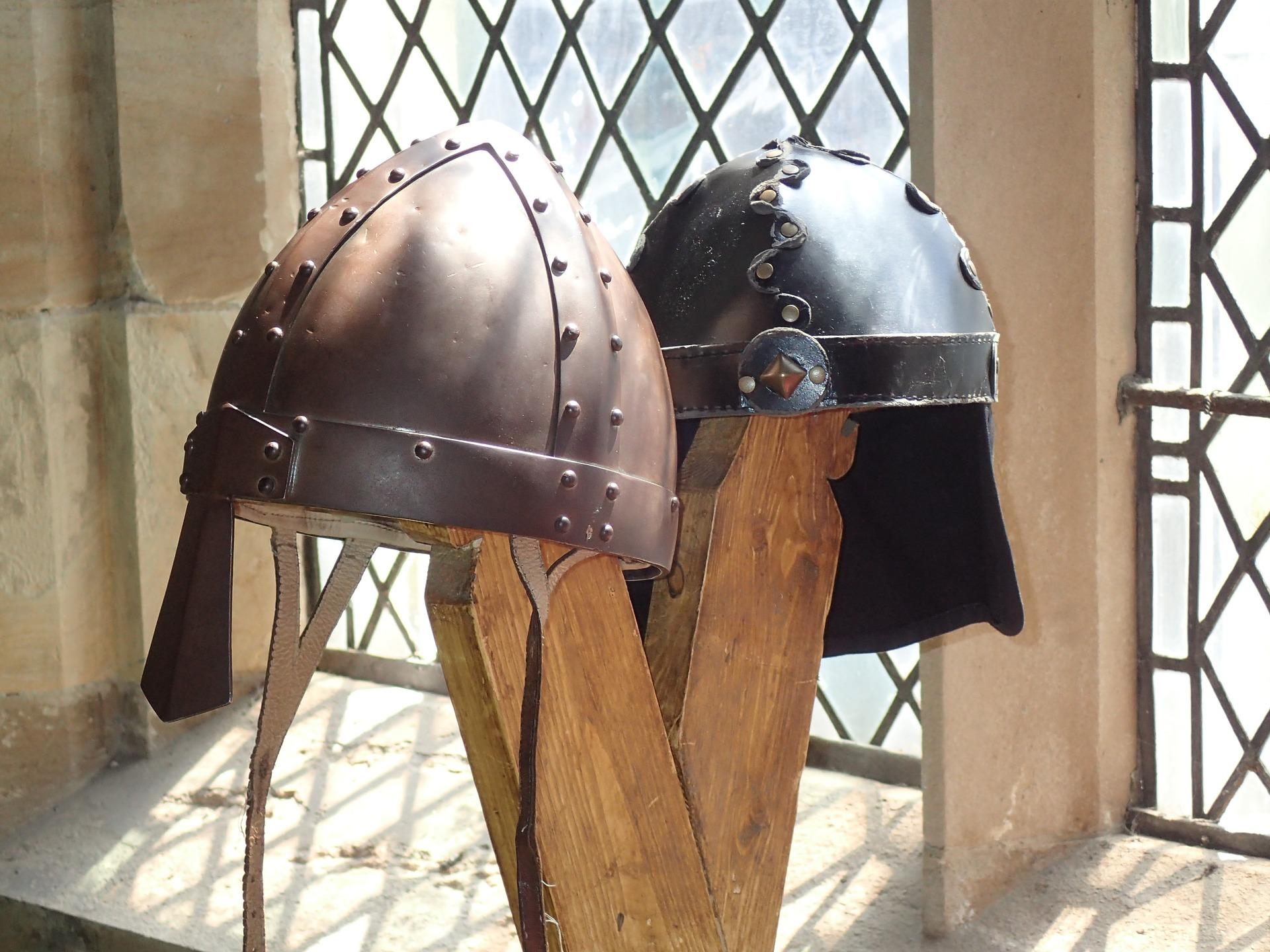
Those ten centuries of history is what Historians refer to as the Middles Ages or Medieval times. In Western and Central Europe this era started when the Roman Empire collapsed but it is not exactly the same for all parts of the world.
For Scandinavia including current Denmark, Finland and Norway, the Medieval times is often assimilated to the Age of the Vikings, beginning in 793 with the first ever recorded Viking invasion in England and lasted until the failed invasion attempted by the Norwegian king Harald III (Haraldr Harðráði), who was defeated by Saxon King Harold Godwinson in 1066 at the Battle of Stamford Bridge; in Ireland. The same year, William the Conqueror, Duke of Normandy, and descendant of Vikings himself defeated Harold Godwinson and became King of England.
In the East, Japan's medieval period is commonly accepted to start with the Nara period (when Empress Genmei established the capital of Heij?-ky?) in 709 and ended with the last battle of Sekighahara in 1600 when Tokugawa and his allies defeated the Toyotomi regime and unified the country.
At the same time on the continent, China's different historical periods did not follow the same pattern and the Imperial Era of China began in 221 with the Qin dynasty and only ended with the Qing Emperor in 1911.
In the Middle East and North Africa as well as the Iberian Peninsula, Medieval times were marked by the ascent of Islam and the creation of powerful Empires.
As studying and following history courses requires a lot of critical thinking skills as well as research skills, many university alumni who graduated from a scholar institution with a degree level in History turn to the law after completing their undergraduate tuition and become lawyers.
Why not hire a History tutor?
Modern History
The Middles Ages slowly faded in Europe as Renaissance was making its way to a full-blown social, religious and economic change. Even though the Renaissance movement started in Italy around the 13th century, with the rediscovery of Antic philosopher and the contact with the scientific knowledge of the Middle East, Medieval History only ended around the year 1500 following a few major events:
- The invention of the printing press by Gutenberg in 1439
- The discovery of the Americas by Christopher Colombus in 1492.
- The globalisation of the world and the acceleration of the exchange of ideas, goods and money through Europe, the Middle East and Asia.
Academics commonly split Modern History into two periods, Early Modern History and Late Modern History. For students who have successfully past the admission stage in their undergraduate degree, Modern History will probably be studied over more than one semester along with other humanities discipline, some elective and some mandatory.
Early Modern History includes:
- The Renaissance, marked by a new school of thought, Humanism, and the rediscovery of classical Greek philosophy
- The Reformation (the split in Western Christianity launched by Martin Luther and sustained by Huldrych Zwingli, John Calvin and other Protestant Reformers in 16th-century Europe)
- The Counter-Reformation, was the Catholic resurgence launched in response to the Protestant Reformation, starting with the Council of Trent (1545–1563) and ending at the end of the Thirty Years' War (1648). It was initiated to protect the power, influence and wealth held by the Catholic Church.
- The Age of Discovery, spanning from the 15th century until the end of the 18th century and was marked by extensive overseas exploration which led to a profound change in European diplomacy and was the inception of globalization.
- The Rise of capitalism, based on the private ownership of the means of production and their operation for profit.
- The Golden Age of Piracy, which spans from the 1650s to the late 1720s and includes three separate upheavals of piracy:
- The buccaneering period of approximately 1650 to 1680, characterized by French and English sailors based in Tortuga and Jamaica and targeting Spanish ships and colonies throughout the Caribbeans
- The Pirate Round of the 1690s, marked by long-distance cross sea voyages from the Americas to rob Muslim and East India Company possessions in the Indian Ocean and the Red Sea
- The post-Spanish Succession, from 1716 to 1726, when English and American seamen and privateers, turned to piracy after the end of the Spanish Succession war and roamed in the Caribbean, the North American Eastern Coasts, the West African seaboard, and the Indian Ocean.
History is such a vast and interesting subject that most universities and school institutions offer the possibility to pursue a History degree or to study history in an interdisciplinary bachelor of arts degree for example. You could even look past your graduation and continue on getting a doctoral degree in History.
Commonly accepted to start at the end of the 18th century and was marked by major events such as:
- The American Revolution, which ended the dominion of the British Crown over its American colonies.
- The French Revolution, which ended with the abolition of monarchy and initiated a democratic government system.
- The Colonization of Australia, driven by the need to address overpopulation in the British prison system, and the fact that the British Crown had lost the Thirteen Colonies of America in the American Revolution.
- The Revolutions of 1848, which were a series of political upheavals across Europe in 1848 (France, Italy, Denmark, Germany, Sweden, Belgium, Switzerland and Ireland were all affected). It continues to be the most widespread revolutionary wave in European history.
- The Russian Revolution, which was not one but two revolutions in Russia in 1917 which struck down the Tsarist absolutism and led to the rise of the Soviet Union. The Russian Empire fell with the abdication of Emperor Nicholas II.
- The First World War and the Second World War, from 1914 to 1918 and 1939 to 1945 involved all the main powers of the time and almost all countries on the planet. Those two conflicts resulted in the death of tens of millions of soldiers and civilians and changed the world order forever.
If you study civilization and societies, time spent in the classroom will mainly focus on historical research and analytical and critical thinking, all research skills being the requirement for journalism or a career in sociology.
Art History
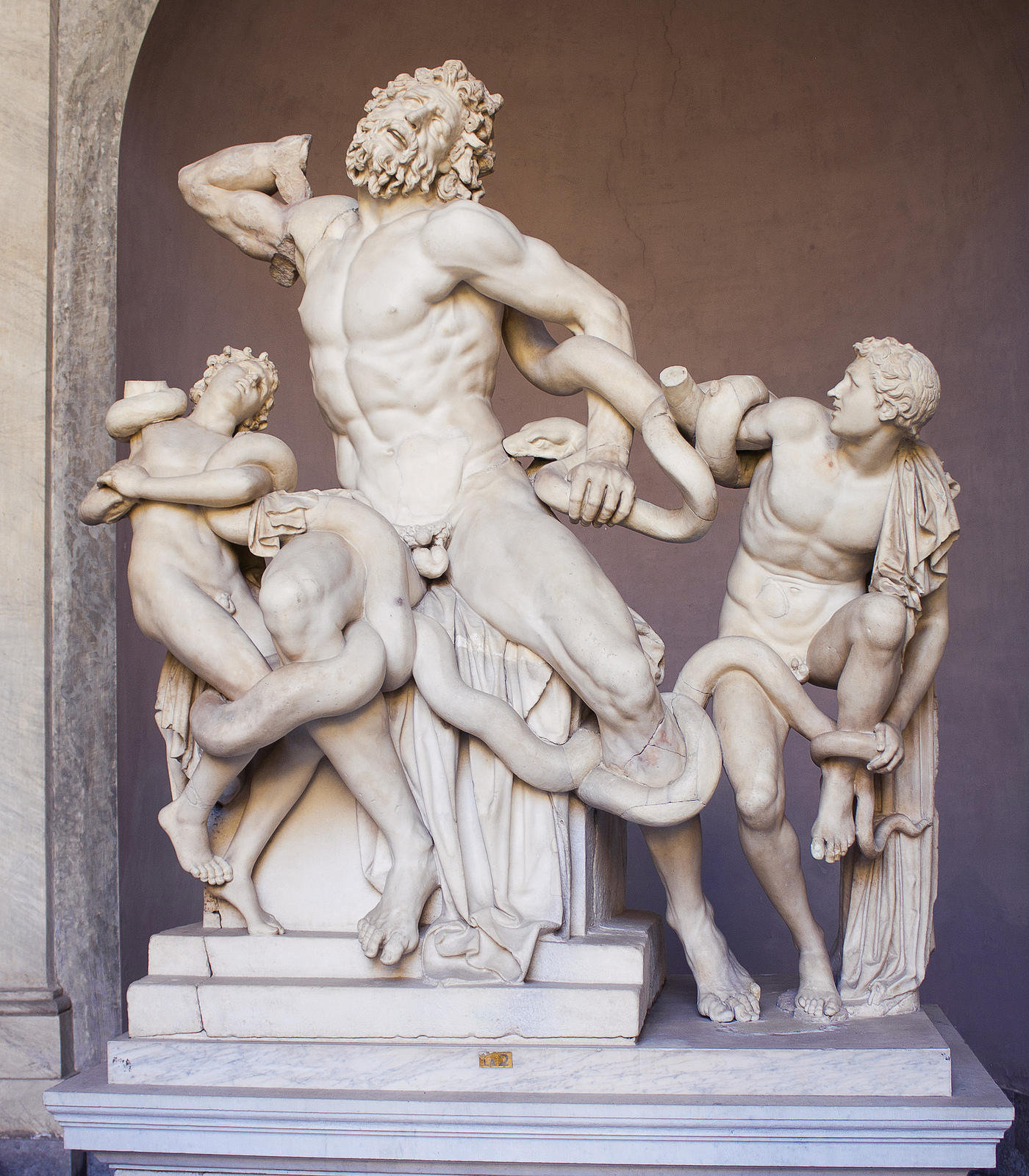
One of the sub-categories of History is the History of Art. While the main focus of Historians has mostly been to study and analyse historical, religious, social and political events through different periods, Art History has been focused on something different.
Art Historians have been studying the visual, aural and oral expression of humanity. Scholars scrutinising Art History have been trying to interpret visual art, music and fictional writings through a thorough investigation using different approaches and methodologies.
One of the earliest Art Historians that we know of is one of the most Antiquity Historian, namely Pliny the Elder. During his time he was considered to be one of the most famous Roman author, naturalist and natural philosopher and even served as a naval and army commander of the early Roman Empire.
If you are studying liberal arts, it is very likely that your coursework and curriculum will include some Art History before the completion of your degree programs.
There are many more fields of History that one can spend their life to study, from Western civilization to Latin American History, African History, anthropology, American History or even African American History. The different history degrees that you can earn are many if not endless.
Types Of History In India
In India, the study of history is rich and diverse, encompassing a wide range of topics and perspectives. Here are some of the main types of history that are explored within the Indian context:
- Ancient History & Empires: Ancient Indian history covers the period from the earliest civilizations to approximately the 6th century CE. This period includes the Indus Valley Civilization, Vedic period, rise and fall of various empires like the Maurya and Gupta empires, development of classical art and literature, and the spread of religions like Hinduism, Buddhism, and Jainism.
- Medieval History: Medieval Indian history spans from around the 6th century CE to the 18th century CE. This period witnessed the rise of various dynasties and kingdoms, such as the Delhi Sultanate, the Mughal Empire, and various regional empires. It also encompasses cultural exchanges with other regions, the growth of Islamic and indigenous art and architecture, and the impact of colonialism with the arrival of European traders.
- Modern History: Modern Indian history covers the period from the 18th century CE to the present day. This era includes the British colonial rule, the Indian independence movement led by figures like Mahatma Gandhi, Jawaharlal Nehru, and Subhas Chandra Bose, and eventually, India's struggle for independence and subsequent partition in 1947. It also examines the post-independence period, including nation-building efforts, economic development, and challenges faced by the country.
- Cultural and Art History: Cultural and art history in India focuses on the rich tapestry of artistic and cultural expressions throughout history. This includes the study of ancient temples, sculptures, paintings, music, dance forms like Bharatanatyam and Kathak, and literary works in languages like Sanskrit, Tamil, and others. Indian cultural history delves into the diverse traditions, beliefs, and practices that have shaped the country's identity.
- Religious History: India is the birthplace of several major religions, including Hinduism, Buddhism, Jainism, and Sikhism. Religious history in India examines the origins, development, and evolution of these faiths, along with the spread of Islam and Christianity. It also delves into the interplay between different religious communities and their impact on society and culture.
- Economic and Trade History: Economic history explores India's historical trade routes, economic systems, agricultural practices, and industrialization. It covers the ancient trade links with civilizations along the Silk Road, the impact of colonial economic policies, and the subsequent economic changes post-independence.
- Political History: Political history in India studies the evolution of political structures, governance systems, and the role of leaders and rulers. It includes the analysis of princely states, administrative reforms, constitutional development, and the formation of the Republic of India.
- Social History: Social history focuses on the lives of ordinary people, examining aspects like social classes, caste systems, gender roles, family structures, and changes in societal norms over time. It sheds light on the experiences of different communities and marginalized groups.
- Freedom Struggle and Independence Movement: This segment of history explores the struggle for Indian independence from British colonial rule. It examines the contributions of various leaders, mass movements, and significant events that led to the country's freedom in 1947.
- Post-Independence History: Post-independence history covers the challenges and developments that India has undergone since gaining freedom. It includes political developments, economic reforms, social changes, foreign relations, and the country's journey towards becoming a modern nation.
5 Important Events In Indian History
- Indian Independence Movement (1857-1947): This movement aimed to end British colonial rule in India and establish an independent nation. It was marked by a series of protests, nonviolent civil disobedience campaigns, and armed uprisings. Leaders such as Mahatma Gandhi, Jawaharlal Nehru, and Subhas Chandra Bose played significant roles in the movement, which culminated in India's independence on August 15, 1947.
- Partition of India (1947): India was partitioned into two separate nations, India and Pakistan, following independence from British rule. This led to one of the largest migrations in history, with millions of Hindus and Muslims moving to their respective nations, resulting in widespread violence and loss of life.
- Emergency (1975-1977): The Indian government, led by Prime Minister Indira Gandhi, declared a state of emergency in 1975, suspending civil liberties and arresting political opponents. This period was marked by widespread censorship and human rights abuses. The emergency was lifted in 1977 following protests and the electoral defeat of Indira Gandhi's Congress party.
- Economic liberalization (1991): The Indian government launched a series of economic reforms in 1991, aimed at liberalizing the economy and promoting private enterprise. This led to increased foreign investment, economic growth, and modernization of the Indian economy.
- Kargil War (1999): The Kargil War was a conflict between India and Pakistan over the disputed region of Kashmir. It was sparked by a Pakistani military incursion into Indian-controlled territory. The conflict lasted for several months and resulted in the deaths of hundreds of soldiers on both sides. The war ended with a ceasefire and withdrawal of Pakistani troops from Indian territory.
Be Proud Of India, Jai Hind!
Check out the cost of private History tuition on Superprof.
Summarise with AI:
Did you like this article? Leave a rating!


 Loading...
Yes
yes am very glade to see how deep you explain.
The article has been wonderfully written and I love everything about it.
I really enjoyed that
thank you so much. very good work done.
It’s very important article for researchers…
History is my best subject and the must importance subject that every student to study,Because in the history you will know what in the past of million years in many world or courtries like England,America,India,China and rise of courtries.
I am so appreciate for accept thank you.
Hello,
Thank you for your interest.
Kindly connect with our customer relationship manager at namaste@superprof.com