
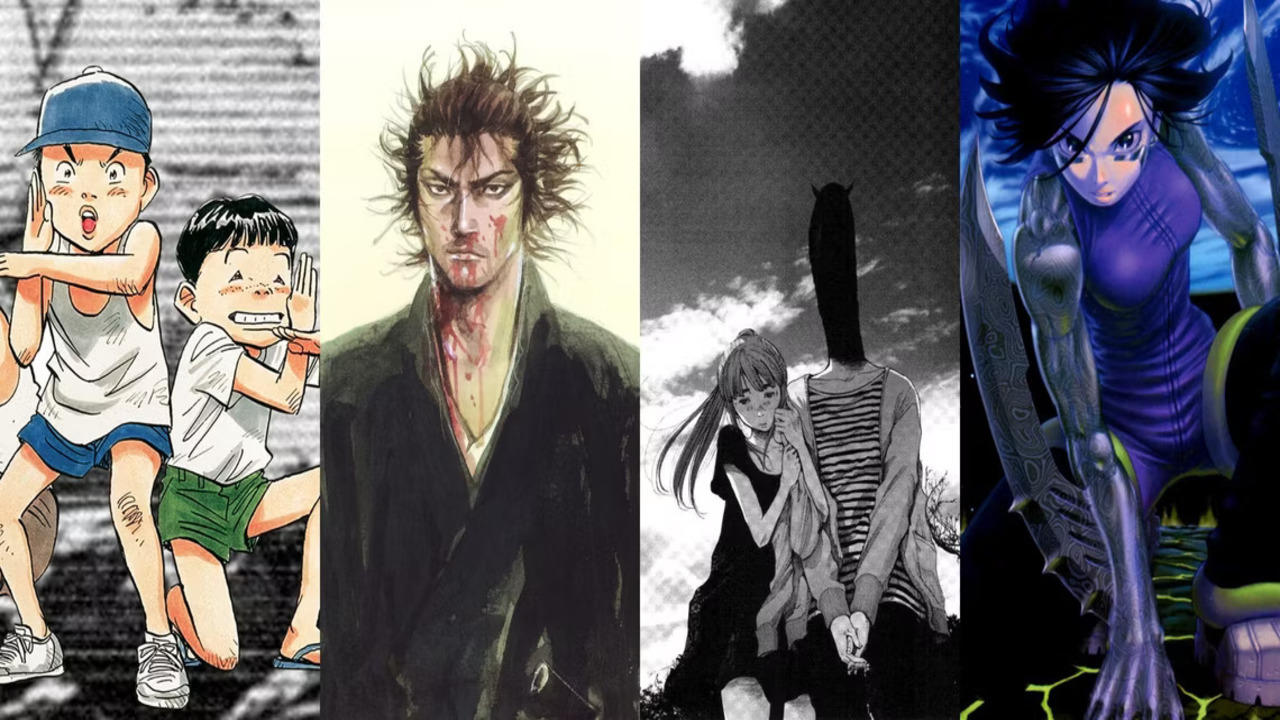

The world of Japanese manga & anime is a captivating realm that has attracted audiences around the globe. Manga refers to Japanese comics, while anime in Japan refers to animated adaptations of these comics or original works.
These art forms have a rich timeline spanning decades, showcasing Japanese storytelling's immense creativity and cultural significance.
Manga's origins can be traced back to the 12th century when the concept of sequential art existed in the form of makimonos or picture scrolls. These scrolls depicted various narratives and often contained humorous or satirical elements. However, it was only in the late 19th century that Manga, as we know it today, began to take shape.








Japanese manga & anime emergence
The emergence of the modern Manga museum can be attributed to the works of influential artists such as Hokusai Katsushika and Toba Sojo. Hokusai's "Hokusai Manga," a collection of sketches and drawings, showcased his artistic versatility and significantly impacted the development of the Manga museum as a distinct art form.
Toba Sojo's "Chōjū Jinbutsu Giga," also known as the "Scrolls of Frolicking Animals and Humans," depicted anthropomorphic animals engaging in comical activities and marked an important milestone in the evolution of Manga's visual storytelling techniques.
-
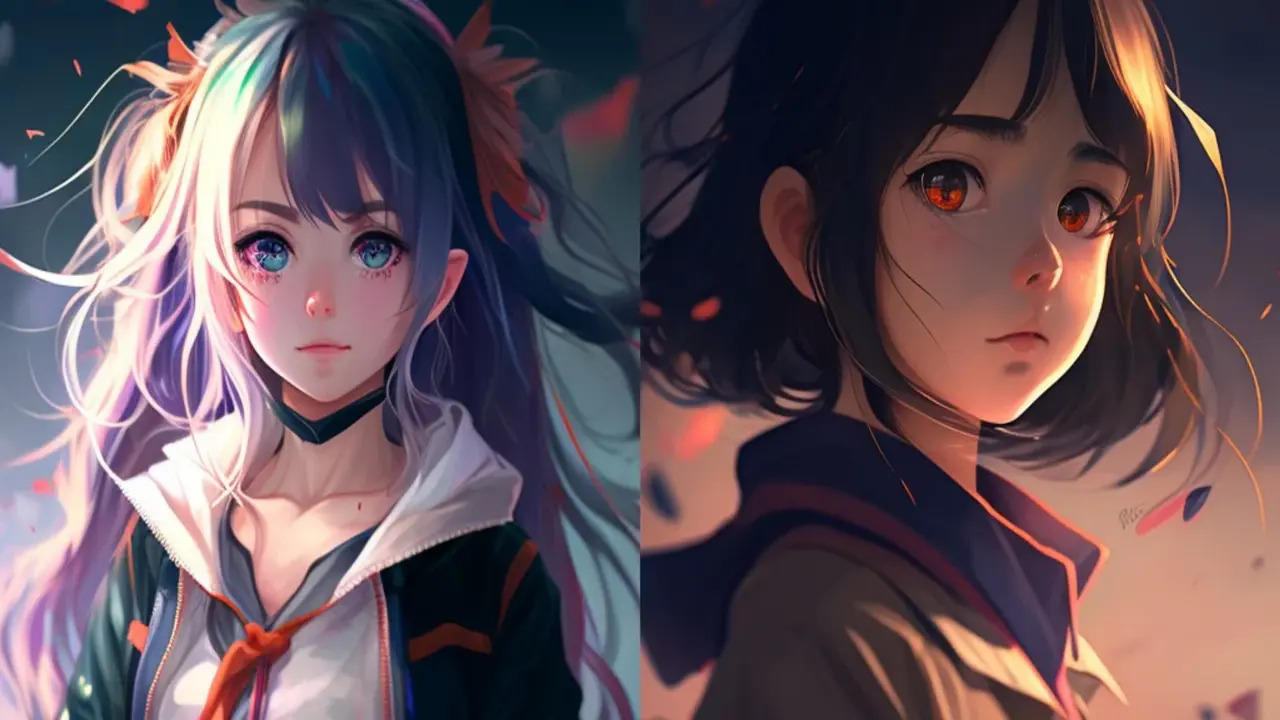
Japanese Manga & Anime - Anime manga Cute
In the early 20th century, Manga underwent further transformations. The establishment of manga magazines and museums allowed for serial-style storytelling and expanded the reach of Manga to a wider audience. Artists such as Rakuten Kitazawa, known as the "father of modern manga," pioneered speech bubbles and panel layouts, laying the groundwork for the visual language that defines Manga today.
Popular Japanese Manga
Post the World War II era saw a surge in the popularity of Manga as a form of entertainment and expression. Manga catered to diverse demographics, with genres ranging from action and adventure to romance, fantasy, and science fiction.
The success of manga series like Osamu Tezuka's "Astro Boy" and "Black Jack" solidified Manga's position as a mainstream medium, captivating readers of all ages. Tezuka's dynamic storytelling and innovative panelling techniques set a new standard for manga artists and propelled the medium into the global spotlight.
As Manga and its museums flourished, its influence began to extend beyond the printed page. The 1960s witnessed the rise of anime in Japan, animated adaptations of Manga or original animated works.
Genre Diversity in Manga
Japanese Anime brought Manga's vibrant characterisations and narratives to life, captivating audiences with its unique visual style and immersive storytelling techniques. The success of anime series in Japan like "Astro Boy" and "Speed Racer" further popularised Japanese Manga comics and anime internationally.
Manga continued diversifying in the following decades, embracing various genres and styles. Shōnen manga, aimed at boys, introduced action-packed stories filled with adventure, while shōjo manga, targeting girls, explored themes of romance, friendship, and personal growth.
Seinen manga catered to older male readers with mature narratives, and Josei manga targeted older female readers with stories centred around adult relationships and societal issues.
Iconic Manga Series
Popular Japanese manga comics series have become cultural phenomena, captivating readers and inspiring adaptations into anime, live-action films, and merchandise.
Titles like "One Piece," "Naruto," "Dragon Ball," and "Attack on Titan" have achieved global recognition and have amassed dedicated fan bases worldwide.
Manga Museums
In recent years, Manga museums and anime have continued to thrive, with new and innovative series capturing the hearts of audiences. The advent of digital platforms and streaming services has made Manga more accessible than ever before, allowing readers to enjoy their favourite titles on various devices.
Manga museum and anime are a testament to Japanese creators' artistic brilliance, creativity, and storytelling prowess.
From its inception to its current global impact, Manga and anime have transcended cultural boundaries, captivating audiences with their unique blend of visual artistry, compelling narratives, and diverse genres.
Whether you're a fan of action, romance, fantasy, or any other genre, Japanese Manga museum and anime comics offer a treasure trove of captivating stories waiting to be explored.
Timeline of Japanese Manga
Japanese Manga, a comic art and storytelling form, has captivated audiences worldwide with its distinct style, compelling narratives, and diverse genres.
Renowned for its vibrant illustrations, intricate plotlines, and dynamic concept, Manga has become a cultural phenomenon, influencing the world of comics, best anime movies, and fashion.
-
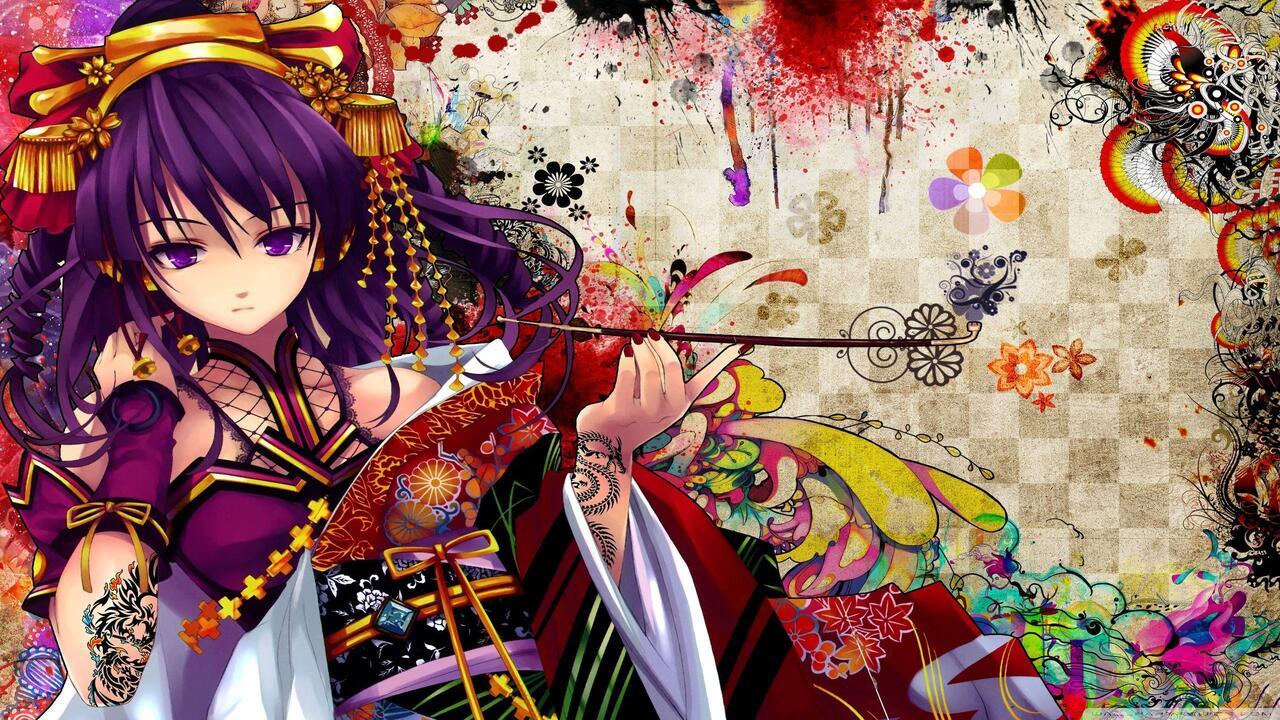
Japanese Manga for kids - Illustration from manga series
Let's explore the fascinating record of Japanese Manga comics and learn more about some popular titles loved by audiences of all ages.
- The term "manga" originated in Japan in the late 18th century, during the Edo period. However, the roots of Manga can be traced back even further to the early scrolls and picture books of Japan's rich artistic heritage. These early forms of visual storytelling laid the foundation for the evolution of Manga.
- The modern concept of Manga began to take shape in the late 19th century when Japanese artists, inspired by Western comic strips, started experimenting with new styles and techniques. Pioneers such as Kitazawa Rakuten introduced the concept of panel-to-panel storytelling, incorporating dialogue and captions to create a more narrative-driven experience. Rakuten's works, such as "Jiji Manga" and "Tokyo Puck," marked the beginning of Manga as we know it today.
- During the mid-20th century, the Manga Museum continued to evolve and diversify. Genres such as shōnen and shōjo gained popularity. Artists such as Osamu Tezuka, often called the "Godfather of Manga," played a pivotal role in shaping the medium. Tezuka's iconic works, such as "Astro Boy," "Kimba the White Lion," and "Princess Knight," showcased his distinctive art style, complex narratives, and emotionally-driven narratives.
- The 1970s and 1980s witnessed a boom in Manga's popularity domestically and internationally. Series such as "Golgo 13" by Takao Saito, "Dragon Ball" by Akira Toriyama, and "Lupin III" by Monkey Punch became cultural touchstones, captivating readers with their action-packed stories and dynamic artwork.
- This era also saw the rise of the "Big Three" shōnen manga: "One Piece" by Eiichiro Oda, "Naruto" by Masashi Kishimoto, and "Bleach" by Tite Kubo, each enjoying immense success and shaping the genre for years to come.
- Japanese Manga for Kids holds an important place in the industry. Many popular titles cater to younger readers, introducing them to storytelling and art. Examples include "Doraemon" by Fujiko F. Fujio, "Pokémon Adventures" by Hidenori Kusaka and Mato, and "Yo-kai Watch" by Noriyuki Konishi. These mangas often combine adventure, humour, and life lessons to engage and entertain young audiences.
- The influence of Japanese Manga and anime is undeniable, inspiring countless artists and storytellers worldwide.
- From the early pioneers to the modern masters, Manga has evolved into a versatile medium, crossing cultural boundaries and captivating diverse audiences. With its rich history, iconic characters, and imaginative worlds, Japanese Manga continues to shape the global entertainment landscape, and art through the museum and enchant readers of all ages.
Highlights and timeline history of Manga's
Here is a detailed timeline of Manga with headings for each major period:
-
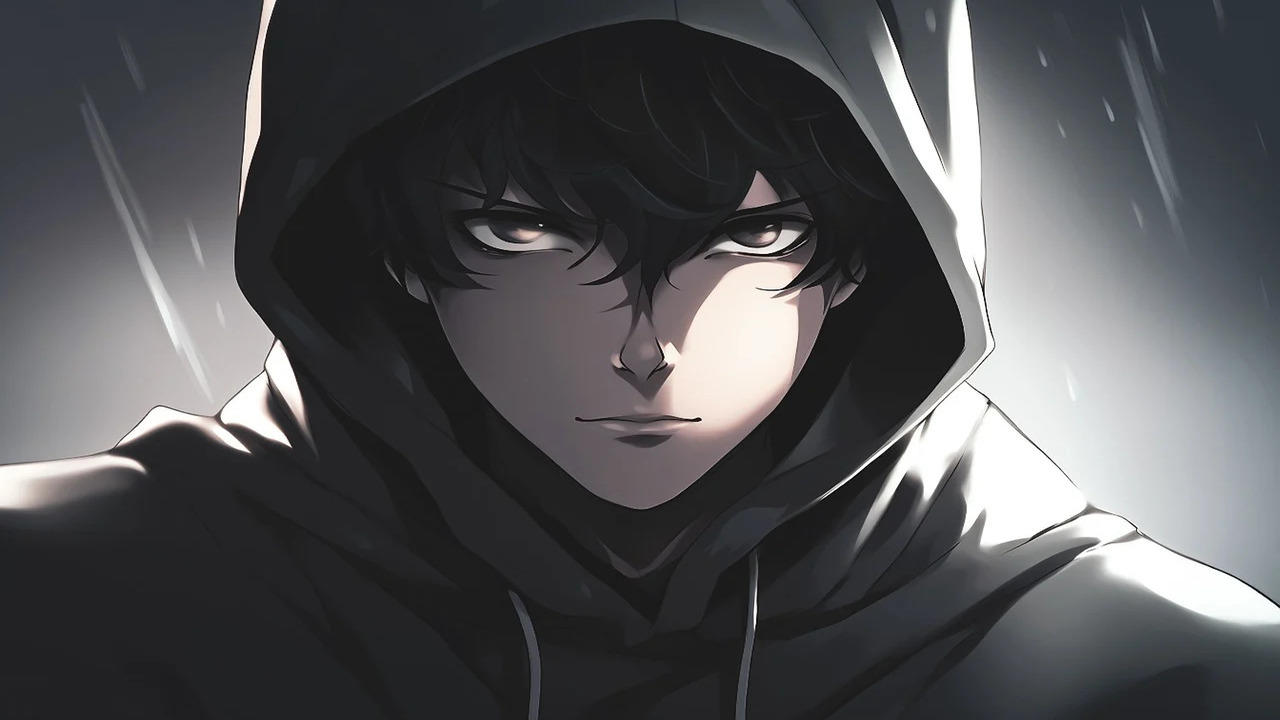
Popular Japanese Manga - Image featuring characters from the manga series
Origins and History of Manga's (Pre-20th Century)
Early Scrolls and Picture Books: Predecessors to Manga can be traced back to Japan's artistic heritage, including using scrolls and picture books for visual storytelling.
Manga in the Modern Era (Late 19th Century - Early 20th Century)
- Influences from Western Comics: Japanese artists in the late 19th century started experimenting with Western comic strip styles and techniques, adapting them to create Manga.
- Kitazawa Rakuten: Pioneered panel-to-panel storytelling and narrative-driven Manga with works such as "Jiji Manga" and "Tokyo Puck."
Manga's Evolution (Mid-20th Century)
- Shōnen and Shōjo Manga: Genres targeting
- boys (shōnen) and young girls (shōjo) gained popularity, diversifying the manga landscape.
- Osamu Tezuka: The "Godfather of Manga," Tezuka's works such as "Astro Boy," "Kimba the White Lion," and "Princess Knight" showcased his unique art style and narrative depth.
Rise of Popular Manga (1970s - 1980s)
- Action-Packed Adventures: Manga series such as "Golgo 13" by Takao Saito, "Dragon Ball" by Akira Toriyama, and "Lupin III" by Monkey Punch captivated readers with their dynamic stories and artwork.
- The "Big Three" Shōnen Manga: "One Piece" by Eiichiro Oda, "Naruto" by Masashi Kishimoto, and "Bleach" by Tite Kubo achieved immense success, shaping the shōnen genre.
Manga's Expansion (1990s)
- Genre Diversification: The 1990s saw a surge in diverse manga genres, including magical girl ("Sailor Moon" by Naoko Takeuchi) and mature storytelling ("Akira" by Katsuhiro Otomo).
- "Shōnen-ai" and "Yaoi" Manga: Romantic relationships between male characters gained popularity, catering to an expanding LGBTQ+ fanbase.
Modern Era and Global Influence (2000s - Present)
- Continuing Success: Manga has thrived in recent years with titles such as"Attack on Titan" by Hajime Isayama (fantasy), "Haikyu!!" by Haruichi Furudate (sports), and "March Comes in Like a Lion" by Chika Umino (slice-of-life).
- Manga and Anime Synergy: Manga adaptations into anime in Japan have further expanded Manga's global reach and impact.
- Japanese Manga for Kids: Popular titles like "Doraemon," "Pokémon Adventures," and "Yo-kai Watch" cater to readers who love reading through a book, introducing them to manga storytelling.
Influences and Cultural Impact
- Global Inspiration: Japanese Manga and Anime Quotes have inspired artists and storytellers worldwide, influencing the entertainment industry beyond published books and comics and animation.
- Cross-Cultural Appeal: Manga's rich record, iconic characters, and imaginative worlds have helped it transcend cultural boundaries, captivating diverse audiences.
This comprehensive overview provides a chronological timeline account of Manga's time period. It highlights key periods, influential figures, and significant developments that have shaped the medium's evolution and cultural impact.
Conclusion
The early record of Japanese Manga and Anime is a fascinating journey that has left an indelible mark on popular culture worldwide. Japanese Manga and Anime have evolved over the years, capturing the hearts of people across different age groups and backgrounds.
The influence of Japanese Manga on kids cannot be overstated, as it has entertained young readers and imparted valuable life lessons and moral values.
Summarise with AI:
Did you like this article? Leave a rating!

 Loading...
