
IPL 2026 is set up as a classic late-March-to-May cricket season, built for routine viewing: weeknight prime-time matches, weekend doubleheaders, and a short, high-intensity playoffs run to the title. For first-time IPL followers, the easiest way to understand the tournament is to start with the cadence—which days matches usually happen, what time they typically begin, and how the season moves from the league stage into playoffs.
The tournament window for the IPL 2026 schedule is confirmed: March 26, 2026, to May 31, 2026, with the opening day on Thursday, March 26, 2026.


Match Days And Typical Timings (The Week-to-Week Rhythm)
While the full fixture grid is released by the league closer to the season, IPL seasons tend to follow a consistent broadcast-friendly pattern. Here’s how the schedule usually “feels” once it gets going:
- Weekdays (Monday to Friday): typically one match per day, most often in the evening.
- Weekends (Saturday and Sunday): commonly two matches on the same day (a “doubleheader”)—one in the afternoon and one in the evening.
- Playoffs: generally evening starts, spaced out to maximize spotlight and travel logistics.

If you’re planning your routine around the IPL 2026 schedule, the practical expectation is that most evenings during the season window will have a match, with weekends offering the most watching time.
What’s Confirmed Versus What’s Still Rolling Out
A common point of confusion: the IPL often confirms the tournament window first and publishes the match-by-match fixtures later. That’s exactly what’s happening around IPL 2026—multiple reports have explained that operational and security planning (including election-related timing) can slow down the final fixtures announcement.
The best approach is to treat this page as your “entry point” guide: it tells you what’s confirmed, how the format works, and where matches are likely to be staged—then you can plug in match-by-match details once the official fixture list is fully published.
To track the live-updating fixture grid as it is posted, the official IPL fixtures page is the most reliable reference point.
IPL 2026 Schedule: The Season Overview New Readers Need
The IPL is designed to be followed in layers:
- The Season Window: when the tournament runs (confirmed).
- The League Stage: the regular run of matches that builds the points table.
- The Playoffs: the final bracket that determines the champion.
For IPL 2026, the top-line season window is clear: March 26 to May 31, 2026. That gives you a two-month cricket block that fits the league’s modern calendar positioning—after key international commitments and before the next major schedule phase.
Why Fixture Releases Sometimes Come In Phases
If you’re used to leagues that publish a full schedule months in advance, IPL planning can feel different. The IPL runs across multiple states and venues, and match days are aligned with:
- venue readiness and local permissions,
- security deployment and crowd management requirements,
- travel and broadcast logistics,
- and, in some years, election schedules that affect police availability.
That’s why you may see an early “window confirmation” first, followed by fixtures released in one or more phases.
IPL 2026 Format: How The Tournament Works
The IPL 2026 format is built around two stages: a league stage that rewards consistency, and playoffs that reward finishing high while still keeping knockout drama.
League Stage
In the league stage, IPL teams play a set of matches that earn them points and net run rate (NRR) impact, which ultimately builds the standings. The core concept is simple: win matches, accumulate points, qualify for playoffs.
Playoffs
The playoffs typically feature four matches in a bracket:
- Qualifier 1
- Eliminator
- Qualifier 2
- Final
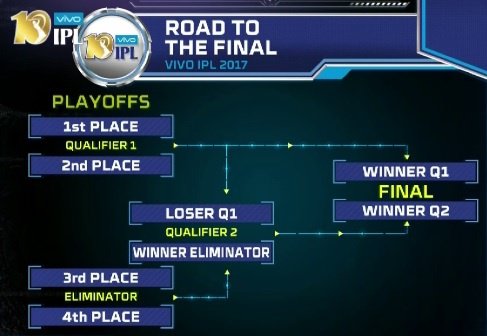
This bracket format is designed to give the top teams from the league stage a meaningful advantage, while still keeping the trophy within reach for teams that peak late.
Match Count And The “84 Matches” Talking Point
If you’ve been browsing IPL facts ahead of IPL 2026, you’ve likely seen the number 84 mentioned frequently. Multiple reports around the IPL 2026 season describe an expanded match inventory, often framed as an increase from the long-running 74-match cycle.
At the same time, treat any final match count as “fully confirmed” only when the official fixtures and competition notes are published—because the IPL’s operational realities can influence how the schedule is packaged. The confirmed anchor remains the season window: March 26 to May 31, 2026.
IPL Facts: Quick Context That Helps You Follow The Season
This section is meant to keep the article beginner-friendly—no team-by-team deep dives, just the basics that make the IPL 2026 schedule easier to interpret.
What Is The IPL?
The Indian Premier League is a franchise-based professional T20 tournament run under the BCCI umbrella and played annually. It’s widely recognized as one of the most-watched and commercially significant cricket leagues in the world.
How Many Teams Are In IPL 2026?
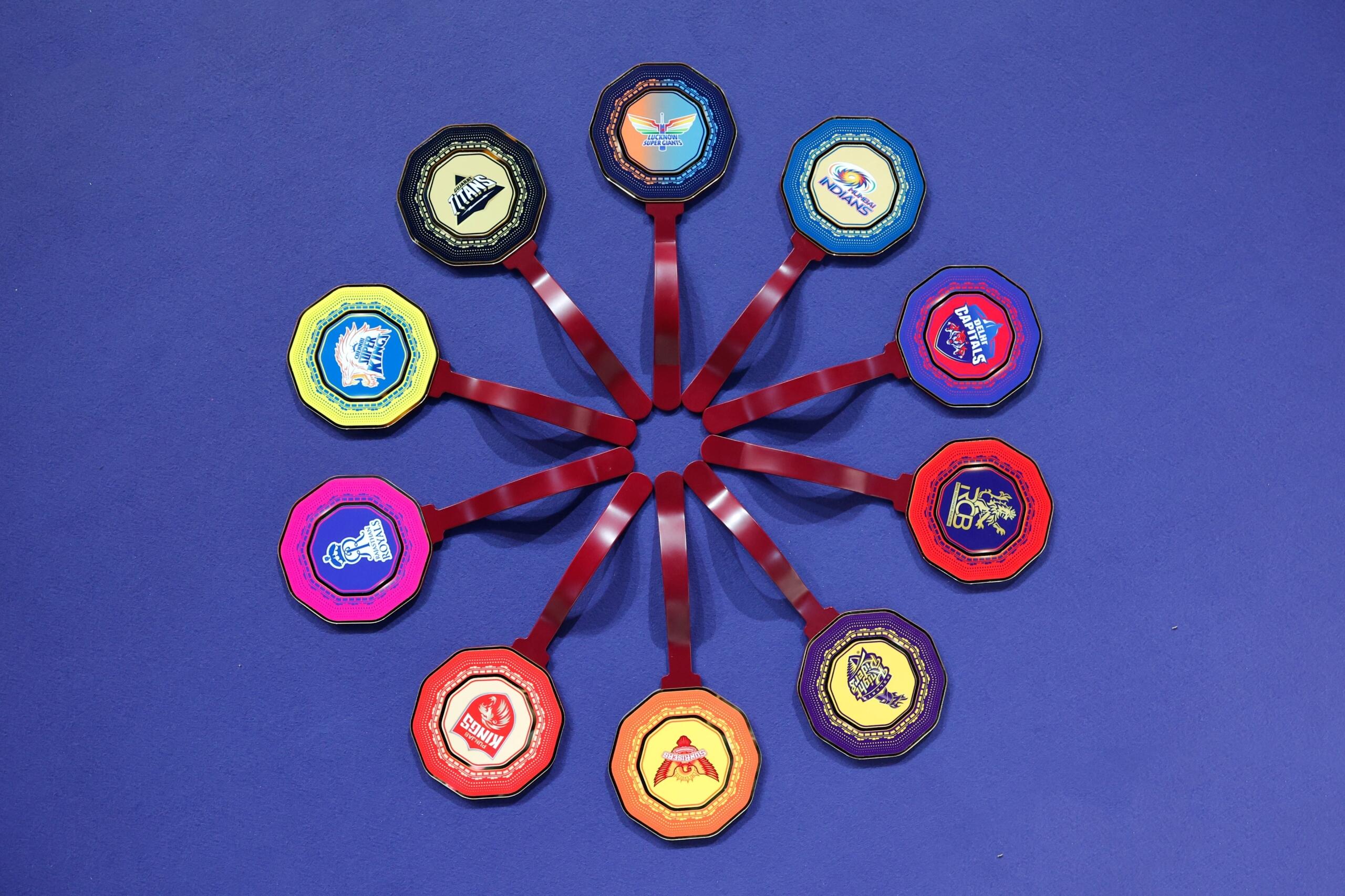
IPL continues with 10 teams, the same number the league has had since the 2022 expansion.
The IPL Auction
The IPL auction is the season’s main squad-building marketplace, where franchises use a fixed purse to buy players from an official auction pool and finalize their squads before the tournament begins. In the 2026 cycle, the auction produced one clear headline: Cameron Green was the most expensive buy at ₹25.20 crore, reflecting how quickly bidding can spike when multiple teams chase the same high-impact role.
Why Timing Matters (More Than You’d Think)
The IPL calendar is not built in isolation. It is planned within a global schedule that includes:
- bilateral international tours,
- ICC events and qualifiers,
- domestic seasons and first-class cricket windows,
- and player workload management.
That’s why the “window first, fixtures later” approach appears in some seasons: confirming the tournament block is step one, then the precise grid follows.
IPL 2026 Stadium List: Venues Where Matches Will Be Played
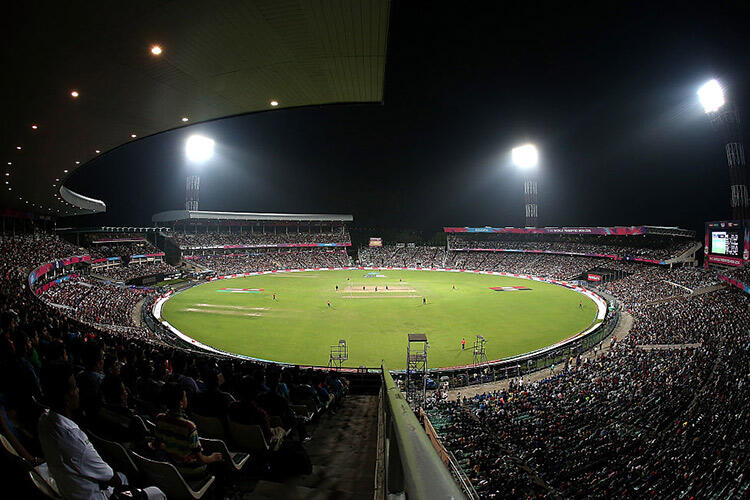
Many readers land on an IPL 2026 stadium list query to plan travel, tickets, or local viewing. The most dependable starting point is the official IPL venues directory, which reflects the core home grounds used by franchises.
Here’s the primary stadium list shown on the official IPL venues page:
- M. A. Chidambaram Stadium, Chennai
- Arun Jaitley Stadium, Delhi
- Narendra Modi Stadium, Ahmedabad
- Eden Gardens, Kolkata
- BRSABV Ekana Cricket Stadium, Lucknow
- Wankhede Stadium, Mumbai
- New PCA Stadium, Mullanpur (Punjab)
- Sawai Mansingh Stadium, Jaipur
- M. Chinnaswamy Stadium, Bengaluru
- Rajiv Gandhi International Cricket Stadium, Hyderabad
A Real-World Detail: Some Teams Use Split Home Venues
Even with a standard venue directory, IPL seasons sometimes assign a team’s “home matches” across more than one city for practical or commercial reasons. For example, recent reporting around IPL 2026 has described Rajasthan Royals planning a split between Jaipur and Guwahati for their home fixtures.
This is one more reason to treat the official fixtures page as the final confirmation of “which match is where,” once the complete schedule is posted.
Why The IPL 2026 Schedule Window Matters For Fans
Once you know the season dates—March 26 to May 31, 2026—you can plan your viewing like a season, not a one-off event.
- If you watch casually, weeknight matches become routine background entertainment.
- If you watch seriously, the league stage becomes about the points table, momentum, and qualification scenarios.
- If you only tune in late, the playoff week is the concentrated climax.
The IPL is built to serve all three audiences at once, which is why the IPL schedule rhythm (weeknights and weekend doubleheaders) is such a central feature.
WPL and IPL
While the IPL 2026 schedule is the main focus here, it sits alongside the Women’s Premier League (WPL) in India’s broader T20 calendar. The IPL remains the larger property by match inventory, budgets, and global broadcast footprint, but the WPL has rapidly grown into a prime-time league of its own—strengthening the women’s talent pipeline and expanding cricket’s audience base. In practical terms, many fans now follow the season as a two-league arc: the WPL’s compact window builds momentum early in the year, and the IPL’s longer stretch takes over the prime-time spotlight through late March to May.
Summarise with AI:
Did you like this article? Leave a rating!

 Loading...