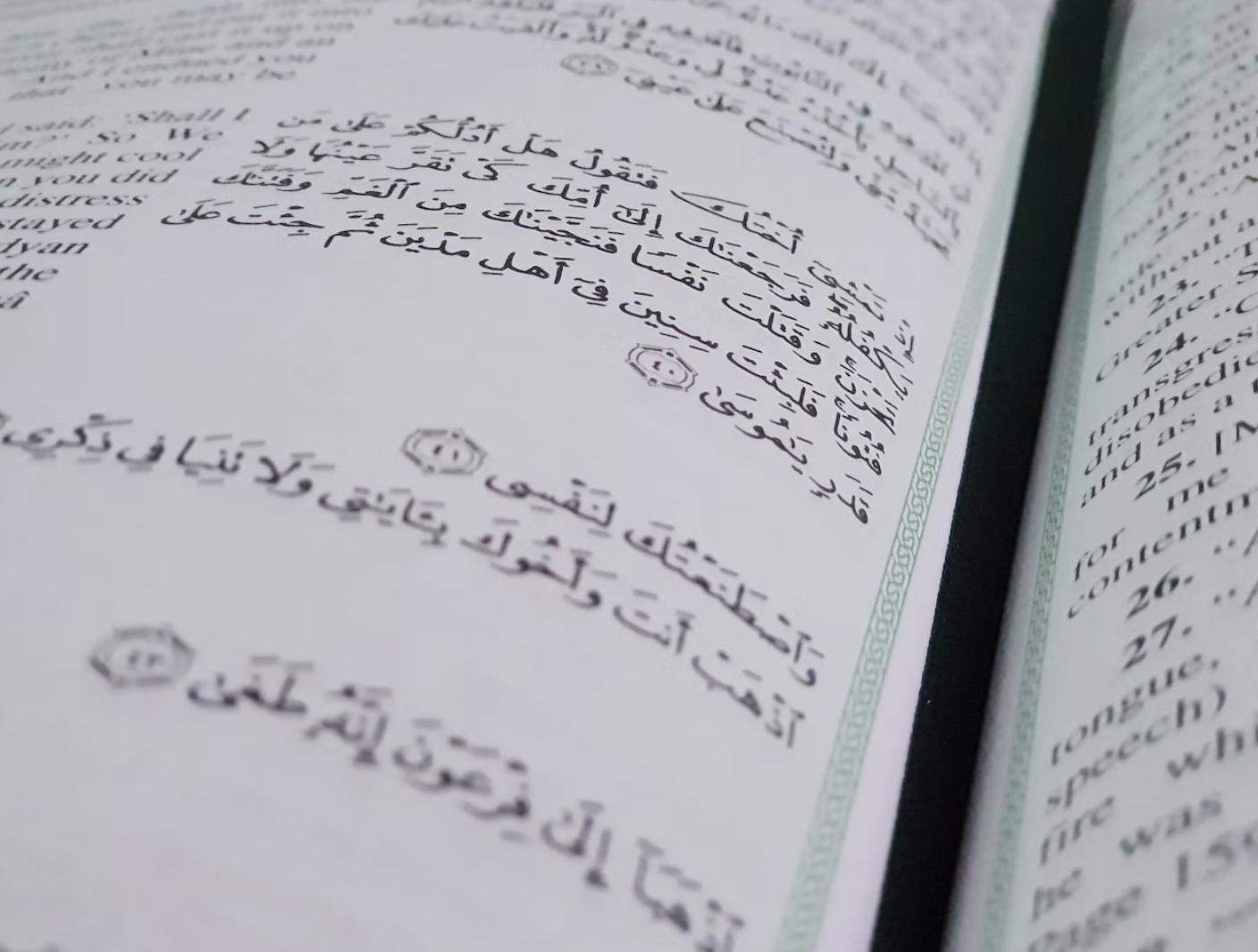

Languages often influence one another through trade, migration, and cultural exchange — and Hindi and Arabic are prime examples. Though they belong to different language families, centuries of interaction through Persian and Islamic rule led to shared words, expressions, and even stylistic traits.
Comparing Hindi and Arabic is like comparing apples and oranges — distinct in grammar and origin, yet surprisingly similar in vocabulary. To understand this overlap, we must first look at some of the Arabic and Hindi similar words and how each language developed.
| Hindi | Arabic | Meaning | Pronunciation |
|---|---|---|---|
| किताब (Kitaab) | كتاب (Kitāb) | Book | ki-taab |
| दुनिया (Duniyā) | دنيا (Dunyā) | World | du-ni-ya |
| हक़ (Haq) | حق (Ḥaqq) | Truth / Right | haq |
| बाज़ार (Bazaar) | بازار (Bāzār) | Market | baa-zaar |
| इमान (Imān) | إيمان (Īmān) | Faith | ee-maan |
| तारीख़ (Tārīkh) | تاريخ (Tārīkh) | Date / History | taa-reekh |
| ज़मीन (Zamīn) | أرض (Arḍ) / زَمين (Zamīn via Persian) | Land / Earth | za-meen |
| आदमी (Ādmī) | آدم (Ādam) | Man / Human | aad-mee |
| सरकार (Sarkār) | سرکار (Sarkār via Persian-Arabic) | Government | sar-kaar |
Hindi, based on the Khariboli dialect, became one of India’s official languages and absorbed Arabic words mainly through Persian. Arabic, one of the world’s oldest Semitic languages, influenced not only Persian but also Urdu, Turkish, and Hindi — leaving a deep linguistic and cultural imprint that continues today.


Arabic And Hindi - Relationship
Arabic and Hindi are two distinct languages with different linguistic roots and structures. Arabic belongs to the Semitic language family and is written in the Arabic script, while Hindi is an Indo-Aryan language written in the Devanagari script.
Despite the linguistic differences, there are historical and cultural connections between Arabic and Hindi. Arabic has had a significant influence on the development of the Urdu language, which is closely related to Hindi. Urdu uses the Arabic script and has borrowed many words from Arabic, including words related to religion, science, and literature.
Additionally, Arabic and Hindi cultures have interacted through trade and travel over the centuries, leading to a sharing of customs, traditions, and ideas. There are also many historical and cultural connections between the Arab world and South Asia, including shared religious beliefs and practices, such as the celebration of Eid al-Fitr and the use of henna in wedding ceremonies.
Hebrew and Arabic are both Semitic languages, so they are in the same language family. If you already know Arabic, you will find Hebrew very familiar, and it will definitely help you learn Hebrew much faster. Hebrew is easier to learn than Arabic, since Arabic grammar is much more complicated.
Comparing Hindi Vs Arabic
| Arabic | Hindi | |
|---|---|---|
| Origin | The Arabic language originated in the Arabian Peninsula in the 6th century CE. | Hindi as we know it today developed from the Khariboli dialect of the Delhi region in North India. It was influenced by various languages and dialects, including Persian, Arabic, and regional languages. |
| Script | The Arabic language script is a writing system used for writing the Arabic language. It is a right-to-left script that consists of 28 letters. 22 of them are directly derived from Aramaic-Nabataean branch of the North Semitic alphabet. | Hindi is written in the Devanagari script, and it is the most widely spoken language in India. It is one of the 22 scheduled languages of India. |
| Number of speakers in the world | 375.5 millions across the world. | 585.5 million. 4th most spoken language in the world. |
| Spoken In | Arabic is spoken in 26 countries as an official or national language. Includes Algeria, Bahrain, Chad, Comoros, Djibouti, Egypt, Iraq, Jordan, Kuwait, Lebanon, Libya, Mauritania, Morocco, Oman, Qatar, Saudi Arabia, Somalia, Sudan, Syria, Tunisia, United Arab Emirates, and Yemen. | Hindi is primarily spoken in India, where it is the official language. However, it is also spoken in other countries such as Nepal, Mauritius, Fiji, Trinidad and Tobago, Guyana, and Suriname. |
Words in Hindi That Mean the Same in Arabic
| Arabic Words | Hindi |
|---|---|
| Waqt | वक़्त (Time) |
| Qamees | क़मीस (Shirt/T-shirt) |
| Naseeb | नसीब (Fate) |
| Qanoon | क़ानून (Law) |
| Sahi | सही (Correct) |
| Hisab (حساب) | हिसाब (Calculation) |
| Qudrat | क़ुदरत (Nature) |
| Amīr | अमीर (Rich) |
| Qilā | क़िला (Fort) |
Arabic Words Taken From Sanskrit
| Arabic | Sanskrit |
|---|---|
| صفر (sifr) | Sūnya (Zero) |
| صدقة (sadaqah) | Sādhaka (A Person who does good deeds) |
| نجمة (najmah) | Nakshatra |
| Subhanalla | Subah + Allah (Subah means pleasant) |
Does Hindi have Arabic Roots?
Arabic is an ancient language derived from the Hebrew script, while Hindi is derived from the Sanskrit Devanagari script. Classical Arabic is older than Hindi, which came into existence around 1000 A.D. as a distinct language from Sanskrit.
Hindi is primarily derived from Sanskrit, an Indo-Aryan language, and it does not have Arabic roots. However, like many languages, Hindi has borrowed words and influences from various sources, including Persian and Arabic. Both Hindi and Arabic languages are known for their poets and poems, with a lot of literature still studied in universities.
These influences are most noticeable in the vocabulary related to religion, science, and administration. The use of Arabic script, known as the Perso-Arabic script, is also common for writing Hindi in some regions, which further reflects Arabic influence. So while Hindi's roots are in the Indo-Aryan family, it has incorporated some Arabic elements over the centuries.
Famous Arabic & Hindi Poets
Similar to reading and learning about them, writing poetry is an act of inquiry and amazement motivated by intuition and a love of words. That is an emotional journey. Even though they write in a greater variety of genres and forms than ever before, contemporary Arab poets still use Arabic poetry, metaphors, and imagery, along with surprises and astonishment, to draw readers and listeners in. The poets listed below are not presented in any particular order; rather, they serve as a beginning point for a greater universe.
Tulsidas (16th Century)
Tulsidas, also known as Goswami Tulsidas, was a Hindu poet-saint and philosopher in medieval India. He is best known for his epic work, the "Ramcharitmanas," which is an adaptation of the ancient Indian epic, the Ramayana, in the Awadhi language. Tulsidas' work is highly revered in Hinduism and is considered one of the most important texts in the devotional bhakti tradition. "Ramcharitmanas", written about the divine Lord Rama, is known for its rhythmic and poetic style of writing.
Al-Khansa (575-645)
Tamadir bint Amr, also known as al-Khansa, is one of the most well-known female poets in the Arab world. She converted to Islam during the time of the Prophet Mohammed. Her masterpieces are the eulogies she wrote for her brother Sakhr, a tribal chief who was gravely wounded following a raid on the opposing Bani Assad tribe.
كلُّ حيٍّ إلى الممات يصير. (Every living being moves toward death.)
Al-Khansa
In her songs, she makes lovely comparisons between dying, living, falling in love, and departing. In spite of the fact that four of her children perished during Muslim battles with the Romans and Persians, Al-Khansa asserted that Islam had taught her not to cry for the dead.
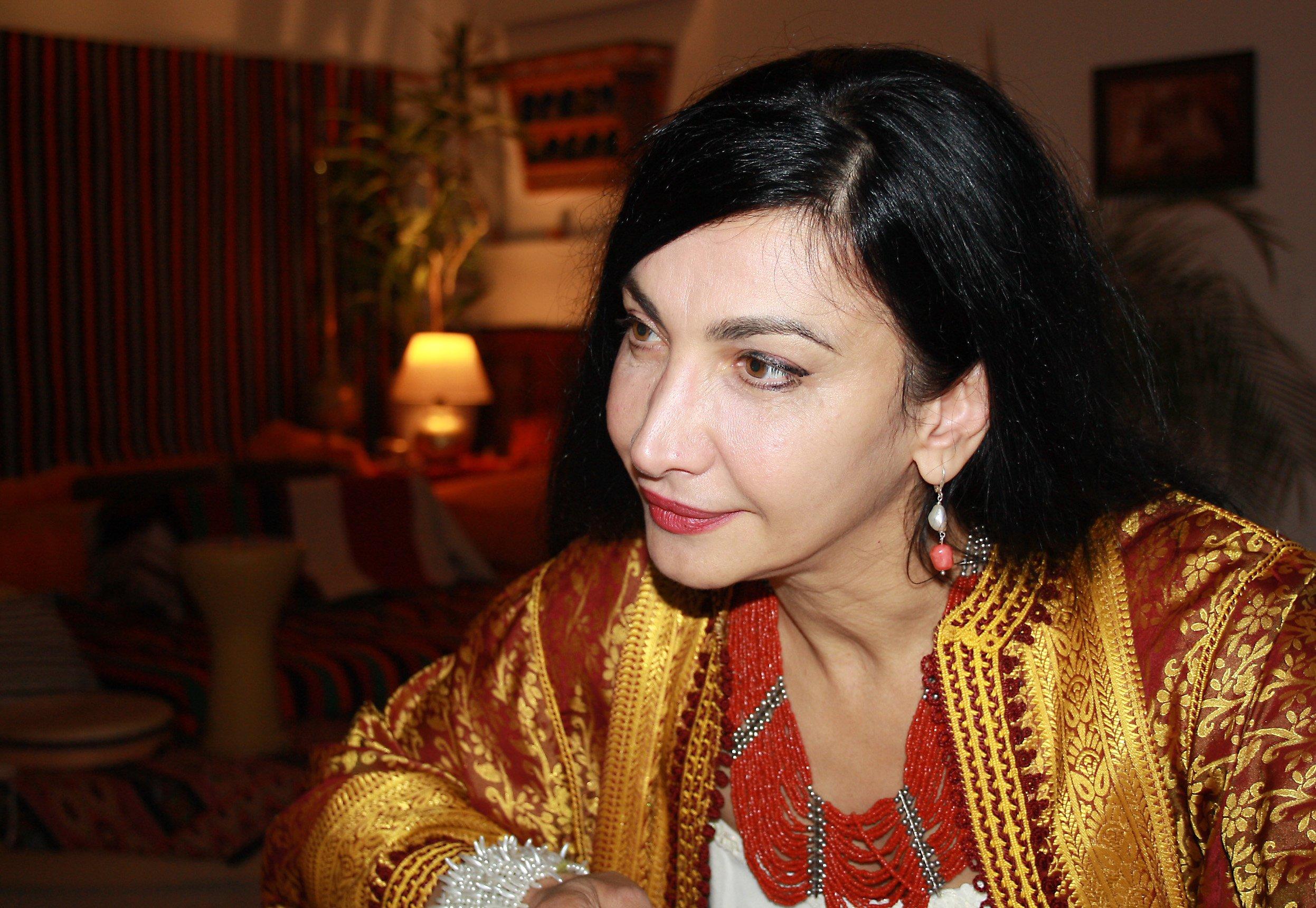
Nuwas Abu (756-814)
Due to his affinity for alcohol and his notoriety as a gay love poet, Abu Nuwas is well-known throughout the Arab Poetry world. He left his birthplace of Ahvaz in modern-day Iran at a young age and was raised in Iraq, the capital of the strong Abbasid Caliphate.
There are still more than 1,500 of his poems in existence, many of which are masterworks that express his perspective on Baghdad's cosmopolitan society, where individuals from many cultures gathered in pubs, bookshops, bazaars, mosques, and bathhouses.
Harivansh Rai Bachchan (1907 - 2003)
Harivansh Rai Bachchan was a renowned Indian poet of the 20th century. He was born on November 27, 1907, and passed away on January 18, 2003. Bachchan is best known for his iconic Hindi poems, with "Madhushala" being one of his most famous works.
"Madhushala" is a collection of poems that revolve around themes of life, death, and the metaphor of a wine house. He is the father of the great Indian actor Amitabh Bachchan.
मंजिल मिलेगी भटक कर ही सही, गुमराह तो वो हैं जो घर से निकले ही नहीं।(You will reach your destination, even if you lose your way — only those who never step out are truly lost.)
Harivansh Rai Bachchan
Darwish, Mahmoud (1941-2008)
He was born in the Palestinian hamlet of al-Birwa, which the British had control over, but he fled when the Israeli government seized control and forced hundreds of Arabs out. From 1965 to 1993, he wrote on subjects including the 1948 Catastrophe or Nakba and the Palestinian Revolt, typically fusing modern poetry with Arabic rhythmical meters. In 2004, the Prince Claus Foundation was among the various awards that Darwish received from all over the world.
Mersal, Iman (1966 - present)
Mersal is an Egyptian poet who is currently a professor of Arabic literature at the University of Alberta in Canada. Before the emergence of metaphors about family, life, and travel, Mersal's poetry examined the banal and personal. She writes poetry in a fluid style that is not constrained by Arabic rhythm: These Are Not Oranges, My Love, a compilation of her writings, was published in 2008.
Al-Jarrah Nouri (1956 - present)
Syrian native Al-Jarrah is well known for his use of free writing and for putting together a chorus of voices that are inspired by mythology, folktales, and the main characters of traditional Greek theatre. He currently splits his time between London and Abu Dhabi while serving as the editor of the cultural journal Al-Jadeed. The most recent English translation is A Boat to Lesbos and Other Poems.
Summarise with AI:
Enjoyed this article? Leave a rating!


 Loading...