

In today’s rapidly evolving marketplace, understanding consumer rights is crucial for every individual engaging in purchases or transactions. With the introduction of consumer rights as a framework to protect buyers from unfair practices, India has made significant strides to ensure that every consumer is treated fairly and transparently. The Consumer Protection Act is the backbone of this framework, designed to safeguard consumer interests, address grievances, and promote ethical business practices. Knowing your rights as a consumer in India empowers you to make informed choices, seek redressal, and stand up against deceptive or misleading business tactics.
The Consumer Protection Act has transformed how consumer rights are enforced in India. From addressing issues like false advertising and unfair trade practices to offering channels for dispute resolution, the Act provides a comprehensive mechanism to protect consumers. In this guide, we’ll explore the fundamentals of consumer rights in India, the scope of the Consumer Protection Act, and how these laws work to ensure a fair marketplace. Whether you're a seasoned consumer or just beginning to understand your rights, this article offers valuable insights into protecting your interests effectively.
An Act to provide for protection of the interests of consumers and the said
purpose, to establish authorities for timely and effective administration and
settlement of consumers' disputes and for matters connected therewith or
incidental thereto.
Source: https://consumeraffairs.nic.in/


Essential Guide to Consumer Rights in India
Consumer rights in India are protected by the Consumer Protection Act, 2019, designed to provide stronger consumer safeguards and an efficient dispute resolution process.

This Act establishes 6 primary consumer rights:
Right to Safety: This right ensures that consumers are protected from hazardous goods and services. Products that impact health or safety, such as food, pharmaceuticals, and appliances, must adhere to strict regulatory standards. Agencies like the Food Safety and Standards Authority of India (FSSAI) and the Bureau of Indian Standards (BIS) enforce these regulations to maintain high safety standards.
Right to Information: Consumers are entitled to clear and accurate information about products and services, including their quality, quantity, price, and standard. Misleading claims, hidden fees, and false advertising are prohibited. The Act mandates transparent labeling and factual disclosures, allowing consumers to make informed purchasing decisions.
Right to Choose: This right gives consumers the freedom to choose products from a range of options at competitive prices, without being coerced by monopolistic practices. It’s particularly important in the online marketplace, ensuring that consumers can make independent choices without being unduly influenced by sponsored listings or exclusivity agreements.
Right to Be Heard: Consumers have the right to raise complaints and expect that their grievances will be addressed. India has established a network of consumer courts that provide a formal platform to resolve these complaints, ensuring consumers’ concerns are acknowledged and acted upon.
Right to Seek Redressal: If consumers experience losses due to defective goods, poor services, or deceptive advertising, they have the right to seek redress. This could mean compensation, replacement, or refund. The law allows consumers to pursue fair compensation for damages caused by substandard or misleading products and services.
Right to Consumer Education: This right promotes awareness among consumers about their rights and responsibilities. Government bodies, NGOs, and educational institutions work to inform consumers about safe purchasing practices, fraud prevention, and grievance redressal methods, ensuring consumers are better equipped to protect their interests.
Differences Between The Consumer Protection Act 2019 And 1986
| 1986 | 2019 | |
| Historical Context | The Consumer Protection Act 1986 was a groundbreaking law that aimed to better safeguard consumer interests across India, except in Jammu and Kashmir. However, the evolving consumer landscape and the rise of e-commerce prompted the need for substantial updates, resulting in the enactment of the Consumer Protection Act 2019. | The Consumer Protection Act 2019 superseded the previous legislation and sought to modernize and reinforce consumer protection in India. It was enacted with the aim of providing consumers with more accessible and effective means to address their grievances and concerns. |
| Regulatory Authority | The 1986 act lacked a specific regulatory body to monitor and address common unfair practices by sellers, leaving consumers with limited options to seek recourse against unscrupulous sellers and manufacturers. | The Consumer Protection Act 2019 established the Central Consumer Protection Authority (CCPA), a regulatory body tasked with protecting consumer welfare and addressing unfair trade practices. |
| Jurisdiction | The 1986 act limited consumer cases to be filed only in the court of the district where the product was purchased. This created issues in the modern era, especially with the growth of e-commerce, as consumers often bought from sellers located far from their homes. | The Consumer Protection Act 2019 eliminated the jurisdictional limitation based on the location of the purchase. Under the 2019 act, consumers can file cases from their place of residence against the seller, regardless of the seller's location. |
Key Consumer Protection Laws in India
Apart from the Consumer Protection Act, several other laws enhance consumer rights. These include:
- Indian Contract Act, 1872: Ensures fairness in contracts between buyers and sellers.
- Sale of Goods Act, 1930: Defines buyer and seller rights in the sale of goods.
- Essential Commodities Act, 1955: Prevents hoarding and price manipulation by regulating certain essential goods.
- Food Safety and Standards Act, 2006: Regulates food quality and safety.
- Drugs and Cosmetics Act, 1940: Governs the manufacture and sale of drugs and cosmetics to protect consumer health.
Tips for Safeguarding Your Consumer Rights
- Stay Informed: Familiarize yourself with consumer rights under the Consumer Protection Act and stay updated on any changes.
- Verify Sellers and Services: Check the credibility of sellers, especially in online shopping, to avoid fraud.
- Keep Records: Retain invoices, warranties, and all communication with sellers, as these are essential when filing a complaint.
- Use Trusted Platforms: Shop on reputable websites with established consumer support.
- Report Violations Promptly: Take timely action if you encounter a rights violation by contacting consumer forums or courts.
Complete Guide to Consumer Courts in India
India’s consumer court system follows a three-tier structure to ensure that complaints are resolved effectively based on the claim amount and grievance type. Here’s an overview of the types of consumer courts in India:
- District Consumer Disputes Redressal Commission (DCDRC): The DCDRC, or District Consumer Court, functions at the district level and handles lower-value claims.
- Jurisdiction: The DCDRC handles cases where the total value of the claim, including compensation, is up to ₹1 crore.
- Purpose: Designed for accessible resolution of smaller claims, this court allows consumers to file complaints in the district where the issue occurred or where they reside.
- State Consumer Disputes Redressal Commission (SCDRC): At the state level, the SCDRC deals with cases involving higher claim values and also serves as an appellate body.
- Jurisdiction: It handles claims between ₹1 crore and ₹10 crore.
- Appellate Role: The SCDRC reviews appeals from DCDRC decisions within the same state, addressing cases that require more attention due to higher claim values.
- National Consumer Disputes Redressal Commission (NCDRC): As the apex body for consumer grievances, the NCDRC operates in New Delhi and handles the highest-value claims.
- Jurisdiction: The NCDRC takes up cases with claims exceeding ₹10 crores.
- Supreme Authority: Serving as an appellate body for SCDRC cases, the NCDRC’s decisions are binding, though further appeal can be made to the Supreme Court.

Steps to File a Complaint in Consumer Courts
Filing a consumer complaint in India involves a structured process. Here’s a step-by-step guide:
- Check Eligibility: Ensure you meet the eligibility criteria, including being a consumer of goods/services for personal (not commercial) use, addressing issues related to defective products or poor service, and filing within two years of the issue.
- Step 2: Gather Documentation: Collect essential documents to support your case, such as:
- Purchase Receipts/Invoices
- Warranty/Guarantee Certificates
- Correspondence Records (emails, letters)
- Bank Statements
- Legal Notice (if previously sent to the seller or service provider)
- Send a Legal Notice: Before filing a complaint, it’s recommended to send a formal legal notice to the opposing party, describing the issue, expected resolution, and a deadline (typically 15-30 days) for a response. This allows for an attempt to resolve the dispute amicably.
- Draft the Complaint: Prepare a clear and concise complaint including:
- Court Name and Case Title
- Complainant and Opponent Details
- Description of Product/Service
- Alleged Deficiency
- Relief Sought (e.g., compensation, refund)
- File the Complaint and Pay Fees: Submit the complaint to the appropriate court based on the claim amount, along with a nominal fee that varies with the compensation sought.
- Attend Court Hearing: After filing, both parties present their cases, with evidence reviewed by the judge. Having legal representation is optional but may be helpful for complex cases.
- Verdict and Relief: Following the hearing, the court issues a decision. If in favor of the consumer, the court may order compensation, a replacement, or other relief as requested.
Understanding Food Labels in India: Essential Information You Should Know
Food labels play a critical role in India, providing information essential for informed dietary choices in a country with diverse cultural, religious, and health considerations. Beyond simple nutritional facts, labels guide consumers in making choices that support their health and align with their beliefs, helping to promote public health and individual well-being.
How to Interpret Food Labels for Health and Lifestyle Choices
Understanding food labels empowers consumers to make healthier decisions. Indian food labels typically include details on ingredients, nutritional values, and dietary indicators, enabling consumers to choose foods that match their health goals and lifestyle preferences. Here’s a simple guide to help navigate food labels effectively.
- Serving Size and Calories: Start by noting the serving size and calories per serving, as these often differ from the total package contents. For example, a single package of chips may contain multiple servings. If you consume the entire package, you’ll need to multiply the values, helping you accurately track calorie intake, which is crucial for weight management and general health.
- Key Nutrients: Focus on certain nutrients that impact health directly:
- Fats: Look for total fat, saturated fat, and trans fats. High levels of saturated and trans fats can increase heart disease risk, so choose products with lower amounts of these fats.
- Sugar: Excess sugar is linked to obesity and diabetes. Opt for “no added sugar” or “low sugar” options to reduce health risks.
- Sodium: High sodium intake can lead to hypertension. Foods labeled “low sodium” are better for those monitoring salt intake.
- Fiber: High-fiber foods improve digestion and help regulate blood sugar, so prioritize cereals and snacks with higher fiber content.
- Ingredients List
Ingredients are listed by weight, with the primary ingredients appearing first. If sugar or refined flour is at the top, the product likely contains a high level of simple carbs. Look for foods where whole grains or natural ingredients are the main components. Watch for additives and preservatives, often listed by chemical names, which may raise health concerns when consumed frequently. - Allergen Warnings
Indian food labels are required to disclose allergens, such as gluten, nuts, dairy, and soy. Allergen warnings or statements like “may contain traces of…” help consumers with allergies make safe choices. This information, often near the ingredient list, is especially important for those with food sensitivities. - Health and Lifestyle Claims
Beyond standard ingredients, food labels may display specific claims or certifications that indicate suitability for particular diets or health goals:
- Organic or Natural: Products labeled “organic” must meet FSSAI standards, ensuring they’re produced without synthetic chemicals. “Natural” labels indicate minimal processing.
- “No Trans Fat” or “Low Fat”: These markers signal lower unhealthy fats, supporting heart health.
- “High Protein” or “Rich in Fiber”: Labels indicating high protein or fiber levels are beneficial for muscle health and digestion, ideal for fitness-focused consumers.
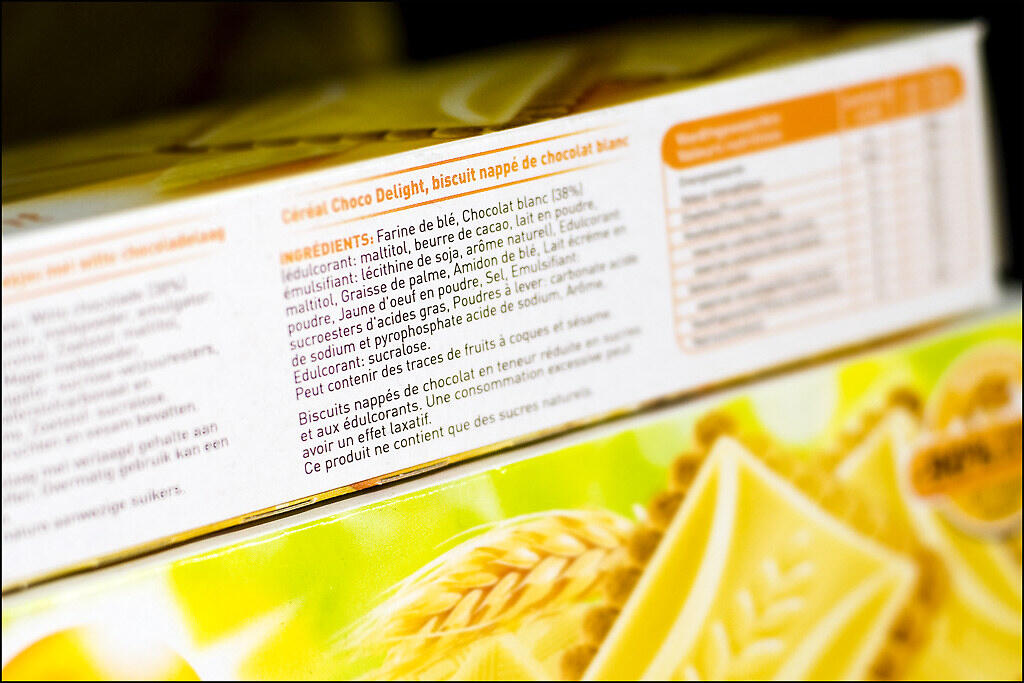
By learning to read and interpret food labels, consumers in India can make informed choices that support their health, meet dietary needs, and align with their lifestyle and ethical considerations.
Empowering Consumers for a Fair Marketplace
Understanding and exercising consumer rights in India is essential for creating a fair and transparent marketplace where individuals can make informed decisions and hold businesses accountable. The Consumer Protection Act and related laws empower consumers by providing clear avenues for redressal and establishing a structured system to address grievances. By knowing their rights, consumers can actively safeguard themselves from unfair practices, substandard products, and misleading advertising.
As consumers become more aware and proactive, they contribute to a stronger market ecosystem where trust and transparency are prioritized. Staying informed, documenting purchases, and taking prompt action when issues arise can significantly enhance a consumer's ability to resolve disputes effectively. Ultimately, awareness and action on consumer rights help build a marketplace that respects and protects consumer interests, fostering an environment of fairness and mutual trust.
Summarise with AI:
Did you like this article? Leave a rating!

 Loading...