
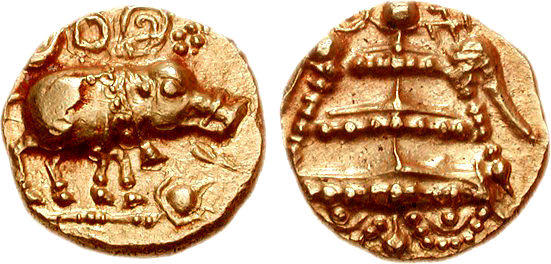

Chalukya, also written as చాళుక్య, was an Indian royal family that ruled over a lot of southern and central India from the sixth century to the twelfth. During that time, they ruled as three separate but closely linked dynasties. The Badami Chalukyas were the first dynasty. They came to power in the middle of the sixth century and had their base in Badami. As the Kadamba kingdom of Banavasi fell apart, the Badami Chalukyas started to claim their freedom.
During the reign of Pulakesin II, they quickly became very important. The Eastern Chalukyas formed their kingdom in the eastern Deccan after Pulakesin II died. They ruled from Vengi, which was their center, until around the year 1100. In the western Deccan, the Rashtrakutas rose to power before the Chalukyas of Badami in the middle of the eighth century. It wasn't until the late tenth century that their relatives, the Western Chalukyas, came back to power. From Basavakalyan to the end of the 1100s, those Western Chalukyas were in charge.
The Chalukyas' rise to power was a turning point in South Indian history and a great age in Karnataka's history. With the rise of the Badami Chalukyas, South India went from having smaller kingdoms to having big empires. A South Indian country took over and unified the whole area between the Kaveri and Narmada rivers for the first time in history.
As that kingdom grew, it led to better government, more trade and commerce with other countries, and the creation of a new style of architecture called Vesara. Around the ninth century, Kannada also became more popular as a literary language in the Brahminical texts, the Veerashaiva Vachanas, and the Jaina Puranas. In the eleventh century, when the Eastern Chalukyas were in charge, Telugu writing began to take shape.




Brief History of the Chalukya Period
Different historians have different ideas about where the Chalukyas came from in the beginning, but most agree that the people who started the kingdom were from the Karnataka region. One theory says that the Chalukya came from the "Seleukia" tribe in Iraq and that their fight with the Pallava of Kanchi was a continuation of the fight between the old Seleukia and the "Parthians," who are thought to be the Pallavas' ancestors.
Some people think they came from a different ancestor, a leader named Kandachaliki Remmanaka who lived in the second century and was a feudal subject of the Andhra Ikshvaku. Another record about the Eastern Chalukyas supports the idea that they came from the north. It says that a ruler of Ayodhya went south, beat the Pallavas, and married a Pallava woman. There was a child she had named Vijayaditya. Many people say he became the father of Pulakesin I. Runaranga is likely the father of Pulakesin I, according to inscriptions.
Divine Origin Theory
A famous poet in the court of Vikramaditya VI of the Western Chalukya kingdom of Kalyana named Vidyapati Bilhana wrote a story in his work called Vikramankadeva Charita. Indra once asked Brahma to make a hero who would punish bad people and end the world's lack of God. Being willing to do what he asked, Brahma looked into his Chuluka (hand hole) while doing the Sandhya and there came a strong fighter. "Chalukya" was his name, and he became the line's founder. It is where two great heroes, Harita and Manavya, were born and raised the Chalukyas to a high place. In the Ramastipundi grant of Vimaladitya of the Eastern Chalukya family, this story is told again and with more details.
Discover the grandeur that was the Chola Empire.
Some stories in the Handarike inscription of Vikramaditya VI say that the Chalukyas were born inside the Chuluka (pit of the palm) of the sage Haritipanchashikhi while he was offering drinks to the gods. The Chalukyas said that the Sapta Matrikas (the seven divine mothers) nursed them. It was common for them to say that their royal family traces back to a Northern country in the past. A Western Chalukya plaque from Vikramaditya VI says that the Chalukyas came from Ayodhya and had 59 kings there. Later, 16 more kings from that family ruled from Dakshinapatha in South India, where they had moved.
Chalukya Dynasty Timeline
For more than 600 years, the Chalukyas ruled over the Deccan plains in the middle of India. During that time, they ruled as three separate but closely linked dynasties. Between the sixth and eighth centuries, the Chalukyas of Badami ruled. There were also the Chalukyas of Kalyani, also known as the Western Chalukyas, and the Chalukyas of Vengi, also known as the Eastern Chalukyas.
Chalukyas of Badami UPSC Notes
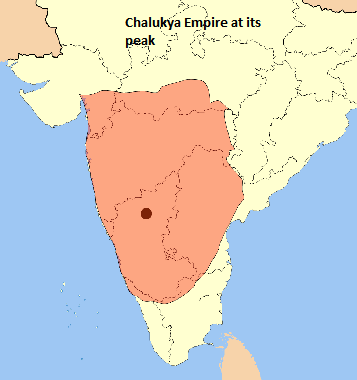
Around the sixth century, the Gupta dynasty and its direct successors fell apart in northern India. This caused big changes to happen in the Deccan and Tamilaham, which are south of the Vindyas. There were no longer any small kingdoms in that area; instead, there were big powers. The Chalukya kingdom was started by Pulakesin I in the year 550. Vatapi, which is now Badami in the Bagalkot district of Karnataka, was taken over by Pulakesin I and became his home. In the Deccan, the Chalukya were in charge of a kingdom that included the whole state of Karnataka and most of the state of Andhra Pradesh.
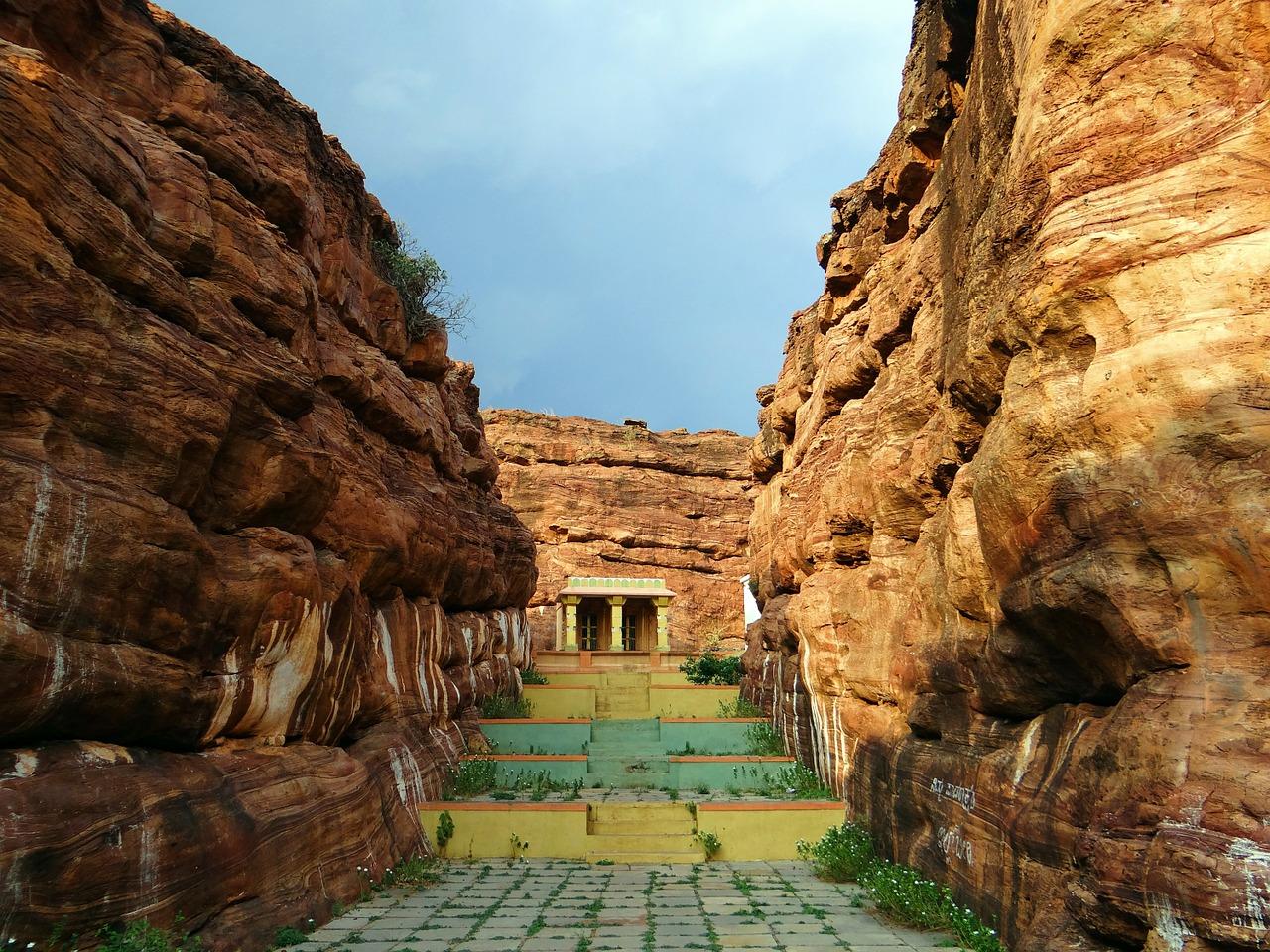
Among the Badami Chalukya emperors, Pulakesin II (pre-coronation name "Ereya") may have been the best. Scholars think he was one of the best kings in Indian history. He was also known as Immadi Pulakesin. His queen, Kadamba Devi, was a princess of the Alupas. They were married to and had children with the Alupas of South Canara and the Gangas of Talakad.
Pulakesin II expanded the Chalukya Empire to include the northern parts of the Pallava country. He also stopped Harsha from moving south by defeating him on the Narmada River. After that, he beat the Vishnukundins in the southeast of Deccan. That win was undone by Pallava Narasimhavarman, who attacked and briefly took over the Chalukya capital Vatapi.
All of the South Indian dynasties of the Sangam era were celebrated patrons of art and architecture, led by the mighty Vijayanagara Empire.
Following the death of Pulakesin II, the Badami Chalukya dynasty briefly fell apart because of fights within the family. It got better under the rule of Vikramaditya I, who drove the Pallavas out of Badami and brought order back to the kingdom. It was at its strongest under the rule of the great Vikramaditya II, who beat the Pallava Nandivarman II and took Kanchipuram. In 753, Rashtrakuta Dantidurga got rid of the last Badami Chalukya king, Kirtivarman I. They had a huge kingdom that stretched from the Kaveri to the Narmada at its peak.
Chalukyas of Kalyani
After being dormant for more than 200 years while the Rashtrakutas ruled most of the Deccan, the Chalukyas got back on their feet in 973. Many people think that the Kalyani Chalukyas were connected to the Badami Chalukya line, but some historians disagree and say they may not have been related to the Early Chalukya family at all. The Badami Chalukyas had titles like Satyashraya, which is also the name of a Kalyani Chalukya prince. They also used titles that ended in Yuddamalla and Rajamalla, which are popular among Chalukya families in the area.
No matter where they came from, the Kalyani Chalukyas' rule was a great time for Kannada writing. Rashtrakuta feudal lord Tailapa II, who ruled from Tardavadi-1000 (Bijapur district), got rid of Karka II, set up the Chalukyan kingdom again, and took back most of the Chalukya empire. This dynasty was called the Later Chalukya dynasty or the Western Chalukya dynasty.
For another 200 years, the Western Chalukyas ruled, but they were always at odds with the Cholas and their cousins, the Eastern Chalukyas of Vengi. Many scholars thought that Vikramaditya VI was the best king of the family. His 50-year rule was known as the Chalukya Vikrama Era. With the rise of the Hoysalas, Kakatiya, and Seuna around 1180, the Western Chalukyas were no longer a powerful group.
Uncover the history of the dynasty that gave the world the mesmerizing Ellora cave architecture - the Rashtrakutas.
Eastern Chalukyas
Pulakesin II (608–644) defeated the last of the Vishnukundina kingdom's armies and took over the eastern Deccan, which today is the coastal area of Andhra Pradesh. As Viceroy, he chose his brother Kubja Vishnuvardhana. Once Pulakesin II passed away, the Vengi Viceroyalty grew into its own country.
The Eastern Chalukyas of Vengi lived many more generations than the main Vatapi family. It has been said that the Eastern Chalukyas came from the line of Kannada, and it has also been said that they came from the line of Maratha Kshatriyas. At first, they supported the Kannada language and literature. But over time, local forces took over, and they started to value the Telugu language more. The Eastern Chalukyas helped Telugu writing grow.
Art and Architecture of the Chalukya Empire
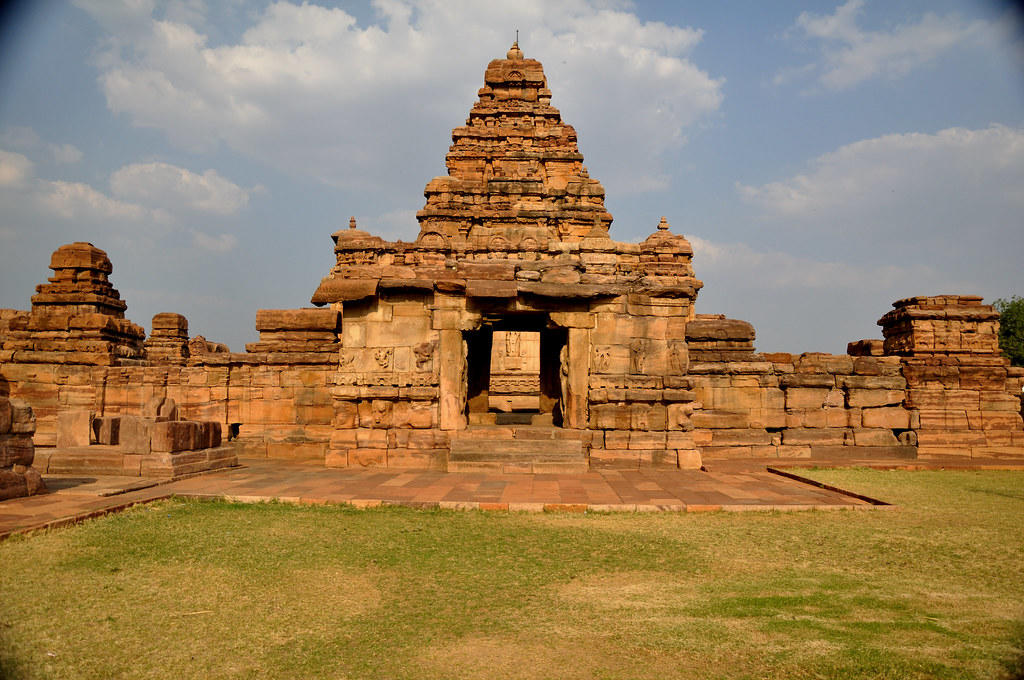
South India had a lot of great art during the Badami Chalukya era. Important changes happened in society because of it, especially in the growth and spread of a new style of architecture called Vesara, which is a mix of the South Indian and North Indian building styles. The dance Natyasastra by Sage Bharata reached a very advanced stage of growth.
During that time, the Deccan became home to the Karnata Dravida style, which is one of the most important traditions in Indian architecture. It is different from the traditional Dravida style. It was the Vesara style that shaped the Eastern Chalukyas. The Kalyani Chalukyas improved the Vesara style even more by drawing inspiration from Dravidian ideas, especially in their statues. They built beautiful temples in the area between the Krishna and Tungabhadra rivers in what is now Karnataka.
Summarise with AI:
Enjoyed this article? Leave a rating!


 Loading...
