


The United States has a long history of being a global leader in science, technology, engineering, and mathematics (STEM). From pioneering technologies like aircraft and the internet to ground-breaking studies in space exploration and health, American institutions continuously push the frontiers of scientific understanding. This creates a vibrant and intellectually challenging atmosphere for students pursuing STEM degrees. If you are an Indian student looking to pursue a master's degree in the United States, a STEM degree might be an excellent choice. STEM (Science, Technology, Engineering, and Mathematics) is an interdisciplinary area that is quickly gaining relevance across the world.




Benefits of STEM Degrees in the USA
One of the most significant advantages of earning a STEM degree in the United States is the Optional Practical Training (OPT) term. OPT is a 12-month term during which overseas students may work in the United States without a work visa. And here's the best part: students who have finished a STEM degree program can extend this time by an extra 24 months!
In the academic year 2022-23, the number of Indian students studying in the United States was 268,923.
The USA draws a heterogeneous group of students from all over the world. Engaging in education with students from different countries promotes cross-cultural comprehension, analytical reasoning, and the capacity to cooperate efficiently in an interconnected society.
Additionally, consider the following advantages of pursuing STEM education in the USA while making this life-changing decision.
Globally acclaimed institutions
The United States is home to several highly esteemed universities, routinely achieving top positions in international university rankings. These establishments attract top-tier researchers, faculty members, and state-of-the-art facilities, offering students exceptional learning prospects. Envision the opportunity to get guidance from Nobel laureates or collaborate on research with prominent authorities in your area of expertise! Envision the priceless knowledge and firsthand encounters you will get from teachers who are actively influencing the future of their fields.
Wide-ranging programs and specializations
American colleges have a wide variety of STEM programs that appeal to a diverse range of interests. If you have a strong interest in artificial intelligence, robotics, renewable energy, or computational biology, there are specialist programs available that are designed to meet your unique goals and ambitions. This variation extends beyond program titles, as many colleges provide substantial opportunities for personalization within majors.
Programs for internships and cooperative education
Many STEM schools in the United States provide internship and co-op opportunities, enabling students to acquire hands-on experience in their respective fields before completing their studies. These experiences not only bolster students' resumes but also offer useful perspectives on business practices and trends.
Job prospects
STEM graduates in the USA are highly sought after in diverse fields such as technology, healthcare, engineering, and finance. The skills and information obtained during their courses prepare individuals for a diverse array of professional prospects, both domestically and globally. Obtaining a STEM degree from a university in the United States provides you with a competitive advantage in a dynamic employment market, granting access to rewarding professions that have the potential to create a significant impact on a global scale.
Promoting innovation and entrepreneurship
The USA cultivates a culture that promotes originality and business ventures, motivating pupils to transcend theoretical understanding and create remedies for practical obstacles. Several colleges provide incubator programs, hackathons, and mentorship opportunities to assist students in transforming their ideas into prosperous enterprises. By studying in this particular atmosphere, you will acquire the necessary abilities and mentality to become a pioneer or innovator in your chosen area of expertise. Employers highly value the "think outside the box" attitude, which gives you a competitive advantage in the employment market.

Encouraging International Connections
By participating in this opportunity, you will establish vital connections and get a more comprehensive understanding of your selected industry, so improving your career opportunities in a world that is becoming more linked. Envision participating in a research endeavor with a diverse group of students from several nations, each contributing their distinct viewpoints and cultural backgrounds. Not only does this enhance the learning experience, but it also equips you with the necessary skills for a globalized job market.
State-of-the-art technology and advanced research facilities
American colleges are leading the way in technological progress. They allocate significant resources to acquiring cutting-edge equipment, labs, and research facilities, ensuring that students have the opportunity to utilize the most advanced techniques and technology available in their respective fields. This opportunity enables you to engage in innovative research endeavors and acquire expertise at the forefront of your selected field. Envision the opportunity to collaborate with state-of-the-art robotics technology, engage in research inside a top-tier biotechnology laboratory, or leverage sophisticated computing tools to address intricate scientific challenges.
Top 5 STEM Degree Courses in the USA
STEM disciplines play a vital role in fostering innovation and driving economic expansion. These subjects consistently allure students with their auspicious job opportunities and lucrative earning prospects. The United States is internationally recognized for its STEM programs, which provide some of the highest-quality STEM degree programs in the world. Let's explore the 5 most popular STEM degree programs in the United States, detailing their potential job opportunities and the leading educational institutions that provide these degrees.
1. Computer Science
Computer Science (CS) is a highly sought-after subject in STEM, which concentrates on the fundamental principles of computing and practical methods for creating software systems. Due to the widespread adoption of digital technology in various businesses, there is a considerable need for graduates with a background in computer science in areas such as technology, finance, healthcare, and entertainment.
Career Prospects
- Software Engineer/Developer: The most common career path, involving the design, development, and maintenance of software systems.
- Data Scientist: Specializing in analyzing large datasets to derive insights and inform decision-making.
- AI/ML Engineer: Focusing on artificial intelligence and machine learning to build systems that can learn from data and make autonomous decisions.
- Cybersecurity Analyst: Protecting organizations from digital threats and ensuring the integrity of data systems.
- Average Salary: $90,000 to $150,000 depending on specialization and experience.
Top 5 Institutions:
- Massachusetts Institute of Technology (MIT) – Known for cutting-edge research in AI, robotics, and cybersecurity.
- Stanford University – Offers comprehensive programs with strong ties to Silicon Valley tech firms.
- Carnegie Mellon University (CMU) – Renowned for its focus on AI, computer vision, and computational theory.
- University of California, Berkeley – Emphasizes innovation in software systems and theoretical computer science.
- California Institute of Technology (Caltech) – Small but prestigious, with a strong focus on computational research and software engineering.
2. Electrical and Electronics Engineering
Electrical and Electronics Engineering (EEE) is a broad discipline including the investigation of electricity, electromagnetic, and electronics. It encompasses specialized fields including telecommunications, microelectronics, signal processing, and power systems.
Career Prospects
- Electrical Engineer: Design and develop electrical systems in sectors like power generation, aerospace, and telecommunications.
- Electronics Engineer: Focuses on smaller-scale systems such as semiconductors, sensors, and integrated circuits.
- Control Systems Engineer: Work on automating and controlling processes in industries such as manufacturing or aviation.
- Robotics Engineer: Involves designing robotic systems for a wide range of applications from manufacturing to surgery.
- Average Salary: $80,000 to $120,000.
Top 5 Institutions
- Massachusetts Institute of Technology (MIT) – Globally recognized for its electrical engineering research in areas like quantum computing and telecommunications.
- Stanford University – Offers state-of-the-art labs and a strong emphasis on entrepreneurship.
- University of Illinois Urbana-Champaign (UIUC) – Known for its robust EEE program with specialties in power systems and semiconductor technology.
- Georgia Institute of Technology (Georgia Tech) – Offers practical, industry-relevant engineering training and research.
- University of California, Berkeley – Pioneers research in electronics, including energy-efficient chip design and power grid innovations.
3. Mechanical Engineering
Mechanical Engineering (ME) encompasses the process of creating, evaluating, producing, and upkeeping mechanical systems. This sector provides versatility, with potential applications in the automotive, aerospace, robotics, and industrial industries.
Career Prospects:
- Mechanical Engineer: Engaged in the design and production of machinery in industries like automotive and aerospace.
- Aerospace Engineer: Specializes in designing aircraft and spacecraft, focusing on improving performance and safety.
- Automotive Engineer: Focuses on vehicle design, from engines to chassis and safety systems.
- Robotics Engineer: Works on designing and maintaining robotic systems for manufacturing, healthcare, and defense applications.
- Average Salary: $70,000 to $110,000.
Top 5 Institutions:
- Massachusetts Institute of Technology (MIT) – Leading the way in robotics, materials science, and thermodynamics research.
- Stanford University – Known for its strong interdisciplinary programs that bridge mechanical engineering with other STEM fields.
- California Institute of Technology (Caltech) – Offers rigorous programs with a focus on innovation and hands-on learning.
- University of Michigan, Ann Arbor – Offers a comprehensive ME program with access to cutting-edge research in automotive engineering.
- Georgia Institute of Technology (Georgia Tech) – Specializes in aerospace engineering and offers strong industry partnerships.
4. Biomedical Engineering
Biomedical Engineering (BME) is a multidisciplinary domain that combines ideas from biology and engineering to create healthcare technology. Examples of this can encompass the development of medical apparatus, diagnostic imaging apparatus, artificial body parts, and the field of growing tissues.
Career Prospects:
- Biomedical Engineer: Works on developing medical devices like pacemakers, prosthetics, and diagnostic equipment.
- Clinical Engineer: Focuses on applying engineering principles to improve hospital technologies and clinical workflows.
- Biomechanical Engineer: Works on designing assistive technologies like artificial limbs and other body-part replacements.
- Tissue Engineer: Involves developing biological substitutes to restore, maintain, or improve tissue function.
- Average Salary: $70,000 to $110,000.
Top 5 Institutions:
- Johns Hopkins University – A world leader in BME with strong partnerships with healthcare institutions.
- Massachusetts Institute of Technology (MIT) – Known for innovations in medical devices, bioinformatics, and synthetic biology.
- Stanford University – Offers comprehensive programs in bioengineering with cutting-edge labs and research opportunities.
- Georgia Institute of Technology (Georgia Tech) – Focuses on applied biomedical research with strong industry links.
- University of California, San Diego (UCSD) – Offers a robust BME program with specialties in tissue engineering and medical imaging.
5. Environmental Science/Engineering
Environmental Science and Engineering (ESE) focuses on safeguarding the environment by examining natural processes and creating sustainable technology. This discipline encompasses several subjects like climate change, waste management, renewable energy, and water resources management.
Career Prospects:
- Environmental Engineer: Works on solutions to environmental problems like pollution control, waste management, and water treatment.
- Sustainability Specialist: Helps organizations implement sustainable practices in energy use, resource management, and environmental protection.
- Hydrologist: Specializes in water resources and works on managing water systems for agriculture, industry, and municipalities.
- Renewable Energy Engineer: Focuses on developing technologies related to solar, wind, and other renewable energy sources.
- Average Salary: $65,000 to $100,000.
Top 5 Institutions:
- Stanford University – Offers top-tier environmental engineering programs with research focused on sustainability and renewable energy.
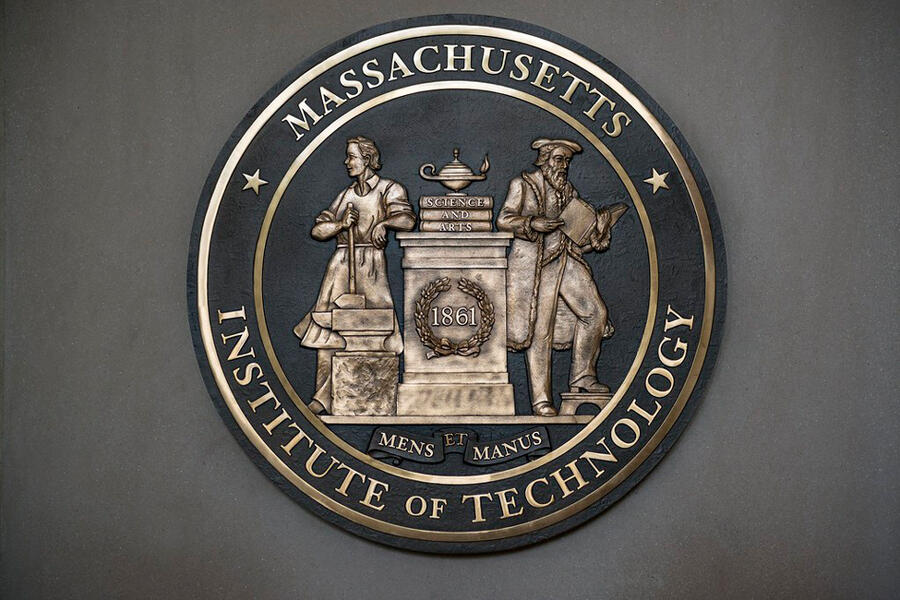
- Massachusetts Institute of Technology (MIT) – Known for its research in climate change, environmental policy, and sustainable technologies.
- University of California, Berkeley – Pioneers in environmental science, with programs dedicated to water management, air quality, and renewable energy.
- California Institute of Technology (Caltech) – Focuses on atmospheric sciences, oceanography, and environmental technology innovations.
- Princeton University – Offers interdisciplinary programs in environmental science, with strong research in environmental policy and energy systems.
STEM Education & Research in the USA
STEM education in the USA is a critical focus area, fostering innovation and maintaining the country’s global leadership in science and technology. U.S. educational institutions emphasize hands-on learning, interdisciplinary collaboration, and real-world problem-solving from K-12 through higher education. STEM education prepares students for high-demand careers in fields such as computer science, engineering, healthcare, and environmental science.
Research in STEM is robust, driven by world-class universities like MIT, Stanford, and Harvard, along with federal agencies like the National Science Foundation (NSF) and National Institutes of Health (NIH). These institutions conduct cutting-edge research in areas such as artificial intelligence, biotechnology, renewable energy, and climate science. The U.S. government's investment in research and development, alongside private-sector partnerships, ensures a continuous flow of innovation.
STEM occupations are expected to grow by nearly 11% by 2031, significantly faster than the average for all occupations, highlighting a strong demand in these fields.
STEM degrees continue to be highly sought-after and promising job paths because of their crucial role in advancing technology and addressing global problems.
STEM research in the USA not only contributes to scientific advancements but also supports economic growth, job creation, and solutions to global challenges like climate change and healthcare innovation. The focus on promoting diversity in STEM fields ensures that a broad range of perspectives contribute to future technological breakthroughs.
Disciplines such as Computer Science, Electrical and Electronics Engineering, Mechanical Engineering, Biomedical Engineering, and Environmental Science/Engineering are highly favored among students who aspire to make substantial contributions to society while also pursuing financially rewarding job opportunities.
With the ongoing advancement of technology, there will be a growing need for highly competent workers in the fields of science, technology, engineering, and mathematics (STEM). Therefore, pursuing degrees in these areas would be a wise decision for students who want to ensure the longevity and relevance of their employment.
Summarise with AI:
Did you like this article? Leave a rating!

 Loading...
