
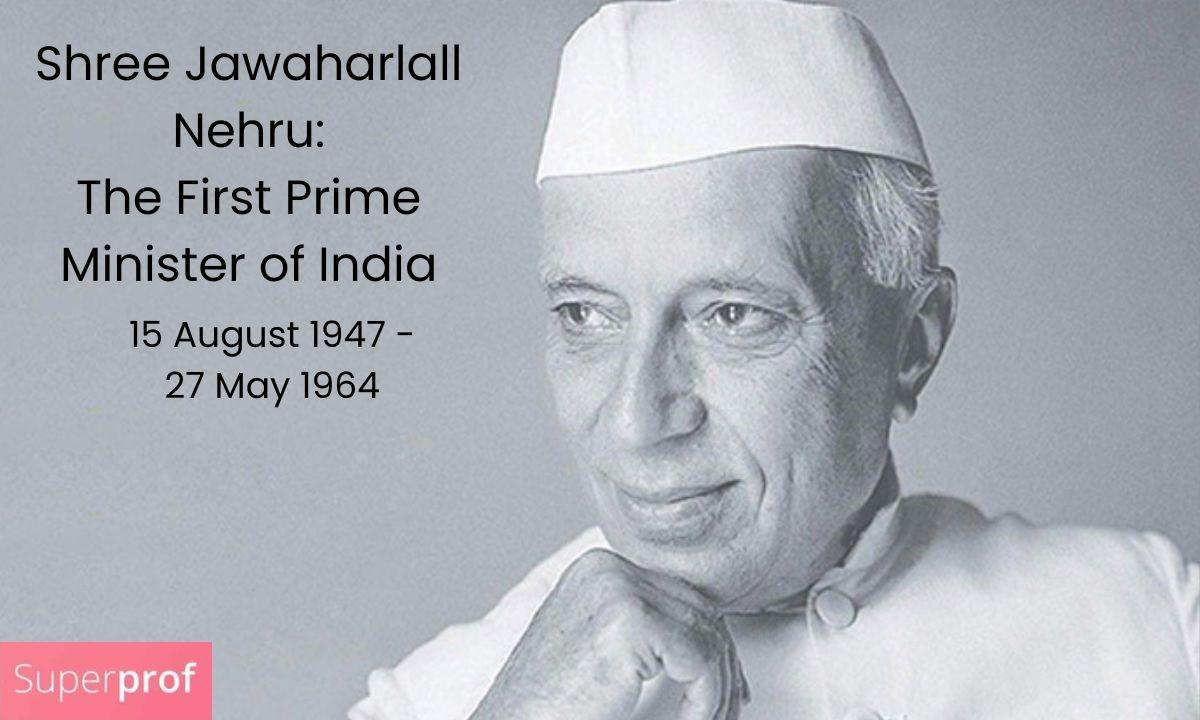

Jawaharlal Nehru, the first Indian Prime Minister, holds a special place in the history of India. His journey to becoming the Prime Minister is a remarkable story of dedication, leadership, and vision. Born into a prominent family, Shri Jawaharlal Nehru was more than just a political leader; he was a thinker, a writer, and a key figure in the struggle of India for independence. His life was a combination of struggling experiences, from his early education to his active involvement in India's freedom movement. As the first Prime Minister of India, Nehru laid the foundations of a modern, democratic and progressive nation.
Nehru's role as a leader during the critical phase of India's transition from a British colony to an independent nation was instrumental. He was a visionary who envisioned an India where every citizen had equal rights and opportunities. His policies and decisions shaped the future of a new India and left an indelible mark on the socio-economic fabric of the country.
From his early years to his ascent as the first Indian Prime Minister, here is the journey of a man who was not just a political figure but a symbol of hope and progress for a newly independent India.


Early Life Pandit Nehru: Father of Indira Gandhi
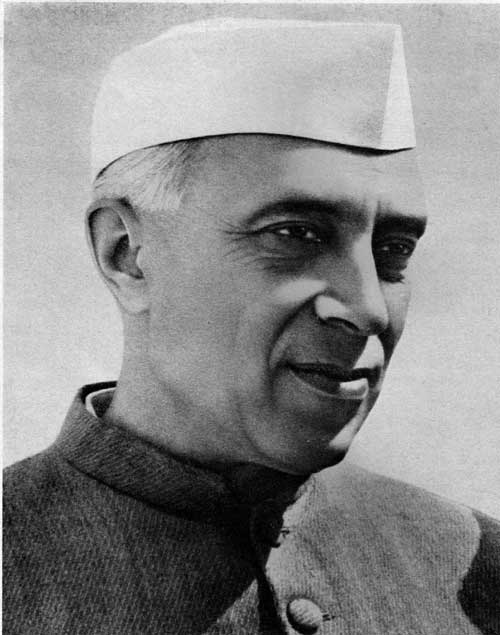
Here, we will explore the life of the father of Indira Gandhi, Pandit Nehru along with details on his early life, education, struggles, etc.
Early Education and Family Background
Jawaharlal Nehru was born into a well-off and respected family in Allahabad, India. He was born on November 14, 1889. His father, Motilal Nehru, was a successful lawyer and a prominent figure in Indian politics.
Academic Pursuits and Interest in Politics
Nehru's early education was provided at home by private tutors, which was a common practice among affluent families at the time. He later attended Harrow, a prestigious school in England, where he received a more formal education.
After completing his schooling at Harrow, Nehru went on to study natural sciences at Trinity College, Cambridge. He had a keen interest in reading and was particularly drawn to subjects like history and science. Following his time at Cambridge, Nehru moved to London to study law.
Although he followed in his father's footsteps by becoming a lawyer, his true passion lay in the political arena, especially in the fight for India's independence from British rule.
Personal Life and Influence of Gandhi
In 1916, Nehru married Kamala Kaul, and their union led to the birth of their daughter, Indira, in 1917. Indira would later follow in her father's footsteps and become a significant political leader in India. He was a devoted father and his aspirations for a better world were partly driven by his desire to create a better future for Indira and other children of his nation.
During this time, Nehru was deeply influenced by Mahatma Gandhi, whose philosophy and leadership in the Indian independence movement left a lasting impact on him.
Joining the Freedom Movement
His growing interest in India's freedom struggle led him to join the Indian National Congress, a key political party fighting for India's independence. His involvement in the party marked the beginning of his long and illustrious political career.
Nehru's early life, thus, laid the foundation for his emergence as a pivotal figure in India's fight for freedom and his eventual role as the father of Indira Gandhi and the first Prime Minister of India.
Struggles of Indian Freedom Fighters
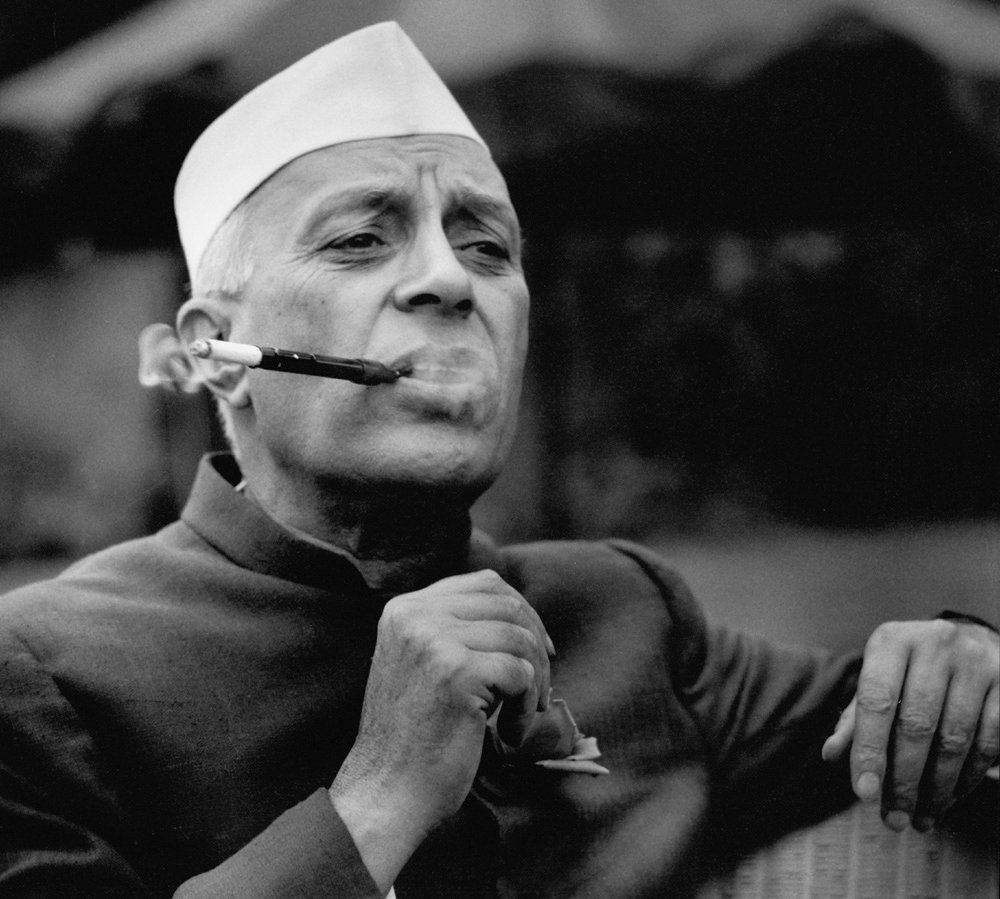
During the early years of Shri Jawaharlal Nehru, India's political landscape was undergoing significant changes that laid the groundwork for the country's struggle for independence. Here is an insight into the Indian freedom fighters.
Indian Nationalism Post-Mughal Rule
The decline of the Mughal Empire led to the fragmentation of India into numerous princely states. This period saw the rise of the British East India Company, which gradually expanded its control over these states. The British played a pivotal role in the fall of the Mughal Empire and subsequently established the British Indian Empire. This dominance by a foreign power sparked the early seeds of Indian nationalism, uniting people from various regions and backgrounds against colonial rule.
Foundation of the Indian National Congress (INC) in 1885
The INC was established as a forum for educated Indians to voice their concerns and seek reforms from the British government. Initially, the Congress focused on moderate demands for more representation and rights for Indians, but it gradually became the primary platform for India's independence movement.
Partition of Bengal in 1905
The British decision to partition Bengal was a major political move that had far-reaching consequences. It was perceived as a divide-and-rule policy, intended to create religious divisions between Hindus and Muslims. This decision led to widespread protests and was a significant moment in the Indian freedom struggle.
The Swadeshi Movement (1905-1908)
This movement emerged as a direct response to the partition of Bengal. It encouraged the use of Indian-made goods and the boycott of British products. The Swadeshi Movement aimed to promote Indian self-reliance and was a key step in developing national consciousness.
Reasons for the Failure of the Swadeshi Movement
Despite initial success and popular support, the Swadeshi Movement eventually declined. The main reasons for its failure included a lack of unified leadership, internal disagreements, limited mass participation, and severe crackdowns by the British authorities.
The Split in the Congress (1907)
The Indian National Congress split into two factions: the Moderates and the Extremists. The Moderates believed in gradual reform and working within the framework of British law, while the Extremists advocated for more radical measures. This split weakened Congress's effectiveness in the short term.
Britain’s Policy Towards INC
The British government's approach to the INC evolved over time. Initially, the British attempted to placate the INC with minor concessions, but as the Congress's demands grew, the British adopted more repressive measures to undermine its influence.
The Ghadar Movement (1914)
The Ghadar Movement was a revolutionary campaign led by Indian expatriates in North America. It aimed to overthrow British rule in India through armed rebellion. However, the movement failed due to a lack of coordination, inadequate resources, and infiltration by British intelligence.
These events along with many more phases of struggle significantly influenced his views and actions as a future leader. Growing up during this period of burgeoning nationalism and political upheaval, Nehru was shaped by the ongoing struggle for India's independence.
History and Celebration of Children's Day in India
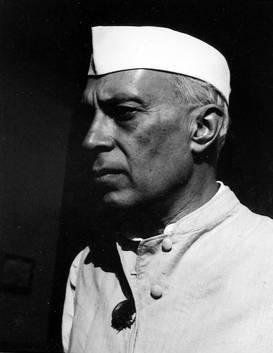
Children's Day in India is celebrated every year on November 14th. This special day is dedicated to children all across the country. It is a time when people focus on the importance of children's rights, education, and welfare.
Why is Children’s Day Important?
Children's Day is important because it reminds everyone of the value and importance of children in society. The day is not just about celebrating children for who they are, but also about understanding their needs and rights. It is a day to recognize that children are the future of the nation and that nurturing them is crucial for the country's development. It is also a day to celebrate their innocence and joy.
Significance of Children's Day in India
- Children's Day emphasises the critical importance of child rights, including the right to education, protection, healthcare, and a nurturing environment. It serves as a reminder of the commitment required to safeguard these rights.
- The day underlines the necessity of providing every child with access to quality education. It emphasises the role of education in empowering children and preparing them for future challenges.
- This day acknowledges the potential and role of the younger generation in shaping the future of the nation. It reinforces the idea that investing in children's development is crucial for national progress.
- Celebrated on Nehru's birthday, the day honours his dedication to children's education and well-being. Nehru's affectionate relationship with children and his vision for their role in building a strong nation is remembered.
- Children's Day provides a platform to discuss and address the various issues affecting children in India, such as child labour, malnutrition, and abuse. It calls for action to tackle these problems.
- Educational institutions and organisations use this day to conduct activities that contribute to the mental, emotional, and physical development of children. These activities focus on fostering creativity, critical thinking, and skills development.
- The day serves to educate adults about the importance of a child-centric approach in education, parenting, and policy-making. It promotes the idea of creating environments that support holistic child development.
- Children's Day encourages stronger and more empathetic relationships between children and adults, be it parents, teachers, or community members. It highlights the importance of understanding, listening to, and respecting children's perspectives.
Shree Jawaharlal Nehru Quotes
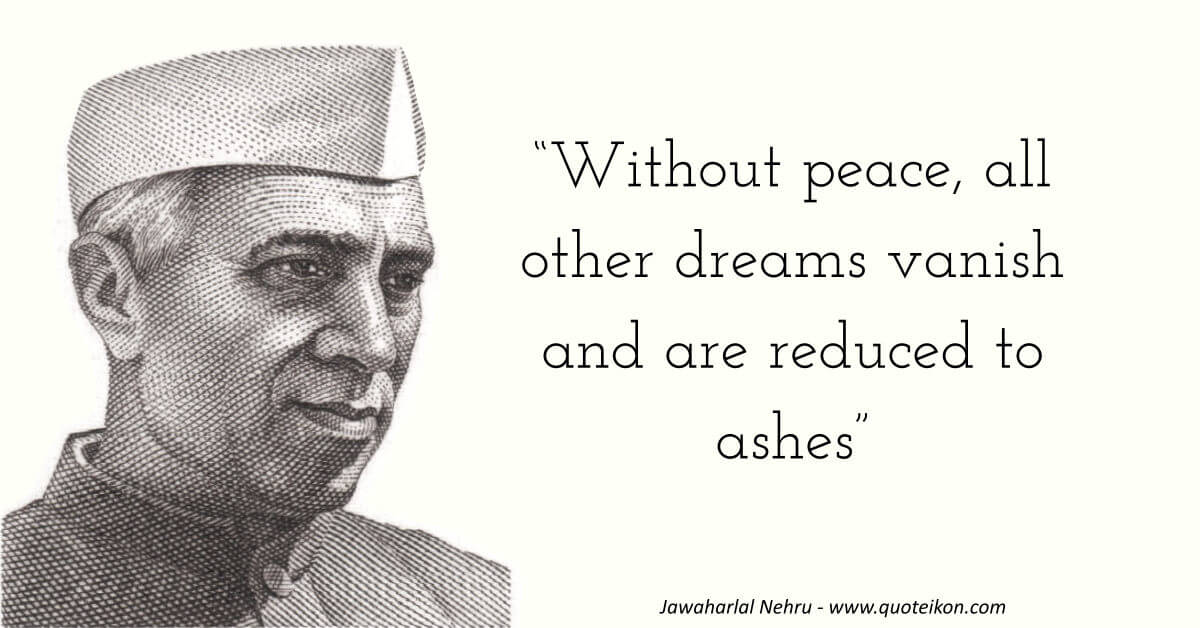
- A moment comes, which comes but rarely in history, when we step out from the old to the new, when an age ends, and when the soul of a nation, long suppressed, finds utterance.
- Facts are facts and will not disappear on account of your likes.
- There is nothing more horrifying than stupidity in action.
- Only through the right education can a better order of society be built up.
- A university stands for humanism, for tolerance, for reason, for the adventure of ideas and for the search for truth.
- The object of education was to produce a desire to serve the community as a whole and to apply the knowledge gained not only for personal but for public welfare.
- We live in a wonderful world that is full of beauty, charm, and adventure. There is no end to the adventures we can have if only we seek them with our eyes open.
- The policy of being too cautious is the greatest risk of all.
- Evil unchecked grows, and evil tolerated poisons the whole system.
- Culture is the widening of the mind and of the spirit.
- The forces in a capitalist society, if left unchecked, tend to make the rich richer and the poor poorer.
- The children of today will make the India of tomorrow. The way we bring them up will determine the future of the country.
- Children are like buds in a garden and should be carefully and lovingly nurtured, as they are the future of the nation and the citizens of tomorrow.
- The children of today will make the India of tomorrow. The way we bring them up will determine the future of the country.
- It is the habit of every aggressor nation to claim that it is acting on the defensive.
- Facts are facts and will not disappear on account of your likes.
- There is nothing more horrifying than stupidity in action.
- Life is like a game of cards. The hand that is dealt you is determinism; the way you play it is free will.
- The forces in a capitalist society, if left unchecked, tend to make the rich richer and the poor poorer.
- Culture is the widening of the mind and of the spirit.
- Time is not measured by the passing of years but by what one does, what one feels, and what one achieves.
- There is no end to the adventures that we can have if only we seek them with our eyes open.
- Loyal and efficient work for a great cause, even though it may not be immediately recognized, ultimately bears fruit.
- Nationalism is essentially a group memory of past achievements, traditions, and experiences.
- A moment comes, which comes but rarely in history, when we step out from the old to the new, when an age ends, and when the soul of a nation, long suppressed, finds utterance.
Summarise with AI:
Did you like this article? Leave a rating!

 Loading...
